

 Preview
 Send
Send Share
Share
 Details

 Download
 Similars
 X-Ray
X-Ray Diaporama
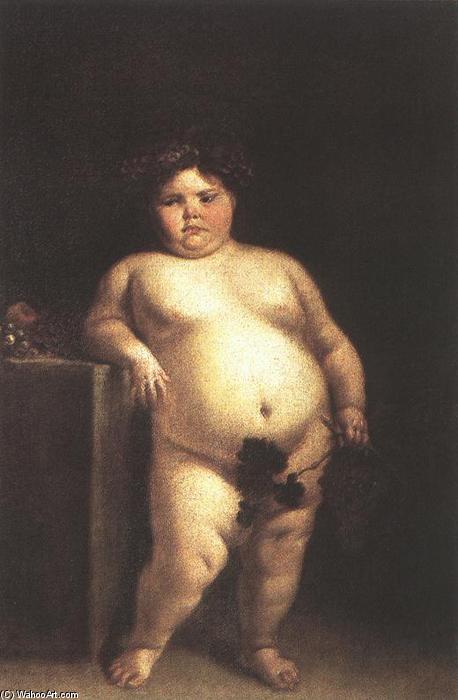
La Monstrua Desnuda (Eugenia Martinez Vallejo Unclothed)
 Oil On Canvas
- WallArt
- Baroque Period
 Late Medieval
 165.0 x 108.0 cm
 Museo del Prado
 Read More
Purchase a high-resolution, enhanced digital image, far superior to the online preview.
Each file is meticulously prepared by our in-house specialists using advanced tools and expert manual retouching. We ensure every image has exceptional clarity, precise color accuracy, and fine detail.
The final file is delivered via email within 72 hours, optimized for immediate use in professional, editorial, and print environments. This is the same quality trusted by top-tier design studios, publishers, and galleries.
Digital Image
Download a high-resolution file for personal display, printing, and creative projects. ( Buy Print Buy Hand Made Painting)
Included in Every Digital Image Order
Expert Digital Delivery, Guaranteed
When you choose ArtsDot.com, you're not just getting an image - you're receiving a professionally enhanced digital artwork, crafted with precision and backed by a satisfaction guarantee. Here's everything that comes with your order, automatically:

Fast Email Delivery
Your high-resolution digital image file will be emailed to you within 72 hours of ordering - ready for immediate use.

AI-Enhanced Digital File
Your artwork is professionally optimized using advanced AI tools and manual editing, ensuring maximum detail, clarity, and color accuracy.

Free Lifetime Re-Delivery
Accidentally deleted or lost your file? No worries - we'll resend it to you anytime, free of charge.

No Import Fees - Ever
Enjoy your artwork instantly with zero customs, duties, or delivery fees - digital downloads are always tax-free.

Color Accuracy Guarantee
We ensure your digital image reflects the original colors as closely as possible using professional tools and color management.

60-Day Satisfaction Guarantee
If you're not satisfied with your digital image, we'll revise it or refund 100% within 60 days - no questions asked.

100% Money-Back Guarantee
Not satisfied? Get a full refund within 60 days of receiving your digital file - no questions asked.

Bulk Order Discounts
Buy 3 images, save 10% - Buy 5, save 15% - Buy 10+, save 20%. Great for creative projects, galleries, and agencies.
Collectible Description
The Poise of Contemplation: An Encounter with Baroque Grace
To stand before this depiction of La Monstrua Desnuda is to step directly into the dramatic chiaroscuro of the Spanish Golden Age. The subject, rendered with an almost breathtaking verisimilitude, presents a figure caught in a moment of profound introspection. She stands against a deep, velvety darkness that serves not merely as a backdrop, but as a palpable void against which her luminous form seems to emerge by divine grace. The artist, Juan Carreño de Miranda, masterfully employs the dramatic interplay of light and shadow—a hallmark of the Baroque period—to sculpt every curve, every fold of skin, transforming the physical body into a study in spiritual contemplation.
Mastery of Form and Light: Technical Brilliance
Observe the meticulous attention paid to the texture of her skin; it possesses a soft, almost palpable luminescence that speaks volumes about the artist's technical prowess. The handling of the drapery, or perhaps the delicate object held in her right hand—be it a flower or mere fabric—shows an exquisite understanding of weight and flow. Carreño de Miranda was renowned for his ability to capture lifelike flesh tones, and here, that skill shines through. The musculature is suggested with an academic precision, yet never at the expense of sensual beauty. This level of detail suggests not just portraiture, but a deep engagement with the classical tradition of the nude study, elevated by the dramatic flair characteristic of 17th-century Spanish painting.
Historical Echoes and Emotional Resonance
The period in which this work was conceived—the height of Baroque artistic expression—was an era marked by intense emotion, religious fervor, and a fascination with human drama. While the subject is nude, the mood is far from mere sensuality; it is imbued with a quiet melancholy. Her expression suggests a mind wrestling with deep thoughts, inviting the viewer into her private emotional landscape. Owning a reproduction of this piece allows one to bring that sophisticated, contemplative atmosphere into a modern interior space, lending an air of timeless, cultured drama.
A Statement for the Discerning Collector
For the collector or designer seeking art with narrative depth, this painting offers unparalleled richness. It speaks to the grandeur of Spanish Baroque portraiture while maintaining a universal appeal through its focus on the human condition. The contrast between the ethereal subject and the dramatic darkness creates an immediate visual anchor for any room. To reproduce such a work is to acquire not just an image, but a piece of history's emotional vocabulary—a testament to Juan Carreño de Miranda’s enduring genius.
Related Artworks
Artist Biography
A Legacy of Royal Likenesses: The Life and Art of Juan Carreño de Miranda
Born in the coastal city of Avilés, Spain, in 1614, Juan Carreño de Miranda emerged as one of the most significant Spanish portraitists of the Baroque era. His journey began within a family already touched by artistry—his father, also named Juan Carreño, was a painter himself. This early exposure undoubtedly laid the foundation for young Juan’s artistic inclinations. A pivotal moment arrived in 1623 when the family relocated to Madrid, a move that would irrevocably shape his career and propel him into the heart of Spanish courtly life. There, he embarked on formal training during the late 1620s, apprenticing under the esteemed Pedro de las Cuevas and Bartolomé Román. These masters instilled in him not only technical proficiency but also a keen understanding of aesthetic principles that would define his future work. His early promise quickly garnered attention, bringing him to the notice of none other than Diego Velázquez, a figure who would profoundly influence Carreño’s artistic development. Initial commissions, such as those adorning the cloister of Doña María de Aragón and the Iglesia de la Virgen del Rosario in Marlofa (La Joyosa), showcased a burgeoning talent and hinted at the mastery to come.Ascension to Court Painter: A Royal Appointment
Carreño’s ascent was marked by both artistic merit and fortunate circumstance. In 1658, he secured a crucial role as an assistant on a royal commission—the creation of frescoes for the Alcázar of Madrid. Though tragically lost in the devastating fire of 1734, this project provided invaluable experience working within the grand scale and demanding expectations of royal patronage. However, it was the death of Sebastián de Herrera in 1671 that truly cemented Carreño’s position. He was appointed *pintor de cámara*, or court painter to the Queen, a role that would define his career for decades. This appointment wasn't merely a title; it was an immersion into the very fabric of Spanish power and prestige. He became intimately acquainted with the personalities, intrigues, and subtle nuances of the royal family and their courtiers—knowledge he masterfully translated onto canvas. He refused knighthood in the Order of Santiago, famously stating that painting itself bestowed honor upon the world, a testament to his unwavering dedication to his craft.The Art of Character: Style and Influences
Carreño de Miranda’s style is deeply rooted in the Spanish Baroque tradition, yet it possesses a unique character all its own. He wasn't simply mimicking Velázquez; he was building upon that foundation, infusing his work with a distinct sensibility. His portraits are characterized by an unwavering commitment to realism—a meticulous depiction of physical features and opulent clothing. But beyond mere likeness, Carreño possessed the remarkable ability to capture the *inner* character of his subjects, their status, and even their psychological state. This wasn’t achieved through dramatic gestures or exaggerated expressions but rather through subtle details: a carefully rendered hand, a knowing glance, the precise fall of light across a face. The influence of Velázquez is undeniable—particularly in Carreño's masterful use of *chiaroscuro*, the interplay of light and shadow that lends depth and drama to his compositions. However, he also drew inspiration from Flemish masters like Anthony van Dyck, incorporating elements of aristocratic elegance and refined detail into his portraits. His work embodies a Baroque drama through dramatic lighting and composition, enhancing visual impact while maintaining an air of dignified restraint.Masterworks and Enduring Significance
While Carreño produced religious altarpieces early in his career, it is for his portraits that he is most celebrated today. Among his most renowned works are *Charles II as Grandmaster of the Golden Fleece*, a striking depiction of the young king embodying regal authority; *Portrait of Queen Mariana of Austria*, capturing her austere grace and political power; and *Portrait of the Duke of Pastrana*, showcasing the nobleman’s wealth and status. These paintings, along with countless others depicting members of the Spanish royal family and court, offer an invaluable glimpse into a pivotal period in Spanish history. They are not merely portraits but historical documents—testaments to the lives, personalities, and power dynamics of those who shaped Spain's destiny. Carreño’s legacy extends beyond his own artistic achievements; he was also a dedicated teacher, nurturing a generation of talented pupils including Mateo Cerezo, Cabezalero, Donoso, Ledesma, and Sotomayor, ensuring the continuation of his style and influence long after his death in 1685. His ability to document the royal family with such unprecedented realism cemented his place as a key figure in Spanish Baroque art—a master of likeness who captured not just *what* they looked like, but *who* they were.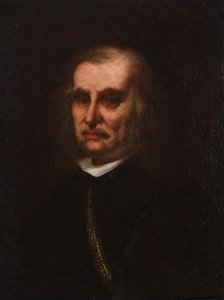
juan de miranda
1614 - 1685 , Spain
Quick Facts
- Artistic Movement Or Style: Spanish Baroque
- Artists Or Movements Influenced By This Artist:
- Mateo Cerezo
- Cabezalero
- Donoso
- Ledesma
- Sotomayor
- Artists Who Influenced This Artist: ['Diego Velázquez']
- Date Of Birth: 1614
- Date Of Death: 1685
- Full Name: Juan Carreño de Miranda
- Nationality: Spanish
- Notable Artworks:
- Charles II as Grandmaster
- Queen Mariana of Austria
- Duke of Pastrana's Portrait
- Place Of Birth: Avilés, Spain

