 Preview
 Send
Send Share
Share
 Details

 Download
 Similars
 X-Ray
X-Ray Diaporama
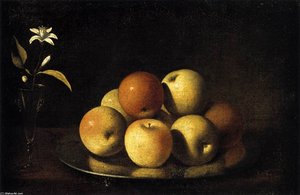
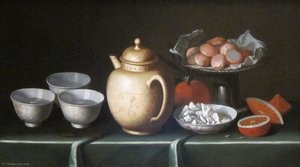
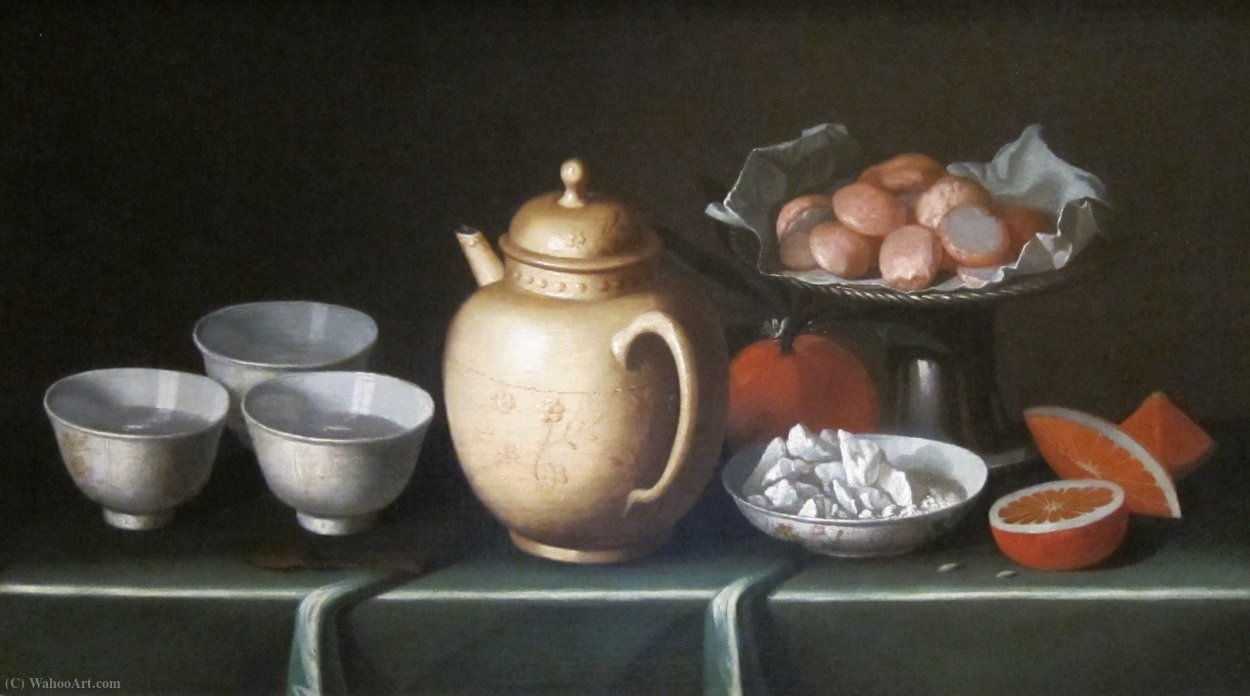
Still-life with Fruit and Pottery
 Read More
Hand Made Oil Reproduction
Hand-painted oil on canvas in your size and frame, made to order by our artists. ( Buy Print Buy Image)




































Pick from our preset sizes that match the artwork's original proportions.

You may enter your own dimensions to fit a specific frame or space. If your selected size does not match the original image's proportions, we will either crop the artwork or extend the painting with additional hand-painted elements. A digital mockup will be sent for your approval before production begins.
Please note that the on-screen preview does not reflect the actual cropping or extension. Only the mockup will accurately show the final composition.
While custom sizes are available, we recommend selecting a dimension from the predefined list to preserve the original proportions.
After order, ArtsDot.com team will email client for instructions and provide a mockup preview
Worldwide Delivery () in 3/4 weeks instead of standard 5 weeks. (21 August). No compromise on quality.

Free Worldwide Express Shipping

High-Quality Linen Canvas

Full Shipping Insurance

Customs Tax Refund Guarantee

True Color Matching Guarantee

60-Day Return Policy (Defects Only)

100% Money-Back Guarantee

Bulk Discount Offer
 Glass option is only available in size under 110 CM

Still-life with Fruit and Pottery
Reproduction Medium
Reproduction Size
-


Total Price
$ 263
Related Artworks
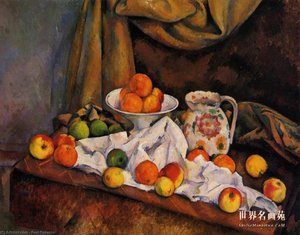
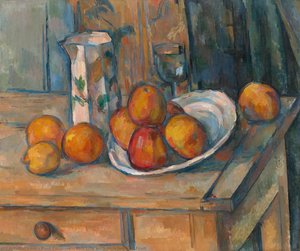
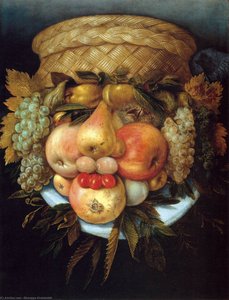
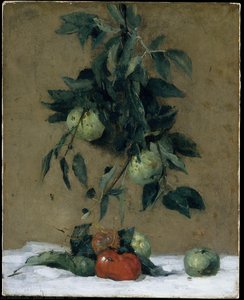
Artist Biography
Juan de Zurbarán: A Master of Shadow and Still Life
Juan de Zurbarán (1620 – 1649) stands as a singular figure in the history of Spanish Baroque painting, renowned primarily for his intensely dramatic still lifes—'bodegones’—that captured the essence of everyday objects with an unparalleled sense of realism and spiritual depth. Born in Llerena, Badajoz, the son of Francisco de Zurbarán, a respected artist already established in Seville, Juan was immersed in the artistic world from a young age, likely apprenticed to his father within his workshop. This familial connection profoundly shaped his early development, imbuing his work with a recognizable stylistic lineage while simultaneously fostering an independent and deeply personal vision.
His formative years were spent absorbing not only his father’s techniques but also the influences of other artistic currents circulating throughout Europe. The Dutch masters, particularly their meticulous attention to detail and mastery of light and shadow—a technique known as chiaroscuro—clearly impacted Zurbarán's approach. Similarly, Lombard painting, with its emphasis on religious subjects and a restrained palette, contributed to his aesthetic sensibilities. Furthermore, the influence of Neapolitan art, characterized by its dramatic lighting and focus on everyday life, added another layer to his artistic vocabulary. This confluence of influences resulted in a distinctive style that was both deeply rooted in tradition and remarkably innovative.
Zurbarán’s career, tragically cut short at the age of 29 by the devastating plague epidemic that ravaged Seville in 1649, unfolded during a period of significant artistic transition. While he initially benefited from his father's established reputation, Juan quickly distinguished himself through his unique ability to imbue inanimate objects with a palpable sense of life and spirituality. His still lifes were not merely depictions of fruit, pottery, and linens; they were meditations on mortality, faith, and the transient nature of earthly possessions. The stark contrasts between light and dark—a hallmark of his style—served to heighten this dramatic effect, creating an atmosphere of solemn contemplation.
The Anatomy of a Bodegón
Zurbarán’s still lifes are characterized by their meticulous realism and profound psychological depth. He possessed an extraordinary ability to render the textures and surfaces of everyday objects with astonishing accuracy—the rough weave of linen, the glossy sheen of fruit, the delicate folds of drapery. This commitment to detail was not simply a matter of technical skill; it served as a means of drawing the viewer into the scene, inviting them to contemplate the beauty and fragility of the natural world.
Crucially, Zurbarán’s still lifes were imbued with a spiritual dimension that set them apart from their contemporary counterparts. He often arranged his subjects in ways that subtly alluded to religious themes—a single loaf of bread might symbolize sacrifice, a scattering of fruit could represent abundance and temptation. The lighting itself played a key role in this symbolic language, casting certain objects into sharp relief while obscuring others in shadow, creating a sense of mystery and inviting interpretation.
His compositions were typically tightly framed, focusing the viewer’s attention on a small group of carefully selected objects. This compositional restraint further enhanced the dramatic effect, concentrating the viewer's gaze on the interplay of light and shadow and the subtle nuances of texture and color. The use of white draperies—a signature element of his style—provided a luminous backdrop for the darker, more substantial objects, creating a sense of ethereal beauty.
Notable Works and Influences
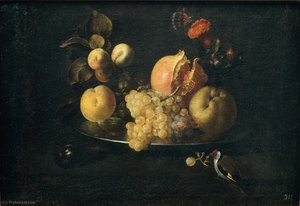
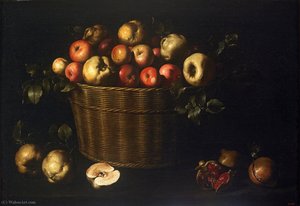
Among Zurbarán’s most celebrated works are ‘Still Life with Fruit and Goldfinch,’ preserved in the Museu Nacional d'Art de Catalunya, and ‘Still Life with Basket of Apples, Quinces and Pomegranates,’ also a significant piece. These paintings exemplify his mastery of light, shadow, and texture, as well as his ability to imbue ordinary objects with extraordinary beauty and spiritual significance.
His work has been compared to that of Caravaggio, not for stylistic similarity alone—though the dramatic use of chiaroscuro is a notable parallel—but also for its profound psychological intensity. However, Zurbarán’s style possesses a unique character, rooted in his Spanish artistic heritage and shaped by the influences he absorbed throughout his career. The works of Juan van der Hamen y (Gómez de) León, particularly his still lifes, served as a significant model for Zurbarán, demonstrating the potential of this genre to convey both realistic detail and spiritual depth.
Legacy and Historical Significance
Despite his tragically short career, Juan de Zurbarán left an indelible mark on the history of Spanish painting. His innovative approach to still life—his ability to transform ordinary objects into vehicles for profound contemplation—established him as a major figure in the Baroque period. His work continues to be admired today for its technical brilliance, emotional intensity, and spiritual depth.
His influence can be seen in the works of subsequent generations of Spanish painters, including Francisco de Zurbarán (his father), and Diego Velázquez. Zurbarán’s legacy extends beyond his individual paintings; he helped to establish still life as a legitimate genre within the art world, paving the way for future artists to explore its potential for both realism and symbolism.
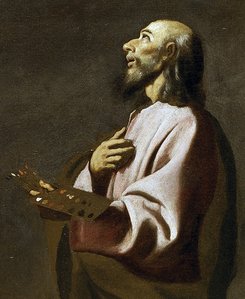
juan de zurbarán
1620 - 1649
Quick Facts
- Artistic Movement Or Style: Baroque (Still Life)
- Artists Or Movements Influenced By This Artist: ['Juan van der Hamen']
- Artists Who Influenced This Artist:
- Francisco de Zurbarán
- Dutch, Lombard, Neapolitan influences
- Date Of Birth: 1620
- Date Of Death: 1649
- Full Name: Juan de Zurbarán
- Nationality: Spanish
- Notable Artworks:
- Still Life with Fruit & Goldfinch
- Still Life with Basket Apples
- Place Of Birth: Llerena, Badajoz, Spain