

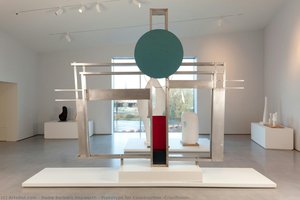
![Por América [josé Martí] — Juan Francisco Elso Padilla](/media/artworks/images-full/cc/7c/cc7c6cd0ceedfa6dc245c7acc0c1c266.jpg)
 Preview
 Send
Send Share
Share
 Details

 Download
 Similars
 X-Ray
X-Ray Diaporama
Por América [José Martí]
 Contemporary Realism
 1986
1986 144.0 x 43.0 cm
 The Bronx Museum of the Arts
 Read More
Giclée / Art Print
Museum-quality giclée or canvas print with fast production and flexible finish options. ( Buy Hand Made Painting Buy Image)




































Pick from our preset sizes that match the artwork's original proportions.

You may enter your own dimensions to fit a specific frame or space. If your selected size does not match the original image's proportions, we will either crop the artwork or extend the image with a mirrored or solid-fill edge. A digital mockup will be sent for your approval before production begins.
Please note that the on-screen preview does not reflect the actual cropping or extension. Only the mockup will accurately show the final composition.
While custom sizes are available, we recommend selecting a dimension from the predefined list to preserve the original proportions.
Worldwide Delivery () in 2 weeks instead of standard 4/5 weeks. (27 August)

Free Worldwide Express Shipping

High-Quality Linen Canvas

Full Shipping Insurance

Customs Tax Refund Guarantee

True Color Matching Guarantee

60-Day Return Policy (Defects Only)

100% Money-Back Guarantee

Bulk Discount Offer
 Glass option is only available in size under 110 CM

Por América [José Martí]
Giclée / Art Print
Reproduction Size
-


Total Price
$ 63
Related Artworks

Artist Biography
Juan Francisco Elso Padilla (1956-1988): A Sculptor’s Echoes of Cuba and Beyond
Juan Francisco Elso Padilla, born in Havana, Cuba, in 1956, emerged as a pivotal figure within the Cuban Renaissance movement of the late 1970s and early 1980s. His artistic trajectory was tragically cut short by leukemia in 1988 at the age of 32, leaving behind an oeuvre characterized by profound explorations of identity—particularly Cuban, Caribbean, and Latin American—infused with indigenous traditions and grappling with the legacies of colonialism. Despite his brief life span, Elso’s work resonated deeply within the artistic landscape of his time and continues to inspire contemplation on themes of spirituality, resilience, and cultural dialogue.- Early Life & Education: Elso pursued formal studies at Escuela Nacional de Bellas Artes “San Alejandro” in Havana from 1972 to 1976 and subsequently at Escuela Nacional de Arte in Havana during the same period. These formative experiences instilled a foundational understanding of artistic principles and techniques, shaping his subsequent creative endeavors. He also served as an instructor at the 20 de octubre School of Arts, contributing to the transmission of knowledge and fostering artistic development within Cuba’s educational system.
- Sculptural Practice & Materials: Elso distinguished himself through a distinctive sculptural approach rooted in meticulous observation of natural materials—mud, clay, straw, twigs, bark, and earth—primarily. He skillfully manipulated these elements to convey complex ideas about cultural heritage and the human condition. His sculptures weren’t merely objects; they were embodiments of symbolic narratives reflecting the multifaceted realities of Latin America.
Major Exhibitions & Recognition
Elso's artistic reputation gained international acclaim through a series of notable exhibitions that showcased his evolving vision and solidified his position as one of Cuba’s most significant sculptors. His debut solo exhibition, “Tierra, maíz, vida” (Earth, Corn, Life), held in 1982 at Casa de Cultura Plaza in Havana, presented an early manifestation of his artistic sensibilities—a striking wooden sculpture honoring José Martí. Subsequent exhibitions included “Ensayo sobre América” (Essay on America) at the same venue in 1986 and “Por América” at Museo Nacional de Bellas Artes México in 1990, demonstrating a sustained engagement with themes of cultural identity and political reflection. Furthermore, his work was featured prominently in *Latin American Spirituality. The sculpture of Juan Francisco Elso (1984-1988)* at MIT List Visual Arts Center in Boston in 1991 and *Signs of Transition: 80's Art from Cuba* at Museum of Contemporary Hispanic Art New York City in 1988, cementing his influence within the international art community. He received the First Prize in “Salón Paisaje’82”’, awarded by MNBA in 1982.Notable Works & Artistic Themes
Elso's sculptural output encompassed a remarkable range of projects, each imbued with symbolic depth and reflecting his preoccupation with profound questions concerning human existence and cultural heritage. Among his most celebrated pieces are “Caballo contra colibrí” (Horse Against Hummingbird), created around 1987-88—a masterful assemblage utilizing wood, paper, twigs, jute, wax, volcanic sand, earth, and iron—which embodies a potent visual metaphor for the confrontation between European warfare and indigenous spirituality. The sculpture’s meticulous construction and symbolic arrangement underscore Elso's commitment to conveying complex narratives about cultural identity and historical trauma. His installation “The Transparency of God” comprised two monumental sculptures crafted from twisted branches and a colossal suspended skull of twigs and canvas, representing an ambitious exploration of faith and mortality.Legacy & Influence
Juan Francisco Elso’s artistic legacy extends beyond his individual creations—he profoundly impacted the Cuban art scene and fostered dialogue between indigenous traditions and Western influences. His work continues to inspire artists and scholars alike, prompting reflection on themes of cultural resilience, spiritual contemplation, and the enduring power of symbolic representation. Despite his untimely demise, Elso Padilla's contribution to contemporary Cuban art remains indelible, securing his place as a visionary sculptor who captured the spirit of an era marked by both artistic innovation and socio-political transformation. Sources: Wikipedia, Phoenix Art Museum Catalogues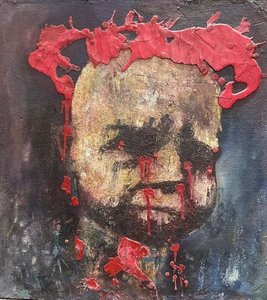
juan francisco elso padilla
1956 - 1988 , Cuba
Quick Facts
- Artistic Movement Or Style: Contemporary Cuban Art
- Date Of Birth: 1956 Havana Cuba
- Full Name: Juan Francisco Elso Padilla
- Nationality: Cuban
- Notable Artworks: ['Por América']
- Place Of Birth: Havana Cuba
Related Articles

Bronze Sculptures That Defined Art History | ArtsDot
Journey through art history with our Top 10 bronze sculptures! Explore masterpieces by Rodin, Michelangelo & more. Discover stories behind iconic statues and find museum-quality reproductions for your home decor at ArtsDot.com.

The Enduring Form: Exploring Themes & Techniques in Sculpture Across Historical Periods
Explore the rich history of sculpture from ancient masterpieces to contemporary innovations. Discover key techniques, influential artists & investment potential for discerning art collectors.

Goya's Masterpieces: Explore 25 Iconic Paintings & Art Prints | ArtsDot
Delve into the world of Francisco Goya with ArtsDot. Explore 25 iconic paintings – from 'The Third of May' to his haunting Black Paintings. Discover the stories, techniques & emotions behind these Spanish masterpieces. Find museum-quality art reproductions for your home at ArtsDot.com!

The Enduring Form: Sculpture Across History, Technique & Emotional Resonance
Explore the rich history of sculpture with ArtsDot. Discover key techniques, influential artists & investment potential for discerning collectors. Expert insights into valuing and collecting timeless masterpieces.

Bronze Age to Modern Masters: 10 Sculptures That Redefined Art | ArtsDot
Journey through art history with 10 legendary bronze sculptures – from Michelangelo's David to Rodin’s Thinker. Explore the stories, techniques & timeless beauty of these masterpieces. Find museum-quality reproductions & elevate your home decor on ArtsDot.com.
![Por América [José Martí]](/media/artworks/images-thumb/fb/49/fb4932192c42817bba44190e444ee141.jpg)

