 Preview
 Send
Send Share
Share
 Details

 Download
 Similars
 X-Ray
X-Ray Diaporama
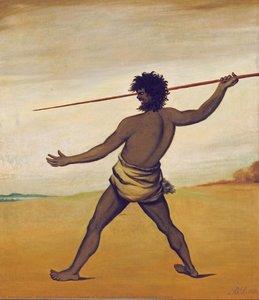
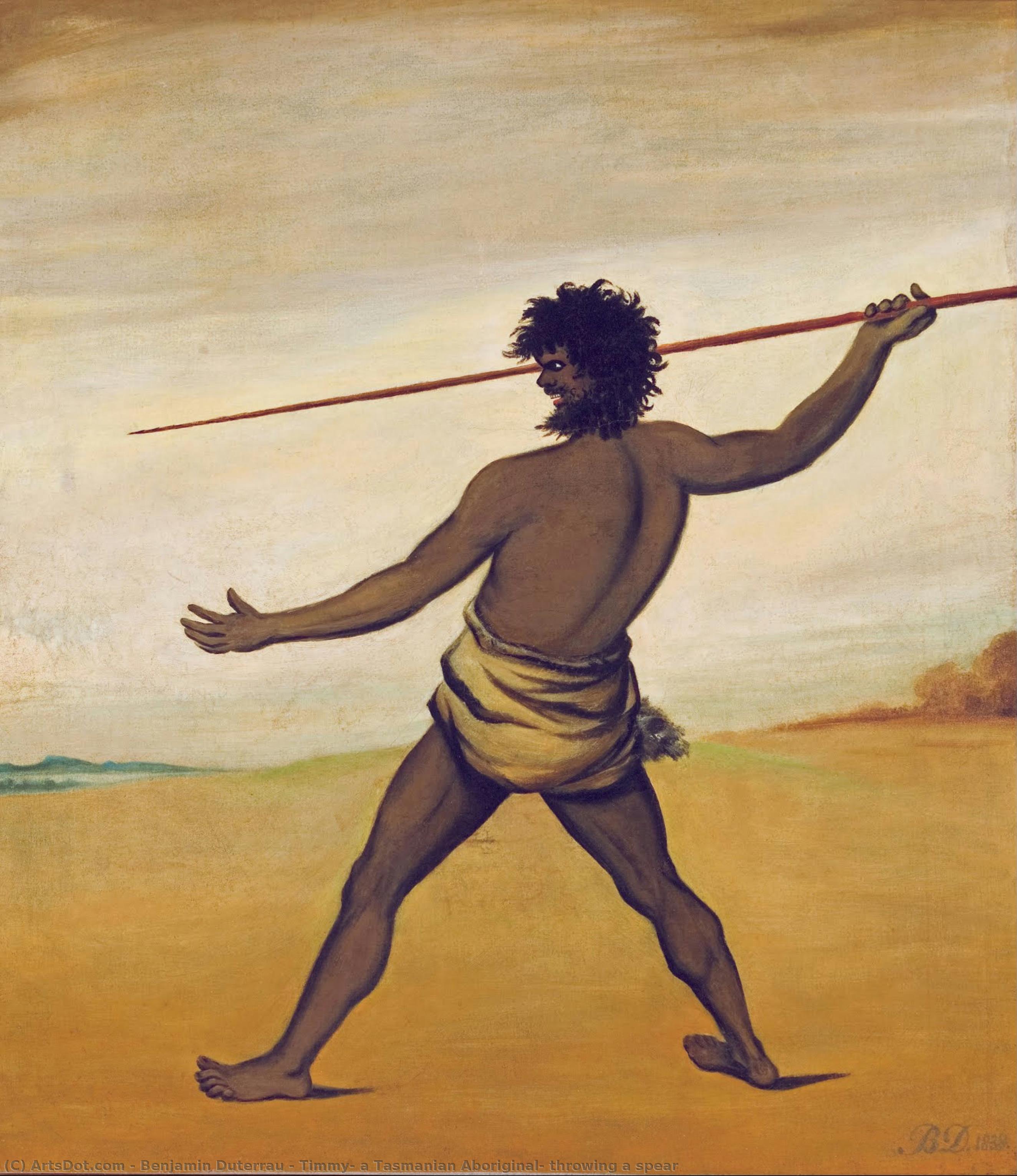
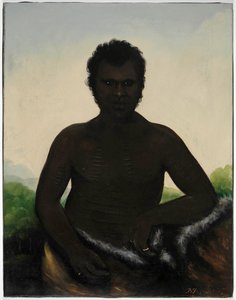
Timmy, a Tasmanian Aboriginal, throwing a spear
 Oil On Canvas
- WallArt
- Ethnographic Art
 1838
1838- 19th Century
 71.0 x 81.0 cm
 Art Gallery of South Australia
 Read More
Hand Made Oil Reproduction
Hand-painted oil on canvas in your size and frame, made to order by our artists. ( Buy Print Buy Image)




































Pick from our preset sizes that match the artwork's original proportions.

You may enter your own dimensions to fit a specific frame or space. If your selected size does not match the original image's proportions, we will either crop the artwork or extend the painting with additional hand-painted elements. A digital mockup will be sent for your approval before production begins.
Please note that the on-screen preview does not reflect the actual cropping or extension. Only the mockup will accurately show the final composition.
While custom sizes are available, we recommend selecting a dimension from the predefined list to preserve the original proportions.
After order, ArtsDot.com team will email client for instructions and provide a mockup preview
Worldwide Delivery () in 3/4 weeks instead of standard 5 weeks. (17 August). No compromise on quality.

Free Worldwide Express Shipping

High-Quality Linen Canvas

Full Shipping Insurance

Customs Tax Refund Guarantee

True Color Matching Guarantee

60-Day Return Policy (Defects Only)

100% Money-Back Guarantee

Bulk Discount Offer
 Glass option is only available in size under 110 CM

Timmy, a Tasmanian Aboriginal, throwing a spear
Reproduction Medium
Reproduction Size
-


Total Price
$ 263
Artwork Description
A Moment Frozen in Time: The Poignant Realism of Benjamin Duterrau
In the quiet, atmospheric depths of "Timmy, a Tasmanian Aboriginal, throwing a spear," we are transported back to the year 1838, witnessing a singular moment of focused intensity. This evocative oil painting by the renowned Benjamin Duterrau serves as more than just a portrait; it is a window into a vanishing world. The composition centers on Timmy, a solitary figure captured in the precise, muscular tension of mid-throw. As his spear cuts through the stillness, the viewer is drawn into a narrative of survival, skill, and the profound connection between man and the untamed landscape of colonial Tasmania. The painting possesses a haunting, historical gravity, achieved through a muted palette that evokes the soft, diffused light of an overcast coastal day.
Duterrau’s technique reflects his prestigious lineage, having studied under masters such as Thomas Gainsborough and William Hogarth. In this work, we see a masterful application of oil on canvas, where layered brushstrokes build a sense of physical presence and rugged texture. The artist employs a realistic style that prioritizes ethnographic documentation, yet he imbues the scene with an undeniable artistic soul. While the lines are primarily linear—defining the sharp trajectory of the spear and the sturdy form of the man—the background dissolves into a soft, atmospheric haze. This use of perspective, where the distant coastline fades into a bluish mist, creates a breathtaking sense of depth, making the sandy beach feel vast and the world beyond it infinitely mysterious.
Beyond its technical brilliance, the painting carries deep symbolic weight. The act of throwing the spear is not merely a display of hunting prowess; it represents the fundamental rhythm of life and the enduring spirit of the Tasmanian Aboriginal people. There is a profound dignity in Timmy’s posture, a quiet strength that resists the colonial gaze of the era. For the collector or interior designer, this piece offers a sophisticated blend of historical importance and aesthetic serenity. Its subdued tones and classical composition make it an exquisite centerpiece for a curated gallery wall or a refined study, providing a contemplative focal point that invites long periods of reflection on the intersection of human history and the natural world.
Related Artworks


Artist Biography
Benjamin Duterrau: Pioneer of Tasmanian Landscape and Indigenous Portraiture
Benjamin Duterrau (1767 – 1851) stands as a singular figure in Australian art history, recognized primarily for his groundbreaking depictions of Tasmania’s Aboriginal population and the broader narrative of colonial Australia. Born in England, he embarked on a remarkable journey that culminated in establishing himself as a respected artist and lecturer within the burgeoning Tasmanian colony. His artistic legacy transcends mere visual representation; it embodies an attempt to document and interpret a rapidly changing landscape and culture—a mission driven by both scientific curiosity and humanist empathy.- Early Life & Education: Duterrau’s formative years were spent honing his skills in England, where he studied under Thomas Gainsborough and William Hogarth – masters of portraiture and landscape painting respectively. These influences would profoundly shape his artistic style, prioritizing meticulous observation and capturing the essence of his subjects with remarkable accuracy.
- Migration to Tasmania & Patronage: Driven by a desire for intellectual stimulation and influenced by the burgeoning scientific exploration of Australia, Duterrau emigrated to Van Diemens Land (Tasmania) in 1827. He quickly gained favor with Governor Gipps, securing substantial patronage that enabled him to undertake ambitious artistic projects aimed at furthering colonial understanding.
- Notable Paintings: Among his most celebrated works is “The Conciliation,” a monumental canvas depicting the formal reconciliation ceremony between Aboriginal chiefs and Governor Gipps in 1836. This painting exemplifies Duterrau’s masterful technique, utilizing rich color palettes and dramatic lighting to convey both grandeur and solemnity. Similarly, "Truggernana," portraying a Tasmanian Aboriginal man, showcases his ability to capture nuanced expressions and psychological depth.
- Influence & Legacy: Duterrau's artistic endeavors contributed significantly to the development of Australian landscape painting and fostered a crucial dialogue about colonial encounters with Indigenous Australians. His work remains an important visual record of Tasmania’s early history and continues to inspire artists today. Furthermore, his commitment to portraying Aboriginal subjects with compassion cemented his place as one of Australia’s earliest humanist artists.
Benjamin Duterrau
1767 - 1851 , United Kingdom
Quick Facts
- Artistic Movement Or Style: Ethnographic painting
- Date Of Birth: 1767
- Full Name: Benjamin Duterrau
- Nationality: English
- Notable Artworks:
- Truggernana
- Timmy, a Tasmanian Aboriginal, throwing a spear
- Place Of Birth: England
Related Articles

The Enduring Legacy of Oil on Canvas: Technique, History & Aesthetic Impact
Explore the rich history & techniques of oil painting – from Renaissance masters to Impressionism. Discover pigments, layering methods, and why this timeless medium endures. Expert insights for artists & art enthusiasts.

Oil on Canvas: A Historical & Technical Exploration of a Timeless Artistic Medium
Explore the rich history & enduring techniques of oil painting on canvas. Discover the science behind its longevity, conservation practices, and contemporary relevance. Expert insights for art enthusiasts.

The Enduring Power of Painting: A Historical & Contemporary Exploration of Form and Emotion
Explore the rich history & enduring techniques of oil painting with ArtsDot. Discover masterpieces, learn about art collecting, and find authentic handmade reproductions crafted by skilled artists.

The Enduring Legacy of Oil on Canvas: Technique, History & Contemporary Practice
Explore the rich history & enduring techniques of oil painting on canvas. Discover the science behind its longevity, conservation practices, and contemporary relevance. Expert insights for art enthusiasts.
Oil on Board Masters: 10 Paintings That Redefined Art | ArtsDot
Explore 10 legendary 'Oil on Board' masterpieces by Van Gogh, Monet & more! Discover art history, iconic styles like Impressionism, and find museum-quality reproductions to elevate your home decor. Explore the full collection online at ArtsDot.com.