

 Preview
 Send
Send Share
Share
 Details

 Download
 Similars
 X-Ray
X-Ray Diaporama
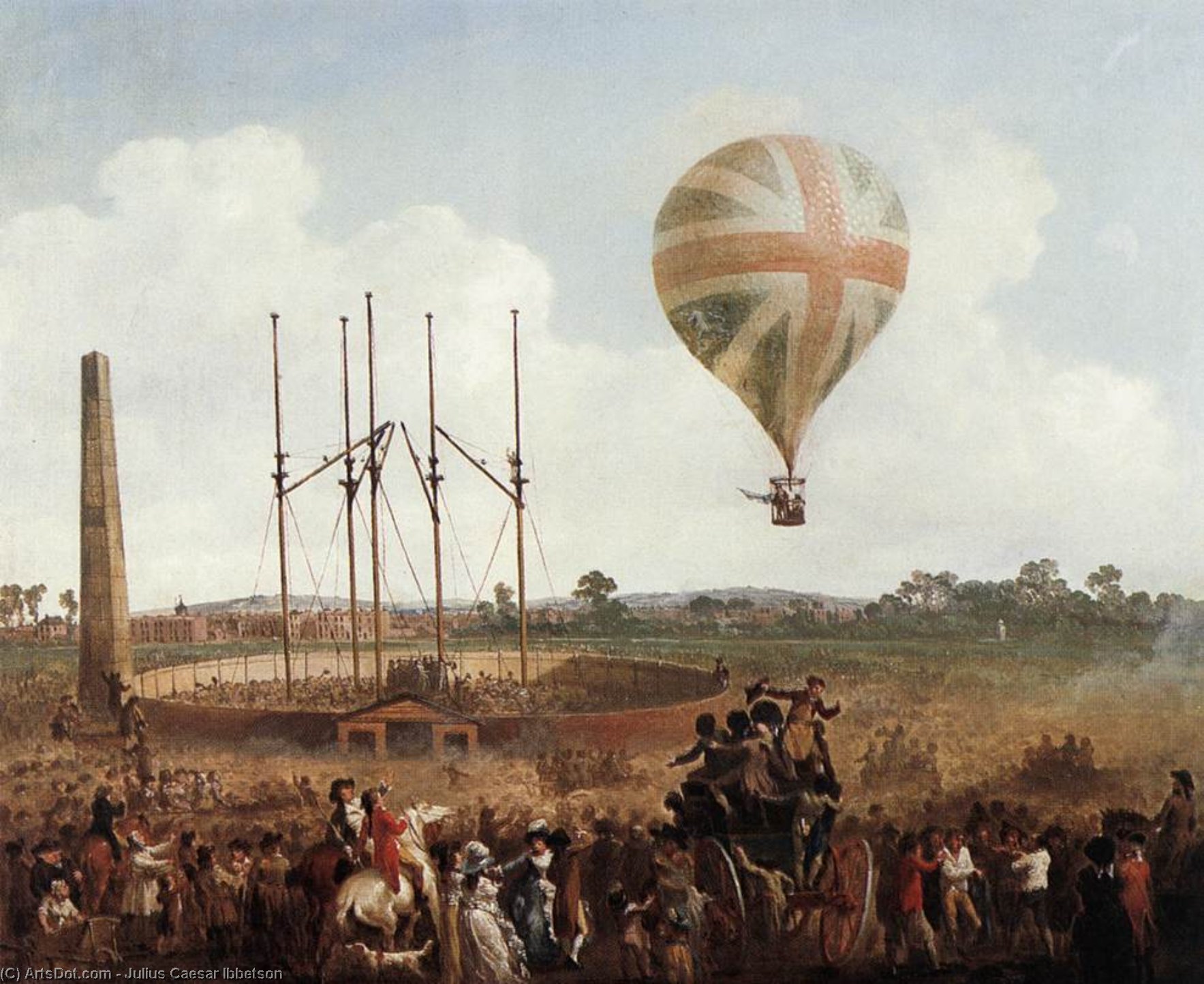
George Biggins' Ascent in Lunardi' Balloon
 Acrylic On Canvas
- WallArt
- Romanticism
 1785
1785 50.0 x 61.0 cm
 Neue Pinakothek
 Read More
Purchase a high-resolution, enhanced digital image, far superior to the online preview.
Each file is meticulously prepared by our in-house specialists using advanced tools and expert manual retouching. We ensure every image has exceptional clarity, precise color accuracy, and fine detail.
The final file is delivered via email within 72 hours, optimized for immediate use in professional, editorial, and print environments. This is the same quality trusted by top-tier design studios, publishers, and galleries.
Digital Image
Download a high-resolution file for personal display, printing, and creative projects. ( Buy Print Buy Hand Made Painting)
Included in Every Digital Image Order
Expert Digital Delivery, Guaranteed
When you choose ArtsDot.com, you're not just getting an image - you're receiving a professionally enhanced digital artwork, crafted with precision and backed by a satisfaction guarantee. Here's everything that comes with your order, automatically:

Fast Email Delivery
Your high-resolution digital image file will be emailed to you within 72 hours of ordering - ready for immediate use.

AI-Enhanced Digital File
Your artwork is professionally optimized using advanced AI tools and manual editing, ensuring maximum detail, clarity, and color accuracy.

Free Lifetime Re-Delivery
Accidentally deleted or lost your file? No worries - we'll resend it to you anytime, free of charge.

No Import Fees - Ever
Enjoy your artwork instantly with zero customs, duties, or delivery fees - digital downloads are always tax-free.

Color Accuracy Guarantee
We ensure your digital image reflects the original colors as closely as possible using professional tools and color management.

60-Day Satisfaction Guarantee
If you're not satisfied with your digital image, we'll revise it or refund 100% within 60 days - no questions asked.

100% Money-Back Guarantee
Not satisfied? Get a full refund within 60 days of receiving your digital file - no questions asked.

Bulk Order Discounts
Buy 3 images, save 10% - Buy 5, save 15% - Buy 10+, save 20%. Great for creative projects, galleries, and agencies.
Collectible Description
George Biggins' Ascent in Lunardi Balloon – A Triumph of Romantic Vision
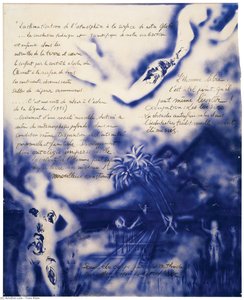
The painting “George Biggins’ Ascent in Lunardi Balloon,” attributed to Julius Caesar Ibbetson, stands as a remarkable testament to the burgeoning spirit of Romanticism in England during 1785. More than just a depiction of an aeronautical spectacle, it embodies the era's fascination with exploration, imagination, and the sublime beauty of nature—themes that would dominate artistic discourse for decades to come.- Subject Matter: The scene captures a bustling crowd gathered around a colossal hot air balloon emblazoned with the British flag. Amidst this vibrant tableau are two majestic horses, strategically positioned to heighten the grandeur and dynamism of the composition.
- Style & Technique: Ibbetson’s masterful brushwork exemplifies the Romantic style's preference for expressive color palettes and dramatic lighting. He employs loose, swirling strokes to convey movement—the balloon’s ascent against a turbulent sky—creating an atmosphere charged with excitement and anticipation. The artist skillfully utilizes chiaroscuro, contrasting light and shadow, to sculpt the figures and balloons, emphasizing their solidity amidst the ethereal expanse of the heavens.
- Symbolism: Beyond its literal representation of a balloon voyage, the artwork speaks to broader symbolic ideas. The balloon itself represents aspiration, progress, and the pursuit of knowledge—values central to Romantic thought. Its flight upward symbolizes overcoming obstacles and reaching for lofty ideals.
- Considerations for Collectors & Designers: Reproductions of “George Biggins’ Ascent” offer an opportunity to bring a piece of Romantic history into contemporary interiors. Its bold colors and dynamic composition lend themselves particularly well to large-scale prints or murals, injecting energy and sophistication into any space.
Related Artworks


Artist Biography
Early Life and Background
- Born: December 29, 1759, at Farnley Moor, Leeds, United Kingdom
- Died: October 13, 1817, Masham, Yorkshire, United Kingdom
- Parents: Richard Ibbetson (clothier from Yorkshire) and Rebecca Mortimer.
- Unique Name Origin: Received the name "Julius Caesar" due to his birth via Caesarean section, a rare procedure at the time. He attempted to conceal this fact throughout his life.
- Early Education: Attended local Moravian community schools and Quaker schools in Leeds, receiving an unusually thorough education for the period.
- Apprenticeship: Served as an apprentice to John Fletcher, a ship painter in Hull, from 1772 to 1777. This early experience provided foundational skills despite his artistic aspirations.
Artistic Development and Key Works
- Early Career (London): Moved to London around 1780, initially working as a picture restorer before pursuing painting full-time.
- Royal Academy Exhibitions: Began exhibiting at the Royal Academy in 1785, gaining recognition for his landscapes and portraits. Notable early works include *View of North Fleet* (1785) and *George Biggin* (1783).
- Embassy to Peking (China): Served as draughtsman on the first British embassy to Peking (Beijing) from 1787-1789. This experience exposed him to new subjects and landscapes, resulting in numerous watercolor drawings of flora and fauna.
- Welsh Landscapes: Spent considerable time in Wales, commissioned by Viscount Mountstuart, documenting the scenery and industrial developments of the region. These works are significant for their detailed depictions of iron furnaces, coal staithes, and copper mines.
- Maritime Scenes & Smugglers: Following a visit to the Isle of Wight in 1790, Ibbetson began painting shipwrecks and scenes depicting smugglers, adding variety to his artistic repertoire.
- Kenwood House Decoration: Decorated Kenwood House for David Murray, 2nd Earl of Mansfield, from 1794 onwards, a significant commission that helped him overcome personal hardship following the death of his first wife.
Influences and Artistic Style
- Dutch Masters: Ibbetson's style was influenced by Dutch landscape painters, particularly Berchem, leading Benjamin West to describe him as "the Berchem of England."
- Gainsborough Tradition: His early portraiture, such as *George Biggin*, reflects the influence of Thomas Gainsborough.
- Topographical Painting: Ibbetson's work falls within the tradition of topographical painting, documenting landscapes and scenes of everyday life.
- Detailed Observation: Known for his meticulous attention to detail and ability to capture the character of people and animals in his paintings.
- Watercolor Technique: Masterful use of watercolor techniques, creating delicate and expressive works.
Later Life and Legacy
- Move to Liverpool & Edinburgh Patronage: Moved to Liverpool around 1798 and later settled in Ambleside, benefiting from the patronage of William Roscoe, Sir Henry Nelthorpe, and the Countess of Balcarres.
- Instruction Manual: Published *An Accidence, or Gamut, of Painting in Oil* (1803), a manual for aspiring artists.
- Final Years in Masham: Spent his final years in Masham, Yorkshire, supported by the philanthropist William Danby.
- Historical Significance: Ibbetson's work provides valuable insights into 18th-century British life, industry, and landscape. His depictions of early industrial developments in Wales are particularly noteworthy.
- Precursor to Later Artists: Considered a precursor to J.M.W. Turner and Joseph Wright of Derby, influencing the development of British landscape painting.
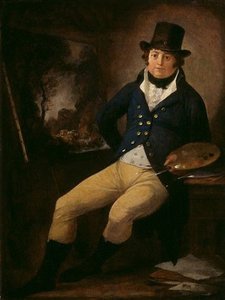
Julius Caesar Ibbetson
1759 - 1817 , United Kingdom
Quick Facts
- Artistic Movement Or Style: Landscape and watercolour painting
- Artists Or Movements Influenced By This Artist:
- J.M.W. Turner
- Joseph Wright of Derby
- Artists Who Influenced This Artist:
- Dutch masters
- Thomas Gainsborough
- Date Of Birth: December 29, 1759
- Date Of Death: October 13, 1817
- Full Name: Julius Caesar Ibbetson
- Nationality: British
- Place Of Birth: Leeds, United Kingdom

