 Preview
 Send
Send Share
Share
 Details

 Download
 Similars
 X-Ray
X-Ray Diaporama
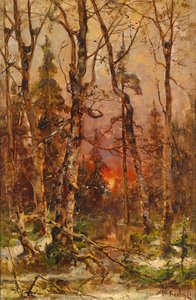
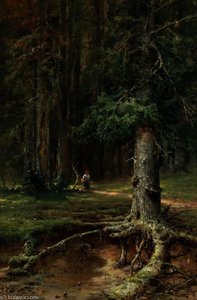
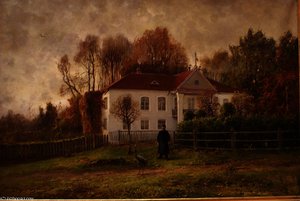
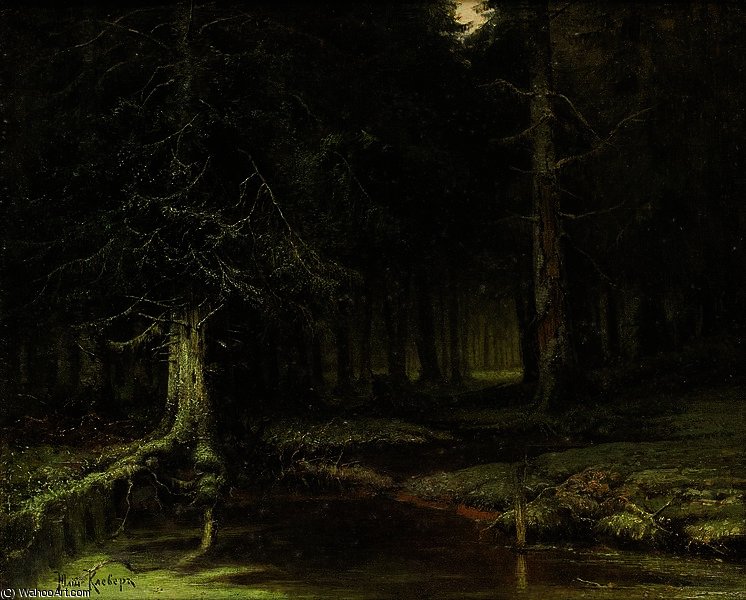
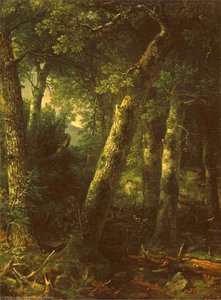
Ein Blick in den Wald während der Dämmerung

 Read More
Giclée / Art Print
Museum-quality giclée or canvas print with fast production and flexible finish options. ( Buy Hand Made Painting Buy Image)




































Pick from our preset sizes that match the artwork's original proportions.

You may enter your own dimensions to fit a specific frame or space. If your selected size does not match the original image's proportions, we will either crop the artwork or extend the image with a mirrored or solid-fill edge. A digital mockup will be sent for your approval before production begins.
Please note that the on-screen preview does not reflect the actual cropping or extension. Only the mockup will accurately show the final composition.
While custom sizes are available, we recommend selecting a dimension from the predefined list to preserve the original proportions.
Worldwide Delivery () in 2 weeks instead of standard 4/5 weeks. (23 August)

Free Worldwide Express Shipping

High-Quality Linen Canvas

Full Shipping Insurance

Customs Tax Refund Guarantee

True Color Matching Guarantee

60-Day Return Policy (Defects Only)

100% Money-Back Guarantee

Bulk Discount Offer
 Glass option is only available in size under 110 CM

Ein Blick in den Wald während der Dämmerung
Giclée / Art Print
Reproduction Size
-


Total Price
$ 63
Related Artworks

Artist Biography
A Visionary of the Frost: The Life and Legacy of Julius Sergius von Klever
Julius Sergius von Klever was far more than a mere chronicler of the seasons; he was a poet of the atmosphere, a painter who captured the very breath of the Russian winter. Born on January 31, 1850, to a Baltic German family in Tartu, his early life was shaped by a unique intersection of scientific precision and romantic sensibility. The son of a chemist specializing in pharmacology, Klever inherited a keen eye for detail and an appreciation for the structural complexities of the natural world. His initial artistic guidance came from the esteemed Konstantin von Kügelment, but it was his time at the Imperial Academy of Fine Arts that would truly forge his destiny. Though he originally pursued architecture under his father's firm encouragement, the call of the landscape proved irresistible, leading him to study under masters such as Sokrat Vorobiev and Mikhail Clodt, whose influence infused his work with a profound sense of light and movement.The Mastery of Light and Atmospheric Storytelling
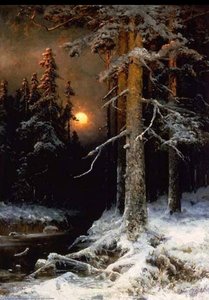
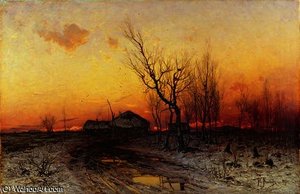
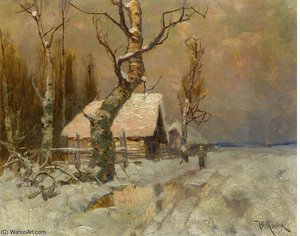
Klever’s artistry is defined by an unparalleled ability to manipulate the ephemeral qualities of light and texture. He possessed a near-impressionistic brilliance, capable of rendering the biting chill of a twilight frost or the warm, amber glow of a setting sun with equal virtuosity. In his most celebrated works, such as Winter landscape at setting sun, one does not simply see snow; one feels the weight of the pristine powder and the sharp, brittle edges of ice-covered bark. He mastered the delicate interplay between the crystalline whites of a frozen world and the deepening, melancholic blues of an approaching night. His compositions often guide the viewer through a rhythmic journey—from the tactile, intricate details of skeletal trees in the foreground to the distant, glowing embers of a fire that symbolizes human persistence against the vast, indifferent beauty of the wilderness.A Journey Through Triumph and Recognition
The trajectory of Klever’s career was marked by moments of extraordinary distinction that defied the rigid structures of academic tradition. Despite a perplexing expulsion from the Academy in 1870, his determination remained unshaken. His debut solo exhibition at the Imperial Society for the Encouragement of the Arts in 1874 became a watershed moment, capturing the attention of Tsar Alexander II and earning him the prestigious title of "Artist" directly from the academy. This recognition opened the doors to the highest echelons of Russian society. His works found homes in the private collections of the Imperial Family, including Tsar Alexander III, and were sought after by legendary collectors like Pavel Tretyakov. These achievements were often fueled by his adventurous spirit, such as his 1878 expedition to Nargen Island with the actor Vasily Samoylov, which yielded landscapes that remain benchmarks of Romanticism.Historical Significance and Artistic Enduring Spirit
As a bridge between the Romantic traditions of the 19th century and the burgeoning atmospheric explorations of the early 20th century, Klever holds a singular place in art history. His ability to blend scientific observation with emotional depth allowed him to create landscapes that are both geographically evocative and spiritually resonant. He did not merely paint scenery; he painted the soul of the Russian landscape—its solitude, its grandeur, and its quietest rhythms. Today, his legacy lives on through:- The technical perfection of his oil paintings, which continue to inspire awe for their textural complexity.
- The emotional resonance of his winter scenes, which capture a sense of profound peace and seasonal transition.
- His historical role as a favored painter of the Russian Imperial court, representing the pinnacle of Baltic German-Russian artistic synthesis.
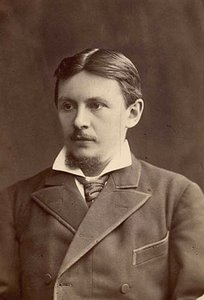
julius sergius von klever
1830 - 1924 , Russia
Quick Facts
- Artistic Movement Or Style: Romanticism
- Artists Who Influenced This Artist:
- Konstantin von Kügelgen
- Sokrat Vorobiev
- Mikhail Clodt
- Date Of Birth: 1850
- Date Of Death: 1924
- Full Name: Julius Sergius von Klever
- Nationality: Russian & Baltic German
- Notable Artworks:
- Abandoned Mill
- The Snowy Banks Of The River
- The Hues Of The Setting Sun
- Place Of Birth: Tartu, Russia
Related Articles

Romantic Landscapes: 10 Masterpieces for Your Home | ArtsDot
Journey through 10 Romantic landscape masterpieces by Friedrich, Turner & Cole. Explore emotional art, sublime nature scenes & iconic 19th-century paintings. Find museum-quality reproductions for your home at ArtsDot.com – discover the full collection online!
The Enchanted Canopy: Exploring Forests in Art History – From Romantic Idealization to Ecological Consciousness
Explore the rich history of forests in art! Discover Romantic masterpieces by Friedrich & Monet, Symbolist depths, and contemporary visions. Find inspiration & quality reproductions at ArtsDot.

Evocations of Place: A Historical Journey Through Landscape Art
Explore the rich history of landscape art with ArtsDot. Discover renowned artists, movements like Impressionism & Romanticism, and expert guidance for collecting timeless pieces. Find your perfect serene escape today!
The Sublime and the Picturesque: Exploring Emotion & Nature in Romantic Landscape Painting
Explore the emotional power of Romantic landscape painting! Discover the sublime & picturesque traditions, key artists like Friedrich & Cole, and find your perfect artwork at ArtsDot.

John Constable's Masterpieces: Explore 25 Iconic Landscapes for Your Home
Journey through John Constable's 25 most celebrated landscapes. Explore Romanticism, Dedham Vale & his masterful use of light in iconic paintings like 'Hay Wain'. Find museum-quality art reproductions and elevate your home decor on ArtsDot.com.