 Preview
 Send
Send Share
Share
 Details

 Download
 Similars
 X-Ray
X-Ray Diaporama
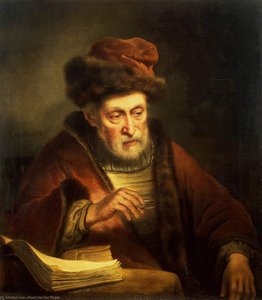
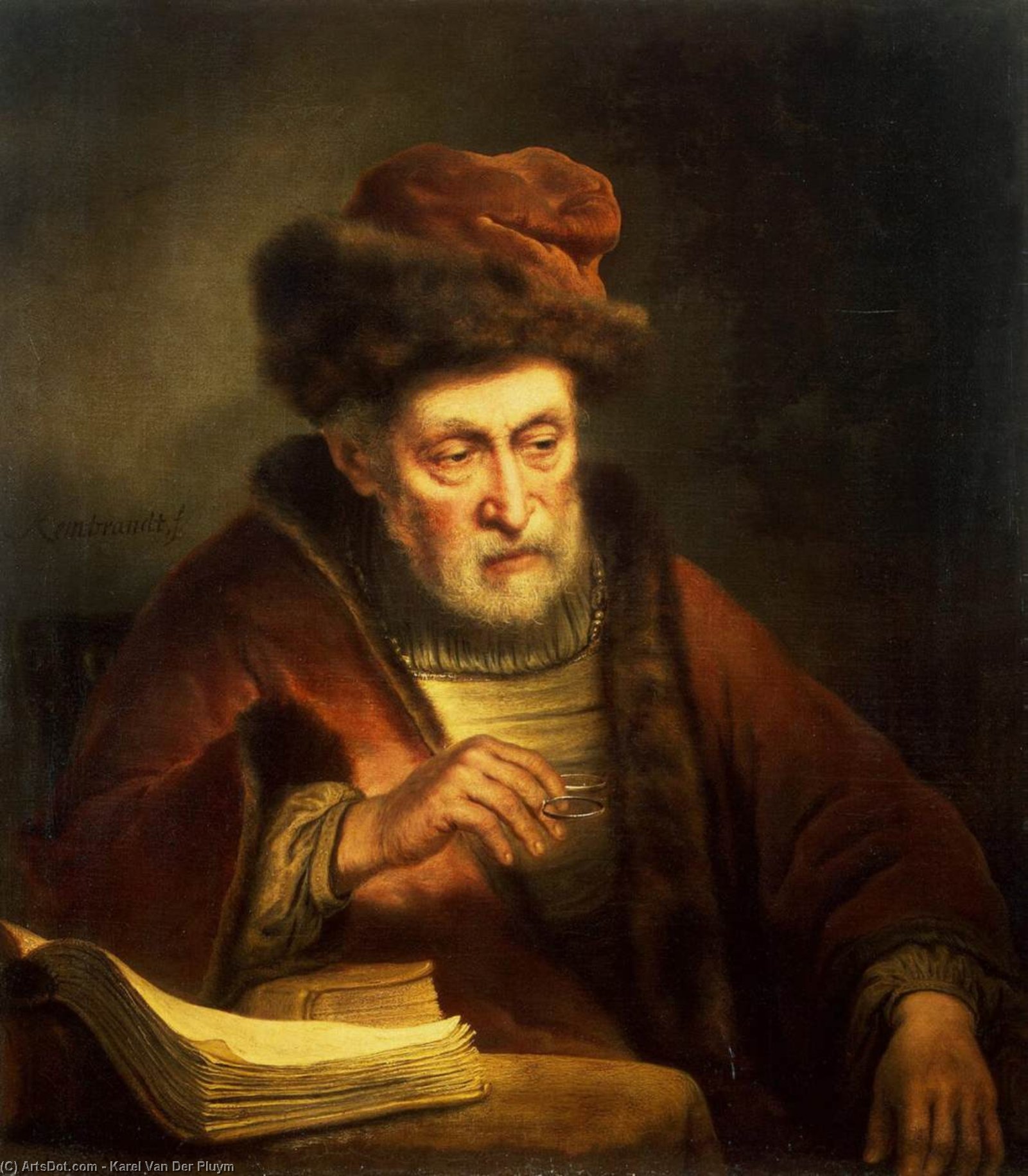
Old Man Holding a Pair of Spectacles
 Oil On Canvas
- WallArt
- Baroque
 Early Modern
 87.0 x 76.0 cm
 Hermitage Museum
 Read More
Hand Made Oil Reproduction
Hand-painted oil on canvas in your size and frame, made to order by our artists. ( Buy Print Buy Image)




P118B $10

P118H $10

P118W $10

P438Z $10

P508JH $12

P508YH $12

P805H $10

P805Z $10

P919BZ $10

P919G $10

P919XJ $10

P959ZH $10

P968JZ $12

W106C $8

W218G $10

W218JH $8

W218Y $10

W307PJ $10

W316G $10

W316PJ $8

W316Y $10

W398PJ $8

W4111J $10

W500HY $15

W500JH $15

W692G $12

W849H $8

W940BG $15

W953PJ $8




Pick from our preset sizes that match the artwork's original proportions.

You may enter your own dimensions to fit a specific frame or space. If your selected size does not match the original image's proportions, we will either crop the artwork or extend the painting with additional hand-painted elements. A digital mockup will be sent for your approval before production begins.
Please note that the on-screen preview does not reflect the actual cropping or extension. Only the mockup will accurately show the final composition.
While custom sizes are available, we recommend selecting a dimension from the predefined list to preserve the original proportions.
After order, ArtsDot.com team will email client for instructions and provide a mockup preview
Worldwide Delivery () in 3/4 weeks instead of standard 5 weeks. (22 August). No compromise on quality.

Free Worldwide Express Shipping

High-Quality Linen Canvas

Full Shipping Insurance

Customs Tax Refund Guarantee

True Color Matching Guarantee

60-Day Return Policy (Defects Only)

100% Money-Back Guarantee

Bulk Discount Offer
 Glass option is only available in size under 110 CM

Old Man Holding a Pair of Spectacles
Reproduction Medium
Reproduction Size
-


Total Price
$ 263
Artwork Description
A Glimpse into Contemplation: The Wisdom of Old Age
To stand before this portrait is to step across the threshold of time itself. It is an intimate encounter with profound thought, captured in the likeness of an elderly scholar or scribe. The subject commands attention not through grand gesture, but through the quiet dignity etched into his face and hands. Every wrinkle seems a testament to a life richly lived, every gaze suggesting volumes of unwritten knowledge. This piece transcends mere portraiture; it is a meditation on the passage of years, the accumulation of wisdom, and the enduring human capacity for introspection. The overall impression is one of deep contemplation, inviting the viewer to slow their own hurried pace and join the man in his quiet study.
Mastery in Shadow and Light: Technique and Style
The technical brilliance at play here immediately recalls the unparalleled genius of Rembrandt, a lineage that Karel van der Pluym masterfully inherited. The artist employs dramatic chiaroscuro—the stark interplay between deep shadow and brilliant illumination—to sculpt the very contours of the man’s features. Light does not merely fall upon him; it seems to emanate from his thoughts, selectively highlighting the texture of his beard, the thoughtful curve of his brow, and the spectacles held near his face. Observe the handling of paint: the rich, palpable quality of impasto is evident in every thick brushstroke, giving the beard and clothing a tangible, almost sculptural volume. The palette, dominated by warm ochres, deep browns, and velvety blacks, anchors the piece in the solemn grandeur of the Baroque era.
The Hand of Karel van der Pluym: A Historical Echo
This work is attributed to Karel van der Pluym, an artist whose career was deeply informed by the intellectual currents of 17th-century Leiden. His connection to Rembrandt provided him with a profound understanding of psychological depth in painting. Van der Pluym channels that mentorship into this portrait, creating a figure steeped in humanist ideals—a man whose erudition is as visible as his attire. Owning a reproduction of this piece allows one to connect directly with the vibrant artistic exchange of the Dutch Golden Age, bringing home a tangible echo of scholarly life and masterful craftsmanship.
Symbolism for the Modern Dwelling
For the collector or designer, this artwork offers more than mere decoration; it provides an atmosphere. The symbolism inherent in the spectacles and the aged hands speaks to the value of accumulated experience—a potent reminder in our fast-paced world. Placing such a piece in a study, library, or drawing-room imbues the space with instant gravitas and intellectual warmth. It suggests that within these walls, deep thought is encouraged, and knowledge is revered. The rich textures and dramatic lighting make it an unparalleled focal point, capable of elevating any interior setting from merely decorated to truly evocative.
Related Artworks

Artist Biography
Early Life and Artistic Beginnings
Karel van der Pluym (b. Leiden, Netherlands, 1625; d. Leiden, 1672) emerged from the intellectual ferment of Leiden University during a period marked by humanist scholarship and burgeoning artistic innovation. Born into a family steeped in mercantile tradition—his father was a prominent draper—van der Pluym’s upbringing fostered an appreciation for both commerce and erudition. Unlike many artists of his time who hailed from aristocratic backgrounds, van der Pluym's path to mastery was forged through self-discipline and relentless pursuit of knowledge. His formative years were spent absorbing the humanist ideals championed by Erasmus and Grotius, shaping his worldview and informing his artistic sensibilities. Notably, he studied under Rembrandt Harmenszoon van Rijn, arguably the most influential painter of his era—a relationship that proved pivotal in establishing van der Pluym’s distinctive style. This mentorship instilled within him a profound understanding of chiaroscuro technique and psychological realism—elements that would become hallmarks of his oeuvre.Rembrandt's Influence and Artistic Style
The impact of Rembrandt on van der Pluym’s artistic development cannot be overstated. Their collaboration extended beyond mere instruction; it fostered a reciprocal exchange of ideas and stylistic considerations. Rembrandt’s masterful use of light and shadow—a technique known as chiaroscuro—served as an exemplar for van der Pluym, who meticulously honed his ability to convey emotion through dramatic contrasts. Furthermore, Rembrandt's exploration of human psychology—his depiction of inner turmoil and vulnerability—inspired van der Pluym to delve into the complexities of character portrayal. Unlike Rembrandt’s tendency toward idealized figures, van der Pluym favored a more grounded approach, capturing the subtle nuances of age and experience with remarkable sensitivity. His portraits often reveal glimpses of inner life—a characteristic that distinguishes him from many contemporaries who prioritized formal beauty over psychological depth. The artist's meticulous attention to detail—particularly in rendering textures and surfaces—further solidified his reputation as a virtuoso draftsman and painter.Notable Paintings and Genre Scenes
Karel van der Pluym’s artistic output encompassed both portraiture and genre scenes, reflecting the broader trends of Dutch Baroque art. Among his most celebrated works is “Old Man Holding Spectacles,” a hauntingly realistic depiction of an elderly gentleman—a piece that exemplifies van der Pluym's mastery of chiaroscuro and psychological observation. The painting captures not merely physical appearance but also the profound wisdom conveyed by age, rendered with exquisite precision. Another significant contribution to Dutch art history is “Man in Armor (Mars?)”, a dramatic portrayal of a warrior imbued with symbolic significance—a testament to van der Pluym’s ability to infuse his canvases with narrative and emotional resonance. The artist's meticulous rendering of armor and drapery demonstrates his technical prowess, while the figure’s posture and gaze convey an aura of solemn contemplation. Beyond these iconic portraits, van der Pluym produced numerous genre scenes—domestic interiors populated by ordinary individuals—that offer valuable insights into daily life during the seventeenth century. These paintings showcase van der Pluym's keen eye for capturing human emotion and social interaction—qualities that elevate them beyond mere decorative representations.Legacy and Historical Significance
Karel van der Pluym’s legacy extends far beyond his individual achievements as a painter. He stands alongside Rembrandt and Rubens as one of the foremost artists of the Dutch Golden Age—a period characterized by unprecedented artistic flourishing and intellectual dynamism. His work embodies the humanist spirit of the era, prioritizing psychological realism and emotional depth over superficial grandeur. Van der Pluym’s influence can be discerned in subsequent generations of painters who sought to emulate his stylistic innovations—particularly his masterful use of chiaroscuro and his profound understanding of human character. Moreover, his paintings serve as invaluable documents of seventeenth-century Dutch society—providing glimpses into the lives of merchants, scholars, and warriors alike. Today, van der Pluym’s oeuvre continues to captivate audiences worldwide—a testament to the enduring power of art to transcend time and communicate universal truths about human experience. His contribution to Dutch artistic heritage remains undeniable—solidifying his place among the titans of Baroque painting.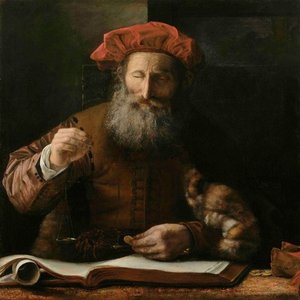
karel van der pluym
1625 - 1672 , Netherlands
Quick Facts
- Artistic Movement Or Style: Revue theatre
- Artists Or Movements Influenced By This Artist:
- Wim Sonneveld
- Tom Manders
- Artists Who Influenced This Artist:
- Theo Reggers
- Huug Kok
- Full Name: André van Duin
- Nationality: Dutch
- Notable Artworks: ['Hé Hé, ik ben André']
- Place Of Birth: Rotterdam
Related Articles

Rembrandt's Masterpieces: Explore 25 Iconic Paintings & Prints | ArtsDot
Journey through Rembrandt van Rijn's 25 most iconic paintings & etchings. Explore Dutch Golden Age masterpieces, dramatic chiaroscuro, and timeless portraits. Find museum-quality art reproductions to elevate your home decor on ArtsDot.com.

Dutch Masters: 10 Golden Age Paintings That Still Inspire |
Journey into the Dutch Golden Age! Explore 10 iconic paintings by Rembrandt, Vermeer & Hals. Discover the stories behind these Baroque masterpieces and find museum-quality art reproductions to elevate your home decor on .

Dutch Baroque Masters: 10 Paintings That Shaped an Era | ArtsDot
Journey through the Golden Age with our guide to the Top 10 Dutch Baroque masterpieces! Explore iconic paintings by Rembrandt, Vermeer & Frans Hals. Find museum-quality art reproductions and elevate your home decor at ArtsDot.com.
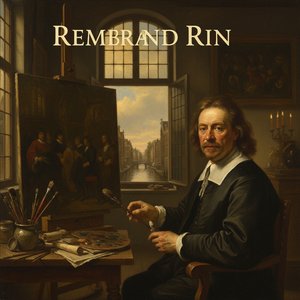
Rembrandt van Rijn: A Life Illuminated – Innovation, Emotion, and the Dutch Golden Age
Explore the life & art of Rembrandt van Rijn, a Dutch Golden Age master. Discover his innovative techniques, iconic paintings like 'The Night Watch', and enduring legacy. Expert insights for collectors & enthusiasts.

Illuminating Innovation: Exploring the Dutch Golden Age of Painting
Explore the Dutch Golden Age of painting with ArtsDot. Discover Rembrandt, Vermeer & other Masters. Learn about key characteristics, iconic artworks, and lasting influence. Expert insights for collectors & enthusiasts.