 Preview
 Send
Send Share
Share
 Details

 Download
 Similars
 X-Ray
X-Ray Diaporama
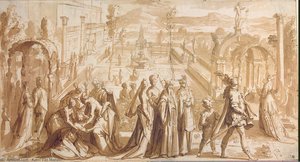
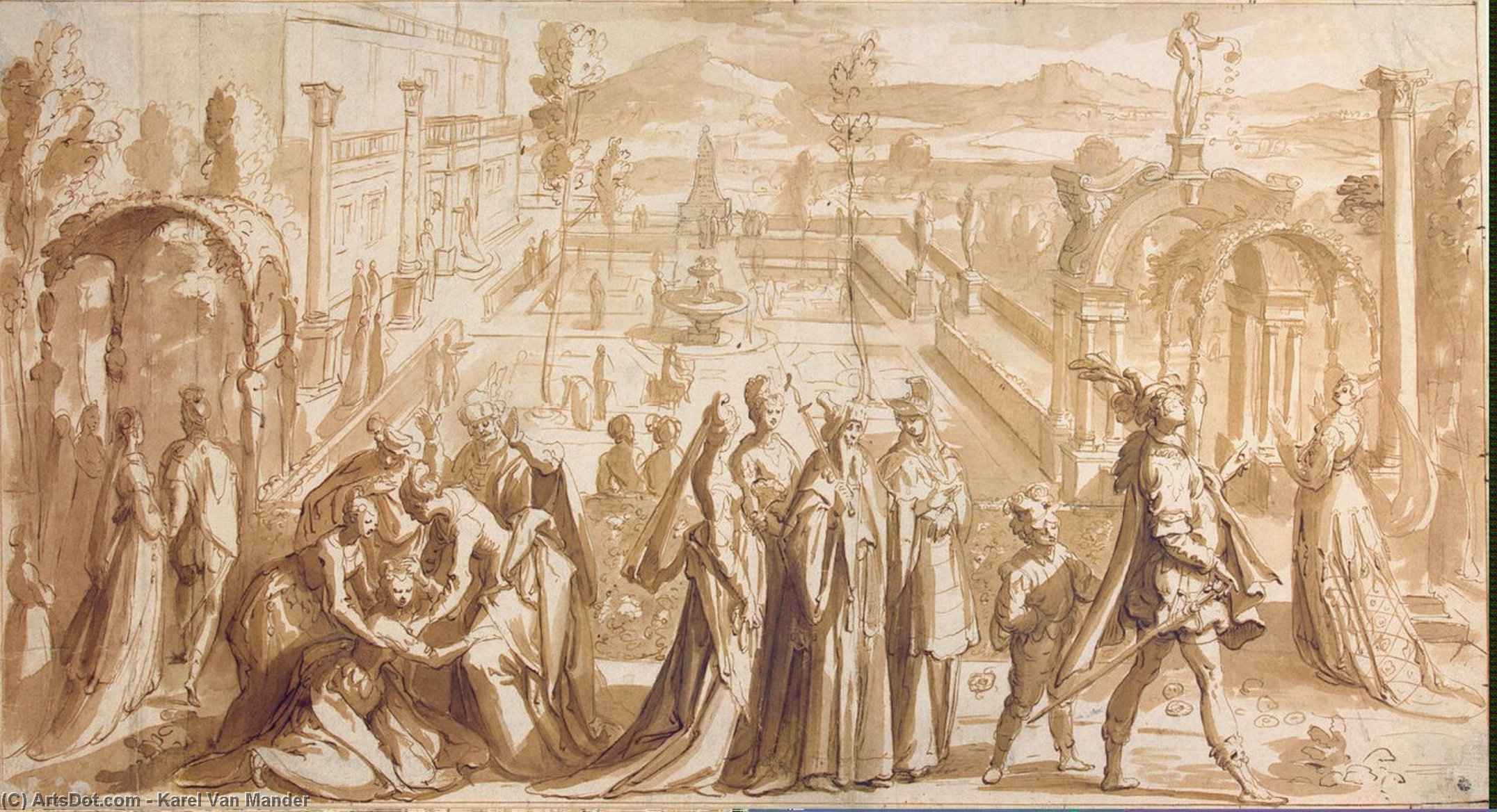
Oriane Endavours to Perform Feats of Magic in the Garden of Apolidon
 Oil On Canvas
- WallArt
- Northern Mannerism
 1595
1595- Early Modern
 272.0 x 496.0 cm
 Hermitage Museum
 Read More
Hand Made Oil Reproduction
Hand-painted oil on canvas in your size and frame, made to order by our artists. ( Buy Print Buy Image)




P118B $10

P118H $10

P118W $10

P438Z $10

P508JH $12

P508YH $12

P805H $10

P805Z $10

P919BZ $10

P919G $10

P919XJ $10

P959ZH $10

P968JZ $12

W106C $8

W218G $10

W218JH $8

W218Y $10

W307PJ $10

W316G $10

W316PJ $8

W316Y $10

W398PJ $8

W4111J $10

W500HY $15

W500JH $15

W692G $12

W849H $8

W940BG $15

W953PJ $8




Pick from our preset sizes that match the artwork's original proportions.

You may enter your own dimensions to fit a specific frame or space. If your selected size does not match the original image's proportions, we will either crop the artwork or extend the painting with additional hand-painted elements. A digital mockup will be sent for your approval before production begins.
Please note that the on-screen preview does not reflect the actual cropping or extension. Only the mockup will accurately show the final composition.
While custom sizes are available, we recommend selecting a dimension from the predefined list to preserve the original proportions.
After order, ArtsDot.com team will email client for instructions and provide a mockup preview
Worldwide Delivery () in 3/4 weeks instead of standard 5 weeks. (16 August). No compromise on quality.

Free Worldwide Express Shipping

High-Quality Linen Canvas

Full Shipping Insurance

Customs Tax Refund Guarantee

True Color Matching Guarantee

60-Day Return Policy (Defects Only)

100% Money-Back Guarantee

Bulk Discount Offer
 Glass option is only available in size under 110 CM

Oriane Endavours to Perform Feats of Magic in the Garden of Apolidon
Reproduction Medium
Reproduction Size
-


Total Price
$ 263
Artwork Description
A Flourish of Myth and Merriment in Apolidon's Garden
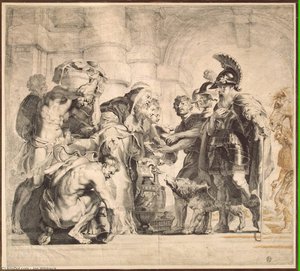
To gaze upon Karel van Mander’s depiction of Oriane Endavours to Perform Feats of Magic in the Garden of Apolidon is to step directly into a sun-drenched tableau lifted from the pages of classical mythology. This grand scene, executed around 1595, captures not merely an event, but a vibrant confluence of human curiosity and divine wonder. The composition unfolds within what appears to be a lush, idealized courtyard—the Garden of Apolidon itself—a setting ripe with potential for both spectacle and quiet contemplation. One senses the buzz of conversation mingling with the rustle of unseen foliage as figures gather, drawn by the captivating display of magic emanating from Oriane.
Mastery in Technique and Composition
Van Mander’s handling of paint here speaks to a sophisticated understanding of both narrative drama and atmospheric depth. The scale of this work, measuring an impressive 272 x 496 cm, demands the viewer's full attention, allowing the artist to populate the space with numerous characters without ever letting the scene feel cluttered. Observe the interplay between the foreground figures, whose gestures are immediate and engaging, and those receding into the background, lending a profound sense of spatial recession. The inclusion of the two watchful dogs adds an unexpected touch of domestic realism to the otherwise mythical gathering, grounding the extraordinary spectacle in something tangible. His technique allows light to play across varied textures—the richness of drapery against the verdancy of the garden—creating an almost palpable warmth that seems to emanate from the canvas itself.
The Allure of Mythological Gathering
Historically situated at a time when Renaissance humanism was deeply intertwined with classical revival, this painting taps into humanity’s enduring fascination with the marvelous. The subject matter invites us to consider the nature of performance and belief. Oriane, as the central figure enacting feats of magic, embodies the boundary between artifice and genuine wonder. It is a celebration of knowledge displayed—a moment where the boundaries between the mundane world and the realm of myth dissolve into shared awe. For the modern collector or designer, this piece offers an unparalleled focal point, suggesting an interior space that values storytelling, intellectual depth, and opulent natural beauty.
Symbolism and Emotional Resonance
The garden setting itself is a potent symbol throughout art history, representing paradise, fertility, and ordered nature. By placing the magical performance within this controlled Eden, Van Mander suggests that even the most extraordinary feats are rooted in a harmonious, if slightly theatrical, order. The emotional impact of the work is one of joyous engagement; it pulls the viewer into the circle of onlookers, making them complicit witnesses to the magic. It whispers tales of discovery and shared human experience—a perfect piece for those who find inspiration not just in beauty, but in the vibrant energy of life lived fully.
Related Artworks

Artist Biography
Early Life and Training
- Born: Mellebeke, Belgium (1548)
- Died: 1606
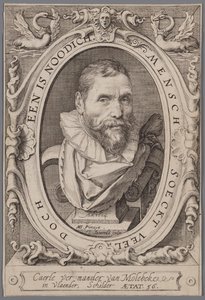
- Karel van Mander was born into a noble family in Meulebeke, County of Flanders.
- He received his early artistic training under Lucas de Heere in Ghent (1568-1569) and subsequently with Pieter Vlerick in Kortrijk.
- Early on, he also engaged in writing religious plays and designing scenery for them.
Travels and Artistic Development
- Rome (1574-1577): Van Mander spent three years in Rome, where he encountered classical art and developed his artistic style. The biographical sketch mentions him as the "discoverer of caves," possibly referring to the catacombs.
- Vienna: During a return journey from Italy, he collaborated with Bartholomeus Spranger and Hans Mont on creating a triumphal arch for Emperor Rudolf II's royal entry. This experience exposed him further to Mannerist influences.
Settlement in Haarlem and Artistic Leadership
- Haarlem (1583): Due to religious troubles and the plague, Van Mander settled in Haarlem, Dutch Republic.
- City Art Inventory: He was commissioned by the city fathers of Haarlem to inventory confiscated Catholic art after the Satisfactie van Haarlem. This work formed a basis for his later writings.
- Founder of an Academy: Together with Hubertus Goltzius and Cornelis van Haarlem, he founded an "academy to study after life," which fostered artistic discussion and possibly included drawing classes.
The *Schilder-boeck* and Art Historical Significance
- Major Work: Van Mander is primarily remembered for his *Schilder-boeck* (Book of Painters), a biographical dictionary of Early Netherlandish and Northern Renaissance artists.
- Influence on Mannerism: His dissemination of drawings by Bartholomeus Spranger, through engravings by Hubertus Goltzius, significantly contributed to the spread of Northern Mannerism in the Dutch Republic.
- Art Theorist: He played a crucial role in art theorization during the 16th century, emphasizing style and cultivated elegance over naturalism. His theories promoted exaggerated musculature, dramatic scenes, and rich detail.
Legacy and Artistic Style
- Northern Mannerism Pioneer: Karel van Mander is considered a key figure in the development of Northern Mannerism.
- Influence on Dutch Art: He significantly influenced artists in Haarlem and beyond, shaping the artistic landscape of the Dutch Republic.
- Artistic Characteristics: His own paintings often featured historical allegories characterized by a strong awareness of style, cultivated elegance, and a preference for dramatic compositions.
Karel van Mander
1548 - 1606 , Belgium
Quick Facts
- Artistic Movement Or Style: Northern Mannerism
- Artists Or Movements Influenced By This Artist:
- Hendrick Goltzius
- Cornelis van Haarlem
- Artists Who Influenced This Artist:
- Lucas de Heere
- Pieter Vlerick
- Bartholomeus Spranger
- Date Of Birth: May 1548
- Date Of Death: September 2, 1606
- Full Name: Karel van Mander
- Nationality: Flemish
- Notable Artworks:
- Diana and Actaeon
- Allegory of Nature
- Garden of Love
- Before the Flood
- Place Of Birth: Meulebeke, Belgium
Related Articles
Van Gogh's Masterpieces: Explore 25 Iconic Paintings & Art for Your Home
Journey through Vincent van Gogh's 25 most iconic paintings! Explore 'Starry Night', 'Sunflowers,' and more—discover the stories, techniques & emotions behind these Post-Impressionist masterpieces. Find museum-quality art reproductions for your home at ArtsDot.com.

Rembrandt's Masterpieces: Explore 25 Iconic Paintings & Prints | ArtsDot
Journey through Rembrandt van Rijn's 25 most iconic paintings & etchings. Explore Dutch Golden Age masterpieces, dramatic chiaroscuro, and timeless portraits. Find museum-quality art reproductions to elevate your home decor on ArtsDot.com.
Cultivating Paradise: A Historical & Artistic Exploration of Gardens in Painting
Explore the rich history of gardens in painting! Discover masterpieces from Renaissance to Impressionism & beyond. Learn about symbolism, artists like Monet & Klimt, and find your perfect artwork at ArtsDot.

Early Netherlandish Masters: 10 Paintings That Revolutionized Art & Decor
Journey into the world of Early Netherlandish painting! Explore 10 masterpieces by Jan van Eyck, Rogier van der Weyden & more. Discover stunning detail, symbolism & Renaissance art for your home decor. Find museum-quality reproductions on ArtsDot.com
Early Netherlandish Masters: 10 Paintings That Revolutionized Art & Decor
Journey into the Early Netherlandish Renaissance! Explore 10 iconic paintings by Jan van Eyck, Rogier van der Weyden & more. Discover stunning detail, symbolism, and oil painting techniques. Find museum-quality art reproductions for your home at ArtsDot.com.