 Preview
 Send
Send Share
Share
 Details

 Download
 Similars
 X-Ray
X-Ray Diaporama
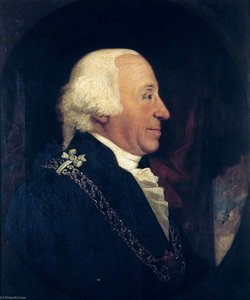
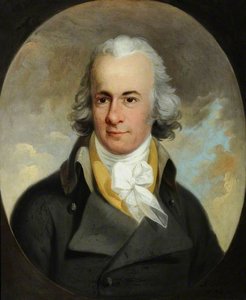
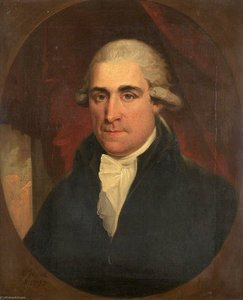
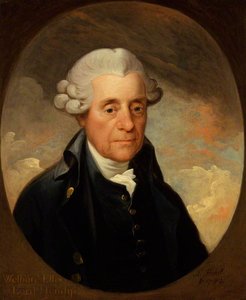
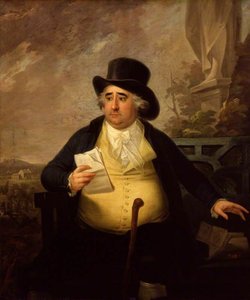
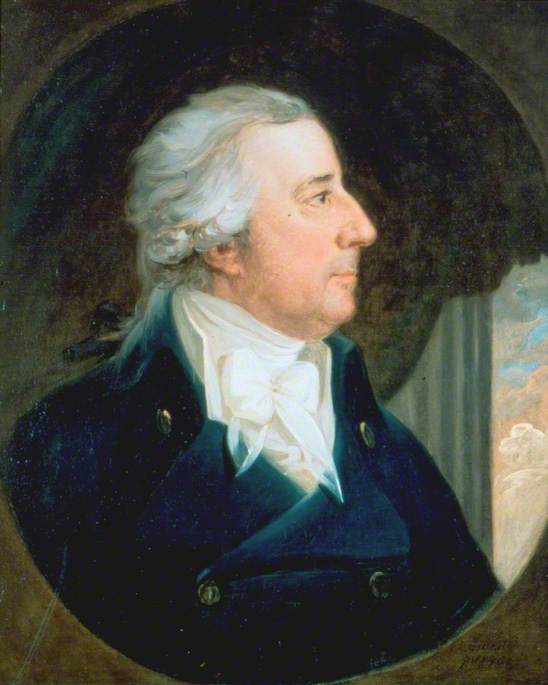
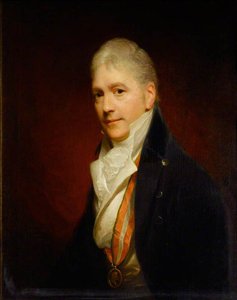
Sir Francis Annesley (1734–1812)
 Neoclassicism
 1791
1791 72.0 x 62.0 cm
 Reading Museum - Town Hall
 Read More
Giclée / Art Print
Museum-quality giclée or canvas print with fast production and flexible finish options. ( Buy Hand Made Painting Buy Image)




































Pick from our preset sizes that match the artwork's original proportions.

You may enter your own dimensions to fit a specific frame or space. If your selected size does not match the original image's proportions, we will either crop the artwork or extend the image with a mirrored or solid-fill edge. A digital mockup will be sent for your approval before production begins.
Please note that the on-screen preview does not reflect the actual cropping or extension. Only the mockup will accurately show the final composition.
While custom sizes are available, we recommend selecting a dimension from the predefined list to preserve the original proportions.
Worldwide Delivery () in 2 weeks instead of standard 4/5 weeks. (25 August)

Free Worldwide Express Shipping

High-Quality Linen Canvas

Full Shipping Insurance

Customs Tax Refund Guarantee

True Color Matching Guarantee

60-Day Return Policy (Defects Only)

100% Money-Back Guarantee

Bulk Discount Offer
 Glass option is only available in size under 110 CM

Sir Francis Annesley (1734–1812)
Giclée / Art Print
Reproduction Size
-


Total Price
$ 63
Related Artworks
![Life Of Saint Francis - [04] - Death And Ascension Of St Francis — Giotto Di Bondone, Italian Renaissance](/media/artworks/images-thumb/08/8b/088b102b13c1a379233690905590f156.jpg)
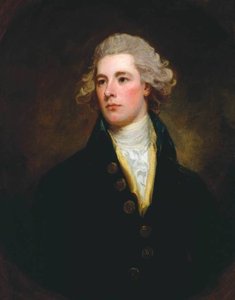
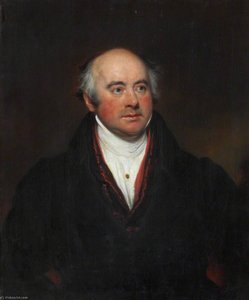
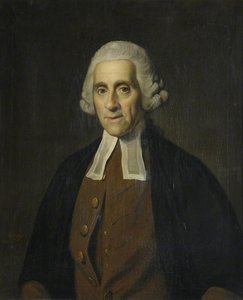
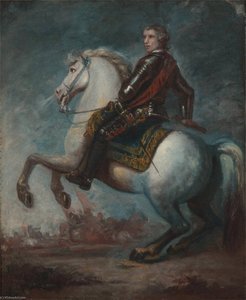
Artist Biography
The Illustrious Brush of Karl Anton Hickel
In the twilight of the Enlightenment, an era defined by both intellectual rigor and aristocratic splendor, the name Karl Anton Hickel emerged as a vital chronicler of European nobility. Born in 1745 in the scenic region of Česká Lípa, Bohemia, Hickel’s destiny was inextricably linked to the fine arts from his earliest years. His formal journey began at the prestigious Academy of Fine Arts Vienna, where he enrolled in 1758. This formative period under the guidance of master instructors provided him with more than just technical proficiency; it instilled a profound understanding of the classical traditions that would later allow him to navigate the highest echelons of European society. Alongside his brother, Joseph Hickel, Karl developed a familial synergy of talent, working closely within a tradition of excellence that would eventually carry his name across borders.
Hickel’s career was not merely a sedentary occupation within a studio but a grand, itinerant odyssey through the heart of the continent. Beginning in 1779, he embraced the life of a traveling portraitist, a vocation that demanded both immense versatility and an unerring eye for character. His travels took him through the vibrant cultural hubs of Munich, where he captured the likeness of Charles Theodore, Elector of Bavaria, and into the burgeoning urban centers of Mannheim and Mainz. Each new territory offered fresh light and new subjects, allowing his style to evolve from a student’s discipline into a sophisticated language of nuanced observation and meticulous detail. His ability to render the textures of silk, the weight of velvet, and the subtle dignity of a gaze made him an indispensable asset to the era's most influential figures.
A Legacy of Imperial Patronage and Grandeur
The zenith of Hickel’s professional life was marked by his appointment as the official court painter for Joseph II, Holy Roman Emperor. This prestigious position granted him unparalleled access to the inner sanctums of Habsburg power, allowing him to contribute significantly to the visual propaganda and historical record of one of Europe's most formidable dynasties. His brush did not merely capture faces; it documented the very essence of imperial authority. This period of intense patronage was complemented by his travels through France in 1786, where he operated under the delicate and high-stakes patronage of Marie Antoinette and Marie-Louise, princesse de Lamballe. To paint such figures required a mastery of both grace and political sensitivity, qualities that Hickel possessed in abundance.
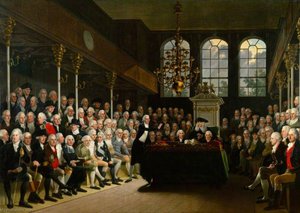
As his reputation expanded, so too did the geographical scope of his influence. In the 1790s, Hickel brought his talents to London, where he engaged with the political pulse of Great Britain. His work during this decade showcased a remarkable breadth, ranging from large-scale historical compositions like The House of Commons (1793–94)—now held in the National Portrait Gallery—to intimate portraits of legendary British statesmen such as Charles James Fox and William Wilberference. This ability to transition between the monumental and the personal solidified his status as a truly pan-European artist.
Though his life came to an end in Hamburg in 1798, the historical significance of Karl Anton Hickel remains etched in the annals of art history. His oeuvre serves as a vital window into the social dynamics of the late 18th century, capturing a world on the precipice of profound political transformation. Through his portraits, we encounter the faces of an era:
- The Aristocratic Ideal: A meticulous documentation of the fashion, posture, and regalia that defined European nobility.
- Technical Mastery: An enduring example of the late Enlightenment style, blending classical structure with a burgeoning interest in psychological depth.
- Historical Continuity: A bridge between the rigid traditions of the early 18th century and the more expressive movements that would follow.
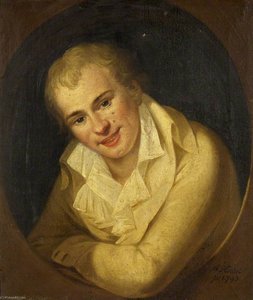
karl anton hickel
1745 - 1798
Quick Facts
- Artistic Movement Or Style: Classical Portraiture
- Artists Or Movements Influenced By This Artist: ['European Painting']
- Artists Who Influenced This Artist: ['Joseph Hickel']
- Date Of Death: 1798
- Full Name: Karl Anton Hickel
- Nationality: Austrian
- Notable Artworks: ['Charles Theodore']
- Place Of Birth: Czech Kromlov, Bohemia
Related Articles
Sir Joshua Reynolds' Masterpieces: 25 Portraits of Power & Refinement | ArtsDot
Explore 25 captivating portraits by Sir Joshua Reynolds, a master of British art. Discover stories behind his iconic paintings, elegant style & historical influence. Find museum-quality reproductions and elevate your home decor on ArtsDot.com.
Francis Bacon's Masterpieces: Exploring 25 Iconic Paintings | ArtsDot
Delve into the haunting world of Francis Bacon with ArtsDot. Explore 25 iconic paintings, from his visceral portraits to powerful triptychs. Discover the stories behind these masterpieces & find museum-quality art reproductions for your home. Explore the full collection online!

Sir Alfred Munnings' Masterpieces: 25 Paintings That Define Equine Art | ArtsDot
Explore 25 iconic Sir Alfred Munnings paintings! Discover the beauty of British Impressionism, equine art & rural England. Find museum-quality reproductions and elevate your home decor with ArtsDot. Explore the full collection online.
Neo-Classicism's Greatest Hits: 10 Masterpieces for Your Home |
Journey through Neo-Classicism's finest! Explore 10 iconic masterpieces by David, Ingres & Canova. Discover art history, techniques & timeless beauty – perfect for inspiring your home decor. Find museum-quality reproductions at

The Enduring Legacy of Oil on Canvas: Technique, History & Aesthetic Impact
Explore the rich history & techniques of oil painting – from Renaissance masters to Impressionism. Discover pigments, layering methods, and why this timeless medium endures. Expert insights for artists & art enthusiasts.