 Preview
 Send
Send Share
Share
 Details

 Download
 Similars
 X-Ray
X-Ray Diaporama
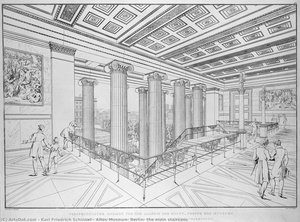
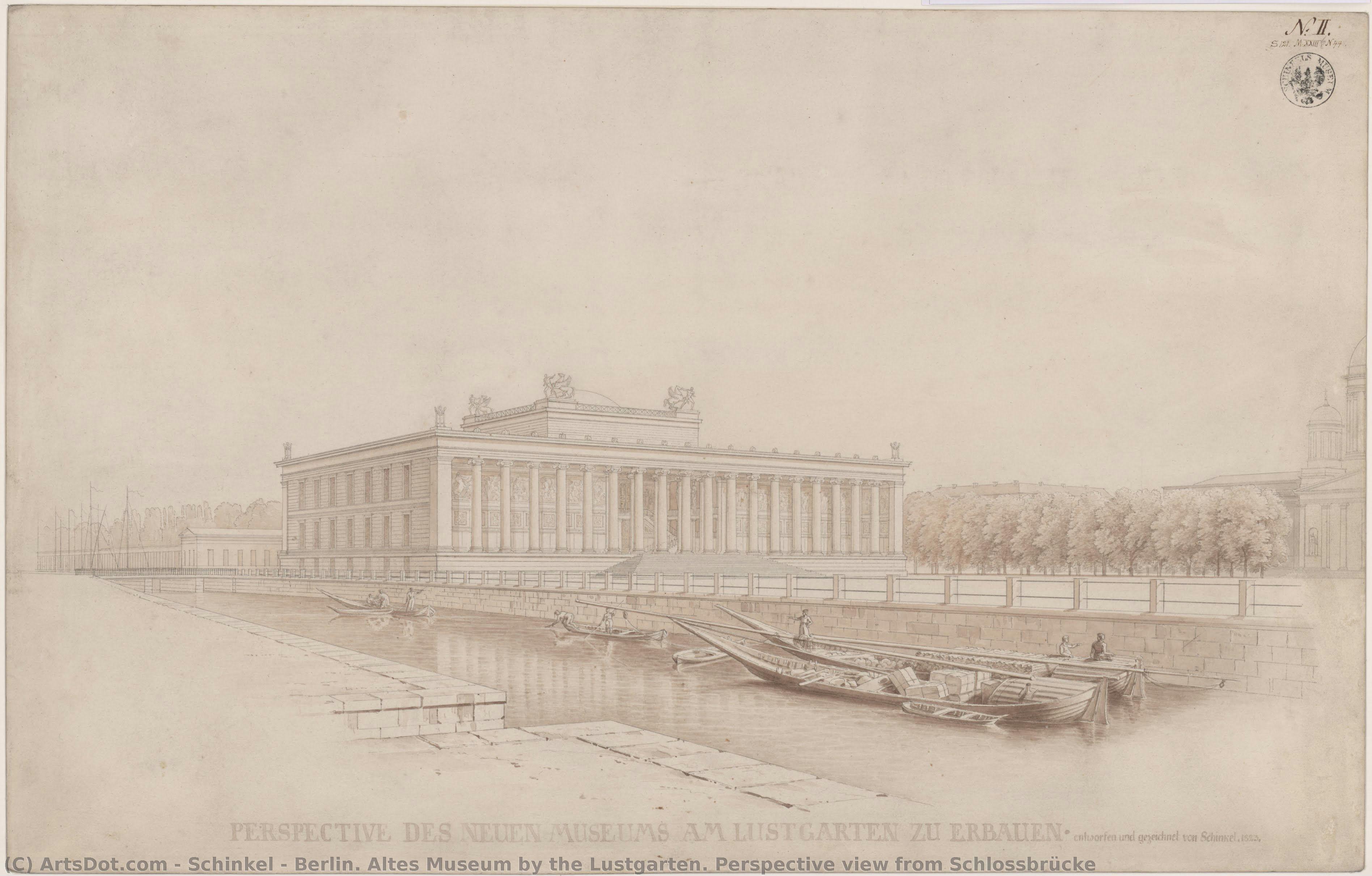
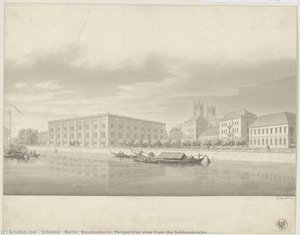
Berlin. Altes Museum by the Lustgarten. Perspective view from Schlossbrücke
 Graphite Pencil
- Neoclassical Style
 19th Century
 63.0 x 40.0 cm
 Kupferstichkabinett
 Read More
Hand Made Oil Reproduction
Hand-painted oil on canvas in your size and frame, made to order by our artists. ( Buy Print Buy Image)




P118B $10

P118H $10

P118W $10

P438Z $10

P508JH $12

P508YH $12

P805H $10

P805Z $10

P919BZ $10

P919G $10

P919XJ $10

P959ZH $10

P968JZ $12

W106C $8

W218G $10

W218JH $8

W218Y $10

W307PJ $10

W316G $10

W316PJ $8

W316Y $10

W398PJ $8

W4111J $10

W500HY $15

W500JH $15

W692G $12

W849H $8

W940BG $15

W953PJ $8




Pick from our preset sizes that match the artwork's original proportions.

You may enter your own dimensions to fit a specific frame or space. If your selected size does not match the original image's proportions, we will either crop the artwork or extend the painting with additional hand-painted elements. A digital mockup will be sent for your approval before production begins.
Please note that the on-screen preview does not reflect the actual cropping or extension. Only the mockup will accurately show the final composition.
While custom sizes are available, we recommend selecting a dimension from the predefined list to preserve the original proportions.
After order, ArtsDot.com team will email client for instructions and provide a mockup preview
Worldwide Delivery () in 3/4 weeks instead of standard 5 weeks. (24 August). No compromise on quality.

Free Worldwide Express Shipping

High-Quality Linen Canvas

Full Shipping Insurance

Customs Tax Refund Guarantee

True Color Matching Guarantee

60-Day Return Policy (Defects Only)

100% Money-Back Guarantee

Bulk Discount Offer
 Glass option is only available in size under 110 CM

Berlin. Altes Museum by the Lustgarten. Perspective view from Schlossbrücke
Reproduction Medium
Reproduction Size
-


Total Price
$ 263
Artwork Description
A Vision of Neoclassical Grandeur: Berlin's Altes Museum
To gaze upon this depiction of the Altes Museum in Berlin, viewed across the tranquil expanse from Schlossbrücke, is to step directly into the ordered elegance of 19th-century Prussian ambition. This work transcends mere architectural documentation; it captures a moment where civic pride met artistic precision. The composition itself is a masterclass in perspective, drawing the eye with an almost irresistible pull toward the monumental facade of the museum. One can almost hear the hushed echoes of scholarly discourse mingling with the gentle lapping of water against the stone embankments. It speaks to a time when classical ideals—symmetry, proportion, and enduring form—were not just aesthetic choices, but foundational pillars of cultural identity.
Mastery in Graphite: Technique and Detail
The technical brilliance evident in this piece is breathtaking. Executed with the meticulous hand of an architectural draughtsman, likely using graphite or charcoal on paper, the artist has achieved a remarkable depth through line alone. Observe how the fine, controlled lines define every column, window molding, and structural joint; they possess a crispness that speaks to rigorous training. The rendering is not simply about outlining shapes, but about conveying substance. Through expert hatching and cross-hatching techniques, subtle gradations of grey and brown build texture—the smooth polish of the stone contrasting beautifully with the delicate foliage along the Lustgarten banks. This monochromatic palette forces the viewer to appreciate form through value, making light and shadow play a central character in the narrative.
The Symbolism of Order and Enlightenment
Beyond its function as a beautiful vista, this artwork is steeped in symbolism. The Neoclassical style, championed by masters like Karl Friedrich Schinkel, inherently celebrates the perceived perfection of antiquity. The strong one-point perspective anchors the entire scene in stability and rationality—a visual metaphor for the Age of Enlightenment itself. The geometric dominance of the museum structure suggests human intellect imposing beautiful order upon the natural world. Even the gentle curve of the canal and the placement of the small boat introduce a necessary organic counterpoint, reminding us that even the grandest structures exist within the flow of life.
An Heirloom for the Discerning Collector
For the collector or designer whose taste leans toward historical gravitas and refined artistry, this reproduction offers an unparalleled connection to architectural history. It is more than wall décor; it is a conversation piece that whispers tales of Prussian cultural zenith. The sense of quiet grandeur pervading the image—the diffused light suggesting an overcast but bright day—lends itself perfectly to spaces demanding sophistication, whether in a grand library, a formal drawing-room, or a gallery setting. Owning this piece means curating not just art, but a tangible echo of enduring classical ideals.
Related Artworks
![[the Cour Napoléon Looking Towards The Tuileries, Louvre, Paris] — Édouard-denis Baldus, Academic Realism](/media/artworks/images-thumb/9f/ab/9fab8474e3a2a9ec8f7fb1ba65878363.jpg)
Artist Biography
A Prussian Visionary: The Life and Legacy of Karl Friedrich Schinkel
Karl Friedrich Schinkel, born in Neuruppin, Germany, in 1781, occupies a singular position within the annals of 19th-century art and architecture. His life was a compelling narrative woven with threads of personal hardship and professional triumph, unfolding against the backdrop of shifting political landscapes and burgeoning artistic movements. The devastating fire that ravaged Neuruppin in 1787, tragically claiming his father’s life while Schinkel was still a young boy, cast a long shadow over his formative years. This early experience, perhaps, instilled within him a profound appreciation for order, permanence, and the enduring power of form—qualities that would later define his artistic vision. It undoubtedly contributed to the meticulous precision and emotional resonance so characteristic of his mature work. He received early mentorship under Friedrich Gilly and his father David Gilly, both influential architects in Berlin, absorbing their classical principles while simultaneously encountering more experimental ideas – a crucial blend that shaped his developing aesthetic sensibilities. These foundational years provided Schinkel with a robust understanding of architectural history and technique, preparing him for the pivotal decisions that lay ahead.From Painterly Aspirations to Architectural Mastery
Initially, Schinkel pursued painting as his chosen profession, demonstrating considerable talent in landscape and portraiture. However, a turning point arrived during an exhibition in Berlin in 1810, where he encountered Caspar David Friedrich’s iconic *Wanderer above the Sea of Fog*. The sheer emotional depth and masterful execution of Friedrich's work prompted a moment of profound self-assessment within Schinkel. Recognizing that his own artistic inclinations did not align with achieving such heights in painting, he made the decisive shift to architecture. This was not merely a change in profession but a testament to Schinkel’s intellectual honesty and commitment to pursuing where his true talents lay. It is noteworthy that his earlier experience with painting profoundly influenced his architectural designs, imbuing them with a sense of atmosphere, spatial awareness, and emotional depth often absent in more purely technical approaches. He understood the power of visual storytelling and sought to translate that understanding into the built environment, creating spaces that resonated with feeling as much as function.A Synthesis of Styles: Neoclassicism, Gothic Revival, and Beyond
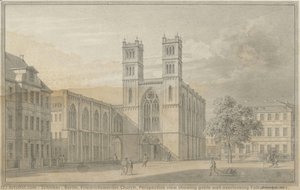
Schinkel’s architectural style is remarkably difficult to categorize neatly, representing instead a sophisticated synthesis of various influences. While firmly rooted in Neoclassical principles—a reaction against the perceived excesses of Baroque and Rococo—he moved away from the prevailing emphasis on Imperial Roman forms, opting for a more refined Greek-inspired aesthetic. This embrace of Greek Revival was not merely stylistic; it reflected Schinkel’s belief that architecture should possess both structural integrity and poetic resonance, engaging with history while simultaneously evoking emotion. However, he did not limit himself to Neoclassicism. He also demonstrated a remarkable aptitude for the Gothic Revival style, exemplified in works like Schloss Rosenau and Friedrichswerder Church. This willingness to explore different historical styles, adapting them to contemporary needs and sensibilities, set him apart from many of his contemporaries. His designs were characterized by meticulous attention to detail, innovative use of materials, and a profound understanding of spatial relationships. He was not simply replicating past forms; he was reinterpreting them through the lens of his own artistic vision.Landmark Creations: Shaping Berlin and Beyond
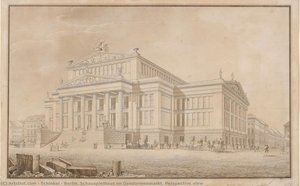
Schinkel’s legacy is indelibly etched into the urban landscape of Berlin and beyond through his numerous landmark creations. The Neue Wache (1816–1818), an early work, showcases his emerging Neoclassical style with its restrained elegance and dignified presence. The National Monument for the Liberation Wars (1818–1821) stands as a powerful testament to Prussian resilience and national pride. The Schauspielhaus (1819–1821), rebuilt on Gendarmenmarkt after a devastating fire, exemplifies his refined theatre design. However, it is perhaps the Altes Museum (1823–1830), located on Museum Island, that remains his most iconic achievement—a masterpiece of classical architecture that served as a model for national art museums worldwide. Beyond Berlin, the Bauakademie (1832–1836) represents Schinkel’s most innovative work, foreshadowing modernist architectural principles with its clean lines and functional design. His unexecuted plans, such as those for transforming the Athenian Acropolis or designing the Orianda Palace in Crimea, reveal a boundless imagination and ambition that extended far beyond realized projects. These unrealized visions offer a glimpse into the full scope of his creative potential.A Lasting Influence: Bridging Tradition and Modernity
Karl Friedrich Schinkel’s influence extends far beyond the physical structures he created. He was also a prolific theorist and draftsman, disseminating his ideas through publications like *Sammlung architektonischer Entwürfe* (1820–1837) and *Werke der höheren Baukunst* (1840–1846). These works provided valuable insights into his design principles and construction techniques, influencing generations of architects. Though political constraints and his untimely death in 1841 prevented him from fully realizing all his ambitious visions, Schinkel remains a pivotal figure in German architectural history. He bridged the gap between Neoclassicism and the emergence of modernism, leaving behind a legacy that continues to inspire and resonate today. His buildings are not merely monuments to the past but living testaments to the power of thoughtful design and enduring artistic vision—a testament to a man who truly shaped the aesthetic landscape of his time.- Key Achievements: Altes Museum, Neue Wache, Bauakademie, Schauspielhaus.
- Influences: Friedrich Gilly, David Gilly, Caspar David Friedrich, Greek and Gothic architectural traditions.
- Legacy: A pivotal figure in German architecture, bridging Neoclassicism and Modernism.
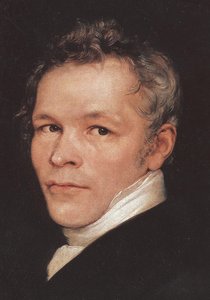
Karl Friedrich Schinkel
1781 - 1841 , Germany
Quick Facts
- Artistic Movement Or Style: Neoclassical, Gothic Revival
- Artists Or Movements Influenced By This Artist:
- Modern architecture
- German architects
- Artists Who Influenced This Artist:
- Friedrich Gilly
- Caspar David Friedrich
- Date Of Birth: 1781
- Date Of Death: 1841
- Full Name: Karl Friedrich Schinkel
- Nationality: Prussian
- Notable Artworks:
- Neue Wache
- Altes Museum
- Bauakademie
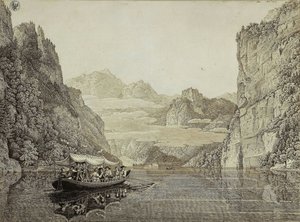
- A Boat Trip
- Place Of Birth: Neuruppin, Germany
Related Articles
Staatliche Museen Berlin: 25 Masterpieces for Your Home | ArtsDot
Journey through 25 iconic artworks at Staatliche Museen Berlin! Explore Nefertiti, Pergamon Altar & masterpieces of German art history. Find museum-quality reproductions & curated decor ideas to bring timeless beauty home. Discover all masterpieces on ArtsDot.com.
Alte Pinakothek's Masterpieces: 25 Iconic Paintings for Art Lovers | ArtsDot
Journey through Alte Pinakothek's 25 most iconic paintings! Explore masterpieces by Dürer, Rembrandt & Rubens. Discover art history, techniques & find museum-quality reproductions for your home at ArtsDot.com.

Caspar David Friedrich: Romanticism's Master of Landscape & the Sublimity of Inner Experience
Explore the profound landscapes of Caspar David Friedrich, a master of German Romanticism. Discover the symbolism, themes & enduring influence of this iconic artist. A deep dive into his life and work.
Neoclassical Art: 10 Masterpieces That Shaped History |
Explore 10 defining Neoclassical masterpieces by David, Ingres & Canova. Discover the history, symbolism & artistry behind these iconic paintings and sculptures. Find museum-quality art reproductions at – elevate your home with timeless beauty.

Romantic Landscapes: 10 Masterpieces for Your Home | ArtsDot
Journey through 10 Romantic landscape masterpieces by Friedrich, Turner & Cole. Explore emotional art, sublime nature scenes & iconic 19th-century paintings. Find museum-quality reproductions for your home at ArtsDot.com – discover the full collection online!