

 Preview
 Send
Send Share
Share
 Details

 Download
 Similars
 X-Ray
X-Ray Diaporama
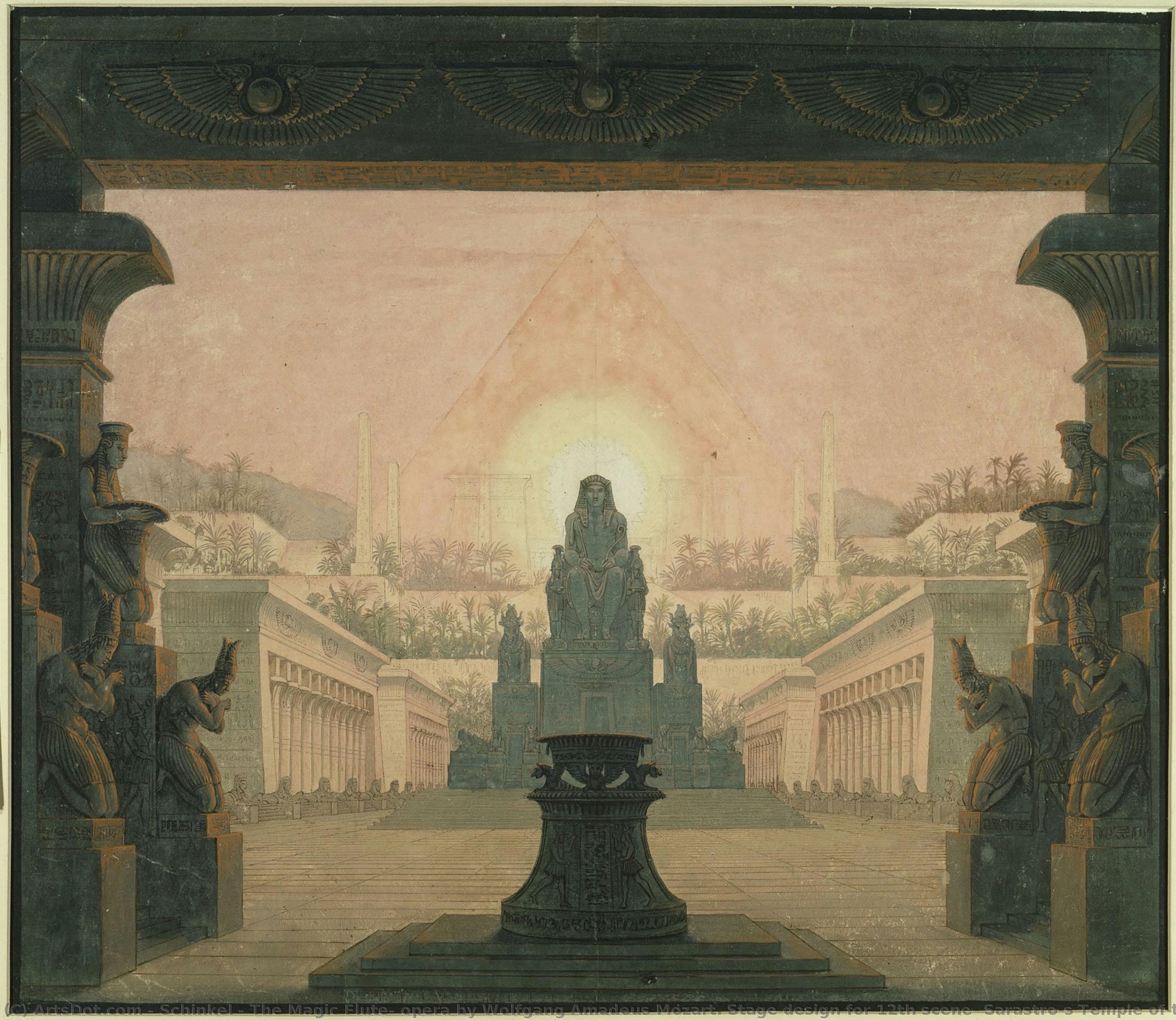
The Magic Flute, opera by Wolfgang Amadeus Mozart. Stage design for 12th scene: Sarastro’s Temple of the Sun
 Acrylic On Canvas
- WallArt
- Neoclassicism
 62.0 x 54.0 cm
 Kupferstichkabinett
 Read More
Purchase a high-resolution, enhanced digital image, far superior to the online preview.
Each file is meticulously prepared by our in-house specialists using advanced tools and expert manual retouching. We ensure every image has exceptional clarity, precise color accuracy, and fine detail.
The final file is delivered via email within 72 hours, optimized for immediate use in professional, editorial, and print environments. This is the same quality trusted by top-tier design studios, publishers, and galleries.
Digital Image
Download a high-resolution file for personal display, printing, and creative projects. ( Buy Print Buy Hand Made Painting)
Included in Every Digital Image Order
Expert Digital Delivery, Guaranteed
When you choose ArtsDot.com, you're not just getting an image - you're receiving a professionally enhanced digital artwork, crafted with precision and backed by a satisfaction guarantee. Here's everything that comes with your order, automatically:

Fast Email Delivery
Your high-resolution digital image file will be emailed to you within 72 hours of ordering - ready for immediate use.

AI-Enhanced Digital File
Your artwork is professionally optimized using advanced AI tools and manual editing, ensuring maximum detail, clarity, and color accuracy.

Free Lifetime Re-Delivery
Accidentally deleted or lost your file? No worries - we'll resend it to you anytime, free of charge.

No Import Fees - Ever
Enjoy your artwork instantly with zero customs, duties, or delivery fees - digital downloads are always tax-free.

Color Accuracy Guarantee
We ensure your digital image reflects the original colors as closely as possible using professional tools and color management.

60-Day Satisfaction Guarantee
If you're not satisfied with your digital image, we'll revise it or refund 100% within 60 days - no questions asked.

100% Money-Back Guarantee
Not satisfied? Get a full refund within 60 days of receiving your digital file - no questions asked.

Bulk Order Discounts
Buy 3 images, save 10% - Buy 5, save 15% - Buy 10+, save 20%. Great for creative projects, galleries, and agencies.
A Vision of Egyptian Grandeur: Schinkel’s Stage Design for Mozart's ‘The Magic Flute’
Karl Friedrich Schinkel’s contribution to the artistic landscape of Prussia and beyond is undeniable, yet perhaps most profoundly realized in his ambitious undertaking – designing the stage set for Wolfgang Amadeus Mozart’s opera “The Magic Flute.” Completed around 1820, this monumental watercolor sketch transcends mere theatrical decoration; it embodies a philosophical exploration of order, idealism, and the sublime beauty achievable through rational design. Examining Schinkel's vision reveals not only an astute understanding of Mozart’s musical drama but also a reflection of the burgeoning Neoclassical movement’s preoccupation with reviving classical ideals amidst the turbulent Romantic era.The Temple of the Sun: Architectural Symbolism
Schinkel’s conception centers on Sarastro’s Temple of the Sun, representing a deliberate invocation of Egyptian grandeur – a stylistic choice steeped in intellectual currents that sought to emulate the perceived perfection and stability of ancient civilizations. The temple itself is conceived as an axis mundi, mirroring the biblical Garden of Eden and symbolizing humanity's aspiration towards divine enlightenment. Its symmetrical layout—a dominant feature throughout Schinkel’s oeuvre—emphasizes balance and harmony, reflecting the Enlightenment’s belief in reason as a guiding principle for societal progress. The pyramid at its heart isn’t merely a structural element; it embodies the concept of ascension, mirroring the spiritual journey undertaken by Prince Tamino and Peri on their quest to rescue Pamina.Watercolor Technique: Delicate Illusionism
Schinkel skillfully employs watercolor technique—a medium favored for capturing atmospheric effects and conveying subtle tonal variations—to achieve an ethereal quality that perfectly complements the opera’s narrative themes. Layers of translucent washes create a hazy luminescence, simulating sunlight filtering through the temple’s alabaster walls. The artist's meticulous attention to detail is evident in the depiction of architectural ornamentation – stylized lotus blossoms adorning columns and intricate carvings embellishing the pyramid’s surface—yet Schinkel avoids excessive realism, prioritizing expressive illusionism over photographic accuracy. This deliberate restraint enhances the scene’s mystical aura and underscores its symbolic significance.Historical Context: Neoclassicism Amidst Romantic Sentiment
The creation of this stage design coincided with a pivotal moment in European art history – the transition from Romantic idealism to Neoclassical revival. While Romantic artists championed emotion and imagination, Schinkel championed clarity and precision, advocating for an aesthetic rooted in classical forms and principles. His work stands as a counterpoint to the turbulent passions of his contemporaries, representing a steadfast commitment to rational order and intellectual contemplation. By grounding his vision in the grandeur of ancient Egypt, Schinkel subtly asserted the enduring power of reason and beauty—values that would continue to inspire artists and architects for decades to come.Emotional Impact: Capturing the Essence of Enlightenment
Ultimately, Schinkel’s “Temple of the Sun” succeeds in conveying a profound sense of serenity and aspiration. The luminous pyramid dominates the composition, radiating warmth and inviting contemplation. The carefully orchestrated lines guide the viewer's gaze upwards, mirroring Tamino’s pilgrimage towards spiritual fulfillment. More than just a decorative element, this stage design encapsulates the Enlightenment’s belief that beauty—particularly geometric harmony—could elevate human consciousness and illuminate the path toward moral virtue. It remains a testament to Schinkel’s artistic genius and his unwavering conviction in the transformative potential of art.Related Artworks

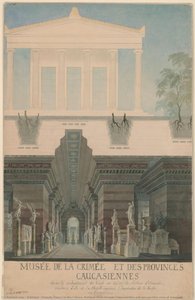
Artist Biography
A Prussian Visionary: The Life and Legacy of Karl Friedrich Schinkel
Karl Friedrich Schinkel, born in Neuruppin, Germany, in 1781, occupies a singular position within the annals of 19th-century art and architecture. His life was a compelling narrative woven with threads of personal hardship and professional triumph, unfolding against the backdrop of shifting political landscapes and burgeoning artistic movements. The devastating fire that ravaged Neuruppin in 1787, tragically claiming his father’s life while Schinkel was still a young boy, cast a long shadow over his formative years. This early experience, perhaps, instilled within him a profound appreciation for order, permanence, and the enduring power of form—qualities that would later define his artistic vision. It undoubtedly contributed to the meticulous precision and emotional resonance so characteristic of his mature work. He received early mentorship under Friedrich Gilly and his father David Gilly, both influential architects in Berlin, absorbing their classical principles while simultaneously encountering more experimental ideas – a crucial blend that shaped his developing aesthetic sensibilities. These foundational years provided Schinkel with a robust understanding of architectural history and technique, preparing him for the pivotal decisions that lay ahead.From Painterly Aspirations to Architectural Mastery
Initially, Schinkel pursued painting as his chosen profession, demonstrating considerable talent in landscape and portraiture. However, a turning point arrived during an exhibition in Berlin in 1810, where he encountered Caspar David Friedrich’s iconic *Wanderer above the Sea of Fog*. The sheer emotional depth and masterful execution of Friedrich's work prompted a moment of profound self-assessment within Schinkel. Recognizing that his own artistic inclinations did not align with achieving such heights in painting, he made the decisive shift to architecture. This was not merely a change in profession but a testament to Schinkel’s intellectual honesty and commitment to pursuing where his true talents lay. It is noteworthy that his earlier experience with painting profoundly influenced his architectural designs, imbuing them with a sense of atmosphere, spatial awareness, and emotional depth often absent in more purely technical approaches. He understood the power of visual storytelling and sought to translate that understanding into the built environment, creating spaces that resonated with feeling as much as function.A Synthesis of Styles: Neoclassicism, Gothic Revival, and Beyond
Schinkel’s architectural style is remarkably difficult to categorize neatly, representing instead a sophisticated synthesis of various influences. While firmly rooted in Neoclassical principles—a reaction against the perceived excesses of Baroque and Rococo—he moved away from the prevailing emphasis on Imperial Roman forms, opting for a more refined Greek-inspired aesthetic. This embrace of Greek Revival was not merely stylistic; it reflected Schinkel’s belief that architecture should possess both structural integrity and poetic resonance, engaging with history while simultaneously evoking emotion. However, he did not limit himself to Neoclassicism. He also demonstrated a remarkable aptitude for the Gothic Revival style, exemplified in works like Schloss Rosenau and Friedrichswerder Church. This willingness to explore different historical styles, adapting them to contemporary needs and sensibilities, set him apart from many of his contemporaries. His designs were characterized by meticulous attention to detail, innovative use of materials, and a profound understanding of spatial relationships. He was not simply replicating past forms; he was reinterpreting them through the lens of his own artistic vision.Landmark Creations: Shaping Berlin and Beyond
Schinkel’s legacy is indelibly etched into the urban landscape of Berlin and beyond through his numerous landmark creations. The Neue Wache (1816–1818), an early work, showcases his emerging Neoclassical style with its restrained elegance and dignified presence. The National Monument for the Liberation Wars (1818–1821) stands as a powerful testament to Prussian resilience and national pride. The Schauspielhaus (1819–1821), rebuilt on Gendarmenmarkt after a devastating fire, exemplifies his refined theatre design. However, it is perhaps the Altes Museum (1823–1830), located on Museum Island, that remains his most iconic achievement—a masterpiece of classical architecture that served as a model for national art museums worldwide. Beyond Berlin, the Bauakademie (1832–1836) represents Schinkel’s most innovative work, foreshadowing modernist architectural principles with its clean lines and functional design. His unexecuted plans, such as those for transforming the Athenian Acropolis or designing the Orianda Palace in Crimea, reveal a boundless imagination and ambition that extended far beyond realized projects. These unrealized visions offer a glimpse into the full scope of his creative potential.A Lasting Influence: Bridging Tradition and Modernity
Karl Friedrich Schinkel’s influence extends far beyond the physical structures he created. He was also a prolific theorist and draftsman, disseminating his ideas through publications like *Sammlung architektonischer Entwürfe* (1820–1837) and *Werke der höheren Baukunst* (1840–1846). These works provided valuable insights into his design principles and construction techniques, influencing generations of architects. Though political constraints and his untimely death in 1841 prevented him from fully realizing all his ambitious visions, Schinkel remains a pivotal figure in German architectural history. He bridged the gap between Neoclassicism and the emergence of modernism, leaving behind a legacy that continues to inspire and resonate today. His buildings are not merely monuments to the past but living testaments to the power of thoughtful design and enduring artistic vision—a testament to a man who truly shaped the aesthetic landscape of his time.- Key Achievements: Altes Museum, Neue Wache, Bauakademie, Schauspielhaus.
- Influences: Friedrich Gilly, David Gilly, Caspar David Friedrich, Greek and Gothic architectural traditions.
- Legacy: A pivotal figure in German architecture, bridging Neoclassicism and Modernism.
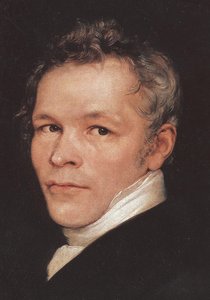
Karl Friedrich Schinkel
1781 - 1841 , Germany
Quick Facts
- Artistic Movement Or Style: Neoclassical, Gothic Revival
- Artists Or Movements Influenced By This Artist:
- Modern architecture
- German architects
- Artists Who Influenced This Artist:
- Friedrich Gilly
- Caspar David Friedrich
- Date Of Birth: 1781
- Date Of Death: 1841
- Full Name: Karl Friedrich Schinkel
- Nationality: Prussian
- Notable Artworks:
- Neue Wache
- Altes Museum
- Bauakademie
- A Boat Trip
- Place Of Birth: Neuruppin, Germany

