

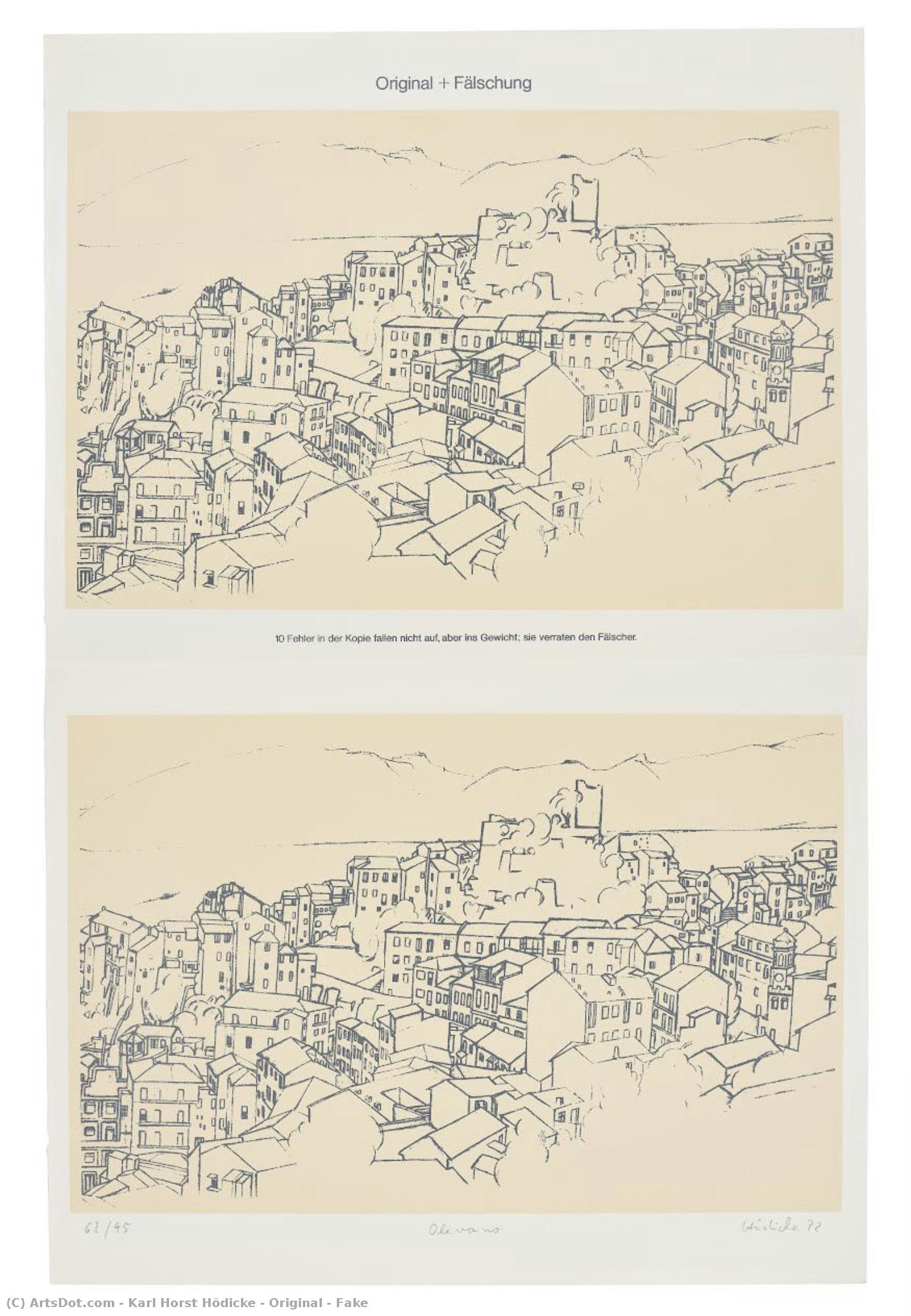
 Preview
 Send
Send Share
Share
 Details

 Download
 Similars
 X-Ray
X-Ray Diaporama
 Stats
StatsOriginal + Fake
 1972
1972 104.0 x 70.0 cm
 Read More
Purchase a high-resolution, enhanced digital image, far superior to the online preview.
Each file is meticulously prepared by our in-house specialists using advanced tools and expert manual retouching. We ensure every image has exceptional clarity, precise color accuracy, and fine detail.
The final file is delivered via email within 72 hours, optimized for immediate use in professional, editorial, and print environments. This is the same quality trusted by top-tier design studios, publishers, and galleries.
Digital Image
Download a high-resolution file for personal display, printing, and creative projects. ( Switch to Print Buy Hand Made Painting)
Included in Every Digital Image Order
Expert Digital Delivery, Guaranteed
When you choose ArtsDot.com, you're not just getting an image - you're receiving a professionally enhanced digital artwork, crafted with precision and backed by a satisfaction guarantee. Here's everything that comes with your order, automatically:

Fast Email Delivery
Your high-resolution digital image file will be emailed to you within 72 hours of ordering - ready for immediate use.

AI-Enhanced Digital File
Your artwork is professionally optimized using advanced AI tools and manual editing, ensuring maximum detail, clarity, and color accuracy.

Free Lifetime Re-Delivery
Accidentally deleted or lost your file? No worries - we'll resend it to you anytime, free of charge.

No Import Fees - Ever
Enjoy your artwork instantly with zero customs, duties, or delivery fees - digital downloads are always tax-free.

Color Accuracy Guarantee
We ensure your digital image reflects the original colors as closely as possible using professional tools and color management.

100-Day Satisfaction Guarantee
If you're not satisfied with your digital image, we'll revise it or refund 100% within 100 days - no questions asked.

100% Money-Back Guarantee
Not satisfied? Get a full refund within 100 days of receiving your digital file - no questions asked.

Bulk Order Discounts
Buy 3 images, save 10% - Buy 5, save 15% - Buy 10+, save 20%. Great for creative projects, galleries, and agencies.
Related Artworks
Artist Biography
Karl Horst Hödicke: A Berlin Visionary
Karl Horst Hödicke, born in Nuremberg in 1938 and passing away in Berlin in 2024, stands as a pivotal figure in the landscape of German art, particularly renowned for his evocative neo-expressionist paintings that capture the spirit and complexities of Berlin. His life’s journey – from the upheaval of post-war Germany to the vibrant artistic scene of West Berlin – profoundly shaped his distinctive visual language. Initially drawn to architecture at the Technical University of Berlin, Hödicke soon found himself captivated by the burgeoning world of art, ultimately enrolling in the Hochschule der Künste where he studied under Fred Thieler, an experience that cemented his commitment to figurative painting and a deeply personal approach to artistic expression. He wasn’t merely documenting a city; he was attempting to translate its essence onto canvas, imbuing it with emotion and subjective interpretation – a core tenet of his artistic philosophy.Early Influences and the Rise of “Vision”
Hödicke's early artistic development was significantly influenced by the diverse art movements circulating in post-war Germany. His studies at the Berlin University of the Arts exposed him to the raw energy of Expressionism, a movement that resonated with his own desire to convey intense emotional experiences. Crucially, he joined the influential “Vision” group in 1961, a collective dedicated to rejecting the prevailing trend towards abstract art and embracing figurative painting as a means of engaging with contemporary reality. This decision marked a turning point, aligning him with a cohort of artists who sought to reconnect with traditional forms while retaining a critical perspective on the world around them. The “Vision” group’s rejection of abstraction was a bold statement against the perceived sterility of modern art and paved the way for a renewed interest in narrative and psychological depth within painting. The cooperative gallery, Grossgörschen 35, founded alongside his fellow Visionaries, further solidified this commitment to artistic independence and collaborative creation.Berlin as Subject: Landscapes of Memory
Hödicke’s most enduring legacy lies in his profound engagement with Berlin itself. The city – its history, its divisions, its ever-shifting identity – became the central subject of his work. He didn't simply paint scenes of Berlin; he painted *of* Berlin, capturing its atmosphere, its contradictions, and its emotional resonance. His canvases are populated by a cast of characters—often anonymous figures engaged in everyday activities—set against the backdrop of familiar landmarks and urban spaces. His style is characterized by bold colors, distorted forms, and a deliberate ambiguity that invites viewers to project their own experiences and memories onto the scene. The influence of Expressionism is evident in his use of color and brushwork, but he transcends mere imitation, imbuing his paintings with a uniquely personal vision. Works like “Little Oak Tree” and “The Little Monkey” exemplify this approach, offering glimpses into a world both familiar and strangely unsettling. Later works, such as "Potsdamer Straße," demonstrate an increasing interest in the city's ongoing transformation following the fall of the Berlin Wall, reflecting on themes of memory, reconstruction, and the complexities of urban identity.Technique and Style: A Personal Language
Hödicke’s artistic technique was rooted in a commitment to direct observation and emotional expression. He favored loose brushstrokes and a vibrant color palette—often employing bold reds, blues, and yellows—to create a sense of immediacy and dynamism. His figures are frequently rendered with a degree of distortion, reflecting the subjective nature of perception and the artist’s desire to convey psychological states rather than literal representations. He experimented with various media throughout his career, including sculpture, exploring the possibilities of three-dimensional form to complement his two-dimensional paintings. The use of texture—often achieved through layering paint and incorporating found objects—added another layer of complexity to his work, inviting viewers to engage with the surface of the canvas on a tactile level. His approach can be described as “conservative,” prioritizing figurative representation while maintaining a deeply personal and expressive style.Legacy and Recognition
Karl Horst Hödicke’s impact on German art is undeniable. He was a key figure in the neo-expressionist movement of the 1980s, alongside artists like Georg Baselitz and A.R. Penck, and his work continues to be exhibited internationally. His paintings are held in prominent collections including the Staatliche Graphische Sammlung in Munich, the Museum Ostdeutsche Galerie in Regensburg, and the Kunsthalle Hamburg. His influence extends beyond the realm of painting, inspiring a generation of artists to explore the emotional and psychological dimensions of their work. He remains a vital voice in contemporary art, reminding us of the power of painting to capture the complexities of human experience and the enduring significance of place. His legacy is not simply one of artistic skill but also of unwavering commitment to his own vision—a Berlin seen through the eyes of a deeply perceptive and profoundly emotional artist.
karl horst hödicke
1938 - 2024 , Germany
Quick Facts
- Artistic Movement Or Style: Neo-Expressionism, Expressionism
- Artists Or Movements Influenced By This Artist:
- George Baselitz
- Markus Lüpertz
- Artists Who Influenced This Artist: ['Fred Thieler']
- Date Of Birth: February 21, 1938
- Date Of Death: February 8, 2024
- Full Name: Karl Horst Hödicke
- Nationality: German
- Notable Artworks:
- Little oak tree
- The little monkey
- In Indersdorf
- Place Of Birth: Nuremberg, Germany