 Send
Send Share
Share
 Details

 Download
 Similars
 Diaporama
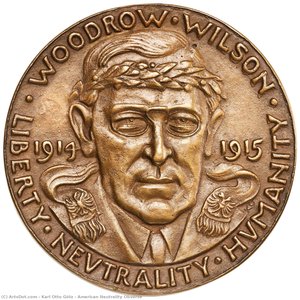
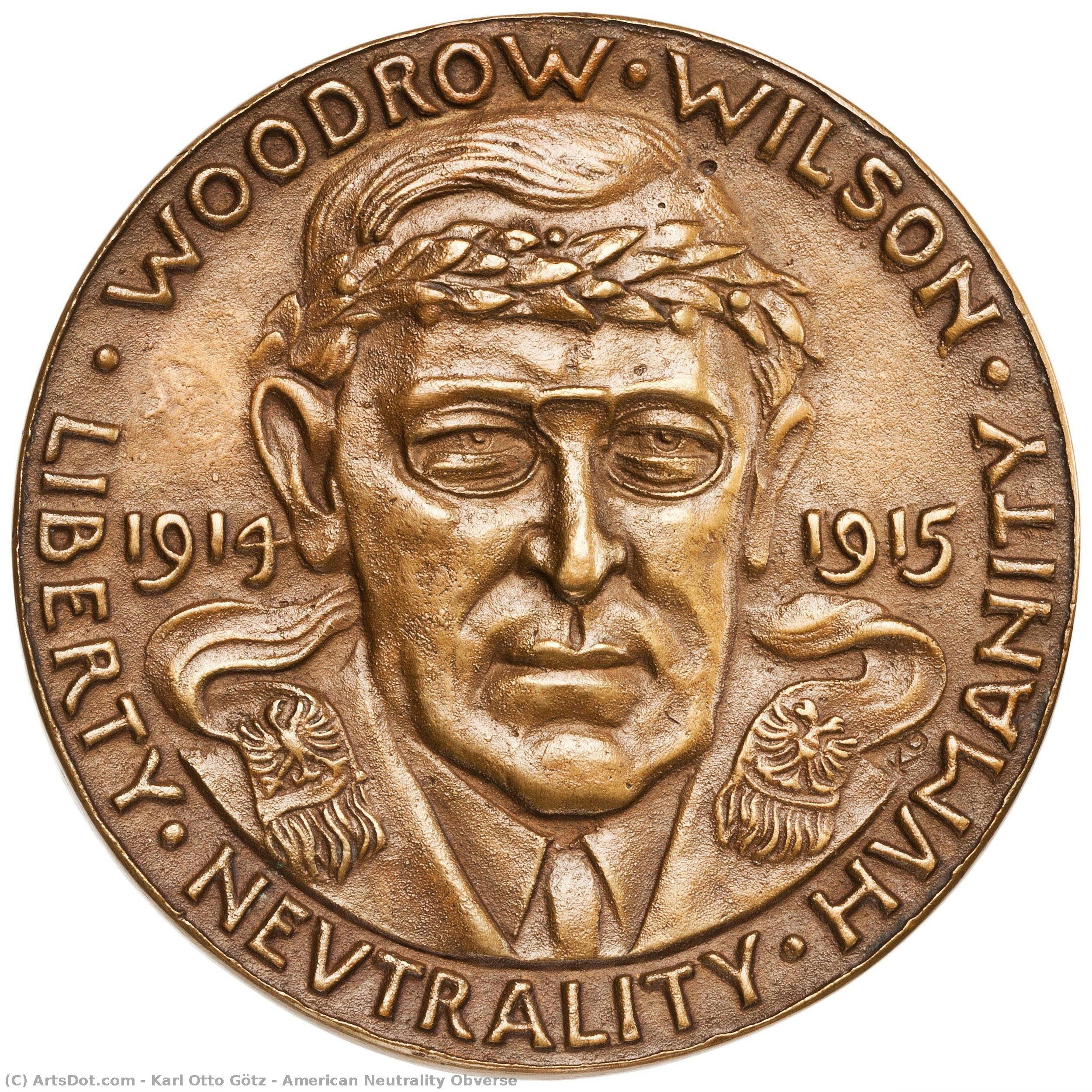
American Neutrality Obverse


 Read More
Hand Made Oil Reproduction
Hand-painted oil on canvas in your size and frame, made to order by our artists. ( Buy Print Buy Image)




































Pick from our preset sizes that match the artwork's original proportions.

You may enter your own dimensions to fit a specific frame or space. If your selected size does not match the original image's proportions, we will either crop the artwork or extend the painting with additional hand-painted elements. A digital mockup will be sent for your approval before production begins.
Please note that the on-screen preview does not reflect the actual cropping or extension. Only the mockup will accurately show the final composition.
While custom sizes are available, we recommend selecting a dimension from the predefined list to preserve the original proportions.
After order, ArtsDot.com team will email client for instructions and provide a mockup preview
Worldwide Delivery () in 3/4 weeks instead of standard 5 weeks. (17 August). No compromise on quality.

Free Worldwide Express Shipping

High-Quality Linen Canvas

Full Shipping Insurance

Customs Tax Refund Guarantee

True Color Matching Guarantee

60-Day Return Policy (Defects Only)

100% Money-Back Guarantee

Bulk Discount Offer
 Glass option is only available in size under 110 CM

American Neutrality Obverse
Reproduction Medium
Reproduction Size
-


Total Price
$ 263
Artwork Description
A Testament to Resolve: Karl Otto Götz’s “American Neutrality Obverse”
Karl Otto Götz's "American Neutrality Obverse" is more than just a depiction of a bronze medal; it’s a potent visual statement forged in the crucible of early 20th-century America. Executed in 1915, this remarkable piece captures a pivotal moment – the nation’s hesitant stance amidst the escalating tensions that would ultimately lead to World War I. The medal itself, rendered with meticulous realism by Götz, speaks volumes about the anxieties and ideals of the time. The central figure, undoubtedly Woodrow Wilson, is presented not as a triumphant leader but as a man burdened by responsibility, his serious expression and spectacles conveying the weight of a nation’s uncertain path. The laurel wreath, a traditional symbol of victory, here feels subtly ironic, hinting at the potential for defeat rather than assured triumph.
Technique and Material: A Masterclass in Bronze Relief
Götz's mastery is immediately apparent in the execution of this piece. The bronze material itself possesses a rich, golden-brown patina – an antique effect deliberately crafted to evoke a sense of history and solemnity. This isn’t simply painted onto metal; it’s a complex process of relief sculpting and casting, resulting in incredibly detailed surfaces. The embossing technique employed creates a tactile quality, inviting the viewer to almost feel the weight of the medal. Notice the intricate feather patterns on the eagle wings – each plume painstakingly rendered, demonstrating Götz's dedication to capturing texture and form with exceptional precision. This level of detail elevates the work beyond a mere reproduction; it’s a testament to the artist’s technical skill and his commitment to creating a truly immersive artwork.
Symbolism and Historical Context
The inscription "LIBERTY" and “IN GOD WE TRUST” are not merely decorative elements. They represent core American values – freedom and divine guidance – ideals that Wilson invoked as justification for neutrality. The years "1914 1915" stamped onto the medal mark a critical period, a time of intense debate and growing isolationism within the United States. The flanking eagles, powerful symbols of American strength and independence, further reinforce this message. These figures are not simply decorative; they embody the nation’s aspirations and its perceived role in the world. Götz's choice to depict Wilson with such solemnity reflects the profound moral dilemmas faced by the President and the nation as a whole.
Emotional Resonance and Artistic Legacy
"American Neutrality Obverse" transcends its historical subject matter, offering a powerful meditation on leadership, responsibility, and national identity. The work’s inherent tension – between hope and doubt, strength and vulnerability – resonates deeply with viewers today. Karl Otto Götz's legacy extends far beyond his involvement in German Art Informel; this piece exemplifies his ability to capture complex emotions and historical moments with remarkable clarity and artistic skill. It is a compelling addition to any collection, offering not just a beautiful object but a window into a pivotal moment in American history.
Related Artworks
Artist Biography
The Explosive Legacy of Karl Otto Götz
Karl Otto Götz (1914 – 2017) stands as an unparalleled figure in the annals of twentieth-century art, a creator whose remarkable longevity—reaching over a century—was matched only by the sheer intensity and complexity of his artistic vision. Born in Aachen, Germany, Götz was far more than a mere painter; he was a filmmaker, draughtsman, printmaker, writer, and professor who profoundly shaped the artistic landscape of his era. His career was defined by explosive abstract forms that earned him international acclaim, most notably during his appearance at Documenta II in 1959, which cemented his place as one of the most vital members of the German Art Informel movement.
His journey began amidst the avant-garde currents of his youth, where he cultivated a deep fascination with Surrealism and Expressionism. The works of masters such as Max Ernst, Juan Gris, Wassily Kandinsky, and Paul Klee served as crucial early inspirations, shaping his initial stylistic explorations. While attending the School of Applied Arts in Aachen between 1932 and 1933, he honed the technical skills that would later serve his more radical experiments. However, the looming shadow of Nazism cast a profound darkness over his early trajectory; because the regime viewed abstract art with intense disapproval, Götz was banned from exhibiting. Yet, in an act of quiet defiance, he persevered, secretly continuing to create works that challenged the ideological constraints of the time.
The Spirit of Art Informel and Spontaneous Gesture
The post-war era brought a resurgence of artistic experimentation in Germany, fueled by a widespread disillusionment with traditional aesthetics and a desperate yearning for new forms of expression. It was within this fertile ground that Götz emerged as a pivotal champion of Deutsches Informel, or German Informal Art. This movement prioritized the raw power of gesture and spontaneity over the meticulous, controlled representation of the past. Götz’s work became a vessel for this energy, characterized by a rhythmic, almost frenetic application of paint that captured the psychological turbulence of the post-war period.
His mastery extended beyond the canvas into diverse mediums, where he explored the intersection of movement and image. His contributions to television art and his ability to translate the kinetic energy of painting into other formats demonstrated a relentless pursuit of innovation. This period of his life was marked by a refusal to be tethered to a single style, as he moved fluidly between:
- Abstract Expressionism: Utilizing rapid, gestural strokes to convey emotion.
- Printmaking and Medallion Work: Creating symbolic bronze pieces that reflected historical tensions and political symbolism.
- Experimental Film: Exploring the temporal dimension of visual abstraction.
Historical Significance and Lasting Influence
The significance of Karl Otto Götz lies not only in his individual achievements but in his role as a bridge between the early twentieth-century avant-garde and the contemporary era. His work provided a vital link for subsequent generations of artists, influencing titans of German art such as Sigmar Polke and Gerhard Richter. By championing an aesthetic that embraced the unpredictable and the unrefined, he helped redefine the boundaries of what painting could achieve in a modern, fractured world.
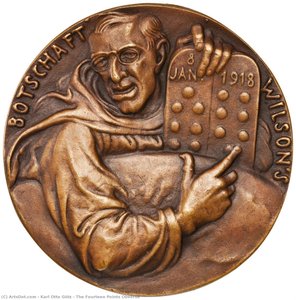
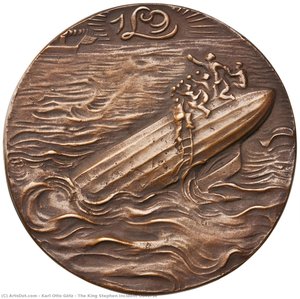
Even when working in more structured mediums, such as his striking bronze medallions, Götz infused his subjects with the bold, symbolic language of Art Informel. Whether depicting historical figures or commemorating naval incidents through powerful, symbolic imagery, his hand remained unmistakably his own—dynamic, authoritative, and deeply connected to the pulse of history. His legacy remains a testament to the power of artistic resilience, proving that even under the most restrictive regimes, the impulse toward abstract freedom can never be truly extinguished.
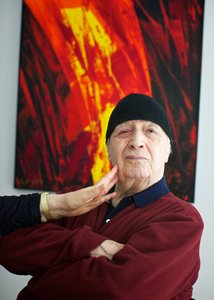
karl otto götz
1914 - 2017 , Germany
Quick Facts
- Artistic Movement Or Style: Art Informel
- Artists Or Movements Influenced By This Artist:
- Sigmar Polke
- Nam June Paik
- Gerhard Richter
- Artists Who Influenced This Artist:
- Max Ernst
- Juan Gris
- Wassily Kandinsky
- Paul Klee
- Date Of Birth: February 22nd, 1914
- Date Of Death: August 19th, 2017
- Full Name: Karl Otto Götz
- Nationality: German
- Notable Artworks:
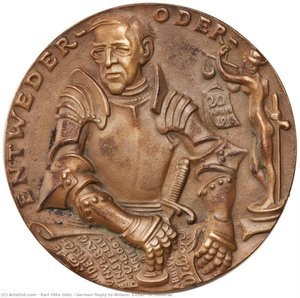
- The King Stephen Incident Obverse
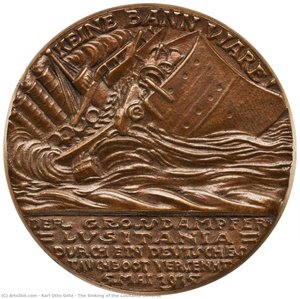
- The Sinking of the Lusitania Obverse
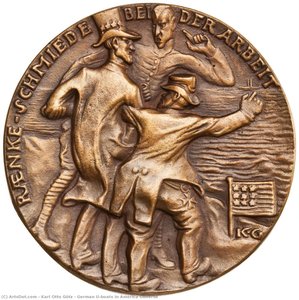
- German U-boats in America
- Place Of Birth: Aachen, Germany
Related Articles

The Enduring Legacy of Bronze: A Historical & Artistic Exploration for the Collector
Explore the rich history & enduring appeal of bronze sculpture with expert insights for collectors at ArtsDot. Learn about casting techniques, iconic artists, collecting tips & contemporary interpretations.

Bronze Age to Modern Masters: 10 Sculptures That Redefined Art | ArtsDot
Journey through art history with 10 legendary bronze sculptures – from Michelangelo's David to Rodin’s Thinker. Explore the stories, techniques & timeless beauty of these masterpieces. Find museum-quality reproductions & elevate your home decor on ArtsDot.com.
The Enduring Legacy of Bronze: History, Technique & Artistic Expression for the Collector
Explore the rich history & enduring appeal of bronze sculpture with expert insights for collectors at ArtsDot. Learn about casting techniques, iconic artists, and collecting tips.

Grant Wood & American Regionalism: Identity, Myth & the Rural Landscape
Explore the world of Grant Wood & American Regionalism with ArtsDot. Discover the symbolism behind 'American Gothic', recurring themes, and the movement's lasting impact on art history. High-quality reproductions available.

The Enduring Legacy of Bronze Sculpture: Technique, Symbolism & Cultural Impact
Explore the rich history & enduring appeal of bronze sculpture with expert insights for collectors. Learn about casting techniques, iconic artists, collecting tips & contemporary interpretations at ArtsDot.