 Preview
 Send
Send Share
Share
 Details

 Download
 Similars
 X-Ray
X-Ray Diaporama
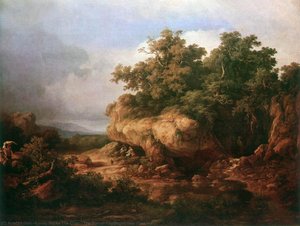
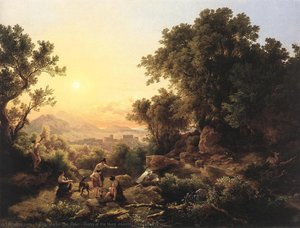
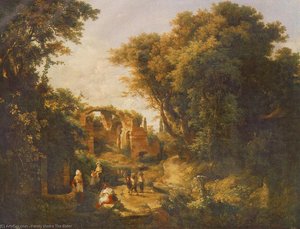
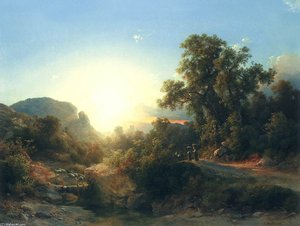
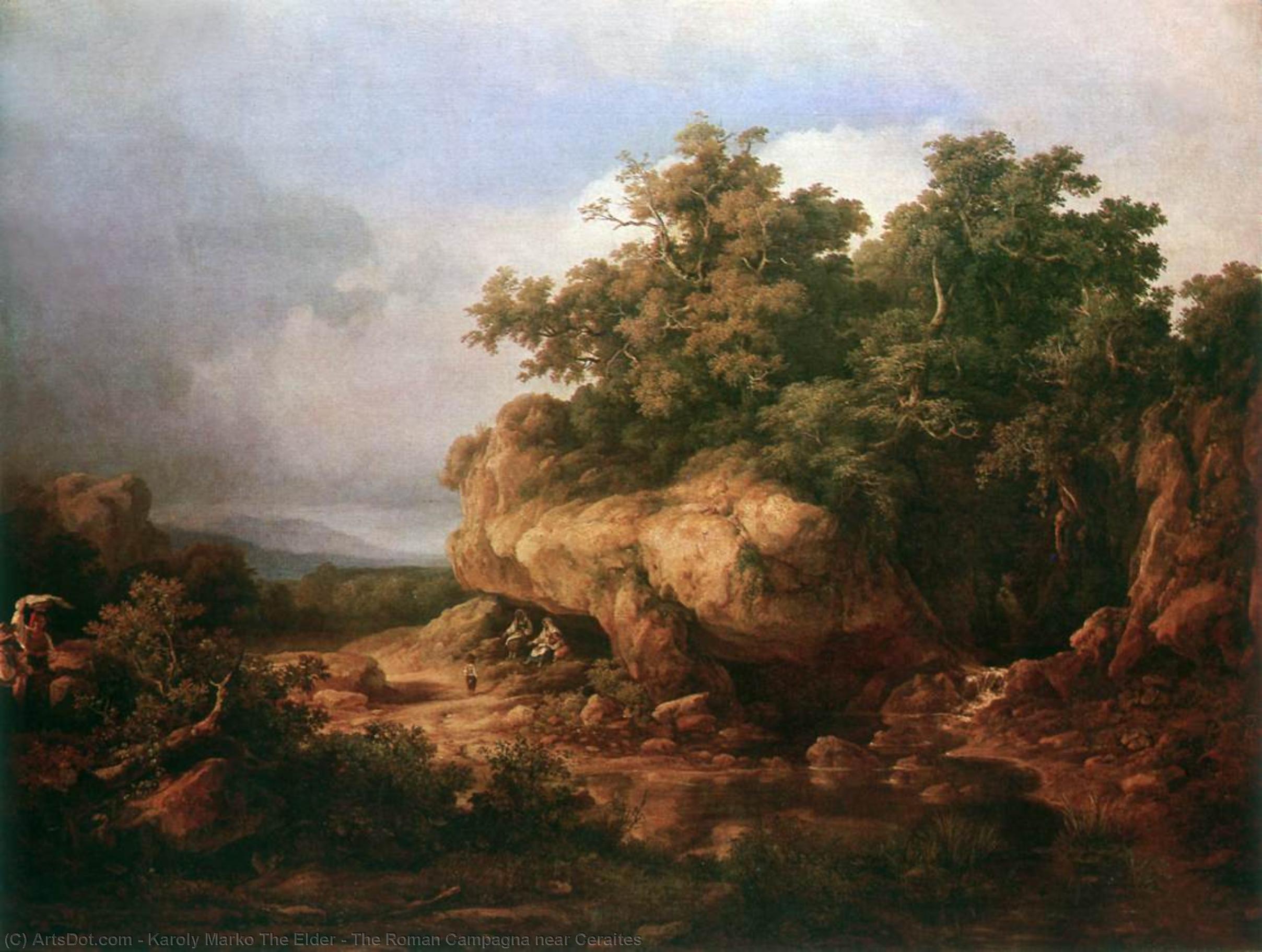
The Roman Campagna near Ceraites
 Oil On Canvas
- WallArt
- Romanticism
 1843
1843- 19th Century
 76.0 x 100.0 cm
 Hungarian National Gallery
 Read More
Giclée / Art Print
Museum-quality giclée or canvas print with fast production and flexible finish options. ( Buy Hand Made Painting Buy Image)




P118B $10

P118H $10

P118W $10

P438Z $10

P508JH $12

P508YH $12

P805H $10

P805Z $10

P919BZ $10

P919G $10

P919XJ $10

P959ZH $10

P968JZ $12

W106C $8

W218G $10

W218JH $8

W218Y $10

W307PJ $10

W316G $10

W316PJ $8

W316Y $10

W398PJ $8

W4111J $10

W500HY $15

W500JH $15

W692G $12

W849H $8

W940BG $15

W953PJ $8




Pick from our preset sizes that match the artwork's original proportions.

You may enter your own dimensions to fit a specific frame or space. If your selected size does not match the original image's proportions, we will either crop the artwork or extend the image with a mirrored or solid-fill edge. A digital mockup will be sent for your approval before production begins.
Please note that the on-screen preview does not reflect the actual cropping or extension. Only the mockup will accurately show the final composition.
While custom sizes are available, we recommend selecting a dimension from the predefined list to preserve the original proportions.
Worldwide Delivery () in 2 weeks instead of standard 4/5 weeks. (17 August)

Free Worldwide Express Shipping

High-Quality Linen Canvas

Full Shipping Insurance

Customs Tax Refund Guarantee

True Color Matching Guarantee

60-Day Return Policy (Defects Only)

100% Money-Back Guarantee

Bulk Discount Offer
 Glass option is only available in size under 110 CM

The Roman Campagna near Ceraites
Giclée / Art Print
Reproduction Size
-


Total Price
$ 63
Collectible Description
A Pastoral Dream in the Roman Campagna
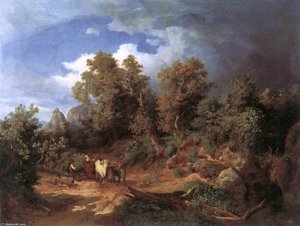
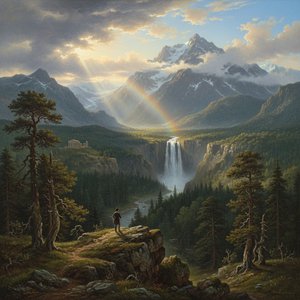
To gaze upon this depiction of The Roman Campagna near Ceraites is to step through a veil into an idealized vision of antiquity. It is more than just a landscape; it is a carefully composed meditation on humanity's enduring relationship with nature. The scene unfolds across a rocky hillside, richly textured with scattered trees that seem to whisper tales of bygone eras. One can almost feel the sun-drenched warmth and hear the distant murmur of life echoing through this picturesque Italian setting. The artist has masterfully captured not merely a location, but a moment suspended in time—a breath held between history and tranquility.
The Dynamics of Life Within the Landscape
What elevates this painting beyond mere scenic beauty is the vibrant inclusion of its inhabitants. Scattered throughout the composition are figures engaged in various moments of repose or gentle activity. They populate the foreground and middle ground, lending a palpable sense of narrative depth to the scene. Adding an element of dynamic grace are the two horses; one positioned near the heart of the image, and another anchoring the right side. These animals, alongside the people, introduce movement into what could otherwise be a static tableau. The interplay between the grounded solidity of the rocky terrain, the organic flow of the foliage, and the lively presence of human and animal figures creates an exquisite sense of depth and continuous, unfolding life.
Romantic Echoes in Technique and Style
Painted in 1843 by karoly marko the elder, this work sits comfortably within the grand tradition of Romantic landscape painting. While the subject matter evokes classical antiquity—the Roman Campagna itself being a potent symbol—the execution carries the emotional weight characteristic of the era. The technique allows for both meticulous detail in rendering the rock formations and an atmospheric softness in treating the distant air and foliage. It is a balance achieved between topographical accuracy and sublime feeling, inviting the viewer to project their own romantic notions onto the scene.
Symbolism and Emotional Resonance
The choice of the Roman Campagna itself carries profound symbolic weight—it speaks of enduring civilization juxtaposed against untamed nature. The presence of figures suggests community, journey, or perhaps even a return to simpler, pastoral virtues. For the modern collector or designer, this piece offers an immediate infusion of serene grandeur. It is art that does not shout but rather hums with quiet dignity. Reproducing this work allows one to bring the sophisticated calm and historical romance of the Italian countryside into any interior space, transforming it into a sanctuary reminiscent of classical ideals.
Related Artworks
Artist Biography
Théodore Géricault: A Titan of Romanticism
Jean-Louis André Théodore Géricault, born in Rouen on September 26, 1791, was a figure whose life and art collided dramatically with the turbulent currents of late 18th and early 19th century France. His tragically short career—ending at just 32 years old—left behind an astonishingly powerful body of work that fundamentally reshaped European painting, establishing him as a pivotal pioneer of Romanticism. More than simply depicting historical events or grand narratives, Géricault sought to capture the raw emotion and psychological intensity of human experience, often confronting viewers with uncomfortable truths about mortality, suffering, and social injustice.
Early Life and Artistic Foundations
Géricault’s early life was marked by a deep connection to art. His father, a lawyer, fostered an appreciation for the visual arts, while his maternal uncle, Pierre Laurent, a printer and engraver, introduced him to the world of the *Musée Français*, a private printing workshop established in Paris. This unique environment provided Géricault with unparalleled access to masterworks from across Europe—Rubens, Titian, Velázquez—and instilled within him a profound understanding of artistic technique and history. Crucially, he studied under Carle Vernet, absorbing the conventions of English sporting art, but quickly surpassed his teacher’s style, demonstrating an innate ability to convey dramatic emotion and psychological depth. His time with Guérin, a staunch classicist, provided a rigorous grounding in anatomical accuracy and compositional structure, though Géricault ultimately rejected the rigid formalism of academic tradition.
The Raft of the Medusa: A Monumental Declaration
Géricault’s most celebrated work, *Le Radeau de la Méduse* (The Raft of the Medusa), completed in 1819, remains a visceral testament to his artistic vision. The painting depicts the harrowing aftermath of the shipwreck of the French frigate *Méduse*, which ran aground off the coast of West Africa in 1816. Aboard the ship were soldiers and passengers, many abandoned on a hastily constructed raft with minimal supplies. Géricault meticulously researched the event, interviewing survivors and constructing a detailed model of the raft to ensure accuracy. However, he deliberately eschewed the heroic depiction favored by official commissions, instead presenting a scene of abject despair, starvation, and imminent death. The painting’s monumental scale—over 16 feet high and nearly 23 feet wide—compelled viewers to confront the brutal reality of human suffering and governmental incompetence. The composition, with its dynamic diagonals and carefully orchestrated figures, powerfully conveys the chaos and desperation of the situation.
Beyond the Raft: Exploring Human Condition
While *Le Radeau de la Méduse* cemented Géricault’s reputation, his artistic output extended far beyond this single masterpiece. He explored a wide range of subjects—historical events, portraits, and scenes of everyday life—always imbued with an intense emotional charge. His series of portraits, including the haunting depiction of *The Swamp of Cythera*, captured the psychological states of his subjects with remarkable sensitivity. He also produced powerful depictions of contemporary social issues, such as *Execution of Desmoulins*, a stark portrayal of revolutionary violence, and *The Shipwrecked Slave*, which exposed the horrors of the transatlantic slave trade. These works demonstrated Géricault’s commitment to using art as a vehicle for social commentary and political critique.
Legacy and Influence
Théodore Géricault died prematurely in Paris on January 26, 1824, at the age of 32. Despite his brief life, his impact on European art was profound. He shattered traditional academic conventions, paving the way for the Romantic movement with his emphasis on emotion, drama, and individual experience. His influence can be seen in the works of Eugène Delacroix, whose *Liberty Leading the People* directly references Géricault’s compositional techniques. Géricault's willingness to confront difficult subjects and explore the darker aspects of human nature continues to resonate with artists today, solidifying his place as a visionary artist who forever changed the course of art history.
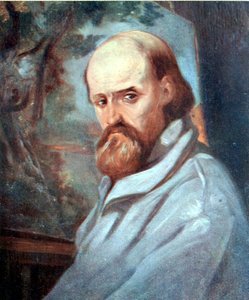
karoly marko the elder
1791 - 1860 , Hungary
Quick Facts
- Artistic Movement Or Style: Romanticism
- Artists Or Movements Influenced By This Artist: ['Eugène Delacroix']
- Artists Who Influenced This Artist:
- Carle Vernet
- Rubens
- Guérin
- Date Of Birth: September 26, 1791
- Date Of Death: January 26, 1824
- Full Name: Théodore Géricault
- Nationality: French
- Notable Artworks:
- The Raft of the Medusa
- Charging Chasseur
- Place Of Birth: Rouen, France
Related Articles

Romantic Landscapes: 10 Masterpieces for Your Home | ArtsDot
Journey through 10 Romantic landscape masterpieces by Friedrich, Turner & Cole. Explore emotional art, sublime nature scenes & iconic 19th-century paintings. Find museum-quality reproductions for your home at ArtsDot.com – discover the full collection online!

Beyond the Horizon: 10 Landscape Masterpieces for Your Home Decor
Journey through 10 breathtaking landscape paintings by Monet, Van Gogh & more! Explore iconic artworks, artistic techniques & find inspiration for your home decor. Museum-quality reproductions at ArtsDot.com. Discover all masterpieces on ArtsDot.com
Evoking Nature's Sublime: A Comprehensive Exploration of 19th-Century Landscape Painting
Explore the captivating world of 19th-century landscape painting! Discover renowned artists like Friedrich & Monet, key movements, and find the perfect artwork to bring nature's serenity into your home. Expert insights at ArtsDot.

Impressionistic Landscapes: 10 Masterpieces That Changed Art & Decor
Journey into the heart of Impressionism! Explore 10 masterpieces by Monet, Renoir & Degas that revolutionized landscape art. Discover their stories, techniques & find museum-quality reproductions to elevate your home decor on ArtsDot.com.

John Constable's Masterpieces: Explore 25 Iconic Landscapes for Your Home
Journey through John Constable's 25 most celebrated landscapes. Explore Romanticism, Dedham Vale & his masterful use of light in iconic paintings like 'Hay Wain'. Find museum-quality art reproductions and elevate your home decor on ArtsDot.com.