 Preview
 Send
Send Share
Share
 Details

 Download
 Similars
 X-Ray
X-Ray Diaporama
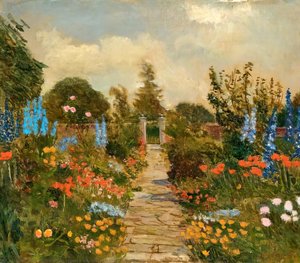
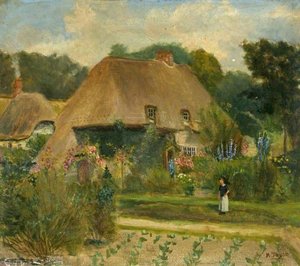
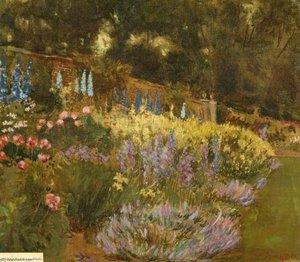
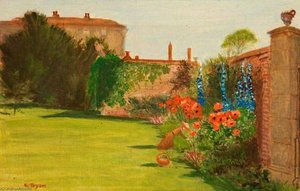
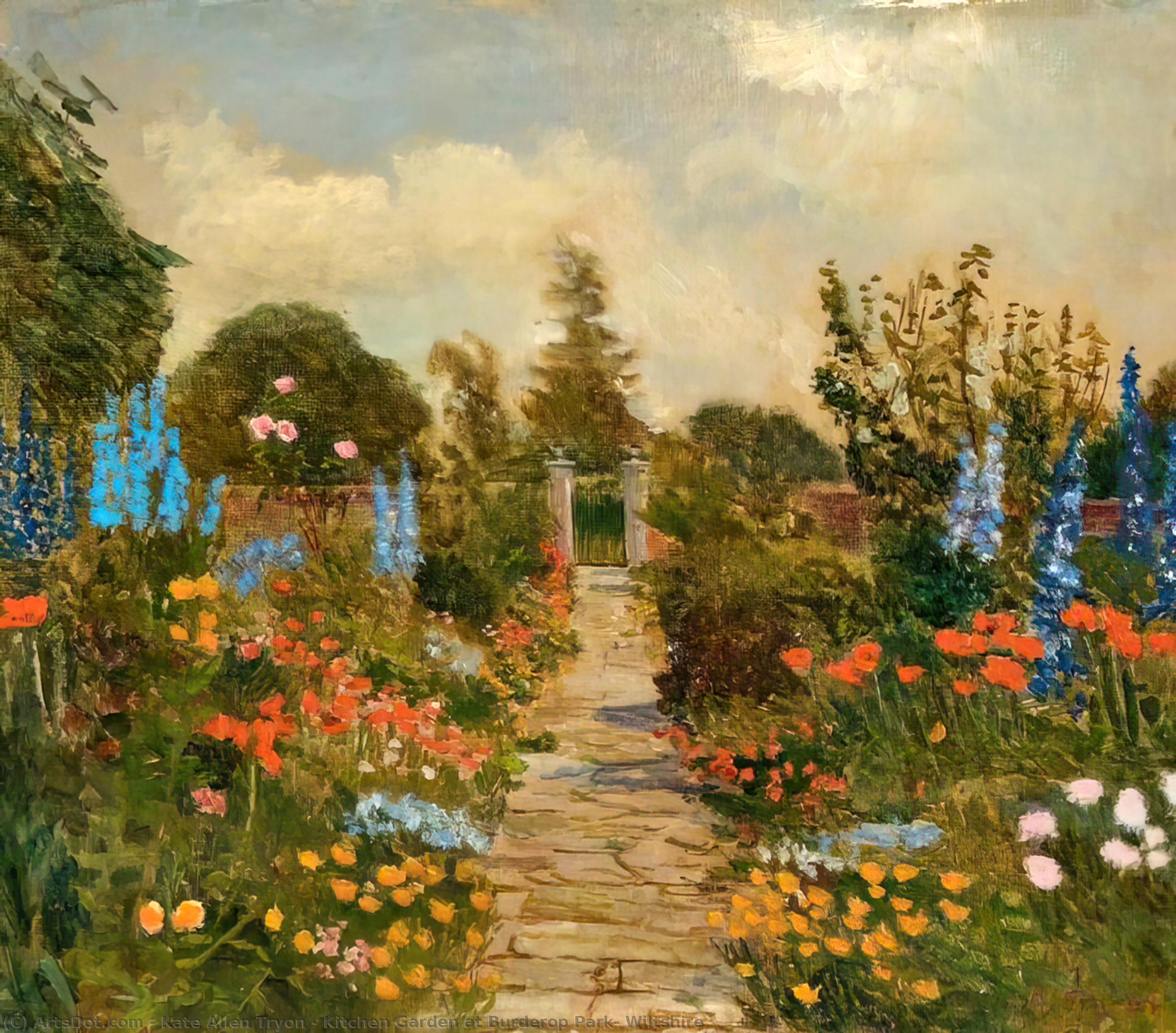
Kitchen Garden at Burderop Park, Wiltshire
 Watercolor
- WallArt
- Impressionism
 1910
1910- Modern
 32.0 x 37.0 cm
 Richard Jefferies' House And Museum
 Read More
Hand Made Oil Reproduction
Hand-painted oil on canvas in your size and frame, made to order by our artists. ( Buy Print Buy Image)




P118B $10

P118H $10

P118W $10

P438Z $10

P508JH $12

P508YH $12

P805H $10

P805Z $10

P919BZ $10

P919G $10

P919XJ $10

P959ZH $10

P968JZ $12

W106C $8

W218G $10

W218JH $8

W218Y $10

W307PJ $10

W316G $10

W316PJ $8

W316Y $10

W398PJ $8

W4111J $10

W500HY $15

W500JH $15

W692G $12

W849H $8

W940BG $15

W953PJ $8




Pick from our preset sizes that match the artwork's original proportions.

You may enter your own dimensions to fit a specific frame or space. If your selected size does not match the original image's proportions, we will either crop the artwork or extend the painting with additional hand-painted elements. A digital mockup will be sent for your approval before production begins.
Please note that the on-screen preview does not reflect the actual cropping or extension. Only the mockup will accurately show the final composition.
While custom sizes are available, we recommend selecting a dimension from the predefined list to preserve the original proportions.
After order, ArtsDot.com team will email client for instructions and provide a mockup preview
Worldwide Delivery () in 3/4 weeks instead of standard 5 weeks. (17 August). No compromise on quality.

Free Worldwide Express Shipping

High-Quality Linen Canvas

Full Shipping Insurance

Customs Tax Refund Guarantee

True Color Matching Guarantee

60-Day Return Policy (Defects Only)

100% Money-Back Guarantee

Bulk Discount Offer
 Glass option is only available in size under 110 CM

Kitchen Garden at Burderop Park, Wiltshire
Reproduction Medium
Reproduction Size
-


Total Price
$ 263
Artwork Description
A Symphony of Color in the Wiltshire Garden
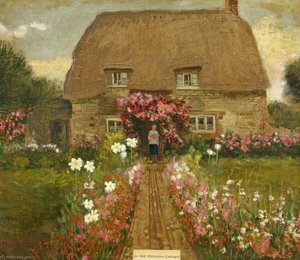
In the delicate brushstrokes of Kitchen Garden at Burderop Park, Wiltshire, we are invited into a sanctuary where time seems to stand still. Painted in 1910 by the gifted Kate Allen Tryon, this masterpiece captures more than just a botanical arrangement; it captures a moment of profound serenity. The composition draws the eye along a winding pathway that serves as a gentle guide through a kaleidoscope of flora. Vibrant splashes of red, blue, yellow, and pink dance across the canvas, creating a rhythmic visual melody that celebrates the peak of a summer bloom. As the path meanders through the heart of the garden, it offers a sense of discovery, leading the viewer deeper into a lush, immersive landscape where every petal feels alive with light.
The technique employed by Tryon reflects her deep-seated connection to the natural world and her mastery of watercolor. There is a luminous quality to the work, achieved through a delicate layering of pigments that allows the brightness of the flowers to glow against the verdant greenery. Her style avoids rigid outlines, opting instead for soft, impressionistic edges that mimic the way light filters through leaves and petals. This fluid approach creates an atmosphere of movement, as if a light breeze might stir the blossoms at any moment. For the discerning collector or interior designer, this piece offers a sophisticated balance of detail and softness, making it an ideal focal point for spaces that aim to evoke tranquility and organic elegance.
Historical Resonance and Emotional Depth
To understand this painting is to understand the soul of the artist herself. Having moved from the intellectual landscapes of Maine to the rolling hills of Wiltshire, Kate Allen Tryon brought a unique perspective to her English subjects. Her work is deeply intertwined with the pastoral traditions of the region, often reflecting the spirit of naturalists like Richard Jefferies. In Kitchen Garden at Buritoop Park, we see this reverence for the English countryside manifested in the meticulous yet soulful depiction of the garden's architecture—from the structured pathway to the quiet, solitary bench tucked away on the right. This small detail suggests a human presence, an invitation to pause, reflect, and find solace in the beauty of the earth.
Beyond its aesthetic charm, the painting carries a symbolic weight of peace and permanence. In an era of rapid change, Tryon’s garden remains an eternal refuge. The interplay between the structured path and the wild, exuberant flowers symbolizes the harmonious relationship between human cultivation and the untamed beauty of nature. For those looking to adorn a home or gallery with a high-quality reproduction, this artwork provides more than mere decoration; it brings an emotional resonance of calm and a timeless connection to the splendor of the natural world. It is a piece that breathes life into any room, offering a window into a sun-drenched afternoon in 1910.
Related Artworks
Artist Biography
Kate Allen Tryon: A Voice for Wiltshire and Wings of Watercolor
Kate Allen Tryon (1865-1952) emerged from the vibrant literary landscape of Maine, forging a distinctive artistic path rooted in observation and imbued with a profound appreciation for the natural world. Born in Portland, Oregon, she moved to Wiltshire, England, in 1903 where she established herself as a respected watercolorist and writer—a dual vocation that profoundly shaped her oeuvre and cemented her legacy as a champion of ornithological illustration and landscape painting.- Early Life & Education: Tryon’s formative years were spent immersed in the intellectual currents of Maine, nurtured by a family dedicated to education and scholarship. She pursued studies at Colby College, graduating magna cum laude with honors in English Literature—a grounding that would inform her meticulous attention to detail and stylistic precision throughout her artistic career.
- Literary Beginnings: Before dedicating herself fully to painting, Tryon honed her writing skills as a journalist for the Portland Oregonian, covering topics ranging from local politics to social reform. Her journalistic experience instilled in her a keen understanding of narrative structure and persuasive prose—skills she skillfully employed in her own published works.
- Influence of Richard Jefferies: Tryon’s artistic sensibilities were decisively molded by the writings of Richard Jefferies, a British naturalist whose evocative descriptions of Wiltshire landscapes captivated Tryon's imagination. Jefferies’ celebration of rural life and his meticulous observation of avian behavior served as an inspiration for Tryon’s watercolor paintings—particularly her series depicting songbirds in their habitats.
Watercolor Technique & Artistic Vision
Tryon’s artistic technique was characterized by a commitment to realism tempered with lyrical sensitivity. She favored loose, expressive brushstrokes that captured the fleeting beauty of light and shadow—a stylistic approach reminiscent of Impressionism but firmly grounded in meticulous botanical illustration. Her watercolors possessed an unparalleled level of detail, meticulously documenting plumage patterns, feather textures, and subtle variations in coloration. This dedication to accuracy was not merely a technical consideration; it reflected Tryon’s belief that art could illuminate the wonders of the natural world with unwavering fidelity.- Detailed Observation: Tryon spent countless hours studying birds in Wiltshire—observing their movements, vocalizations, and interactions within their ecosystems. She painstakingly recreated these observations on watercolor paper, capturing not only the visual appearance of the birds but also conveying a sense of immediacy and spontaneity.
- Palette & Composition: Her palette consisted primarily of muted earth tones—greens, browns, ochres—that harmoniously blended with the colors of Wiltshire’s landscapes. Tryon skillfully employed compositional techniques to draw viewers' eyes into the heart of her paintings—often centering on a single bird amidst a backdrop of foliage or wildflowers.
Notable Achievements & Legacy
Tryon achieved considerable recognition for her artistic endeavors and scholarly pursuits. Her watercolor paintings were exhibited extensively in England and America, garnering critical acclaim for their beauty and scientific accuracy. She published several monographs documenting her ornithological studies—including “Birds of Wiltshire” (1930)—which became invaluable resources for biologists and amateur naturalists alike. Furthermore, Tryon’s work contributed to the broader movement advocating for conservation—demonstrating a deep concern for protecting vulnerable habitats and safeguarding avian populations. Her legacy endures as an exemplar of artistic integrity combined with intellectual curiosity—a testament to her unwavering devotion to capturing the essence of both art and science.Concluding Reflections
Kate Allen Tryon’s life spanned a period of significant social and cultural transformation, yet she remained steadfast in her commitment to honoring the natural world through her artistic vision. Her watercolors—particularly those depicting Wiltshire songbirds—continue to inspire admiration for their exquisite detail and evocative beauty—serving as enduring reminders of a time when observation and empathy guided both artistic practice and scientific inquiry. Tryon’s contribution to ornithological illustration and landscape painting solidified her place in the annals of art history, ensuring that her voice—a voice attuned to the rhythms of Wiltshire and the wings of watercolor—would resonate for generations to come.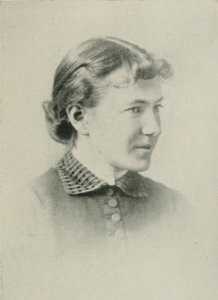
kate allen tryon
1865 - 1952
Quick Facts
- Artistic Movement Or Style: Watercolor painting
- Artists Or Movements Influenced By This Artist: ['Romanticism']
- Artists Who Influenced This Artist: ['Richard Jefferies']
- Date Of Birth: 1865
- Date Of Death: 1952
- Full Name: Kate Allen Tryon
- Nationality: American
- Notable Artworks:
- Songbird Paintings
- Wiltshire Landscapes
- Place Of Birth: Maine
Related Articles
Cultivating Paradise: A Historical & Artistic Exploration of Gardens in Painting
Explore the rich history of gardens in painting! Discover masterpieces from Renaissance to Impressionism & beyond. Learn about symbolism, artists like Monet & Klimt, and find your perfect artwork at ArtsDot.
Earthy Hues & Masterpieces: Top 10 Paintings with 'Mushroom' Tones |
Explore 10 iconic paintings with captivating 'mushroom' tones! Discover Van Gogh, Monet & Rembrandt’s masterpieces—earthy palettes, rich history & artistic techniques. Find museum-quality art reproductions and curated decor ideas at

Sandstone & Sunlight: 10 Masterpieces of Earth-Toned Art |
Journey through 10 iconic paintings bathed in 'sand' tones – from Van Gogh to Monet. Explore the stories, techniques & warm palettes of these timeless masterpieces. Find museum-quality art reproductions at and bring classic beauty home.
Tan Tones & Timeless Masterpieces: 10 Paintings for Elegant Home Decor
Explore 10 famous paintings dominated by captivating tan tones! From Renaissance portraits to Impressionist landscapes, discover art history's most serene masterpieces. Find museum-quality reproductions & elevate your home decor on .
Blossoms of Time: A Historical & Aesthetic Exploration of Floral Painting Across Cultures
Explore the rich history of floral painting! Discover symbolism, techniques & masterpieces from Van Huysum to O'Keeffe. Expert insights for art lovers & collectors at ArtsDot.