 Preview
 Send
Send Share
Share
 Details

 Download
 Similars
 X-Ray
X-Ray Diaporama
Horse talisman


 Read More
Hand Made Oil Reproduction
Hand-painted oil on canvas in your size and frame, made to order by our artists. ( Buy Print Buy Image)




P118B $10

P118H $10

P118W $10

P438Z $10

P508JH $12

P508YH $12

P805H $10

P805Z $10

P919BZ $10

P919G $10

P919XJ $10

P959ZH $10

P968JZ $12

W106C $8

W218G $10

W218JH $8

W218Y $10

W307PJ $10

W316G $10

W316PJ $8

W316Y $10

W398PJ $8

W4111J $10

W500HY $15

W500JH $15

W692G $12

W849H $8

W940BG $15

W953PJ $8




Pick from our preset sizes that match the artwork's original proportions.

You may enter your own dimensions to fit a specific frame or space. If your selected size does not match the original image's proportions, we will either crop the artwork or extend the painting with additional hand-painted elements. A digital mockup will be sent for your approval before production begins.
Please note that the on-screen preview does not reflect the actual cropping or extension. Only the mockup will accurately show the final composition.
While custom sizes are available, we recommend selecting a dimension from the predefined list to preserve the original proportions.
After order, ArtsDot.com team will email client for instructions and provide a mockup preview
Worldwide Delivery () in 3/4 weeks instead of standard 5 weeks. (16 August). No compromise on quality.

Free Worldwide Express Shipping

High-Quality Linen Canvas

Full Shipping Insurance

Customs Tax Refund Guarantee

True Color Matching Guarantee

60-Day Return Policy (Defects Only)

100% Money-Back Guarantee

Bulk Discount Offer
 Glass option is only available in size under 110 CM

Horse talisman
Reproduction Medium
Reproduction Size
-


Total Price
$ 263
Artwork Description
A Moment of Serene Harmony: Exploring "Horse Talisman" by Katsushika Hokusai
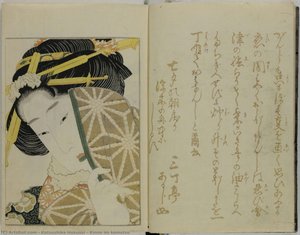
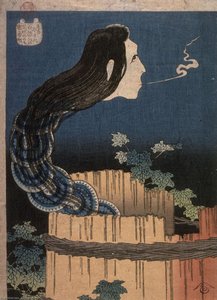
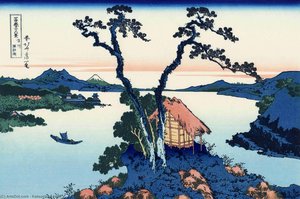
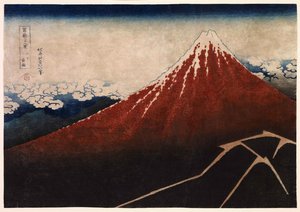
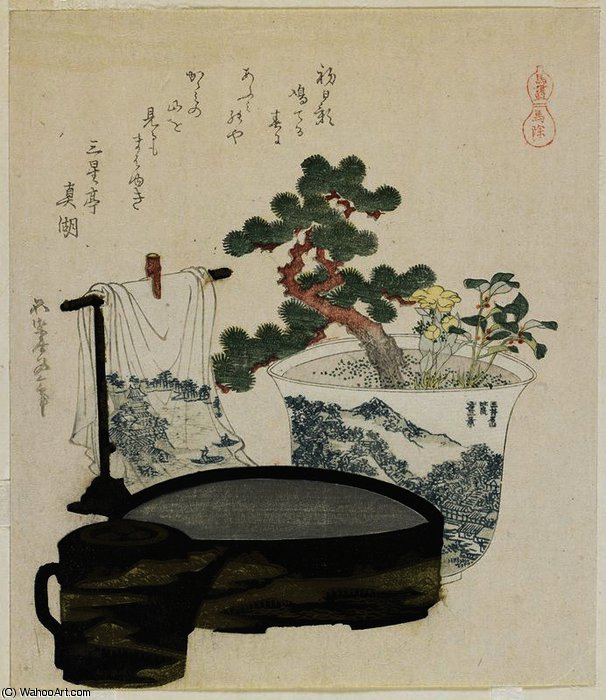
Katsushika Hokusai’s “Horse Talisman” is more than just a beautiful woodblock print; it's a profound meditation on nature, resilience, and the enduring power of symbolism. This captivating image, reminiscent of Hokusai’s celebrated "Great Wave," reveals a quieter, yet equally potent, side to his artistic vision. The artwork immediately draws the eye to a meticulously rendered bonsai tree, presented not as a simple decorative object, but as a talisman – an offering imbued with protective and auspicious qualities. The deliberate arrangement within an ornate pot, surrounded by carefully sculpted rocks, evokes a miniature landscape, a contained world reflecting the principles of Japanese aesthetics centered on harmony and balance.
- Style & Technique: The print is unequivocally a product of the ukiyo-e tradition, a style that flourished in Edo (modern Tokyo) during Hokusai’s lifetime. The artist masterfully employs precise lines and flat planes of color – a hallmark of this technique – to create a remarkably detailed image. Blocks of pigment were meticulously applied to the paper through multiple layers of printing, resulting in a rich depth and luminosity that belies its seemingly simple composition. The deliberate flatness of the forms contributes to a sense of timelessness, characteristic of ukiyo-e’s enduring appeal.
- Color Palette & Composition: Hokusai's color choices are restrained yet evocative. Greens dominate, representing the vitality and longevity associated with the bonsai itself, while reds and pinks add warmth and subtly suggest blossoming flowers. Blues, used in the patterned background and pot details, create a sense of depth and serenity. The centered composition directs our gaze to the bonsai, reinforcing its role as the focal point – a symbol of protection and good fortune.
- Symbolism & Subject Matter: The bonsai tree within this print carries deep symbolic weight in Japanese culture. Bonsai are not merely miniature trees; they represent the ability to shape and control nature, mirroring human aspirations for order and harmony. Presented as a talisman, it suggests a desire for protection, longevity, and perhaps even good fortune – themes central to many aspects of Japanese belief systems. The rocks surrounding the tree further reinforce this connection to the natural world, emphasizing respect for its power and beauty.
The Hand of the Master: Hokusai’s Ukiyo-e Process
Understanding the creation of “Horse Talisman” requires an appreciation for the intricate process of ukiyo-e woodblock printing. Hokusai, along with his assistants, would have first created a series of meticulously carved wooden blocks – one for each color in the image. These blocks were then inked and pressed onto multiple sheets of paper, creating several layers of the final print. This layering technique is what gives the artwork its depth and richness. The artist’s control over line weight and pressure was crucial to achieving the delicate details of the leaves and branches, as well as the textured surfaces of the rocks and pot. The process demanded immense skill, patience, and a deep understanding of both artistic vision and technical execution.
A Window into Edo Japan
Created during Hokusai’s prolific career (1760-1849), “Horse Talisman” offers a glimpse into the vibrant cultural landscape of Edo – then the heart of Japan. Ukiyo-e prints were immensely popular during this period, catering to a broad audience including merchants, samurai, and commoners. They depicted scenes from everyday life, historical events, landscapes, and mythological subjects. Hokusai’s work, in particular, was celebrated for its innovative use of perspective, color, and composition, pushing the boundaries of traditional Japanese art. The print's serene aesthetic reflects a broader cultural emphasis on tranquility, contemplation, and connection with nature – values deeply rooted in Japanese philosophy.
Collecting & Displaying this Timeless Masterpiece
A hand-painted reproduction of “Horse Talisman” by Katsushika Hokusai is more than just an artwork; it’s an investment in beauty, history, and artistic legacy. Its calming composition and rich symbolism make it a perfect addition to any interior space, bringing a touch of Japanese serenity and sophistication. Consider framing this print within a simple, elegant setting to allow its details to truly shine, or incorporating it into a larger collection of ukiyo-e prints for a cohesive and impactful display. Whether you are an art enthusiast, a collector seeking iconic works, or simply someone drawn to the beauty of Japanese aesthetics, “Horse Talisman” offers a timeless connection to one of history’s greatest artistic minds.
Related Artworks
Artist Biography
A Life Etched in Ink: The World of Katsushika Hokusai
Katsushika Hokusai, a name synonymous with Japanese art and the iconic image of *The Great Wave off Kanagawa*, was far more than just a printmaker. Born in Edo (modern-day Tokyo) around 1760, his life was a restless pursuit of artistic mastery, a constant evolution marked by shifting names and an insatiable curiosity. From humble beginnings as the son of a mirror maker, Hokusai’s early inclination towards art wasn't immediately encouraged; yet, he relentlessly honed his skills, reportedly beginning to draw at the age of six. This dedication would define a career spanning nearly nine decades, leaving behind a legacy that continues to resonate with audiences worldwide. His father, Nakajima Ise, though not an artist himself, recognized and perhaps fostered this nascent talent, laying the groundwork for a journey that would transform Japanese visual culture. Hokusai’s early life wasn't one of privilege, but rather a steady climb fueled by ambition and a deep-seated passion to capture the essence of the world around him.From Apprenticeship to Innovation: The Blossoming of a Style
Hokusai’s formal artistic training began at twelve when he entered the studio of Katsukawa Shunshō, a leading master of *ukiyo-e* – “pictures of the floating world.” This genre, popular during the Edo period, depicted scenes from everyday life: actors, courtesans, landscapes, and glimpses into the vibrant urban culture. Under Shunshō’s guidance, Hokusai mastered the techniques of woodblock printing, a demanding process requiring precision and artistry. However, he wasn't content to simply replicate his teacher’s style. Even in his early work, a restless spirit was evident, a desire to push boundaries and explore new avenues of expression. He experimented with different subjects, from book illustrations to single-sheet prints, constantly refining his skills and developing a unique visual language. This period also saw the first of many name changes – a common practice among *ukiyo-e* artists signifying periods of artistic reinvention or affiliation with different schools. He initially focused on illustrating books, which provided him with steady work and allowed him to develop his compositional skills. But it was his move towards single-sheet prints that truly unleashed his creative potential.Mount Fuji and the Floating World: Defining Masterpieces
Hokusai’s artistic output was astonishingly prolific; thousands of woodblock prints, paintings, and illustrated books bear his signature. While he explored a wide range of subjects, it was his series *Thirty-six Views of Mount Fuji* (circa 1831) that cemented his fame. This collection, featuring the now-iconic *The Great Wave off Kanagawa*, wasn’t merely a depiction of a landscape; it was a masterful exploration of perspective, composition, and the power of nature. The wave itself, a towering force about to crash down on tiny boats, embodies both the beauty and the terror of the sea. Beyond *Fuji*, works like *Fireworks at Ryōgoku Bridge* (1790) demonstrated his ability to capture dynamic scenes of daily life with remarkable energy and detail. His *Hokusai Manga* – a collection of sketches and studies encompassing people, animals, landscapes, and fantastical creatures – was groundbreaking in its scope and influence, foreshadowing the development of modern manga as an art form. These works weren’t isolated achievements; they were milestones in a continuous artistic journey, each building upon the last to create a body of work that is both deeply rooted in Japanese tradition and remarkably innovative.A Legacy Beyond Borders: Hokusai's Enduring Influence
Hokusai’s impact extended far beyond Japan. In the late 19th century, as Japan opened its doors to the West, *ukiyo-e* prints flooded European markets, sparking a phenomenon known as *Japonisme*. Artists like Claude Monet, Edgar Degas, and Vincent van Gogh were captivated by Hokusai’s bold compositions, vibrant colors, and unconventional perspectives. Van Gogh, in particular, was deeply influenced by *The Great Wave*, even recreating it in his own paintings. Hokusai's influence wasn't limited to Impressionism; it permeated various modern art movements, shaping the way artists approached composition, color, and subject matter. His emphasis on capturing fleeting moments, his dynamic use of line, and his ability to find beauty in everyday life resonated with a generation of artists seeking new forms of expression. Even today, Hokusai’s work continues to inspire and challenge artists around the world, solidifying his place as one of the most important figures in art history. He continued painting until his death in 1849 at the age of 89, leaving behind a vast body of work that remains a testament to his unwavering dedication and artistic genius.The Old Man Mad About Painting
Hokusai’s life was one of constant reinvention, marked by numerous name changes – over thirty throughout his career – each reflecting a new phase in his artistic development. He often referred to himself as “Gakyō Rōjin,” or "Old Man Crazy to Paint," a fitting title for an artist who remained passionately devoted to his craft well into his eighties. This relentless pursuit of perfection, coupled with his innovative spirit and profound understanding of both Japanese tradition and the wider world, cemented Hokusai’s legacy as a true master of *ukiyo-e* and a pivotal figure in the history of art. His work continues to captivate audiences, reminding us of the power of art to transcend cultural boundaries and connect us to something larger than ourselves.- Major Influences: Ukiyo-e traditions, Chinese landscape painting, everyday life in Edo.
- Key Characteristics: Bold lines, vibrant colors, dynamic compositions, keen observation of nature.
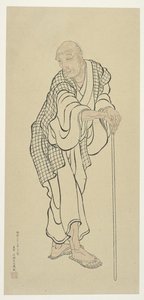
Katsushika Hokusai
1760 - 1849 , Japan
Quick Facts
- Artistic Movement Or Style: Ukiyo-e
- Artists Or Movements Influenced By This Artist:
- Impressionism
- Vincent van Gogh
- Claude Monet
- Artists Who Influenced This Artist: ['Chinese landscape painting']
- Date Of Birth: October 31, 1760
- Date Of Death: May 10, 1849
- Full Name: Katsushika Hokusai
- Nationality: Japanese
- Notable Artworks:
- The Great Wave off Kanagawa
- Thirty-six Views of Mt. Fuji
- Hokusai Manga
- Fireworks at Ryōgoku Bridge
- Place Of Birth: Tokyo, Japan
Related Articles

Hokusai's Masterpieces: 25 Iconic Prints & Paintings for Art Lovers | ArtsDot
Journey through Katsushika Hokusai’s 25 most iconic artworks, including *The Great Wave*. Explore the ukiyo-e master's history, style & timeless Japanese woodblock prints. Find museum-quality reproductions for your home at ArtsDot.com.
Ukiyo-e's Greatest Hits: 10 Masterpieces That Shaped a Movement | ArtsDot
Journey into Japan's 'Floating World'! Explore 10 Ukiyo-e masterpieces by Hokusai, Hiroshige & more. Discover the stories behind these iconic woodblock prints and bring timeless Japanese art to your home with ArtsDot.com. Explore the full collection online.
Japonisme: How Japanese Woodblock Prints Revolutionized Western Art
Explore the profound impact of Japonisme on Western art. Discover how Japanese ukiyo-e woodblock prints revolutionized perspective, color, and composition for masters like Monet and Van Gogh, forever changing the course of modern art history.
Ukiyo-e: Exploring Japan's Floating World & Enduring Artistic Legacy
Explore the captivating world of Ukiyo-e – Japan's iconic woodblock prints! Discover masters like Hokusai & Hiroshige, learn about Edo period culture, and find expert art collecting guidance at ArtsDot.
The Enduring Legacy of Woodblock Printmaking: Technique, History & Artistic Expression
Explore the rich history of woodblock printmaking – from ancient techniques to Ukiyo-e masterpieces. Discover expert insights on collecting, preserving & appreciating this enduring art form.