The Floating World: Understanding the Essence of Ukiyo-e
 Ukiyo-e
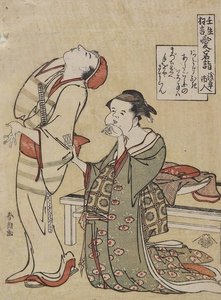
Ukiyo-e (浮世絵) is a genre of Japanese art that flourished from the 17th through 19th centuries. Its artists produced woodblock prints and paintings of such subjects as female beauties; kabuki actors and sumo wrestlers; scenes from history and folk tal...
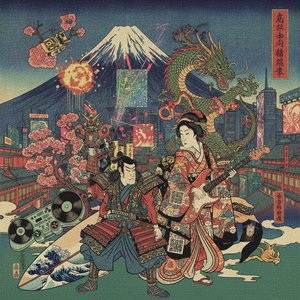
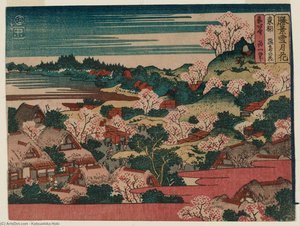
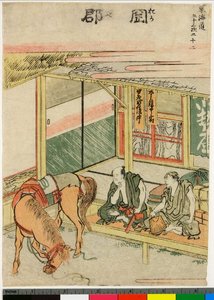
To understand the seismic shift known as Japonisme, one must first descend into the vibrant, ephemeral streets of Edo-period Japan. During this era of relative peace under the Tokugawa shogunate, a new social class emerged—the chōnin. These merchants and craftsmen, though positioned at the lower rungs of the formal social hierarchy, possessed a burgeoning wealth that fueled a hunger for pleasure, theater, and art. From this cultural ferment arose Ukiyo-e, literally translated as "pictures of the floating world." This was not an art of grand, eternal truths or religious solemnity, but rather an art of the moment—a celebration of the transient beauty found in a Kabuki performance, the elegance of a courtesan, or the simple grace of a seasonal landscape.
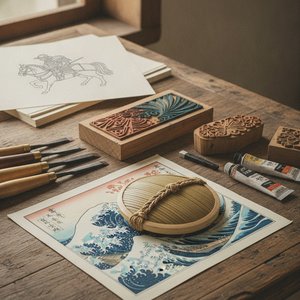
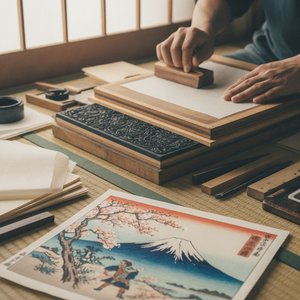
The medium itself was a marvel of collaborative craftsmanship. Unlike the singular vision of a Western oil painter, a Ukiyo-e print was the result of a delicate dance between the artist who designed the image, the carver who meticulously cut the cherry woodblocks, the printer who applied the pigments, and the publisher who brought the work to the masses. This process allowed for a democratization of art; these prints were affordable, mass-produced, and deeply connected to the pulse of urban life. Whether capturing the raw power of a sumo wrestler or the delicate features of a beautiful woman, Ukiyo-e captured a society captivated by the fleeting nature of existence, finding profound meaning in the very things that do not last.
The Great Encounter: How Trade Reopened Japan to the West
--- title: Japonisme - The Metropolitan Museum of Art author: Colta Feller Ives url: https://www.metmuseum.org/essays/japonisme hostname: metmuseum.org description: Experimentation with a wide range of pictorial modes, and with printmaking techniques...
For centuries, Japan remained largely insulated from the outside world, a period of isolation that allowed its unique aesthetic language to develop in a vacuum. However, the mid-19th century brought a sudden and dramatic transformation. When Japanese ports reopened to international trade in 1853, it was not merely goods and commodities that flooded European shores, but a tidal wave of visual culture. On the crest of this wave were woodcut prints, often arriving as mere packing material for more "valuable" exports like tea or porcelain. To the eyes of Westerners, these prints were nothing short of a revelation.
As these works reached the hands of European collectors and artists, they acted as a catalyst for a profound cultural awakening. Parisians encountered their first formal taste of Japanese aesthetics at the World’s Fair of 1867, but the influence was already spreading through much more intimate channels. It is whispered in art history lore that Claude Monet discovered these prints used as wrapping paper in a Dutch spice shop, while James McNeill Whistler found them in a Chinese teahlam near London Bridge. This accidental discovery ignited a fascination with the "exotic" East, sparking a movement known as Japonisme—a term that would come to define an era of intense experimentation and cross-cultural dialogue.
A New Perspective: The Visual Language of Asymmetry and Flatness
--- title: When east inspired west: the extraordinary influence of Japanese art url: https://artuk.org/discover/stories/when-east-inspired-west-the-extraordinary-influence-of-japanese-art hostname: artuk.org description: Discover how artists like Van...
The impact of Japanese prints on the Western eye was fundamentally structural. For centuries, Western art had been preoccupied with the mastery of linear perspective, the illusion of three-dimensional depth, and the heavy use of chiaroscuro to model form. Ukiyo-e offered a radical alternative. The Japanese masters utilized asymmetry, bold cropping, and a striking lack of traditional shadows. They embraced flat planes of vibrant color and decisive, flowing outlines that ignored the conventional rules of vanishing points.
This new visual vocabulary allowed artists to experiment with composition in ways previously unimagined. The concept of "negative space" became a powerful tool, where the emptiness of a background was just as vital as the subject itself. Figures were often cut off by the edge of the frame, suggesting that the scene continued far beyond the borders of the paper—a technique that invited the viewer to participate in the world of the print. This rejection of the "window on the world" approach in favor of a more decorative, flattened surface paved the way for the abstraction and graphic intensity that would define much of modern art.
Masters of the Woodblock: From Hokusai’s Waves to Utamaro’s Grace
 Hokusai's Masterpieces: 25 Iconic Prints & Paintings for Art Lovers | ArtsDot
Introduction To embark on a journey through the 25 most celebrated artworks of Katsushika Hokusai is to enter a world where ink blossoms into waves, mountains breathe with life, and everyday scenes resonate with profound beauty. These pieces aren’t m...
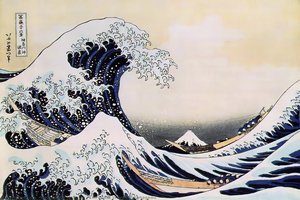
The brilliance of Japonisme is best understood through the individual geniuses who defined the Ukiyo-e genre. There is, perhaps, no name more synonymous with this movement than Katsushika Hokusai. His work, particularly his iconic series featuring Mount Fuji, demonstrated an unparalleled ability to blend the monumental with the minute. In his hands, ink blossomed into waves that seemed to possess a life of theirability, and mountains breathed with a spiritual vitality. Hokusai’s mastery lay in his ability to capture the power of nature while maintaining a profound connection to the everyday rhythms of human life.
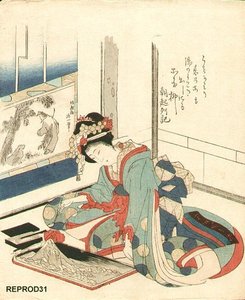
In contrast to Hokusai's epic landscapes, artists like Kitagawa Utamaro focused on the intimate and the exquisite. His portraits of beautiful women, or bijin-ga, are celebrated for their delicate lines and psychological depth, capturing a sense of quiet grace and fleeting emotion. Other masters, such as the legendary Utagawa Kunisada II, brought a different energy to the medium, utilizing bold colors and dramatic compositions to depict the kinetic intensity of Sumo wrestling or the theatrical tension of Kabuki actors. Each of these artists contributed a unique thread to the tapestry of the "floating world," creating a diverse repertoire that offered endless inspiration to their Western counterparts.
The Impressionist Revolution: How Japonisme Reshaped European Modernism
 Ukiyo-e's Greatest Hits: 10 Masterpieces That Shaped a Movement | ArtsDot
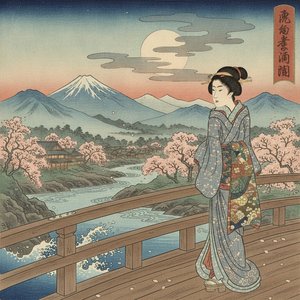
Introduction Imagine a world captured not in grand historical narratives or regal portraits, but in fleeting moments of everyday life – a Kabuki actor frozen mid-performance, the delicate beauty of a courtesan, a surging wave threatening to engulf al...
The convergence of Japanese aesthetics and European sensibility birtically gave birth to Impressionism and Post-Impressionism. Artists like Edgar Degas, Mary Cassatt, and Claude Monet did not merely copy Japanese motifs; they internalized the underlying logic of Ukiyo-e. They adopted the high vantage points, the unusual cropping, and the emphasis on light and atmosphere that mirrored the Japanese approach to capturing transitory moments. The way Degas composed his dancers, often viewing them from oblique angles or through a fragmented frame, owes an immense debt to the structural freedom found in Japanese prints.
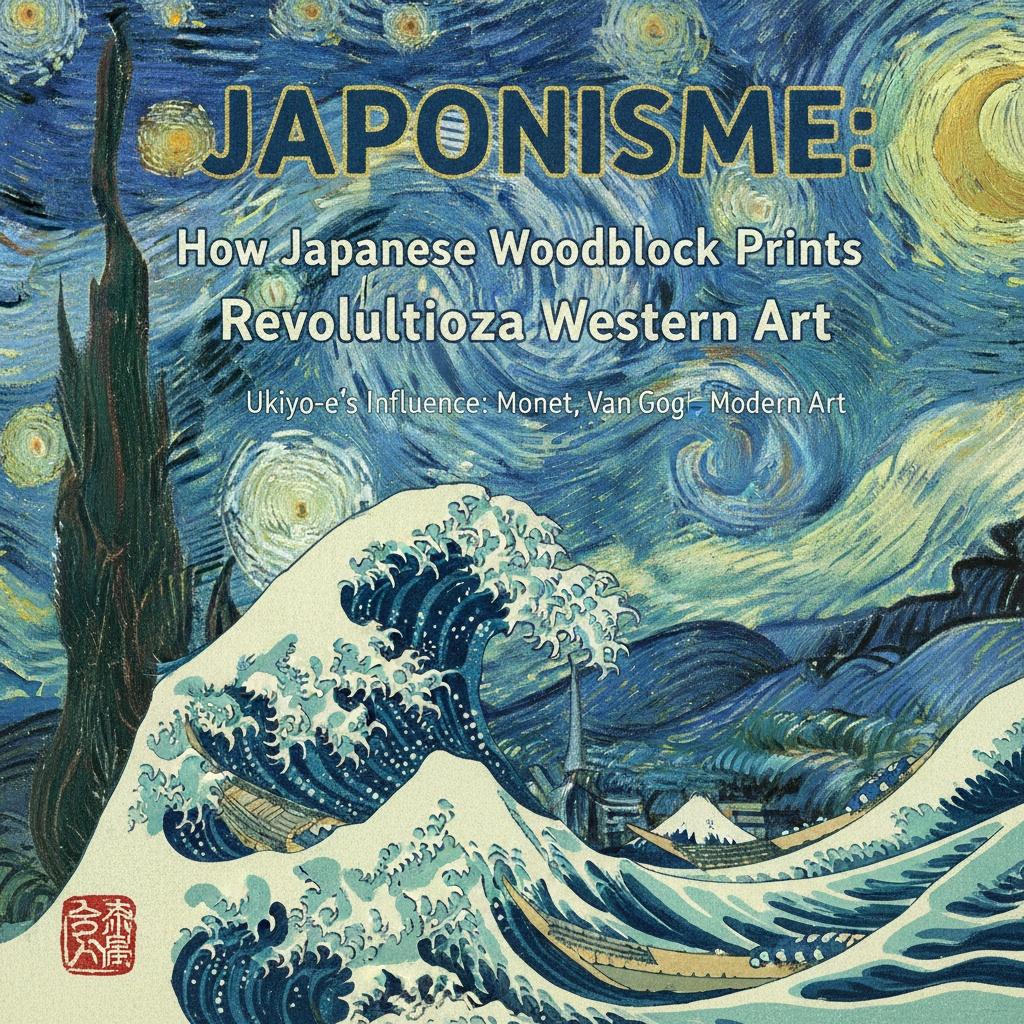
Vincent van Gogh, perhaps the most passionate devotee of Japonism, went even further, imbuing his works with the vibrant, saturated colors and bold outlines characteristic of the woodblock tradition. For the Impressionists, the "floating world" provided a way to break free from the rigid academic traditions of the past. It offered a path toward a more subjective, emotional, and modern way of seeing—one where the artist's perception of light, color, and movement took precedence over the literal representation of subject matter. This revolution fundamentally altered the trajectory of Western art, leading directly into the experimental landscapes of the late 19th and early 20th centuries.
Timeless Influence: Integrating Japanese Aesthetics into the Modern Home
 Ukiyo-e: Exploring Japan's Floating World & Enduring Artistic Legacy
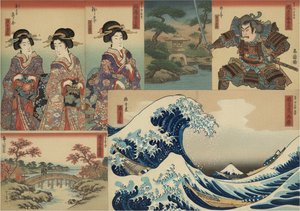
The Genesis of Ukiyo-e: Edo Period Society & the Rise of a New Aesthetic Edo period The Edo period, also known as the Tokugawa period, is the period between 1600 or 1603 and 1868 in the history of Japan, when the country was under the rule of the Tok...
Today, the legacy of Japonisme lives on far beyond the walls of museums. The principles of Japanese art—simplicity, balance, and a deep respect for natural motifs—have become cornerstones of modern interior design. We see this influence in the rise of minimalism, where the focus is on quality over quantity and the beauty of uncluttered space. The concept of wabi-sabi, finding beauty in imperfection and transience, continues to inspire decorators seeking to create homes that feel soulful and grounded.
For the contemporary art enthusiast, bringing a piece of this history into one's living space is an act of meaningful decoration. Whether it is through a large-scale reproduction of a Hokusai wave that serves as a dramatic focal point in a modern living room, or a delicate, multi-panel print that adds rhythmic movement to a hallway, the aesthetic of the floating world remains incredibly versatile. By embracing the asymmetry and color palettes inspired by Ukiyo-e, we can create environments that are not just visually stunning, but also deeply reflective of a timeless, global heritage of beauty.
At ArtsDot.com, we celebrate this enduring connection between cultures. We specialize in bringing the masterpieces of art history into your home through exquisite, hand-painted oil reproductions and museum-quality prints. Whether you are looking to capture the bold energy of a Japanese master or the soft light of an Impressionist landscape, our artists work with meticulous care to ensure every brushstroke honors the original legacy. Discover how you can transform your space with art that tells a story of global revolution.