The Genesis of Impression: Understanding the Woodblock Medium
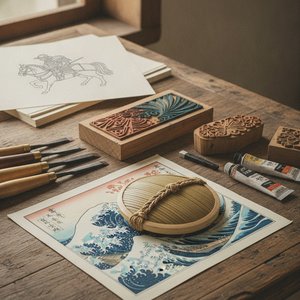
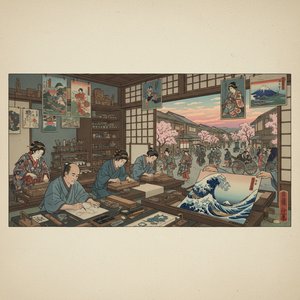
To touch a woodblock print is to engage with a dialogue between organic matter and human intention. Unlike the singular, spontaneous stroke of a brush on silk, the woodblock medium relies on a deliberate, rhythmic translation of form from wood to paper. This process begins long before ink meets grain; it starts with the selection of the substrate, typically cherry wood, prized for its density and ability to hold the most microscopic of lines. The genesis of an impression lies in this tension between the resistance of the timber and the fluidity of the artist's vision. As the carver works, they are not merely replicating a drawing but are instead sculpting light and shadow into relief. The beauty of this medium resides in its ability to democratize high art through multiplicity. While a painting remains a solitary relic of a specific moment, the woodblock print allows an aesthetic movement to breathe across a wider canvas of society. This accessibility does not diminish the sanctity of the work; rather, it expands its influence, allowing motifs of nature, folklore, and daily life to permeate the cultural consciousness. When we observe the subtle gradients of a sky or the sharp silhouette of a mountain, we are witnessing a mastery of pressure and moisture that defines the very soul of printmaking.Carving the Narrative: The Intricate Craftsmanship of the Master Carver
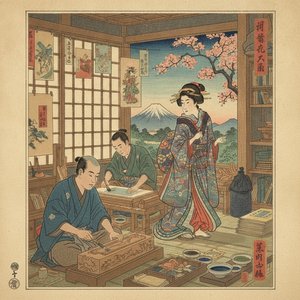
The creation of a masterpiece is rarely the labor of a single hand, but rather a symphony of specialized disciplines. In the traditional hierarchy of printmaking, the carver acts as the silent architect of the image. Once the artist’s design is transferred to the block, the carver must interpret every nuance of line weight and tonal suggestion. Using fine steel chisels and knives, they navigate the treacherous boundary between what remains and what is removed. A single errant stroke can sever a delicate strand of hair or collapse the structural integrity of a landscape, making this stage one of profound psychological intensity. This craftsmanship extends into the realm of texture, where the carver creates "blind" textures—patterns that exist not through color, but through the physical topography of the wood. Through meticulous gouging, they can simulate the roughness of bark, the softness of a petal, or the heavy drape of a silk kimono. This sculptural approach to two-dimensional art ensures that even in the absence of pigment, the narrative remains palpable. The carver’s skill lies in their ability to maintain the artist's original spirit while imposing the structural discipline required by the medium, ensuring that every carved groove contributes to the final, breathtaking composition.Ukiyo-e and Beyond: Exploring Iconic Eras and Cultural Themes
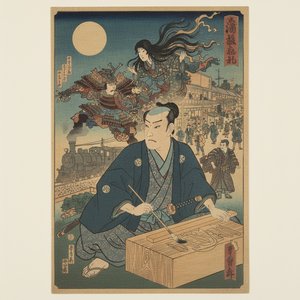
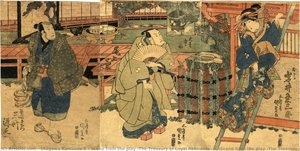
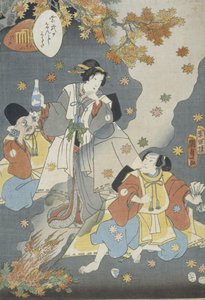
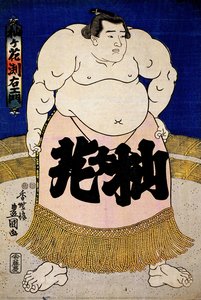
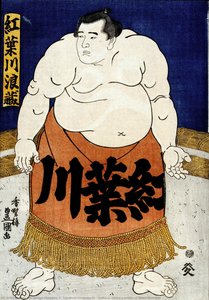
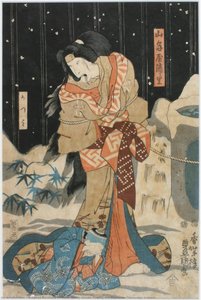
No discussion of woodblock artistry is complete without an immersion into the "Floating World" of Japan, known as Ukiyo-e. This era captured the ephemeral joys of urban life—the theater, the tea houses, and the transient beauty of the seasons. Masters such as Utagawa Kunisada II brought a vibrant energy to the medium, utilizing bold reds and golds to depict the powerful presence of sumo wrestlers, capturing a sense of movement and vitality that felt immediate to the Edo period viewer. These prints were not merely decorations; they were windows into a shifting social landscape where celebrity and folklore intertwined. The thematic breadth of this era is further exemplified by the dynamic compositions of Utagawa Kuniyoshi. His works, such as the ‘Otsu-e’ paintings triptych, demonstrate an unparalleled ability to blend historical gravity with dramatic action, often featuring samurai scenes that pulse with tension and heroism. Beyond the human drama, the medium also found profound expression in the serene and the symbolic. The delicate beauty of Chiura Obata’s later works, such as his untitled print sleeves featuring peacock motifs, illustrates how the woodblock tradition evolved to embrace a more modern, decorative elegance while retaining its ancestral connection to Japanese artistry. Through these varying lenses, the woodblock print serves as a historical ledger of human emotion and cultural evolution.The Alchemy of Ink: Mastering Color, Layering, and Texture
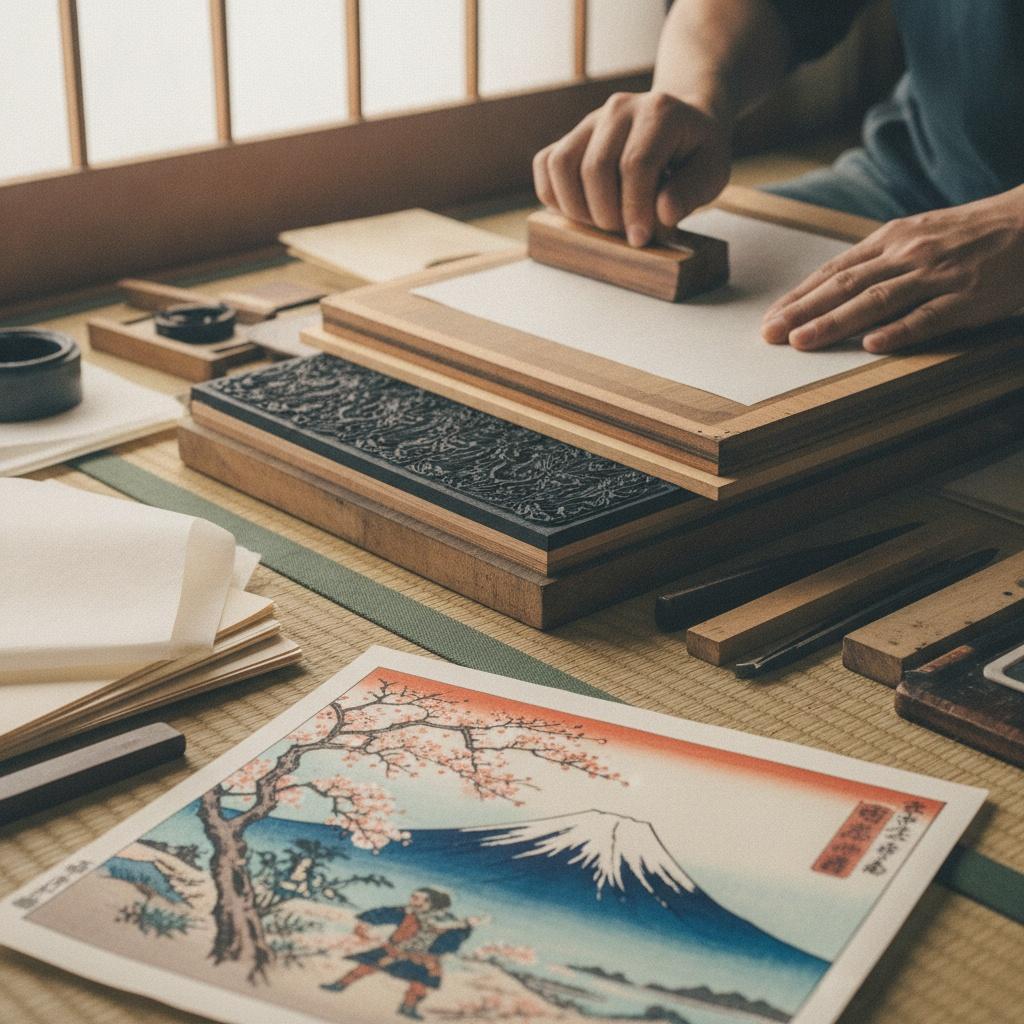
If carving provides the skeleton of the print, then the application of ink provides its flesh and spirit. The printing process is an alchemical feat involving water-based pigments, rice paste, and the precise application of pressure via a baren. Unlike Western oil printing, which often relies on heavy, viscous inks, the Japanese tradition utilizes the transparency of water to create depth. By layering thin, translucent washes of color, printers can achieve a luminosity that mimics the natural world—the soft glow of dawn or the deep, receding blues of a twilight sea. The true mastery of this stage is found in bokashi, a technique of hand-applied gradation that allows colors to bleed seamlessly into one another without hard edges. This requires an extraordinary level of coordination between the printer and the block, as each color requires its own dedicated carved layer. The complexity of managing multiple blocks—one for each hue—means that the final print is a cumulative achievement of precision. When executed correctly, the texture of the paper itself becomes part of the art, absorbing the pigment in a way that creates a tactile, velvety finish, making the viewer feel as though they are looking through layers of atmosphere rather than merely at a surface.Preserving the Print: Conservation and the Legacy of Japanese Artistry
The longevity of a woodblock print is a testament to both the quality of its materials and the reverence with which it is handled. Because these works rely on organic pigments and delicate paper fibers, they are inherently sensitive to their environment. To preserve the vibrant spirit of an Ukiyo-e master, one must guard against the silent enemies of art: light, humidity, and acidity. Proper conservation involves using acid-free matting to create a vital air gap between the print and the glass, preventing the moisture buildup that can lead to foxing or pigment degradation. As we look toward the future, the legacy of this tradition remains vibrant through the work of modern collectors and institutions who recognize the profound value of these historical artifacts. Whether it is an antique piece from a private collection or a meticulously crafted reproduction, the essence of the woodblock print lies in its ability to bridge the gap between the past and the present. By understanding the technical rigors and the cultural significance of this medium, we ensure that the "floating world" continues to drift through our modern consciousness, offering a moment of timeless, textured beauty in an increasingly digital age.For those seeking to bring the majesty of historical masterpieces into their own collections, ArtsDot.com offers unparalleled access to expert art consultation and high-quality reproductions that honor the soul of the original masters.