 Preview
 Send
Send Share
Share
 Details

 Download
 Similars
 X-Ray
X-Ray Diaporama
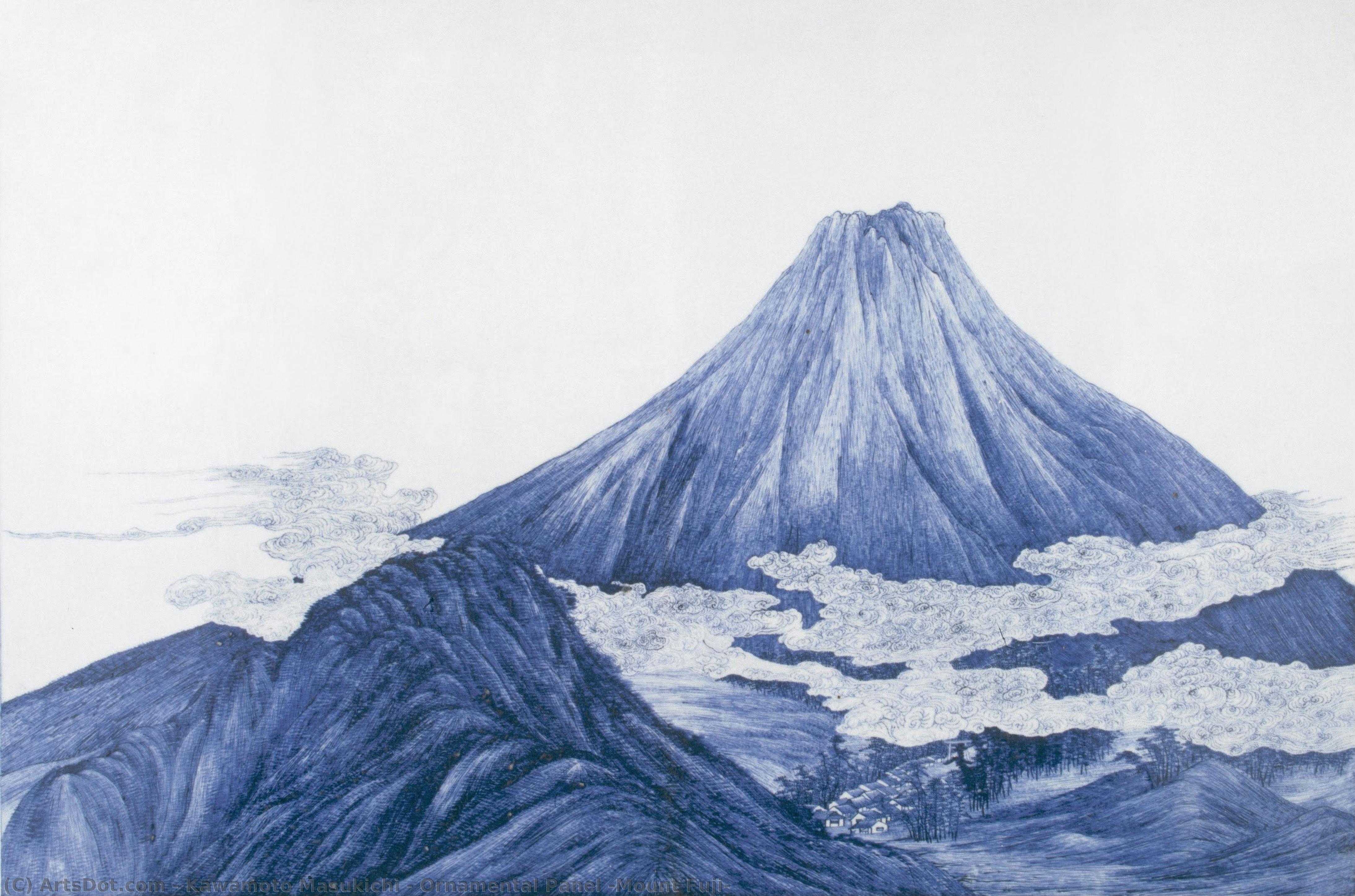
Ornamental Panel “Mount Fuji”


 Read More
Hand Made Oil Reproduction
Hand-painted oil on canvas in your size and frame, made to order by our artists. ( Buy Print Buy Image)




































Pick from our preset sizes that match the artwork's original proportions.

You may enter your own dimensions to fit a specific frame or space. If your selected size does not match the original image's proportions, we will either crop the artwork or extend the painting with additional hand-painted elements. A digital mockup will be sent for your approval before production begins.
Please note that the on-screen preview does not reflect the actual cropping or extension. Only the mockup will accurately show the final composition.
While custom sizes are available, we recommend selecting a dimension from the predefined list to preserve the original proportions.
After order, ArtsDot.com team will email client for instructions and provide a mockup preview
Worldwide Delivery () in 3/4 weeks instead of standard 5 weeks. (18 August). No compromise on quality.

Free Worldwide Express Shipping

High-Quality Linen Canvas

Full Shipping Insurance

Customs Tax Refund Guarantee

True Color Matching Guarantee

60-Day Return Policy (Defects Only)

100% Money-Back Guarantee

Bulk Discount Offer
 Glass option is only available in size under 110 CM

Ornamental Panel “Mount Fuji”
Reproduction Medium
Reproduction Size
-


Total Price
$ 263
Artwork Description
Related Artworks
Artist Biography
A Master of Layers: The Enduring Legacy of Kawamoto Masukichi
Kawamoto Masukichi, born in the bustling metropolis of Tokyo in 1886 and passing away in 1965, stands as a towering figure in the world of Japanese art. More than simply a craftsman, he was a meticulous interpreter of tradition, elevating the ancient technique of cloisonné enamel into an art form of breathtaking intricacy and profound beauty. His journey began with a deep immersion in metalwork, quickly establishing him as a master of his chosen medium. The recognition bestowed upon him in 1955 – the esteemed title of Living National Treasure by the Japanese government – is a testament not only to his exceptional skill but also to the enduring value he placed on preserving and innovating within this venerable craft. Masukichi’s work isn't merely decorative; it’s a meditation on form, color, and the delicate balance between nature and human artistry.The Foundations of Skill: Early Life and Apprenticeship
Masukichi’s artistic development unfolded during an era of significant cultural transformation in Japan. While details of his early life remain somewhat sparse, it's understood that he received a rigorous training in metalworking techniques – a foundation crucial to mastering the demanding process of cloisonné enamel. This wasn’t simply rote learning; it was a deep engagement with the history and philosophy underpinning the craft. Cloisonné, at its core, is a painstaking layering of thin metal wires (often gold or silver) over a base metal surface, creating intricate patterns that are then filled with colored glass paste – known as enamel. The process demands an almost meditative focus, requiring immense patience, precision, and an understanding of material properties. It’s a craft passed down through generations, and Masukichi's dedication to perfecting this legacy is evident in every piece he created. His early works demonstrate a clear grasp of the fundamentals, showcasing a natural talent for design and execution that would only be further refined over decades of practice.The Language of Metal: Techniques and Artistic Style
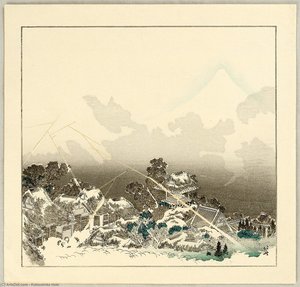
Masukichi’s artistic style is characterized by an unparalleled level of detail and a profound respect for traditional Japanese aesthetics. He wasn't interested in simply replicating existing designs; instead, he developed his own unique vocabulary, blending classical motifs with subtle personal expressions. His mastery of cloisonné enamel was legendary, not just for the technical precision but also for the evocative quality of his work. The shimmering surfaces, achieved through careful layering and application of enamel, seemed to capture light in a way that brought his designs to life. He frequently employed monochromatic palettes – often shades of grey or black – which allowed the intricate patterns and textures to take center stage. His use of perspective was particularly noteworthy; he skillfully combined Western techniques with traditional Japanese approaches, creating works that possessed both a sense of realism and an underlying spiritual depth. The “Ornamental Panel ‘Mount Fuji’” (1912), for example, beautifully illustrates this fusion – a striking monochrome drawing that subtly blends Western perspective with the evocative style of Hokusai, one of Japan's most celebrated landscape artists.A National Treasure: Recognition and Legacy
In 1955, Kawamoto Masukichi was rightfully awarded the title of Living National Treasure by the Japanese government – a recognition reserved for individuals who have made extraordinary contributions to their art form. This honor solidified his place as one of Japan’s most revered artisans and ensured the continuation of his unique artistic vision. His work is now held in prestigious collections worldwide, including the Wahoo Art Museum, a testament to its enduring appeal and historical significance. Beyond the technical mastery, Masukichi's legacy lies in his dedication to preserving a tradition that had been threatened by modernization. He understood the importance of maintaining the integrity of the craft while also embracing new approaches and techniques. His influence can be seen in the work of subsequent generations of artisans, who continue to draw inspiration from his meticulous attention to detail and his profound understanding of the materials he worked with.Notable Works and Continuing Influence
Masukichi’s oeuvre encompasses a remarkable range of subjects – from intricate floral designs to depictions of mythical creatures and landscapes. His “Cloisonné Enamel Vase” stands as a particularly compelling example of his skill, showcasing the delicate balance between form and color that defines his work. The vase's surface is a mesmerizing tapestry of interwoven metal wires and vibrant enamel, creating an effect of shimmering depth and movement. His contributions to the art of cloisonné enamel have inspired countless artists, ensuring that his legacy will continue to be celebrated for generations to come. The Wahoo Art website offers a valuable resource for exploring his work, with a dedicated collection showcasing the breadth and beauty of his creations.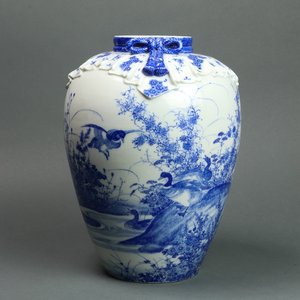
kawamoto masukichi
1886 - 1965 , Japan
Quick Facts
- Artistic Movement Or Style: Cloisonné enamel
- Date Of Birth: 1886-Tokyo-Japan
- Date Of Death: 1965
- Full Name: Kawamoto Masukichi
- Nationality: Japanese
- Notable Artworks:
- Cloisonné Enamel Vase
- Ornamental Panel "Mount Fuji"
- Place Of Birth: Tokyo, Japan
Related Articles

Hokusai's Masterpieces: 25 Iconic Prints & Paintings for Art Lovers | ArtsDot
Journey through Katsushika Hokusai’s 25 most iconic artworks, including *The Great Wave*. Explore the ukiyo-e master's history, style & timeless Japanese woodblock prints. Find museum-quality reproductions for your home at ArtsDot.com.
Beyond the Horizon: 10 Landscape Masterpieces for Your Home Decor
Journey through 10 breathtaking landscape paintings by Monet, Van Gogh & more! Explore iconic artworks, artistic techniques & find inspiration for your home decor. Museum-quality reproductions at ArtsDot.com. Discover all masterpieces on ArtsDot.com
Serenity on Canvas: A Guide to the Timeless Beauty of Japanese Landscape Painting
Discover the serene beauty of Japanese landscape painting. From Hokusai's iconic woodblock prints to meditative sumi-e ink washes, explore a visual journey through the 'floating world' and learn how to bring this timeless Zen aesthetic into your modern home decor.

Romantic Landscapes: 10 Masterpieces for Your Home | ArtsDot
Journey through 10 Romantic landscape masterpieces by Friedrich, Turner & Cole. Explore emotional art, sublime nature scenes & iconic 19th-century paintings. Find museum-quality reproductions for your home at ArtsDot.com – discover the full collection online!

Evocations of Place: A Historical Journey Through Landscape Art
Explore the rich history of landscape art with ArtsDot. Discover renowned artists, movements like Impressionism & Romanticism, and expert guidance for collecting timeless pieces. Find your perfect serene escape today!