 Preview
 Send
Send Share
Share
 Details

 Download
 Similars
 X-Ray
X-Ray Diaporama
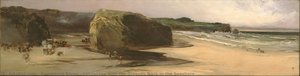
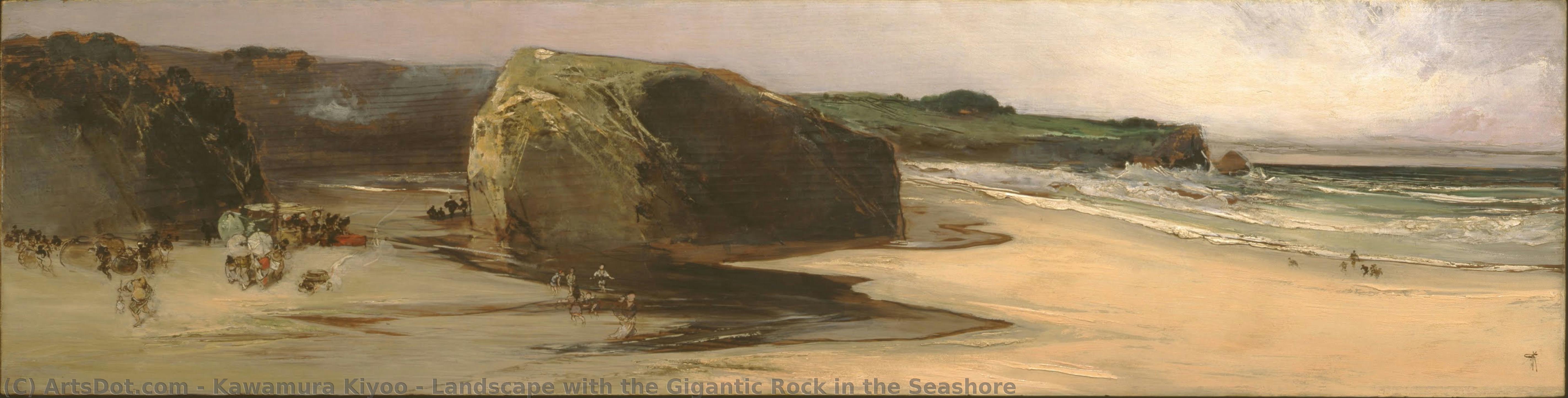
Landscape with the Gigantic Rock in the Seashore

 Read More
Giclée / Art Print
Museum-quality giclée or canvas print with fast production and flexible finish options. ( Buy Hand Made Painting Buy Image)




































Pick from our preset sizes that match the artwork's original proportions.

You may enter your own dimensions to fit a specific frame or space. If your selected size does not match the original image's proportions, we will either crop the artwork or extend the image with a mirrored or solid-fill edge. A digital mockup will be sent for your approval before production begins.
Please note that the on-screen preview does not reflect the actual cropping or extension. Only the mockup will accurately show the final composition.
While custom sizes are available, we recommend selecting a dimension from the predefined list to preserve the original proportions.
Worldwide Delivery () in 2 weeks instead of standard 4/5 weeks. (27 August)

Free Worldwide Express Shipping

High-Quality Linen Canvas

Full Shipping Insurance

Customs Tax Refund Guarantee

True Color Matching Guarantee

60-Day Return Policy (Defects Only)

100% Money-Back Guarantee

Bulk Discount Offer
 Glass option is only available in size under 110 CM

Landscape with the Gigantic Rock in the Seashore
Giclée / Art Print
Reproduction Size
-


Total Price
$ 63
Related Artworks









Artist Biography
Kawamura Kiyoo: Bridging East and West in Landscape Painting
Kawamura Kiyoo (河村清雄) (1852–1934) stands as a pivotal figure in the history of Japanese yōga art—Western-style painting—marking a crucial juncture between traditional aesthetics and burgeoning modernity. Born in Edo (now Tokyo), he embarked on an artistic journey shaped by early exposure to Sumiyoshi Naiki’s teachings and honed under Tanomura Chokunyū's guidance, establishing a foundation for his distinctive style. His fascination with Western art began during his studies abroad in the United States in 1871, fueled by subsequent explorations of France and Italy where he immersed himself in mastering oil painting techniques. This transformative experience propelled him back to Japan in 1881, initiating a career dedicated to blending Eastern sensibilities with Western innovation.- Early Influences: Kiyoo’s formative years were marked by immersion in Sumiyoshi Naiki's teachings and Tanomura Chokunyū’s instruction, fostering an appreciation for meticulous brushwork and compositional balance—elements characteristic of Edo-period painting traditions.
- American Studies & Artistic Awakening: His time in the United States exposed him to new artistic ideas and propelled him toward a deliberate embrace of Western painting styles.
- Venetian Patronage & Technical Mastery: Kiyoo’s relocation to Venice proved instrumental in refining his technique, allowing him to experiment with innovative approaches to color palettes and textural surfaces—a hallmark of his later oeuvre.
The Formation of Meiji Bijutsukai & Embracing Western Style
A defining moment arrived in 1889 when Kiyoo participated in the establishment of the Meiji Bijutsukai (明治美術会), Japan’s inaugural art association championing Western painting. This collective signaled a broader cultural shift, recognizing the value of incorporating European artistic conventions into Japanese art practice. Kiyoo's involvement solidified his commitment to this movement and cemented his reputation as a pioneer in disseminating Western aesthetics within Japan. He skillfully utilized silk and wood supports—traditional mediums—to execute landscapes imbued with vibrant colors and dynamic brushstrokes, reflecting both Eastern harmony and Western dynamism.Notable Works & Artistic Vision
Kawamura Kiyoo’s artistic legacy rests upon a remarkable body of work, notably “Landscape with the Gigantic Rock in the Seashore” (海石風景), which exemplifies his masterful blending of observation and imagination. This painting showcases his ability to capture the grandeur of coastal scenery while simultaneously conveying an emotional resonance rooted in Japanese landscape tradition. His canvases frequently depict serene vistas—mountains, rivers, and seascapes—rendered with meticulous detail and imbued with a palpable sense of atmosphere. Kiyoo’s artistic vision prioritized capturing not merely visual appearances but also conveying profound feelings about the natural world.Legacy & Historical Significance
Kawamura Kiyoo's contribution to Japanese art history extends beyond his individual paintings; he served as an educator and mentor, fostering a new generation of artists committed to exploring Western influences while retaining core tenets of Japanese artistic heritage. He established a painting school in Kōjimachi, nurturing talent and disseminating knowledge about yōga techniques—a pivotal step in shaping the trajectory of modern Japanese art. Kiyoo’s work continues to inspire admiration for its harmonious fusion of Eastern and Western aesthetics, securing his place as one of Japan's most influential artists of the Meiji era.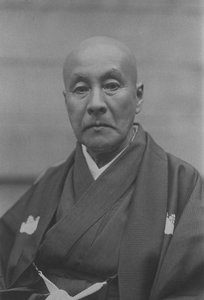
kawamura kiyoo
1852 - 1934 , Japan
Quick Facts
- Artistic Movement Or Style: Yōga
- Artists Or Movements Influenced By This Artist: ['Hakub']
- Artists Who Influenced This Artist:
- Tanomura Chokunyū
- Kawakami Tōgai
- Date Of Birth: 1852-06-13
- Date Of Death: 1934-05-16
- Full Name: Kawamura Kiyoo
- Nationality: Japanese
- Notable Artworks: ['Landscape with the Gigantic Rock in the Seashore']
- Place Of Birth: Tokyo, Japan