 Preview
 Send
Send Share
Share
 Details

 Download
 Similars
 X-Ray
X-Ray Diaporama
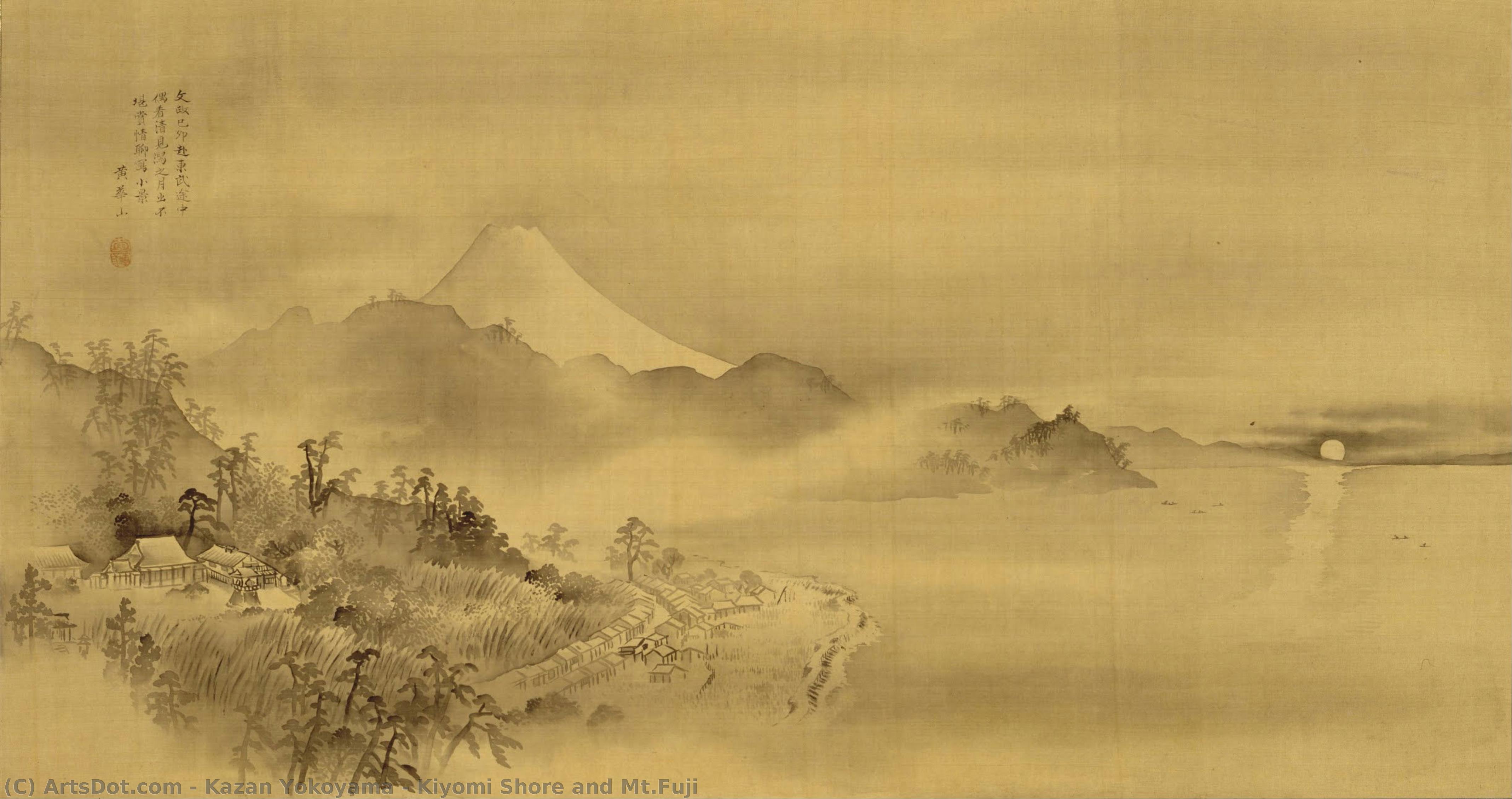
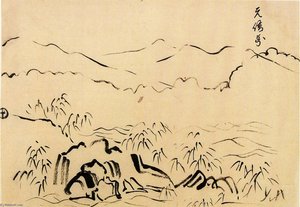
Kiyomi Shore and Mt.Fuji

 Read More
Giclée / Art Print
Museum-quality giclée or canvas print with fast production and flexible finish options. ( Buy Hand Made Painting Buy Image)




































Pick from our preset sizes that match the artwork's original proportions.

You may enter your own dimensions to fit a specific frame or space. If your selected size does not match the original image's proportions, we will either crop the artwork or extend the image with a mirrored or solid-fill edge. A digital mockup will be sent for your approval before production begins.
Please note that the on-screen preview does not reflect the actual cropping or extension. Only the mockup will accurately show the final composition.
While custom sizes are available, we recommend selecting a dimension from the predefined list to preserve the original proportions.
Worldwide Delivery () in 2 weeks instead of standard 4/5 weeks. (22 August)

Free Worldwide Express Shipping

High-Quality Linen Canvas

Full Shipping Insurance

Customs Tax Refund Guarantee

True Color Matching Guarantee

60-Day Return Policy (Defects Only)

100% Money-Back Guarantee

Bulk Discount Offer
 Glass option is only available in size under 110 CM

Kiyomi Shore and Mt.Fuji
Giclée / Art Print
Reproduction Size
-


Total Price
$ 63
Related Artworks



Artist Biography
A Life Bridging Worlds: The Artistic Journey of Kazan Yokoyama
Kazan Yokoyama, born 横山崋山 on September 7, 1909, in Constantinople (now Istanbul), Turkey, was an artist whose life embodied a fascinating confluence of cultures and disciplines. While celebrated today for his evocative paintings—particularly those depicting scenes of Japanese life and landscapes—Yokoyama’s initial renown stemmed not from the canvas but from the stage and screen. His journey began far removed from the world of fine art, steeped in the burgeoning American film industry and the innovative spirit of Broadway theatre. He arrived in the United States as a young man, quickly immersing himself in the dramatic arts, becoming a respected actor before transitioning into directing, producing, and screenwriting. This early career profoundly shaped his artistic sensibility, instilling within him a keen understanding of narrative composition, emotional resonance, and the power of visual storytelling—elements that would later define his paintings. He became known as one of the most honored and influential directors in Broadway and Hollywood history, leaving an indelible mark on American entertainment.From Stage to Canvas: A Late Bloom of Artistic Expression
It wasn’t until later in life that Yokoyama fully embraced painting, a pursuit he approached with the same dedication and meticulousness that characterized his work in film and theatre. He co-founded the Actors Studio in 1947 alongside Elia Kazan, introducing “method acting” under the guidance of Lee Strasberg—a technique focused on drawing deeply from personal experience to achieve authentic performances. This emphasis on emotional truth would become a cornerstone of his artistic philosophy. Yokoyama’s paintings are not merely representations of scenes; they are imbued with a palpable sense of feeling, often exploring themes of solitude, longing, and the delicate beauty of the natural world. His work reflects a deep connection to Japanese aesthetics, despite spending much of his life abroad. He masterfully blended traditional Japanese artistic principles—such as *ukiyo-e* woodblock prints’ emphasis on line and composition—with Western painting techniques, creating a unique visual language that resonated with audiences both in the East and West.Influences and Artistic Development
Yokoyama's artistic development was a complex interplay of diverse influences. His early exposure to Japanese art during his childhood undoubtedly laid the foundation for his later style. The refined elegance of *ukiyo-e* prints, with their focus on capturing fleeting moments in nature and everyday life, is evident in many of his compositions. However, his time in America exposed him to a wide range of Western artistic movements, including Impressionism and Post-Impressionism. He wasn’t rigidly bound by any single school but rather synthesized elements from various sources to create something distinctly his own. The influence of Lee Strasberg's method acting is also crucial; Yokoyama sought to convey not just the *appearance* of a scene but its emotional weight, imbuing his landscapes and portraits with a psychological depth rarely seen in traditional Japanese painting. He was particularly drawn to capturing the essence of “mono no aware”—a Japanese concept referring to the pathos of things, an awareness of impermanence and the bittersweet beauty of life.Major Achievements and Notable Works
While Yokoyama’s directorial achievements are well-documented—his films tackled complex social issues with sensitivity and nuance—his paintings have gained increasing recognition in recent years. Among his most celebrated works is “Kiyomi Shore and Mt. Fuji,” a stunning depiction of the iconic Japanese landmark bathed in soft light, evoking a sense of tranquility and reverence. This painting exemplifies his ability to capture both the physical beauty of the landscape and its deeper spiritual significance. His other notable pieces often feature scenes of coastal Japan, with delicate renderings of waves, boats, and figures engaged in everyday activities. He didn’t produce an enormous body of work compared to some artists, but each piece is meticulously crafted and imbued with a profound sense of emotion.Historical Significance and Legacy
Kazan Yokoyama occupies a unique position in art history—a figure who successfully bridged the gap between Eastern and Western artistic traditions. His life story itself is remarkable: born into a world on the cusp of change, he navigated multiple cultures and disciplines with grace and intelligence. He demonstrated that artistic expression can transcend geographical boundaries and cultural differences. Yokoyama’s legacy extends beyond his paintings; he helped to introduce Japanese aesthetics to a wider Western audience and inspired generations of artists to explore their own cultural heritage. His work continues to be celebrated for its beauty, emotional depth, and enduring relevance—a testament to the power of art to connect us across time and cultures. He passed away on September 28, 2003, in New York City, leaving behind a body of work that is increasingly recognized as a significant contribution to both Japanese and American art.
kazan yokoyama
1909 - 2003 , Turkey
Quick Facts
- Artistic Movement Or Style: Method acting
- Artists Or Movements Influenced By This Artist: ['Broadway']
- Artists Who Influenced This Artist: ['Lee Strasberg']
- Date Of Birth: September 7, 1909
- Date Of Death: September 28, 2003
- Full Name: Kazan Yokoyama 横山崋山
- Nationality: American
- Notable Artworks: ['Kiyomi Shore and Mt.Fuji']
- Place Of Birth: Istanbul, Turkey