 Preview
 Send
Send Share
Share
 Details

 Download
 Similars
 X-Ray
X-Ray Diaporama
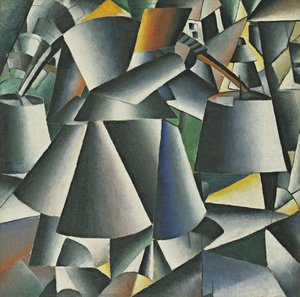
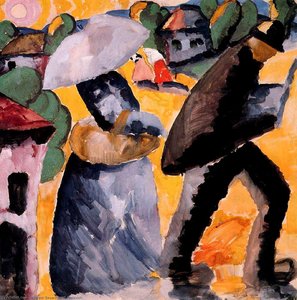
On the Boulevard
 Acrylic On Canvas
- WallArt
- Fauvist Influence
 Early Modern
 72.0 x 71.0 cm
 Read More
Giclée / Art Print
Museum-quality giclée or canvas print with fast production and flexible finish options. ( Buy Hand Made Painting Buy Image)




P118B $10

P118H $10

P118W $10

P438Z $10

P508JH $12

P508YH $12

P805H $10

P805Z $10

P919BZ $10

P919G $10

P919XJ $10

P959ZH $10

P968JZ $12

W106C $8

W218G $10

W218JH $8

W218Y $10

W307PJ $10

W316G $10

W316PJ $8

W316Y $10

W398PJ $8

W4111J $10

W500HY $15

W500JH $15

W692G $12

W849H $8

W940BG $15

W953PJ $8




Pick from our preset sizes that match the artwork's original proportions.

You may enter your own dimensions to fit a specific frame or space. If your selected size does not match the original image's proportions, we will either crop the artwork or extend the image with a mirrored or solid-fill edge. A digital mockup will be sent for your approval before production begins.
Please note that the on-screen preview does not reflect the actual cropping or extension. Only the mockup will accurately show the final composition.
While custom sizes are available, we recommend selecting a dimension from the predefined list to preserve the original proportions.
Worldwide Delivery () in 2 weeks instead of standard 4/5 weeks. (16 August)

Free Worldwide Express Shipping

High-Quality Linen Canvas

Full Shipping Insurance

Customs Tax Refund Guarantee

True Color Matching Guarantee

60-Day Return Policy (Defects Only)

100% Money-Back Guarantee

Bulk Discount Offer
 Glass option is only available in size under 110 CM

On the Boulevard
Giclée / Art Print
Reproduction Size
-


Total Price
$ 63
Collectible Description
A Glimpse into Modernity: Kazimir Malevich’s “On the Boulevard”
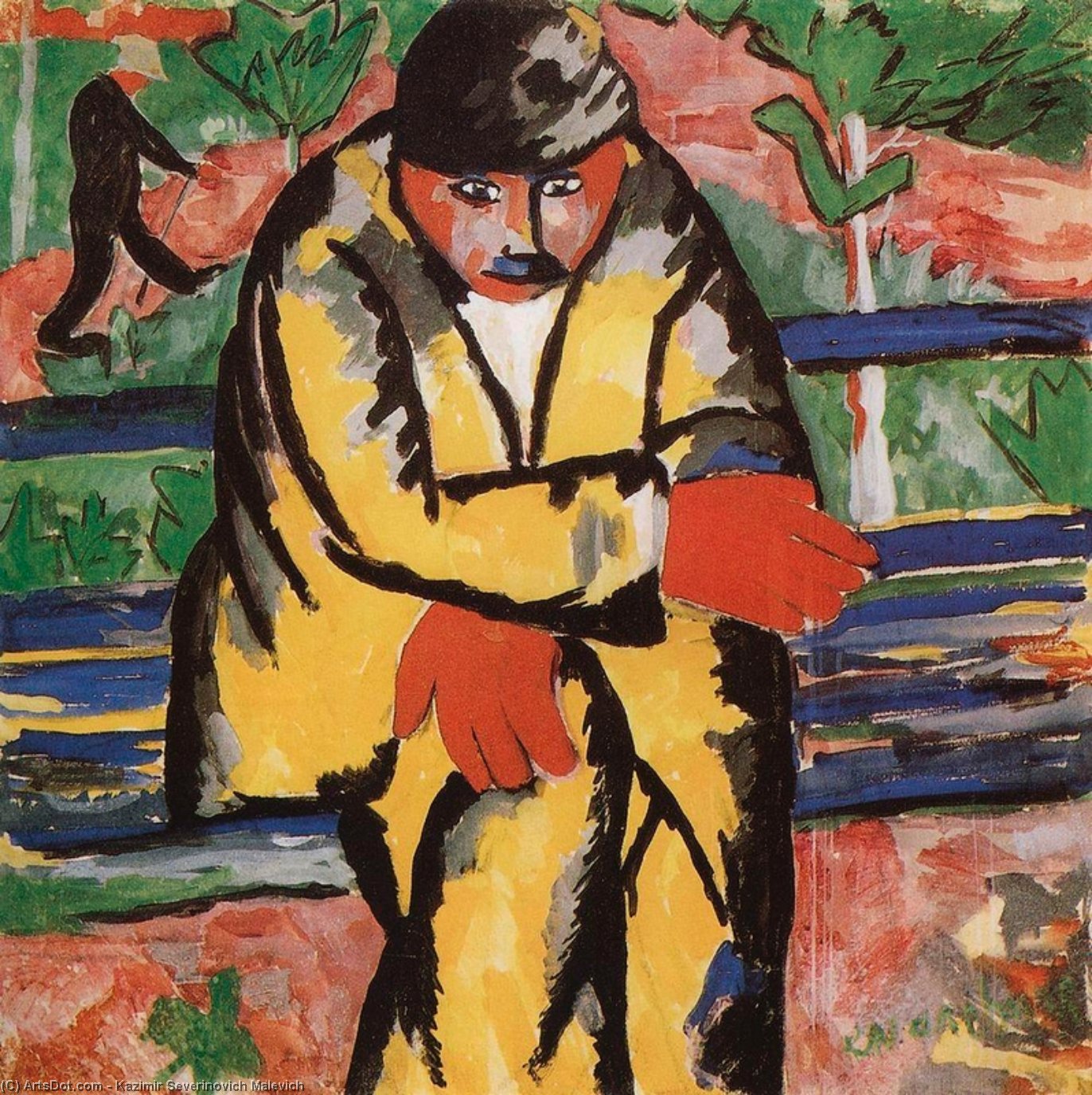
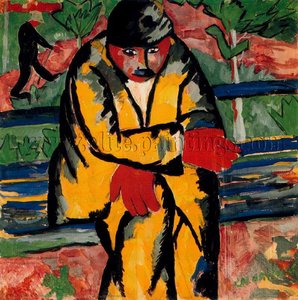
Kazimir Malevich's "On the Boulevard," painted around 1911, offers a fascinating window into the transitional period of early modern art. This work, rendered in gouache on paper with charcoal accents, isn’t quite the radical abstraction for which Malevich would soon become renowned, but it is undeniably a pivotal step towards that revolutionary destination. The painting depicts a solitary man seated on a park bench, lost in contemplation amidst the subtle bustle of city life. He's dressed in a striking yellow jacket, a splash of vibrant color against the more muted tones of his surroundings, and wears a hat that casts a shadow over his face, adding to an air of mystery and introspection. The composition is carefully constructed; Malevich doesn’t simply present a scene but orchestrates it, drawing our eye directly to the central figure while hinting at a broader narrative unfolding around him. Two additional figures are subtly placed within the landscape—one standing behind the man on the bench, another further back in the distance—suggesting a shared public space yet emphasizing the profound isolation of the main subject.Fauvist Influences and the Dawn of Suprematism
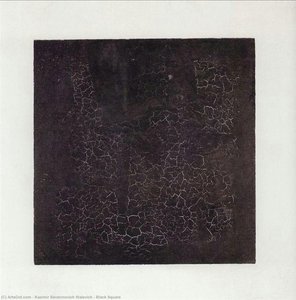
The stylistic roots of “On the Boulevard” lie firmly within Fauvism, an early 20th-century movement characterized by its bold use of color and expressive brushwork. While Malevich would soon move beyond these influences to develop his signature style of Suprematism—a purely abstract art focused on geometric forms and spiritual resonance—the echoes of Fauvist principles are clearly visible here. The vibrant yellow of the man’s jacket, the energetic strokes used to depict the trees and foliage, and the overall sense of emotional intensity all point towards this connection. However, even within this framework, Malevich begins to demonstrate a unique sensibility. He isn't merely applying color for its decorative effect; instead, he uses it to convey mood and psychological depth. The painting feels less like an objective representation of a scene and more like an exploration of the inner life of its subject. This focus on subjective experience would become central to Malevich’s later work, culminating in his groundbreaking non-objective paintings such as “Black Square.”A Moment Suspended: Symbolism and Emotional Resonance
“On the Boulevard” is a painting that invites contemplation. The man's posture—slumped slightly forward with hands tucked into his pockets—suggests weariness or perhaps deep thought. His gaze, directed outwards but not quite meeting our own, creates a sense of detachment and introspection. The boulevard itself can be interpreted as a metaphor for the modern urban experience: a space of both connection and alienation. The paths winding through the background might symbolize life’s journey, with the man at the crossroads of decision or simply lost in reverie. Malevich masterfully captures this ambiguity, leaving room for viewers to project their own emotions and interpretations onto the scene. It's a painting that doesn't offer easy answers but instead poses questions about the human condition—questions that remain relevant even today. The work’s power resides not just in its aesthetic qualities but also in its ability to evoke a profound emotional response, prompting us to reflect on our own experiences of solitude and connection within the modern world.Bringing Malevich's Vision Home
For collectors and interior designers alike, a reproduction of “On the Boulevard” offers a unique opportunity to introduce a touch of early modernist sophistication into any space. The painting’s color palette—dominated by yellows, greens, and browns—is surprisingly versatile, complementing a range of décor styles from contemporary minimalist to classic bohemian. Its relatively modest size (72 x 71 cm) makes it suitable for various settings, whether displayed as a focal point in a living room or added to a curated gallery wall. Owning a hand-painted reproduction allows you to appreciate the nuances of Malevich’s technique and the emotional depth of his vision—a testament to an artist who dared to challenge conventional notions of art and paved the way for generations of abstract expressionists to come.Related Artworks
Artist Biography
Kazimir Malevich: A Pioneer of Abstract Art
Early Life and Influences
- Born in Kyiv Oblast, Ukraine in 1878 to a Polish family, Kazimir Severinovich Malevich’s early life was shaped by the rural Ukrainian landscape and its rich folk culture.
- His upbringing instilled in him an appreciation for traditional artistic expressions that would later subtly influence his work.
- Formal training began in Kyiv, but Malevich quickly sought broader artistic horizons, moving towards Moscow and eventually engaging with the burgeoning avant-garde movements of Europe.
- Key Influences: Early exposure to folk art, combined with a desire for modern expression, formed the foundation of his unique style.
Artistic Development & Key Movements
- Initially, Malevich explored various styles including Impressionism, Symbolism, Fauvism, and Cubism. A pivotal trip to Paris in 1912 exposed him to the latest developments in European art.
- He gradually moved away from representational forms, seeking a purely artistic language based on geometric shapes and color.
- This led to the development of Suprematism around 1915 – an abstract movement focused on “the supremacy of pure feeling” in art.
- Suprematism rejected any attempt to depict objects from the visible world, instead prioritizing basic geometric forms like squares, circles, and rectangles.
Major Achievements & Notable Works
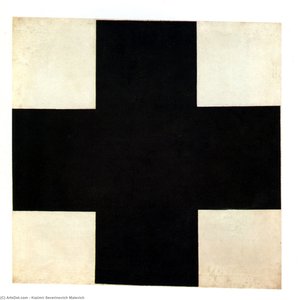
- Black Square (1915): Arguably his most famous work, it represents a radical departure from traditional art and is considered a foundational piece of abstract painting.
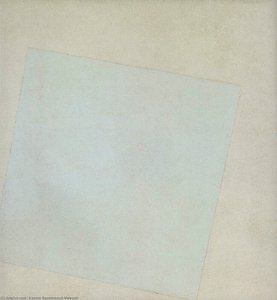
- White on White (1918): A series exploring the purity of form and color, featuring white geometric shapes against a white background – pushing abstraction to its limits.
- Stroyuschiysya dom [House under Construction] (1916): An early example of Suprematism showcasing his unique perspective on Ukrainian culture through abstract forms.
- He also wrote extensively on art theory, articulating the philosophical principles behind Suprematism and advocating for a new artistic consciousness.
Historical Significance & Legacy
- Malevich’s work profoundly impacted the development of 20th-century abstract art, influencing movements like Minimalism and Constructivism.
- He challenged conventional notions of representation and paved the way for non-objective art.
- His ideas about pure feeling and geometric abstraction continue to resonate with artists today.
- Despite facing political persecution under Stalin – initially supported, then suppressed – Malevich persevered in his practice and teaching.
- Influence on Later Artists: He directly influenced artists like El Lissitzky and indirectly shaped countless others through the enduring legacy of Suprematism.
Later Life & Death
- In his later years, Malevich revisited figurative painting, attempting to synthesize his abstract principles with representational forms.
- He continued to teach and write about art until his death in Leningrad (now St. Petersburg) in 1935.
- His work remained relatively obscure for decades after his death but experienced a resurgence of interest in the latter half of the 20th century, solidifying his place as one of the most important figures in modern art history.
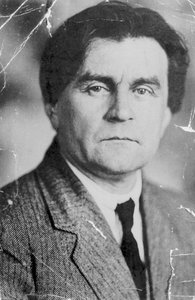
Kazimir Malevich
1878 - 1935 , Ukraine
Quick Facts
- Artistic Movement Or Style: Suprematism, Abstract Art
- Artists Or Movements Influenced By This Artist:
- Minimalism
- Constructivism
- El Lissitzky
- Artists Who Influenced This Artist:
- Cubism
- Fauvism
- Impressionism
- Date Of Birth: 1878
- Date Of Death: 1935
- Full Name: Kazimir Severinovich Malevich
- Nationality: Ukrainian/Russian
- Notable Artworks:
- Black Square
- White on White
- House under Construction
- Place Of Birth: Kyiv, Ukraine
Related Articles
Kazimir Malevich: 25 Masterpieces of Suprematism & Abstract Art | ArtsDot
Explore 25 iconic artworks by Kazimir Malevich, pioneer of Suprematism & abstract art. Discover the stories behind 'Black Square' and more! Find museum-quality prints & elevate your home decor with ArtsDot.com.
Kazimir Malevich: Pioneering Suprematism & the Quest for Non-Objective Art
Explore the revolutionary art of Kazimir Malevich & his groundbreaking Suprematism movement. Discover the origins, core principles, and lasting impact of this pivotal force in modern abstract painting.

Impressionism's Masterpieces: 10 Paintings That Defined a Movement | ArtsDot
Journey through Impressionism's heart with 10 iconic paintings by Monet, Renoir & Degas. Explore light, color & the stories behind these masterpieces. Find museum-quality art reproductions and elevate your home decor on ArtsDot.com.
Fauvism's Bold Vision: 10 Masterpieces That Revolutionized Modern Art |
Explore the revolutionary world of Fauvism! Discover 10 masterpieces by Matisse, Derain & Vlaminck that defined this bold art movement. Find museum-quality reproductions and vibrant canvas prints to elevate your home decor at .

Fleeting Moments & Radiant Light: Exploring the Enduring Legacy of Impressionism
Explore the captivating world of Impressionism! Discover its history, key artists like Monet & Renoir, defining techniques, and lasting impact on modern art. Expert insights for collectors.
![Black circle [1913] State Russian Museum,](/media/artworks/images/thumbnails/29/9f/299f2153e48d4d70918e77144b5835a6.jpg)