 Preview
 Send
Send Share
Share
 Details

 Download
 Similars
 X-Ray
X-Ray Diaporama
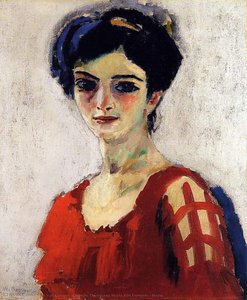
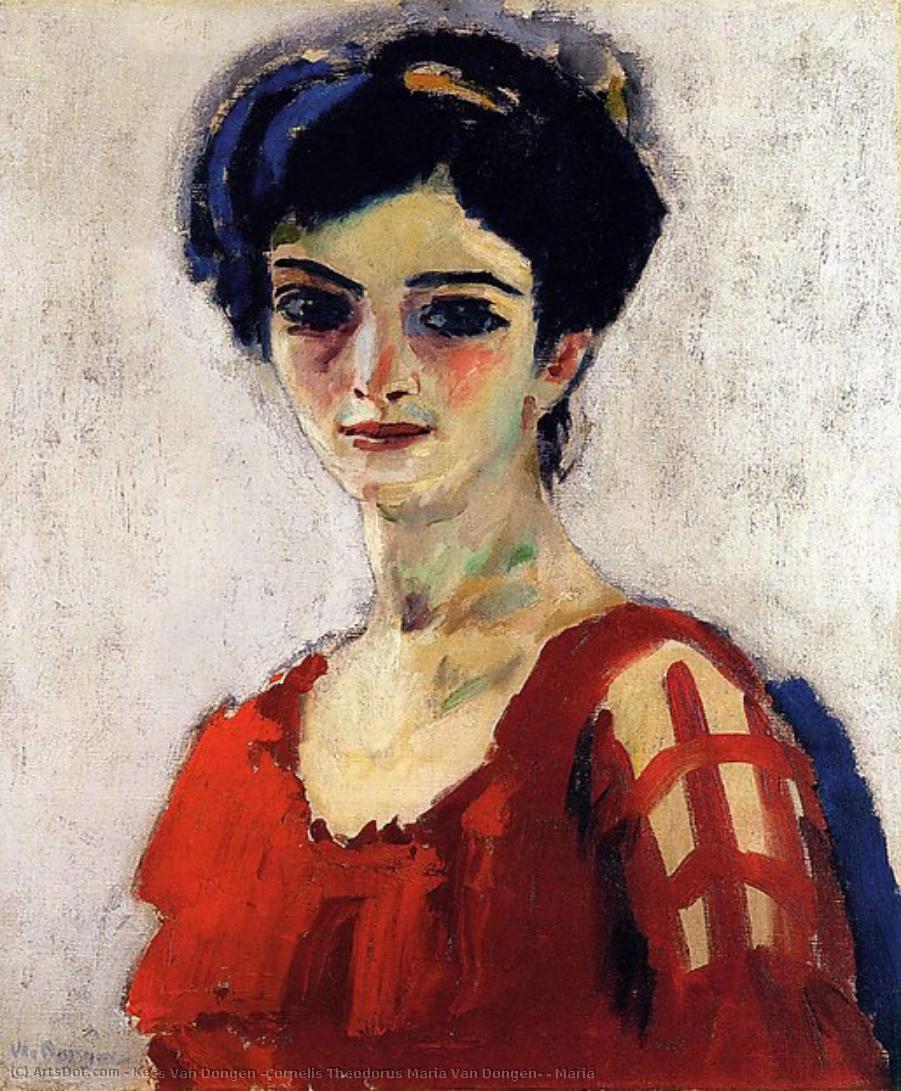
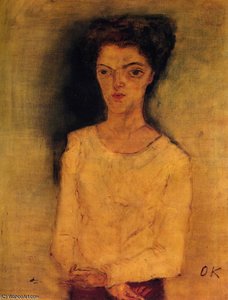
Maria
 Oil On Canvas
- WallArt
- Fauvist Expressionism
 1907
1907 97.0 x 81.0 cm
 Metropolitan Museum of Art
 Read More
Giclée / Art Print
Museum-quality giclée or canvas print with fast production and flexible finish options. ( Buy Hand Made Painting Buy Image)




P118B $10

P118H $10

P118W $10

P438Z $10

P508JH $12

P508YH $12

P805H $10

P805Z $10

P919BZ $10

P919G $10

P919XJ $10

P959ZH $10

P968JZ $12

W106C $8

W218G $10

W218JH $8

W218Y $10

W307PJ $10

W316G $10

W316PJ $8

W316Y $10

W398PJ $8

W4111J $10

W500HY $15

W500JH $15

W692G $12

W849H $8

W940BG $15

W953PJ $8




Pick from our preset sizes that match the artwork's original proportions.

You may enter your own dimensions to fit a specific frame or space. If your selected size does not match the original image's proportions, we will either crop the artwork or extend the image with a mirrored or solid-fill edge. A digital mockup will be sent for your approval before production begins.
Please note that the on-screen preview does not reflect the actual cropping or extension. Only the mockup will accurately show the final composition.
While custom sizes are available, we recommend selecting a dimension from the predefined list to preserve the original proportions.
Worldwide Delivery () in 2 weeks instead of standard 4/5 weeks. (17 August)

Free Worldwide Express Shipping

High-Quality Linen Canvas

Full Shipping Insurance

Customs Tax Refund Guarantee

True Color Matching Guarantee

60-Day Return Policy (Defects Only)

100% Money-Back Guarantee

Bulk Discount Offer
 Glass option is only available in size under 110 CM

Maria
Giclée / Art Print
Reproduction Size
-


Total Price
$ 63
Collectible Description
A Portrait Steeped in Fauvist Boldness: Kees Van Dongen’s Maria
The canvas holds a gaze—direct, unflinching—that immediately commands attention. This is Maria, painted by Kees van Dongen in 1907, and it resides within the Metropolitan Museum of Art's collection, offering a glimpse into the intoxicating world of Parisian Fauvism. More than just a depiction of a woman; it’s an embodiment of artistic rebellion against academic conventions, a testament to Van Dongen’s unwavering belief in color as expressive language.The Style and Technique: Embracing Unblended Color
Van Dongen's approach was revolutionary for its time. Rejecting the muted tones favored by Impressionists and Realists, he embraced Fauvist principles—a movement spearheaded by Henri Matisse—characterized by audacious splashes of pigment applied without blending. Observe how the crimson dress explodes against the pale ivory skin tone, creating a visual dissonance that is deliberately unsettling. This technique wasn’t merely stylistic; it mirrored Van Dongen's fascination with capturing the raw emotion of his subjects – a preoccupation evident in countless portraits of Parisian socialites. The large brushstrokes contribute to an immediacy and dynamism rarely achieved by earlier painters, conveying a sense of restless energy.Historical Context: Paris at the Dawn of Modernity
1907 Paris pulsated with artistic innovation. Artists like Matisse, Picasso, Cézanne, and Van Dongen were pushing boundaries, experimenting with new forms and challenging established aesthetic ideals. The Fauvist movement arose from a desire to liberate painting from the constraints of naturalistic representation, prioritizing color’s ability to convey feeling over accurate depiction. This period witnessed a burgeoning interest in psychology and symbolism—ideas that profoundly influenced artists' explorations of human consciousness and emotion. Maria sits squarely within this transformative moment, reflecting the anxieties and aspirations of a society grappling with rapid industrialization and social upheaval.Symbolism Within the Frame: Almond Eyes and Pale Flesh Tones
The artist’s meticulous attention to detail reveals layers of symbolic significance. Van Dongen consistently employed “almond eyes”—large, darkened irises—to convey inner intensity and vulnerability in his female sitters. This stylistic choice wasn't accidental; it served as a visual shorthand for capturing the psychological complexities inherent in human experience. Similarly, the pale ivory flesh tones – a deliberate departure from traditional portraiture – emphasize fragility and purity, juxtaposed against the boldness of the surrounding color palette. These elements contribute to an overall impression of melancholic beauty, inviting contemplation on themes of femininity, mortality, and artistic expression.Emotional Impact: Capturing Transient Moments
Ultimately, Maria transcends mere visual representation; it aspires to evoke emotion. The painting’s unsettling juxtaposition of colors—the fiery red against the cool ivory—creates a palpable tension that mirrors the anxieties of its era. Yet, beneath this surface disturbance lies an undeniable allure – a captivating glimpse into the soul of a woman caught in a fleeting moment of contemplation. Van Dongen's masterful technique ensures that this emotional resonance persists across generations, cementing Maria’s status as a cornerstone of Fauvist art and a timeless symbol of artistic courage and innovation.Related Artworks
Artist Biography
The Painter of Almond Eyes and Parisian Nights
Kees van Dongen, born Cornelis Theodorus Maria van Dongen in 1877, remains one of the most electrifying voices of the early twentieth century. Emerging from the somber, tonal traditions of the Hague School in his native Rotterdam, he underwent a radical metamorphosis upon arriving in Paris in 1897. This transition was not merely geographical but deeply psychological and aesthetic. Moving away from the muted landscapes that echoed the influence of Rembrandt, van Dongen found himself ensnively drawn to the neon pulse of Montmartre. He became a chronicler of the modern age, capturing the intoxicating, often decadent atmosphere of Parisian nightlife with a palette that felt as much like a sensory explosion as a visual medium.
The true breakthrough for van Dongen arrived with the 1905 Salon d'Automne, an exhibition that would forever change the trajectory of modern art. Alongside luminaries such as Matisse and Derain, he stood at the vanguard of the Fauvist movement. This "wild beast" style rejected the polite constraints of academic realism in favor of an audacious, uninhibited use of color. In his hands, pigments were not merely descriptive but emotional; crimson reds, emerald greens, and sapphire blues were applied with a confidence that mirrored the frantic energy of the city he loved. His work became a symphony of high-contrast hues, often punctuated by stark black outlines that lent his figures a striking, almost graphic intensity.
Sensuality and the Fauvist Gaze
At the heart of van Dongen’s oeuvre lies an unparalleled ability to capture the allure of the human form, particularly through his celebrated portraits. He possessed a unique fascination with the "almond eyes" and the stylized, sensuous features of the women who populated the cafes and cabarets of Paris. These figures—often embodying a blend of elegance and mystery—were more than mere subjects; they were icons of a new, liberated femininity. In masterpieces such as Maria, one can witness the captivating gaze that defines his portraiture, where the subject's psychological depth is rendered through bold, expressive brushstrokes and a luminous skin tone that seems to glow from within.
His thematic explorations often drifted between the glamorous and the gritty. While some works celebrate the high-society allure of the era, others delve into the more shadowed corners of urban life. This duality allowed him to explore themes of:
- The intoxicating decadence of the Belle Époque.
- The psychological tension inherent in modern romantic encounters.
- The vibrant, often chaotic energy of the Parisian streetscape.
Legacy of a Modern Visionary
The historical significance of Kees van Dongen extends far beyond his technical mastery of color. He was a pivotal figure who helped bridge the gap between the late nineteenth-century Symbolist movement and the burgeoning abstraction of the twentieth century. By infusing his work with a sense of theatricality and psychological intrigue, he provided a visual language for the anxieties and excitements of a world in transition. His ability to blend the decorative beauty of Art Deco elements with the raw emotion of Expressionism ensured that his influence would resonate through subsequent generations of artists.
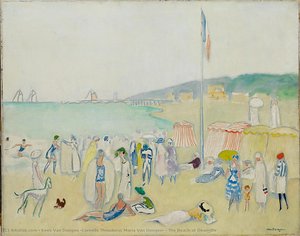
Today, van Dongen’s legacy is preserved in the halls of the world's most prestigious institutions, where his canvases continue to mesmerize viewers with their unapologetic vitality. Whether through the sweeping vistas of The Beach at Deauville or the intimate, haunting presence of Saida, his work remains a testament to the power of color to evoke the very essence of human desire and urban splendor. He did not merely paint Paris; he captured its soul, leaving behind a vibrant, indelible imprint on the history of modern art.
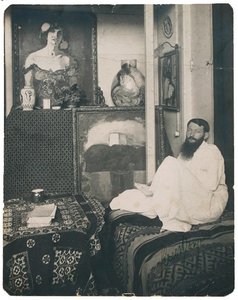
kees van dongen (cornelis theodorus maria van dongen)
1877 - 1968 , Netherlands
Quick Facts
- Artistic Movement Or Style: Fauvism
- Artists Or Movements Influenced By This Artist: ['Matisse']
- Artists Who Influenced This Artist:
- Paul Cézanne
- Henri de Toulouse-Lautrec
- Date Of Birth: January 26, 1877
- Date Of Death: May 28, 1968
- Full Name: Kees van Dongen
- Nationality: Dutch
- Notable Artworks:
- Saida
- The Beach at Deauville
- Miss France
- Place Of Birth: Rotterdam, Netherlands
Related Articles
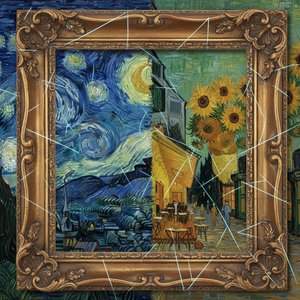
Van Gogh's Masterpieces: Explore 25 Iconic Paintings & Art for Your Home
Journey through Vincent van Gogh's 25 most iconic paintings! Explore 'Starry Night', 'Sunflowers,' and more—discover the stories, techniques & emotions behind these Post-Impressionist masterpieces. Find museum-quality art reproductions for your home at ArtsDot.com.

Rembrandt's Masterpieces: Explore 25 Iconic Paintings & Prints | ArtsDot
Journey through Rembrandt van Rijn's 25 most iconic paintings & etchings. Explore Dutch Golden Age masterpieces, dramatic chiaroscuro, and timeless portraits. Find museum-quality art reproductions to elevate your home decor on ArtsDot.com.
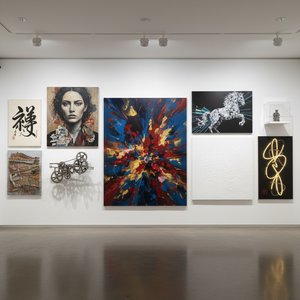
Bold Strokes & Powerful Visions: 10 Artworks That Command Attention | ArtsDot
Experience art's raw power! Explore 10 iconic paintings – Van Gogh, Kahlo & more – that define 'bold'. Discover the stories behind these expressive masterpieces and find museum-quality reproductions for your home at ArtsDot.com.
Early Netherlandish Masters: 10 Paintings That Revolutionized Art & Decor
Journey into the Early Netherlandish Renaissance! Explore 10 iconic paintings by Jan van Eyck, Rogier van der Weyden & more. Discover stunning detail, symbolism, and oil painting techniques. Find museum-quality art reproductions for your home at ArtsDot.com.
Early Netherlandish Masters: 10 Paintings That Revolutionized Art & Decor
Journey into the world of Early Netherlandish painting! Explore 10 masterpieces by Jan van Eyck, Rogier van der Weyden & more. Discover stunning detail, symbolism & Renaissance art for your home decor. Find museum-quality reproductions on ArtsDot.com