

 Preview
 Send
Send Share
Share
 Details

 Download
 Similars
 X-Ray
X-Ray Diaporama
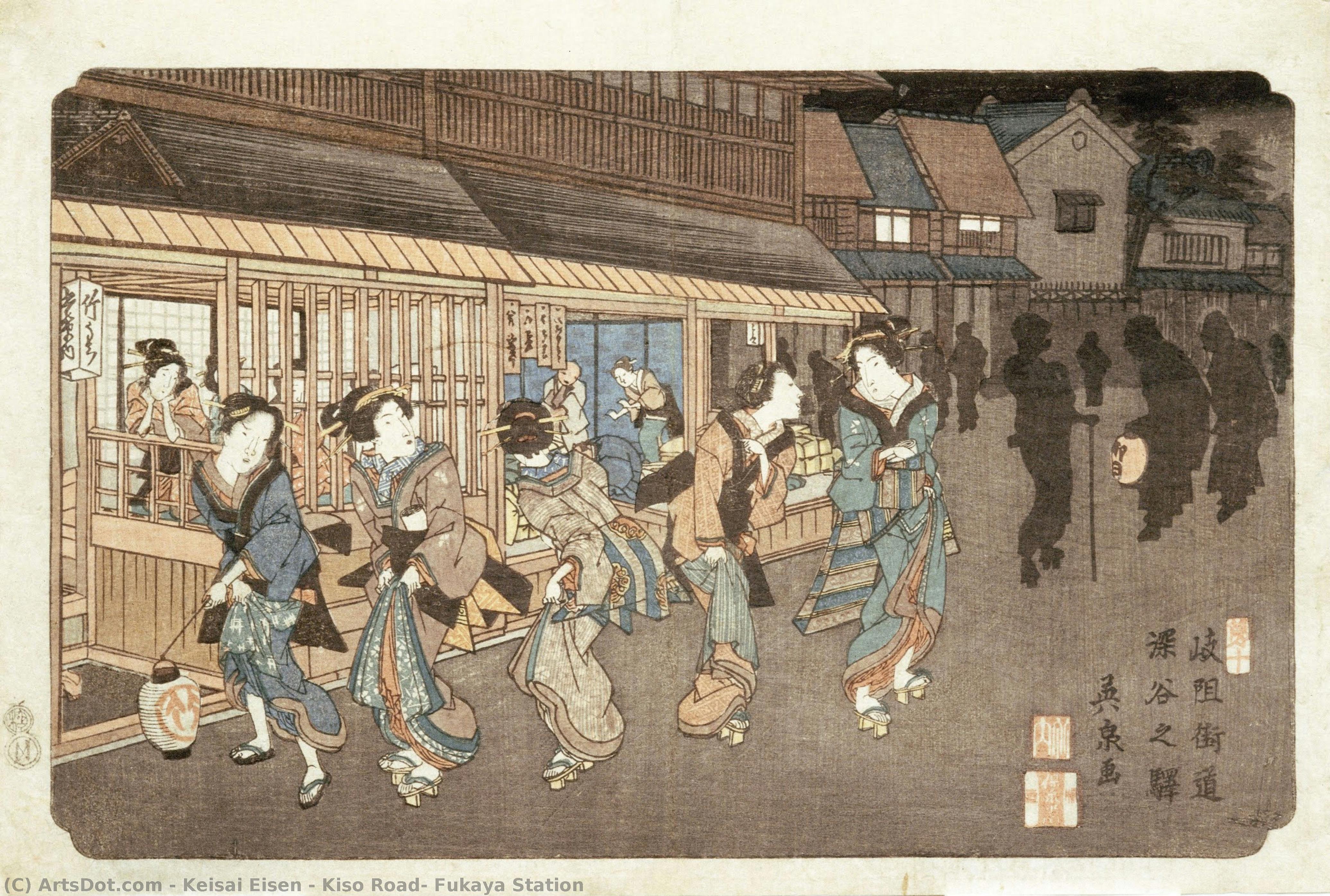
Kiso Road, Fukaya Station
 Woodblock Print
- Ukiyo-e
 19th Century
 36.0 x 24.0 cm
 Saitama Prefectural Museum of History and Folklore
 Read More
Purchase a high-resolution, enhanced digital image, far superior to the online preview.
Each file is meticulously prepared by our in-house specialists using advanced tools and expert manual retouching. We ensure every image has exceptional clarity, precise color accuracy, and fine detail.
The final file is delivered via email within 72 hours, optimized for immediate use in professional, editorial, and print environments. This is the same quality trusted by top-tier design studios, publishers, and galleries.
Digital Image
Download a high-resolution file for personal display, printing, and creative projects. ( Buy Print Buy Hand Made Painting)
Included in Every Digital Image Order
Expert Digital Delivery, Guaranteed
When you choose ArtsDot.com, you're not just getting an image - you're receiving a professionally enhanced digital artwork, crafted with precision and backed by a satisfaction guarantee. Here's everything that comes with your order, automatically:

Fast Email Delivery
Your high-resolution digital image file will be emailed to you within 72 hours of ordering - ready for immediate use.

AI-Enhanced Digital File
Your artwork is professionally optimized using advanced AI tools and manual editing, ensuring maximum detail, clarity, and color accuracy.

Free Lifetime Re-Delivery
Accidentally deleted or lost your file? No worries - we'll resend it to you anytime, free of charge.

No Import Fees - Ever
Enjoy your artwork instantly with zero customs, duties, or delivery fees - digital downloads are always tax-free.

Color Accuracy Guarantee
We ensure your digital image reflects the original colors as closely as possible using professional tools and color management.

60-Day Satisfaction Guarantee
If you're not satisfied with your digital image, we'll revise it or refund 100% within 60 days - no questions asked.

100% Money-Back Guarantee
Not satisfied? Get a full refund within 60 days of receiving your digital file - no questions asked.

Bulk Order Discounts
Buy 3 images, save 10% - Buy 5, save 15% - Buy 10+, save 20%. Great for creative projects, galleries, and agencies.
Collectible Description
A Window into the Bunsei Era: The Bustling Spirit of Fukaya Station
In the delicate interplay of light and shadow captured within Kiso Road, Fukaya Station, we are transported back to a vanished world of 19th-century Japan. This evocative work by the ukiyo-e master Keisai Eisen serves as more than just a landscape; it is a cinematic snapshot of life in motion. Through the monochromatic lens of this composition, the artist invites us to wander alongside the travelers of the Kisokaidō highway, feeling the rhythmic pulse of a roadside station coming to life. The scene is thick with atmosphere, where the quiet dignity of the architecture meets the spontaneous energy of a crowd, creating a sense of timelessness that resonates deeply with the modern observer.
The composition masterfully balances the structural permanence of the buildings and fences with the fleeting, ephemeral nature of human movement. As we gaze upon the street, our eyes are drawn through a carefully orchestrated depth of field—from the figures in the immediate foreground to the distant silhouettes navigating the urban landscape. The presence of a small dog trotting amidst the pedestrians and the subtle detail of a handbag carried by a traveler add layers of profound realism, grounding the historical scene in a relatable, human intimacy. This is not merely a depiction of a location, but a celebration of the "floating world," where every passing moment is imbued with significance.
The Mastery of Keisai Eisen and the Ukiyo-e Tradition
To understand the soul of this piece, one must look to the hand of Keisai Eisen, an artist who defined the aesthetic of the Bunsei era. Renowned for his ability to capture both the sensual beauty of women and the rugged spirit of Japanese landscapes, Eisen possessed a unique gift for storytelling through line and tone. In this particular work, his technique emphasizes the textures of the wooden structures and the varied silhouettes of the travelers, creating a visual rhythm that mimics the heartbeat of a busy station. The use of high-contrast tones allows the viewer to perceive the weight of the shadows and the brightness of the open street, evoking a sense of atmosphere that feels almost tactile.
For collectors and interior designers alike, this reproduction offers a sophisticated focal point that bridges the gap between historical reverence and contemporary elegance. The monochromatic palette provides a versatile aesthetic that complements both minimalist modern interiors and more traditional, richly textured spaces. It serves as a conversation piece that invites contemplation on themes of journey, transition, and the enduring beauty of the everyday. Owning such a piece is an opportunity to possess a fragment of Japanese history, rendered with the precision and emotional depth that only a master of the ukiyo-e tradition could achieve.
Related Artworks
Artist Biography
Keisai Eisen (渓斎英泉) – A Master of Sensuality and Landscape
Keisai Eisen (1790–1848), born Ikeda Yoshinobu, was a Japanese ukiyo-e artist who flourished during the Bunsei era (1818–1830), considered by many to be the zenith of this artistic movement. He stands alongside Kunisada and Kuniyoshi as one of the most prominent masters of 19th-century Japanese woodblock prints, renowned for his captivating depictions of women – particularly sensual bust portraits known as ōkubi-e – and his masterful landscapes that captured the spirit of the Kisokaidō highway. His legacy continues to inspire artists today. ### Early Life and Training Eisen’s formative years were marked by a privileged upbringing within the Ikeda samurai clan, where he received an education steeped in calligraphy and poetry from his father, Shigeharu, a respected calligrapher and painter himself. Tragically, Eisen lost his parents early in life, forcing him to become a *rōnin* (wandering samurai) to support his younger sisters—a circumstance that profoundly shaped his worldview and fueled his rebellious spirit. Recognizing the importance of formal artistic training, he initially studied under Hakkeisai, a master of the Kano school of painting, absorbing techniques rooted in tradition while simultaneously embracing innovation. Subsequently, he honed his skills further with Kikugawa Eizan, arguably the most influential bijin-ga artist of his time, solidifying his position at the forefront of ukiyo-e aesthetics. ### Style and Technique – Embracing Sensuality and Bold Composition Eisen’s distinctive style quickly distinguished him from his contemporaries. Unlike Kunisada's focus on kabuki actor prints or Kuniyoshi’s depictions of warriors, Eisen dedicated himself primarily to portraying women—a genre that demanded a nuanced understanding of psychology and physicality. His figures are characterized by bold compositions, meticulously rendered kimono designs, and an arresting gaze that conveys both confidence and vulnerability. He skillfully blended Kano school techniques with ukiyo-e innovation, achieving remarkable visual impact through dynamic poses and expressive facial expressions. Eisen’s masterful use of color—particularly vibrant reds and blues—further enhanced the sensual quality of his prints, reflecting a fascination with contemporary Edo fashion and capturing the fleeting beauty of urban life. ### The Kisokaidō Landscape Series – Collaboration and Vision Eisen's contribution to Japanese art history extends beyond bijin-ga; he achieved considerable renown for his involvement in the monumental Kisokaidō landscape series, undertaken jointly with Hiroshige. This ambitious project aimed to depict all sixty-nine stations of the Kisokaidō highway—a major route connecting Edo and Kyoto—and Eisen’s designs infused the series with a distinctive aesthetic sensibility. His landscapes are notable for their atmospheric perspective, subtle tonal gradations, and evocative depictions of seasonal beauty—reflecting his profound appreciation for nature and his ability to convey emotion through visual imagery. The collaboration cemented Eisen's reputation as a visionary artist who could elevate a genre beyond mere representation into an immersive experience for the viewer. ### Legacy and Influence – A Lasting Impression on Japanese Art Eisen’s prolific output spanned numerous genres—including erotic prints (*shunga*)—demonstrating his willingness to explore themes of sexuality with unflinching honesty. His work captivated audiences during the Bunsei era, establishing him as a pivotal figure in ukiyo-e history and influencing generations of artists who followed. Despite facing financial difficulties in his later years, Eisen died peacefully in Edo in 1848, leaving behind an unparalleled body of artistic achievement—a testament to his genius and enduring legacy. His prints continue to be admired for their beauty, originality, and psychological depth, securing his place as one of Japan’s greatest ukiyo-e masters.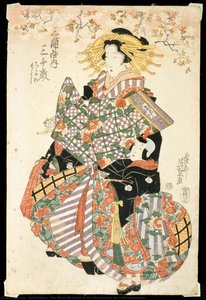
keisai eisen
1790 - 1848
Quick Facts
- Artistic Movement Or Style: Bunsei Era Ukiyo-e
- Artists Or Movements Influenced By This Artist:
- Kunisada
- Kuniyoshi
- Artists Who Influenced This Artist:
- Kanō Hakkeisai
- Kikugawa Eizan
- Date Of Birth: 1790
- Full Name: Ikeda Yoshinobu (Keisai Eisen)
- Nationality: Japanese
- Notable Artworks:
- Omiya Station with Mt. Fuji
- The Oiran Michitose
- Place Of Birth: Edo (Tokyo)

