

 Preview
 Send
Send Share
Share
 Details

 Download
 Similars
 X-Ray
X-Ray Diaporama
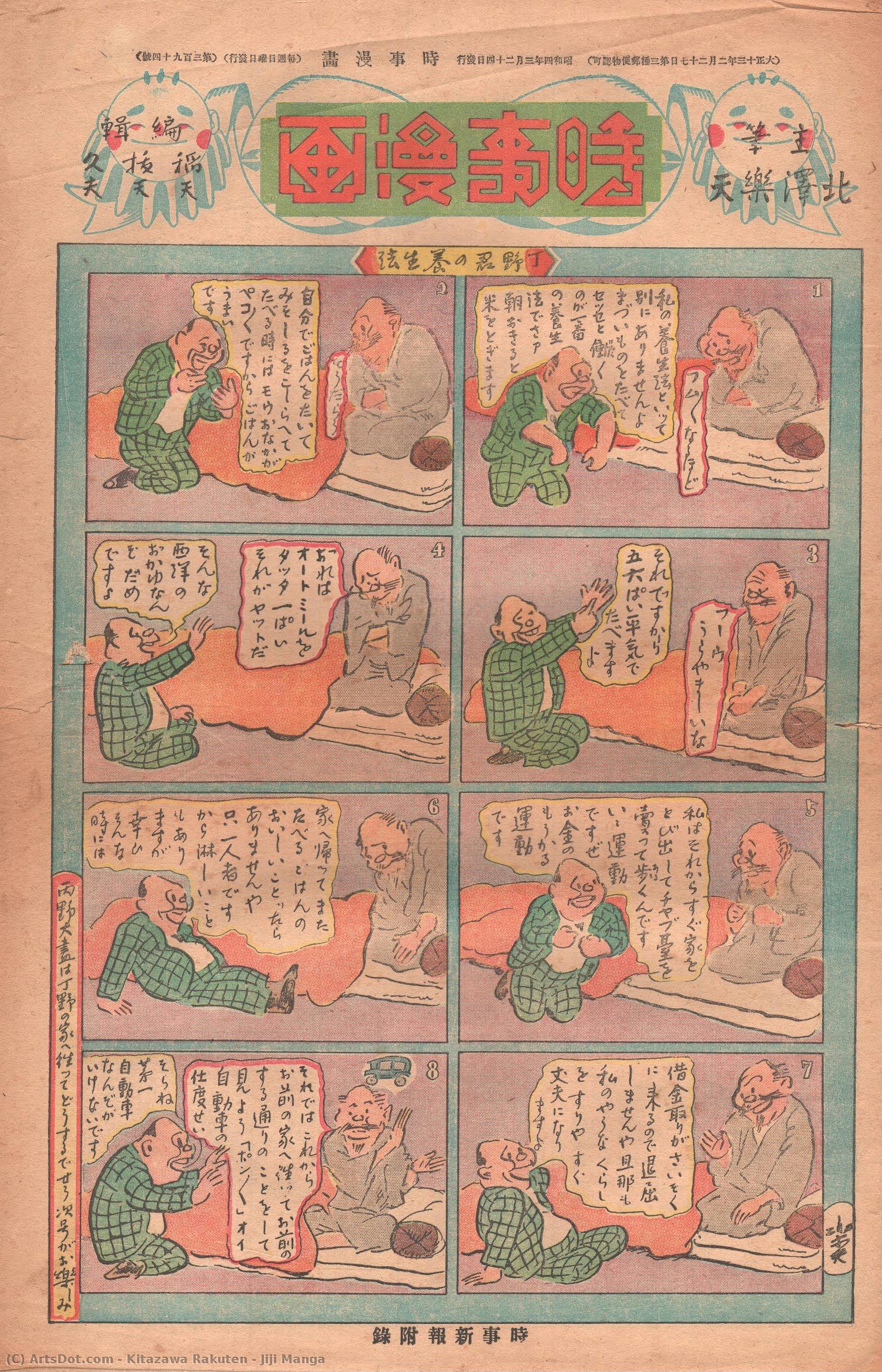
Jiji Manga
 Woodblock Print
- Ukiyo-e
 1929
1929- Modern
 27.0 x 40.0 cm
 Bujalance Collection
 Read More
Hand Made Oil Reproduction
Hand-painted oil on canvas in your size and frame, made to order by our artists. ( Buy Print Buy Image)




P118B $10

P118H $10

P118W $10

P438Z $10

P508JH $12

P508YH $12

P805H $10

P805Z $10

P919BZ $10

P919G $10

P919XJ $10

P959ZH $10

P968JZ $12

W106C $8

W218G $10

W218JH $8

W218Y $10

W307PJ $10

W316G $10

W316PJ $8

W316Y $10

W398PJ $8

W4111J $10

W500HY $15

W500JH $15

W692G $12

W849H $8

W940BG $15

W953PJ $8




Pick from our preset sizes that match the artwork's original proportions.

You may enter your own dimensions to fit a specific frame or space. If your selected size does not match the original image's proportions, we will either crop the artwork or extend the painting with additional hand-painted elements. A digital mockup will be sent for your approval before production begins.
Please note that the on-screen preview does not reflect the actual cropping or extension. Only the mockup will accurately show the final composition.
While custom sizes are available, we recommend selecting a dimension from the predefined list to preserve the original proportions.
After order, ArtsDot.com team will email client for instructions and provide a mockup preview
Worldwide Delivery () in 3/4 weeks instead of standard 5 weeks. (16 August). No compromise on quality.

Free Worldwide Express Shipping

High-Quality Linen Canvas

Full Shipping Insurance

Customs Tax Refund Guarantee

True Color Matching Guarantee

60-Day Return Policy (Defects Only)

100% Money-Back Guarantee

Bulk Discount Offer
 Glass option is only available in size under 110 CM

Jiji Manga
Reproduction Medium
Reproduction Size
-


Total Price
$ 463
Artwork Description
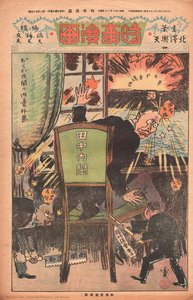
A Window into the Dawn of Modern Manga
In the vibrant tapestry of Japanese art history, few works capture the electric transition from tradition to modernity as vividly as Kitazawa Rakuten’s Jiji Manga. Created in 1929, this multi-panel woodblock print serves as a breathtaking time capsule, capturing the whimsical and burgeoning spirit of early Shōwa era storytelling. At first glance, the viewer is swept into a rhythmic, cinematic experience; the six distinct panels function much like a contemporary comic strip, guiding the eye through a lively, interconnected narrative. Each scene is a miniature stage where characters engage in spirited exchanges, their gestures and expressions frozen in a moment of humorous, everyday drama. The artwork does not merely depict a story; it invites the observer to participate in a social dance, making it an irresistible piece for those who appreciate art that breathes with life and movement.
The technical mastery behind Jiji Manga lies in its seamless marriage of ancient ukiyo-e techniques with the emerging language of sequential art. Rakuten utilizes the traditional woodblock printing method, a process requiring immense precision to carve intricate designs into wooden blocks before applying rich, Japanese inks. This layering process creates a beautiful, tactile texture—a subtle graininess that lends the piece an organic, soulful quality. The color palette is strikingly vibrant yet harmoniously balanced, utilizing bold hues that define each character and action without overwhelming the delicate linework. The flattened perspective, a hallmark of the ukiyo-e tradition, prioritizes narrative clarity and emotional impact over realistic depth, allowing the humor and the kinetic energy of the characters to take center stage.
The Legacy of a Visionary Pioneer
To understand the profound significance of this work, one must look toward the man behind the ink. Kitazawa Rakuten is widely revered as the "father of modern manga," a visionary who bridged the gap between the classical woodblock prints of the past and the global phenomenon of Japanese comics today. Jiji Manga represents a pivotal moment in this evolution, where the satirical edge of Meiji-era art began to merge with the more structured, character-driven storytelling of the early 20th century. The integration of Japanese script throughout the panels is not merely decorative; it is an essential narrative component that weaves text and image into a singular, inseparable experience. This synthesis of word and picture laid the groundwork for the visual literacy that defines much of Japan's cultural export today.
For the discerning collector or interior designer, a high-quality reproduction of Jiji Manga offers more than just aesthetic beauty; it provides a sophisticated conversation piece that celebrates historical innovation. The artwork’s dynamic composition and rhythmic flow make it an ideal focal point for a contemporary space, adding a layer of intellectual depth and cultural richness to any room. Whether placed in a curated gallery setting or used to add a touch of avant-garde history to a modern living space, this print evokes a sense of nostalgia and wonder. It is a celebration of the moment when art stepped off the traditional scrolls and into the fast-paced, expressive world of the modern era, making it an enduring treasure for those who cherish the roots of visual storytelling.
Related Artworks
Artist Biography
The Genesis of Manga: Kitazawa Rakuten’s Pioneering Vision
Kitazawa Rakuten (1876-1955), a name synonymous with the birth of modern manga, stands as an undeniable figure in Japanese artistic history. Born in Tokyo amidst the burgeoning industrialization and cultural dynamism of the late Meiji era, Rakuten’s journey from humble beginnings to international acclaim exemplifies unwavering dedication to his craft and a profound understanding of visual storytelling—a skillset that would irrevocably reshape Japan's artistic landscape. He wasn’t merely an artist; he was arguably the first professional cartoonist in Japan, establishing himself as a visionary who championed innovation and challenged conventional artistic boundaries.- Early Life & Artistic Training:
- The Founding Father of Manga:
- Notable Works: Jiji Manga & Beyond:
- Influence on Subsequent Artists:
- Legacy and Historical Significance:
Early Life & Artistic Training
Rakuten’s formative years were steeped in traditional Nihonga painting, the Japanese style emphasizing subtle tonal gradations and expressive brushwork. Trained under renowned masters like Hiroshi Yoshida, he absorbed the principles of capturing atmospheric landscapes and conveying emotion through nuanced visual cues—skills that would later inform his distinctive approach to comic illustration. This grounding in classical aesthetics provided him with a foundational understanding of composition, color theory, and artistic technique – elements crucial for communicating narratives effectively.The Founding Father of Manga
Rakuten’s contribution to art history transcends mere stylistic innovation; he fundamentally redefined what constituted “art.” In 1908, he established ‘Jiji Manga,’ a satirical comic strip published in the Tokyo Puck magazine—a groundbreaking endeavor that cemented his place as the inaugural professional cartoonist in Japan. More importantly, he coined the term 'manga' itself – originally referring to "pictures" or "drawings," Rakuten skillfully adapted it into its current form, encapsulating the essence of serialized visual storytelling and establishing a genre that would dominate Japanese popular culture for decades to come. He recognized the potential of combining narrative with illustration, anticipating the future direction of artistic expression.Notable Works: Jiji Manga & Beyond
‘Jiji Manga’ remains Rakuten's most celebrated achievement, lauded for its witty commentary on social issues and its masterful execution of ukiyo-e techniques. The series tackled subjects ranging from political corruption to urban life, utilizing humor and caricature to provoke thought and engage audiences. However, Rakuten’s artistic output extended far beyond this single project. He continued to produce editorial cartoons throughout the tumultuous years of World War I and the interwar period, consistently demonstrating his ability to capture the zeitgeist of his time while maintaining a steadfast commitment to artistic excellence. His work appeared in publications like ‘Jiji Manga Series,’ showcasing his versatility and enduring appeal.Influence on Subsequent Artists
Rakuten’s pioneering spirit ignited the imaginations of countless younger artists who would come to define the trajectory of manga as we know it today. He championed a style characterized by bold lines, vibrant colors, and dynamic compositions—elements that became hallmarks of the genre's aesthetic language. His insistence on storytelling alongside visual artistry served as an inspiration for generations of creators, shaping the very DNA of anime and manga production.Legacy and Historical Significance
Kitazawa Rakuten’s legacy extends beyond his artistic accomplishments; he represents a pivotal moment in Japanese cultural history—the genesis of a global phenomenon. He irrevocably altered perceptions of art and storytelling, establishing manga as a powerful medium for social commentary and entertainment. His influence continues to resonate within the contemporary anime and manga industry, securing his place as an icon among artists and cementing his status as ‘The Father of Manga,’ a title justly earned through unwavering dedication to innovation and artistic vision.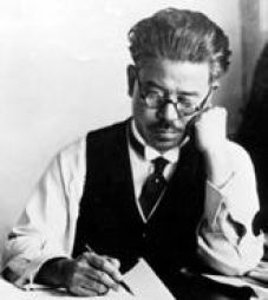
kitazawa rakuten
1876 - 1955 , Japan
Quick Facts
- Artistic Movement Or Style: Manga & Nihonga
- Date Of Birth: Tokyo, Japan (1876)
- Date Of Death: 1955
- Full Name: Kitazawa Rakuten
- Nationality: Japanese
- Notable Artworks: ['Jiji Manga']
- Place Of Birth: Tokyo
Related Articles
Ukiyo-e's Greatest Hits: 10 Masterpieces That Shaped a Movement | ArtsDot
Journey into Japan's 'Floating World'! Explore 10 Ukiyo-e masterpieces by Hokusai, Hiroshige & more. Discover the stories behind these iconic woodblock prints and bring timeless Japanese art to your home with ArtsDot.com. Explore the full collection online.

Hokusai's Masterpieces: 25 Iconic Prints & Paintings for Art Lovers | ArtsDot
Journey through Katsushika Hokusai’s 25 most iconic artworks, including *The Great Wave*. Explore the ukiyo-e master's history, style & timeless Japanese woodblock prints. Find museum-quality reproductions for your home at ArtsDot.com.
Ukiyo-e: Exploring Japan's Floating World & Enduring Artistic Legacy
Explore the captivating world of Ukiyo-e – Japan's iconic woodblock prints! Discover masters like Hokusai & Hiroshige, learn about Edo period culture, and find expert art collecting guidance at ArtsDot.
Floating World: The Captivating Art and Legacy of Japanese Ukiyo-e
Explore the profound beauty of Japanese Ukiyo-e. Discover the history, masters like Hokusai, and the enduring legacy of the 'Floating World' through an expert art-historical lens.
From Page to Palette: Exploring the Aesthetic Transmutation of Manga into Museum-Quality Canvas Art
Explore the stunning transformation of manga into museum-quality canvas art! Discover expert reproductions, custom portraits & the rich history behind this captivating art form. Elevate your space with authentic Japanese aesthetics.

