 Preview
 Send
Send Share
Share
 Details

 Download
 Similars
 X-Ray
X-Ray Diaporama
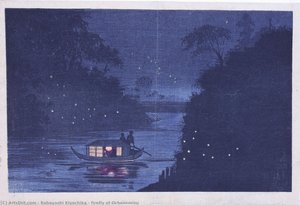
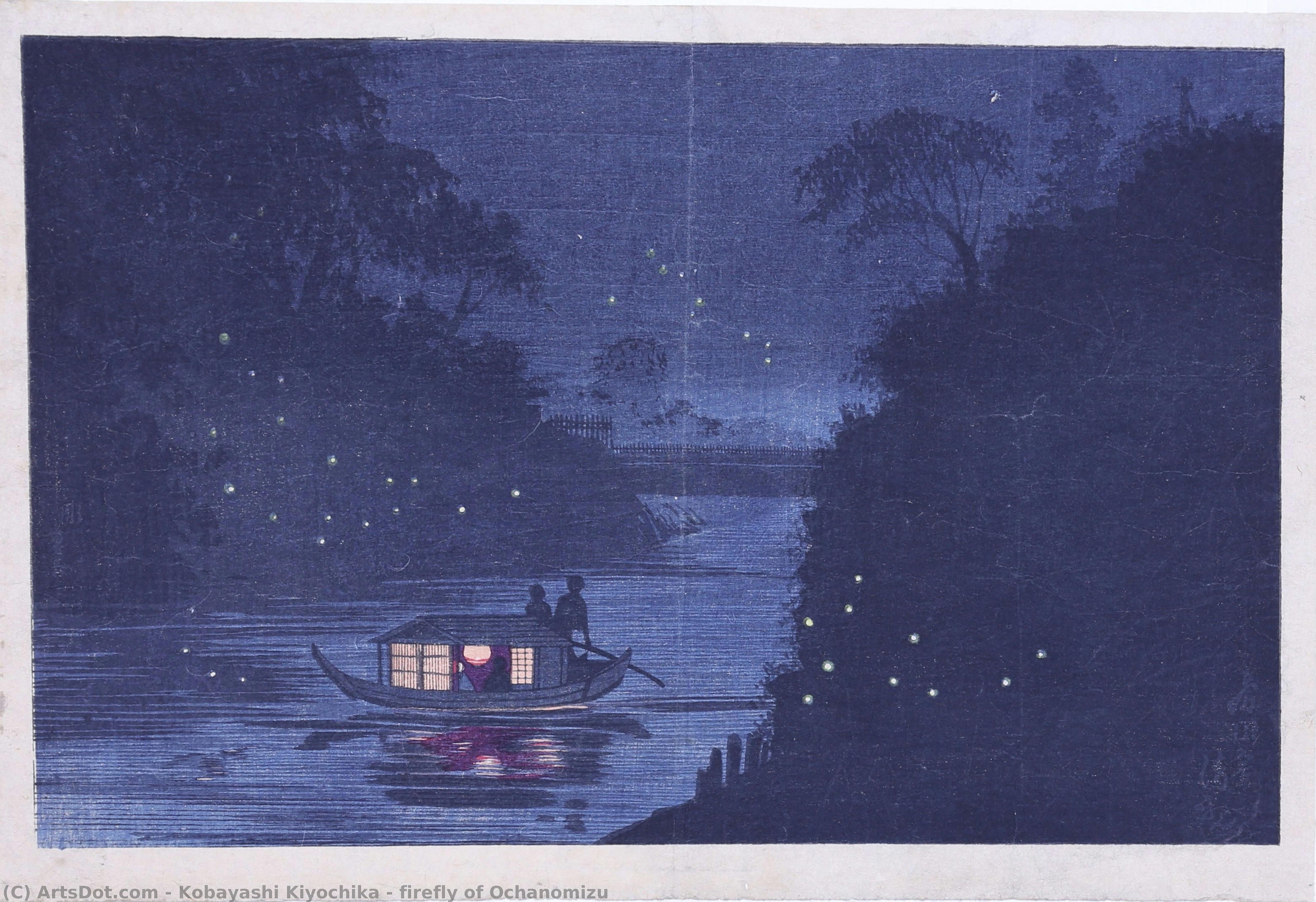
firefly of Ochanomizu


 Read More
Giclée / Art Print
Museum-quality giclée or canvas print with fast production and flexible finish options. ( Buy Hand Made Painting Buy Image)




P118B $10

P118H $10

P118W $10

P438Z $10

P508JH $12

P508YH $12

P805H $10

P805Z $10

P919BZ $10

P919G $10

P919XJ $10

P959ZH $10

P968JZ $12

W106C $8

W218G $10

W218JH $8

W218Y $10

W307PJ $10

W316G $10

W316PJ $8

W316Y $10

W398PJ $8

W4111J $10

W500HY $15

W500JH $15

W692G $12

W849H $8

W940BG $15

W953PJ $8




Pick from our preset sizes that match the artwork's original proportions.

You may enter your own dimensions to fit a specific frame or space. If your selected size does not match the original image's proportions, we will either crop the artwork or extend the image with a mirrored or solid-fill edge. A digital mockup will be sent for your approval before production begins.
Please note that the on-screen preview does not reflect the actual cropping or extension. Only the mockup will accurately show the final composition.
While custom sizes are available, we recommend selecting a dimension from the predefined list to preserve the original proportions.
Worldwide Delivery () in 2 weeks instead of standard 4/5 weeks. (26 August)

Free Worldwide Express Shipping

High-Quality Linen Canvas

Full Shipping Insurance

Customs Tax Refund Guarantee

True Color Matching Guarantee

60-Day Return Policy (Defects Only)

100% Money-Back Guarantee

Bulk Discount Offer
 Glass option is only available in size under 110 CM

firefly of Ochanomizu
Giclée / Art Print
Reproduction Size
-


Total Price
$ 63
Collectible Description
A Nocturnal Symphony of Light and Shadow
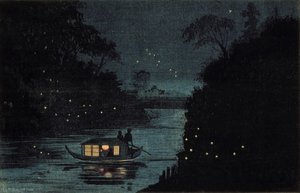
In the quiet, moonlit depths of Meiji-era Japan, Kobayashi Kiyochika captured a moment of profound stillness that transcends time. Firefly of Ochanomizu is not merely a depiction of a river scene; it is an immersive experience of light dancing against the velvet darkness of a summer night. The artwork invites the viewer to drift alongside a small pleasure boat as it glides through the Kanda River, or more accurately, the ancient aqueduct of Ochanomizu. Here, the atmosphere is thick with the ephemeral glow of countless fireflies, each tiny spark acting as a celestial punctuation mark against the deep, nocturnal blues and blacks of the water and sky.
The composition masterfully balances the intimacy of human presence with the vast, magical expanse of nature. Two figures occupy the boat—one seated in quiet contemplation, another standing at the edge—serving as our emotional anchors within this luminous landscape. Their silhouettes are softened by the ambient glow, creating a sense of shared solitude that is both peaceful and deeply moving. For the collector or interior designer, this piece offers a window into a lost world, providing a focal point that commands attention through its subtle complexity rather than overt brightness.
The Mastery of Kōsen-ga and Meiji Innovation
To understand the brilliance of this work, one must look to Kiyochika’s revolutionary role in Japanese art history. Often celebrated as a pioneer of kōsen-ga, or light-effect painting, he bridged the gap between traditional ukiyo-e woodblock aesthetics and the emerging Western fascination with chiaroscuro. Unlike his predecessors who relied on flat planes of color, Kiyochika experimented with the way light interacts with atmosphere, moisture, and shadow. In Firefly of Ochanomizu, this technique is palpable; the way the fireflies seem to pulse with a life of their own and the soft reflection of light upon the rippling water demonstrate a sophisticated understanding of luminosity.
This mastery of light serves a dual purpose: it provides technical brilliance and deepens the symbolic resonance of the piece. The firefly, a classic motif in Japanese art, often symbolizes the fleeting nature of life and the beauty found in transient moments. By capturing these ephemeral insects amidst the transition of the Meiji Restoration—a period of rapid modernization—Kiyochika imbues the scene with a gentle melancholy. It is a celebration of the enduring magic of the natural world even as the landscape around it began to change forever.
An Elegant Addition to the Modern Interior
For those seeking to curate a space of tranquility and intellectual depth, a high-quality reproduction of this masterpiece offers unparalleled versatility. The color palette, dominated by deep indigos, midnight blues, and warm, golden highlights, lends itself beautifully to sophisticated interior design schemes. Whether placed in a contemporary minimalist setting to provide a soulful contrast or integrated into a classic study filled with dark woods and leather, the painting acts as a meditative element that encourages slow looking and quiet reflection.
Owning a piece of Kiyochika’s legacy is an opportunity to bring the poetic atmosphere of 19th-century Tokyo into the modern home. The artwork does not merely decorate a wall; it transforms a room, offering a sense of narrative and historical weight. It is an ideal choice for art lovers who appreciate the intersection of technical innovation and emotional storytelling, providing a timeless elegance that resonates across generations.
Related Artworks
Artist Biography
A Bridge Between Worlds: The Life and Art of Kobayashi Kiyochika
Born in Tokyo in 1847, amidst the waning days of Edo-period Japan, Kobayashi Kiyochika emerged as a pivotal figure in the nation’s artistic transition. He wasn't merely an observer of the seismic shifts occurring during the Meiji Restoration; he was a visual chronicler, capturing the exhilarating and often unsettling transformation of his homeland with a unique blend of traditional artistry and Western influences. His journey began humbly, as the youngest of nine children born to Kobayashi Mohē, a minor official responsible for managing rice taxes. The weight of familial responsibility fell upon young Kiyochika after his father’s death in 1862, prompting him to adapt and forge his own path. This early experience instilled within him a resilience and pragmatism that would later inform his artistic choices. Initially aligned with the Tokugawa Shogunate, he skillfully navigated the political upheaval following the Restoration, ultimately finding his voice as an artist documenting the new Japan.The Dawn of Modern Ukiyo-e: Kōsen-ga and a Changing Landscape
Kiyochika’s artistic development was profoundly shaped by his exposure to Western art techniques, particularly through his studies with Charles Wirgman, a British caricaturist residing in Japan. This encounter sparked a revolution in Kiyochika's approach to *ukiyo-e*, the traditional “pictures of the floating world.” He pioneered a technique he termed *kōsen-ga* – literally "light and shade style" – which incorporated Western principles of perspective, shading, and atmospheric effects into woodblock printing. This wasn’t simply an imitation; Kiyochika masterfully synthesized these elements with existing Japanese aesthetics, creating a visual language that was both innovative and deeply rooted in tradition. His early works, appearing around 1875, immediately distinguished themselves through their dramatic use of light, often depicting the burgeoning modernity of Tokyo: brick buildings rising against the skyline, trains cutting across the landscape, gas lamps illuminating nighttime scenes. These weren’t merely depictions of progress; they were explorations of its impact on Japanese life and identity. He wasn't just showing what was *new*, but how it *felt* to live in a rapidly changing world.Witnessing History: War, Disaster, and the Everyday
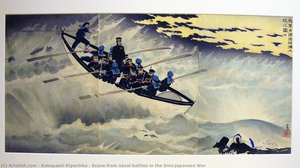
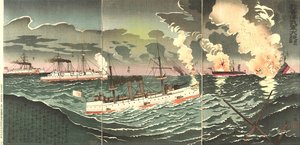
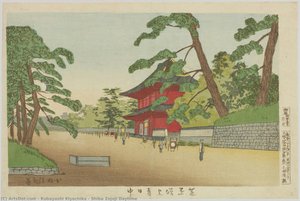
Kiyochika’s artistic scope extended far beyond urban landscapes. He possessed an exceptional ability to document significant historical events with striking immediacy. His series of prints created during and after the Sino-Japanese War (1894-95) are particularly noteworthy. These weren't idealized depictions of military glory, but rather visceral portrayals of naval battles, troop movements, and the human cost of conflict. He collaborated with Koppi Dojin (Nishimori Takeki) on the propaganda series *nihon banzai hyakusen hyakushō* ("Long live Japan: 100 victories, 100 laughs"), demonstrating his willingness to engage with contemporary political currents. Beyond war, Kiyochika also captured moments of tragedy and everyday life. His dramatic depiction of the Ryōgoku Fire in 1881, sketched from Hama-chō, is a powerful testament to his skill in conveying both spectacle and human vulnerability. Similarly, serene portrayals like *Shiba Zojoji Daytime* (1880) reveal his mastery of composition and light, offering glimpses into the rhythms of urban existence.Legacy and Influence: The Last Master and a Path Forward
Kobayashi Kiyochika’s contributions to Japanese art are immeasurable. He is often regarded as the last great master of *ukiyo-e*, skillfully preserving its traditions while simultaneously pushing its boundaries. His innovative use of *kōsen-ga* breathed new life into the genre, attracting a wider audience and influencing subsequent generations of artists. While *ukiyo-e* itself began to decline in popularity during his lifetime, Kiyochika’s work laid the groundwork for the *Shin Hanga* movement – a revival of Japanese printmaking in the early 20th century that embraced both traditional techniques and modern aesthetics. His prints remain invaluable historical documents, offering a vivid window into Meiji-era Japan. They are not simply beautiful objects; they are testaments to a period of profound transformation, captured by an artist who possessed both technical brilliance and a deep understanding of the human condition. Kiyochika’s legacy endures as a reminder that art can be both a reflection of its time and a bridge to the future.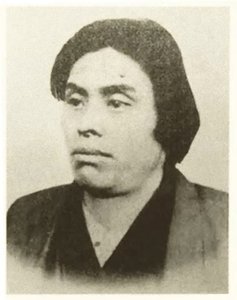
Kobayashi Kiyochika
1847 - 1915 , Japan
Quick Facts
- Artistic Movement Or Style: Ukiyo-e, Kōsen-ga
- Artists Or Movements Influenced By This Artist: ['Shin Hanga movement']
- Artists Who Influenced This Artist: ['Charles Wirgman']
- Date Of Birth: September 10, 1847
- Date Of Death: 1915
- Full Name: Kobayashi Kiyochika
- Nationality: Japanese
- Notable Artworks:
- View of Shin-ohashi Bridge
- Takanawa Ushimachi View
- Ryōgoku Fire Sketch
- Shiba Zojoji Daytime
- Place Of Birth: Tokyo, Japan
Related Articles

Giclée Prints: Archival Quality & Aesthetic Nuances for the Discerning Collector
Explore the world of giclée prints with ArtsDot. Learn about archival quality, aesthetic nuances & investment potential. Expert guidance for discerning art collectors seeking museum-quality reproductions and lasting value.

The Enduring Legacy of Fine Art Prints: Technique, History & Aesthetic Impact
Explore the rich history & techniques of fine art prints. Discover investment potential, assess authenticity, and learn how to preserve your collection with expert guidance. Trusted insights for discerning collectors.

Echoes of Time: Exploring the Enduring Appeal & Historical Context of Vintage Art Prints
Explore the captivating world of vintage art prints! Discover their history, collecting tips & enduring appeal. Expert insights on chromolithography and building a legacy collection with ArtsDot.

The Enduring Legacy of Printmaking: Techniques, Themes & Artistic Innovation Across Centuries
Explore the rich history of printmaking with ArtsDot. Discover techniques from intaglio to lithography, learn about collecting valuable prints & find museum-quality reproductions. Expert insights for art enthusiasts and collectors.
Tsukioka Yoshitoshi: A Master of Ukiyo-e's Final Flourish – Narrative, Innovation, and the Meiji Transition
Explore the life & art of Tsukioka Yoshitoshi, the last great master of ukiyo-e woodblock printing. Discover his dramatic warrior prints, innovative series like 'One Hundred Aspects of the Moon,' and legacy reflecting Japan's Meiji transition.