 Preview
 Send
Send Share
Share
 Details

 Download
 Similars
 X-Ray
X-Ray Diaporama
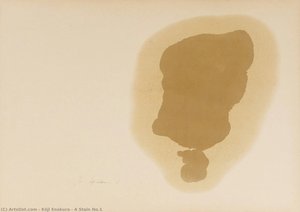
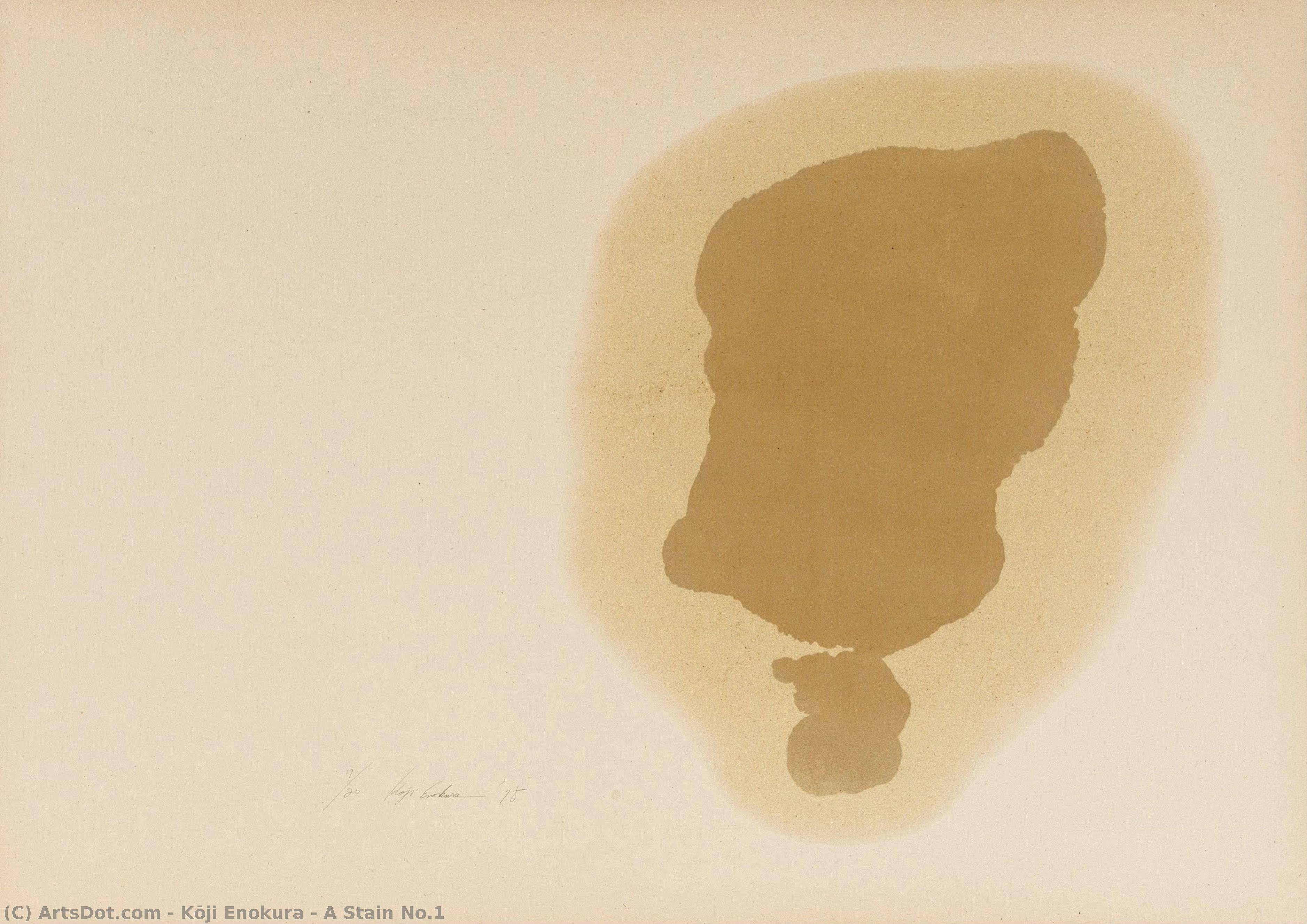
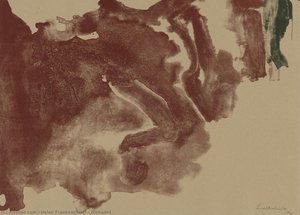
A Stain No.1
 108.0 x 77.0 cm
 Gyeonggi Museum of Modern Art
 Read More
Giclée / Art Print
Museum-quality giclée or canvas print with fast production and flexible finish options. ( Buy Hand Made Painting Buy Image)




































Pick from our preset sizes that match the artwork's original proportions.

You may enter your own dimensions to fit a specific frame or space. If your selected size does not match the original image's proportions, we will either crop the artwork or extend the image with a mirrored or solid-fill edge. A digital mockup will be sent for your approval before production begins.
Please note that the on-screen preview does not reflect the actual cropping or extension. Only the mockup will accurately show the final composition.
While custom sizes are available, we recommend selecting a dimension from the predefined list to preserve the original proportions.
Worldwide Delivery () in 2 weeks instead of standard 4/5 weeks. (3 September)

Free Worldwide Express Shipping

High-Quality Linen Canvas

Full Shipping Insurance

Customs Tax Refund Guarantee

True Color Matching Guarantee

60-Day Return Policy (Defects Only)

100% Money-Back Guarantee

Bulk Discount Offer
 Glass option is only available in size under 110 CM

A Stain No.1
Giclée / Art Print
Reproduction Size
-


Total Price
$ 63
Related Artworks



Artist Biography
Early Life and Education
- Born: Tokyo, Japan (1942)
- Died: 1995
- Graduated from the Painting Department at the Tokyo National University of Fine Arts and Music in 1966.
- Received his MFA in Painting from the same university in 1968.
- Influenced by artists such as Richard Serra, Jannis Kounellis, and Christo.
- Early works involved staining paper, cloth, felt, and leather with oil and grease.
The Mono-ha Movement and Site-Specific Installations
- A key member of the Mono-ha movement (emerged in the late 1960s and 1970s).
- Mono-ha focused on the interdependency of various elements, surrounding space, and materials.
- Notable Works:
- Place (1970): Stacked straw paper soaked with oil – exhibited at the Tokyo Biennale '70.
- Untitled (1970): Triangular structure of slashed leather placed on the floor.
- Wall (1971): Concrete partition between two trees in the Parc Floral, Paris. Awarded a scholarship for this work.
- Enokura's installations often highlighted the relationship between materials and their environment.
Photography as Art
- Considered photography to be an art form in its own right.
- Symptom: Sea–Body (P.W. No. 40): Iconic image of the artist lying on a seashore, body following the curve of the tide. Explored themes of human existence and connection with nature.
Later Works and Artistic Development
- During the 1980s and 1990s, continued exploring staining techniques on cotton fabric.
- Intervention or Intervention (Story) series: Featured smooth fields of black paint contrasted with unpainted fabric, sometimes incorporating oil-soaked lumber.
- Works often incorporated elements like glass bottles filled with sand and water, or potted plants.
Historical Significance and Legacy
- Pioneer of the Mono-ha movement, significantly influencing modern art.
- His innovative use of industrial materials and natural elements challenged traditional artistic boundaries.
- Works are held in prominent museum collections worldwide (e.g., Hirshhorn Museum, National Museum of Art).
- Enokura's exploration of materiality, space, and the human body continues to inspire artists and art enthusiasts.
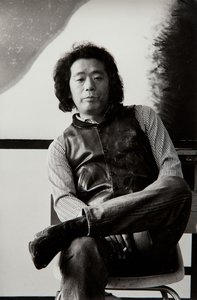
kōji enokura
1942 - 1995 , Japan
Quick Facts
- Artistic Movement Or Style: Mono-ha
- Artists Who Influenced This Artist:
- Richard Serra
- Jannis Kounellis
- Christo
- Date Of Birth: 1942
- Date Of Death: 1995
- Full Name: kōji enokura
- Nationality: Japanese
- Notable Artworks:
- Place (1970)
- Untitled (1970)
- Wall (1971)
- Symptom: Sea–Body (P.W. No. 40)
- Place Of Birth: Tokyo, Japan