

 Preview
 Send
Send Share
Share
 Details

 Download
 Similars
 X-Ray
X-Ray Diaporama
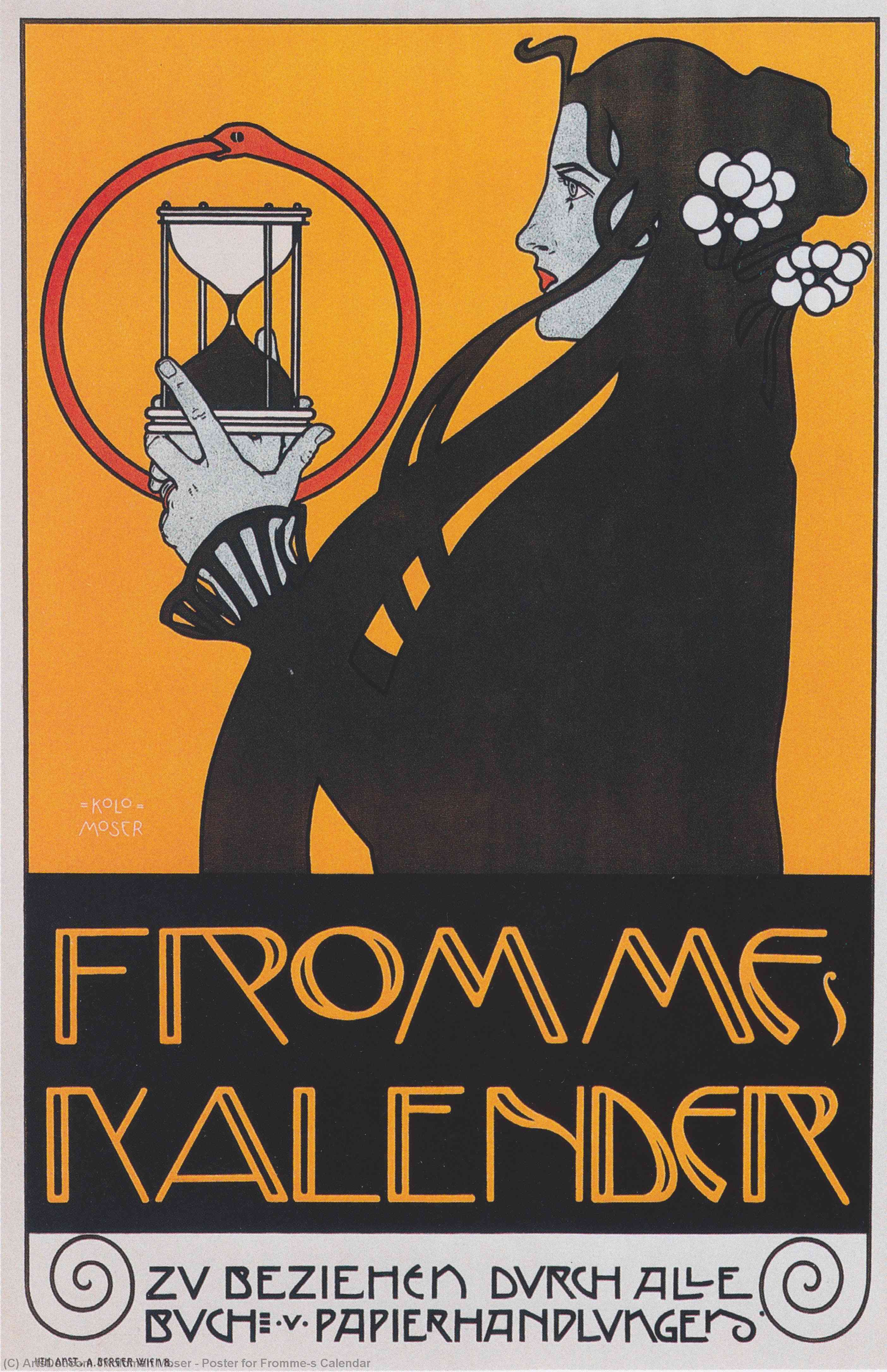
Poster for Fromme's Calendar
 Lithograph
- Vienna Secession
 1899
1899- 19th Century
 94.0 x 62.0 cm
 Read More
Purchase a high-resolution, enhanced digital image, far superior to the online preview.
Each file is meticulously prepared by our in-house specialists using advanced tools and expert manual retouching. We ensure every image has exceptional clarity, precise color accuracy, and fine detail.
The final file is delivered via email within 72 hours, optimized for immediate use in professional, editorial, and print environments. This is the same quality trusted by top-tier design studios, publishers, and galleries.
Digital Image
Download a high-resolution file for personal display, printing, and creative projects. ( Buy Print Buy Hand Made Painting)
Included in Every Digital Image Order
Expert Digital Delivery, Guaranteed
When you choose ArtsDot.com, you're not just getting an image - you're receiving a professionally enhanced digital artwork, crafted with precision and backed by a satisfaction guarantee. Here's everything that comes with your order, automatically:

Fast Email Delivery
Your high-resolution digital image file will be emailed to you within 72 hours of ordering - ready for immediate use.

AI-Enhanced Digital File
Your artwork is professionally optimized using advanced AI tools and manual editing, ensuring maximum detail, clarity, and color accuracy.

Free Lifetime Re-Delivery
Accidentally deleted or lost your file? No worries - we'll resend it to you anytime, free of charge.

No Import Fees - Ever
Enjoy your artwork instantly with zero customs, duties, or delivery fees - digital downloads are always tax-free.

Color Accuracy Guarantee
We ensure your digital image reflects the original colors as closely as possible using professional tools and color management.

60-Day Satisfaction Guarantee
If you're not satisfied with your digital image, we'll revise it or refund 100% within 60 days - no questions asked.

100% Money-Back Guarantee
Not satisfied? Get a full refund within 60 days of receiving your digital file - no questions asked.

Bulk Order Discounts
Buy 3 images, save 10% - Buy 5, save 15% - Buy 10+, save 20%. Great for creative projects, galleries, and agencies.
Collectible Description
A Vision of Time: The Elegance of Koloman Moser’s Graphic Mastery
In the twilight of the nineteenth century, as the winds of modernity began to sweep through Europe, a new aesthetic language was being forged in the heart of Vienna. Koloman Moser, a visionary architect of the Vienna Secession, captured this transformative era in his breathtaking Poster for Fromme's Calendar. Created in 1899, this masterpiece serves as more than just an advertisement; it is a profound meditation on the passage of time and the beauty of structured design. The composition centers on a captivating female figure, adorned with a delicate flower crown that suggests a deep connection to nature and the cyclical rhythms of life. As she holds a clock within her grasp, the viewer is invited into a dreamlike space where the mechanical precision of time meets the organic grace of the human spirit.
The visual language of this work is a triumph of the Jugendstil style, characterized by its seamless integration of geometric clarity and flowing, ornamental motifs. Moser utilizes a striking palette, most notably the bold, luminous yellow circle that frames the central clock, acting as a sun-like focal point that anchors the entire composition. This use of color is not merely decorative but serves to direct the eye through a carefully choreographed dance of shapes. The presence of subtle elements—the delicate cups and the soft curve of a bowl—adds a layer of domestic intimacy to the piece, grounding the high-concept symbolism in a relatable, everyday reality. Every line and contour reflects Moser's training at the Wiener Akademie, showcasing a sophisticated command over balance and negative space.
For the discerning collector or interior designer, this reproduction offers an unparalleled opportunity to introduce a sense of historical prestige and avant-garde sophistication into a contemporary space. The artwork possesses a unique emotional duality: it is both intellectually stimulating through its complex graphic layers and deeply soothing through its harmonious arrangement. Whether placed as a centerpiece in a minimalist gallery setting or used to add a touch of Viennese elegance to a classic study, the Poster for Fromme's Calendar radiates an aura of timelessness. It remains a testament to a period when art and daily life were inextricably linked, offering a window into a world where every second was framed by beauty.
Related Artworks
Artist Biography
Early Life and Education
Koloman Moser, born on March 30, 1868, in Vienna, Austria-Hungary (now part of Croatia), was a pivotal figure in the Austrian art scene, particularly renowned for his contributions to graphic art and as a founding member of the Vienna Secession movement. His artistic journey began with formal studies at the Wiener Akademie and the Kunstgewerbeschule, where he later became an instructor from 1899 onwards. This academic foundation proved crucial in shaping his versatile career across various mediums. Moser’s family background influenced his early exposure to art and design, fostering a keen eye for detail and aesthetics that would define his artistic style.Artistic Contributions: A Multifaceted Career
- Graphic Art: Moser's impact on graphic art is undeniable. He designed postage stamps, magazine vignettes, and other printed materials with distinctive geometric patterns and stylized imagery. His designs were characterized by their clarity, elegance, and innovative use of typography.
- Fashion and Applied Arts: Beyond graphic design, Moser’s talent extended to fashion, stained glass windows, porcelains, ceramics, blown glass, tableware, silver, and jewelry. This demonstrates his commitment to integrating art into everyday life.
- Architecture: His architectural designs, most notably the apse mosaic and glass windows for the Kirche am Steinhof in Vienna (1904), showcase his ability to blend artistic vision with functional design. These works are considered masterpieces of Art Nouveau architecture.
The Wiener Werkstätte and Collaborative Spirit
In 1903, Moser co-founded the Wiener Werkstätte (Vienna Workshop) alongside Josef Hoffmann. This collaborative workshop aimed to create aesthetically pleasing household goods by uniting artists and craftsmen. The Wiener Werkstätte championed a philosophy of “Gesamtkunstwerk” – total work of art – where every aspect of an object, from its design to its production, was carefully considered. Moser’s involvement in the Wiener Werkstätte solidified his commitment to functional beauty and elevated the status of applied arts.Influences, Development, and Legacy
Moser's artistic development was influenced by several key movements, including Art Nouveau, Symbolism, and the Vienna Secession. He drew inspiration from Japanese woodblock prints, which informed his use of flat planes of color and simplified forms. His style evolved over time, becoming increasingly abstract and geometric while retaining a sense of elegance and refinement. Moser’s legacy is cemented by his designs being immortalized on the Austrian 100 Euro Steinhof Church commemorative coin (2005), recognizing his enduring influence on art and design. He died in Vienna in 1918, leaving behind a significant body of work that continues to inspire artists and designers today. His contributions helped shape the course of modern art and design, emphasizing the importance of integrating beauty into everyday objects and spaces.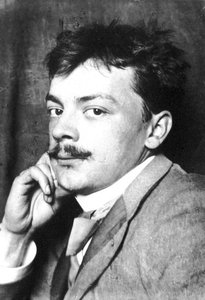
Koloman Moser
1868 - 1918 , Croatia
Quick Facts
- Artistic Movement Or Style: Vienna Secession
- Artists Or Movements Influenced By This Artist: ['Wiener Werkstätte']
- Date Of Birth: March 30, 1868
- Date Of Death: 1918
- Full Name: Koloman Moser
- Nationality: Austrian
- Notable Artworks:
- Decorating of the facade
- Dancer
- Three crouching women
- The Frog King
- Clash of the Titans
- The Three Graces
- The light
- Place Of Birth: Vienna, Croatia

