 Preview
 Send
Send Share
Share
 Details

 Download
 Similars
 X-Ray
X-Ray Diaporama
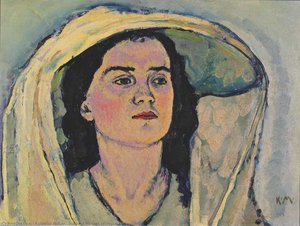
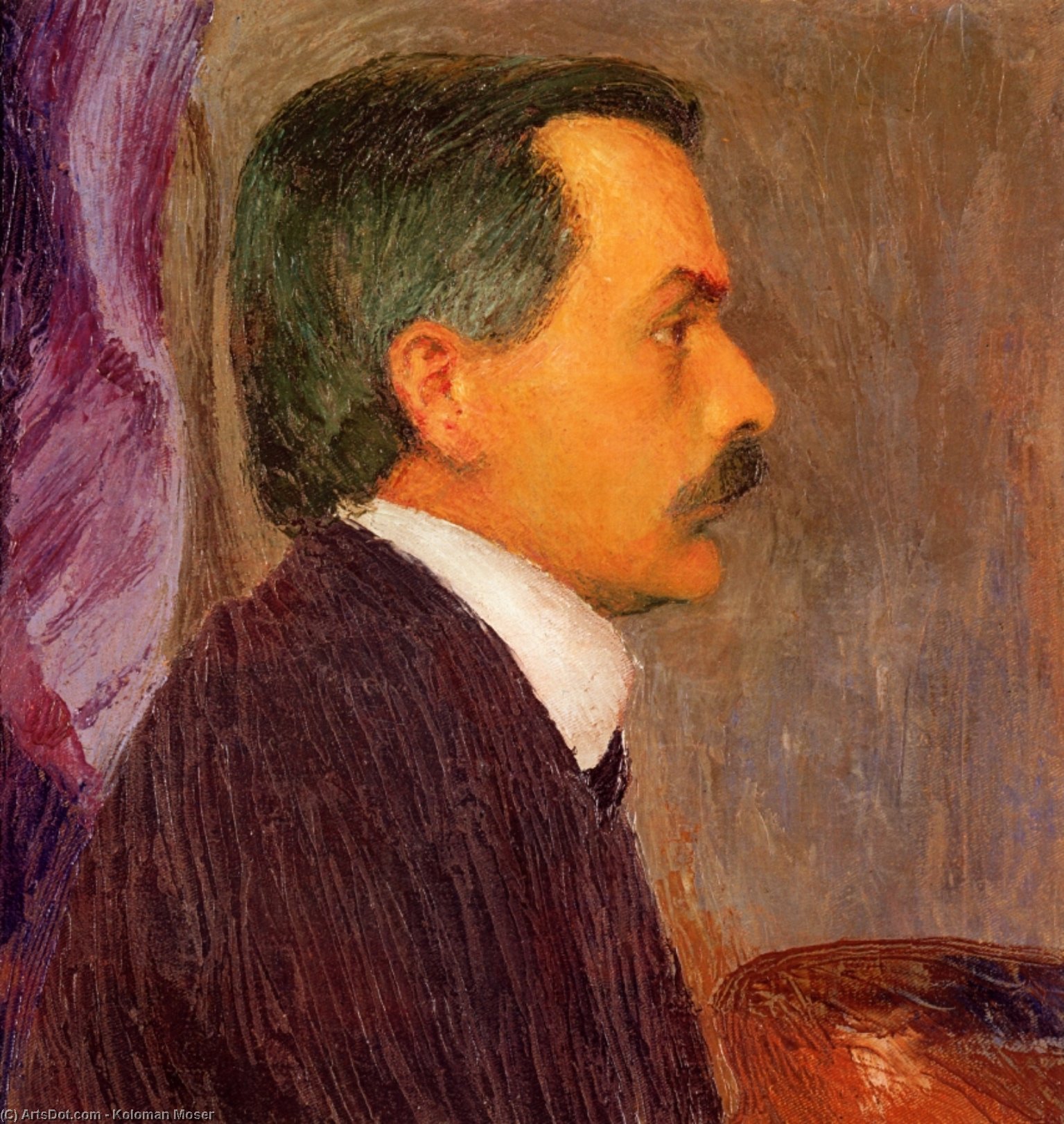
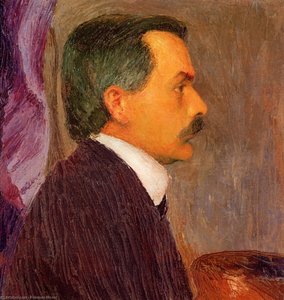
Self Portrait in Colonial Dress
 Acrylic On Paper
- Vienna Secession
 1910
1910- 19th Century
 50.0 x 50.0 cm
 Kunsthistorisches Museum
 Read More
Hand Made Oil Reproduction
Hand-painted oil on canvas in your size and frame, made to order by our artists. ( Buy Print Buy Image)




P118B $10

P118H $10

P118W $10

P438Z $10

P508JH $12

P508YH $12

P805H $10

P805Z $10

P919BZ $10

P919G $10

P919XJ $10

P959ZH $10

P968JZ $12

W106C $8

W218G $10

W218JH $8

W218Y $10

W307PJ $10

W316G $10

W316PJ $8

W316Y $10

W398PJ $8

W4111J $10

W500HY $15

W500JH $15

W692G $12

W849H $8

W940BG $15

W953PJ $8




Pick from our preset sizes that match the artwork's original proportions.

You may enter your own dimensions to fit a specific frame or space. If your selected size does not match the original image's proportions, we will either crop the artwork or extend the painting with additional hand-painted elements. A digital mockup will be sent for your approval before production begins.
Please note that the on-screen preview does not reflect the actual cropping or extension. Only the mockup will accurately show the final composition.
While custom sizes are available, we recommend selecting a dimension from the predefined list to preserve the original proportions.
After order, ArtsDot.com team will email client for instructions and provide a mockup preview
Worldwide Delivery () in 3/4 weeks instead of standard 5 weeks. (17 August). No compromise on quality.

Free Worldwide Express Shipping

High-Quality Linen Canvas

Full Shipping Insurance

Customs Tax Refund Guarantee

True Color Matching Guarantee

60-Day Return Policy (Defects Only)

100% Money-Back Guarantee

Bulk Discount Offer
 Glass option is only available in size under 110 CM

Self Portrait in Colonial Dress
Reproduction Medium
Reproduction Size
-


Total Price
$ 263
Artwork Description
A Portrait Steeped in Symbolism: Koloman Moser’s Self Portrait
Vienna Secession, established in 1897, represented a radical departure from the conservative artistic conventions of its time. At its core was a desire to forge new paths for Austrian art—paths that prioritized geometric abstraction and expressive color alongside traditional craftsmanship. Among its most influential members was Koloman Moser, a painter, sculptor, ceramicist, textile designer, and educator whose vision profoundly shaped the movement’s aesthetic sensibilities. This essay delves into Moser's iconic Self Portrait in Colonial Dress (1910), examining its stylistic innovations, technical mastery, historical significance, and enduring emotional resonance.Stylistic Innovation: Geometric Abstraction Meets Organic Form
Moser’s approach to painting distinguished itself from the prevailing Impressionist tendencies of Vienna. Rejecting fleeting impressions of light and atmosphere, he embraced geometric abstraction—a technique championed by artists like Piet Mondrian and Kazimir Malevich—to distill visual experience into its most fundamental elements: lines and planes. However, Moser skillfully blended these austere forms with organic motifs drawn from nature—specifically stylized representations of foliage and blossoms—creating a harmonious tension between rational structure and sensual beauty. This duality reflects Moser’s broader artistic philosophy, which sought to reconcile the intellectual rigor of abstraction with the expressive power of natural imagery. The deliberate asymmetry of the composition contributes to this dynamic interplay, preventing the image from feeling static or overly calculated.Technical Mastery: Watercolor on Paper – A Delicate Balance
Moser executed Self Portrait in Colonial Dress primarily using watercolor on paper—a medium known for its luminous qualities and ability to achieve subtle tonal gradations. He employed a layering technique that allowed him to build up color gradually, achieving remarkable depth and luminosity without resorting to heavy brushstrokes. Careful attention was paid to the surface texture of the paper itself, which Moser treated with meticulous precision to maximize reflectivity and enhance the overall visual impact. The artist’s masterful control over watercolor—a notoriously challenging medium—is evident in the delicate rendering of the floral elements and the nuanced shading of the man's face. This technique underscores Moser’s commitment to both artistic innovation and technical excellence, demonstrating his profound understanding of how materials contribute to conveying meaning and emotion.Historical Context: Vienna at the Dawn of Modernity
Vienna in 1910 was experiencing a period of rapid social and cultural transformation—the “Fin de Siècle,” as historians termed it—marked by anxieties about tradition, uncertainty regarding the future, and burgeoning interest in avant-garde ideas. The Secession movement served as a focal point for these debates, challenging established artistic hierarchies and advocating for experimentation with new forms and materials. Moser’s Self Portrait reflects this spirit of defiance against convention, aligning itself with the broader trend toward embracing abstraction and rejecting academic formalism. Furthermore, the inclusion of colonial dress—a symbol of imperial ambition and cultural appropriation—underscores the movement's engagement with pressing social issues and its willingness to confront uncomfortable truths about European history.Symbolism: Floral Imagery as Embodiment of Vitality and Transformation
The floral motifs adorning Self Portrait are laden with symbolic significance, representing not merely decorative embellishment but rather profound ideas about life, growth, and metamorphosis. Moser’s choice of blossoms—specifically stylized representations of lilies and orchids—references biblical imagery associated with purity and resurrection—a motif particularly resonant during the period's preoccupation with spiritual renewal. The flowers’ upward-reaching stems symbolize aspiration and transcendence, mirroring Moser’s artistic ambition to elevate painting beyond mere representation into a realm of expressive abstraction. Moreover, their delicate petals convey vulnerability and fragility—acknowledging the ephemeral nature of beauty and reminding viewers of the importance of embracing change as inevitable components of existence.Emotional Impact: A Reflection of Artistic Integrity
Ultimately, Self Portrait in Colonial Dress transcends its formal innovations to communicate a powerful emotional resonance—a testament to Moser’s artistic integrity and his unwavering belief in the transformative potential of art. The painting's serene stillness conveys a sense of contemplative introspection, inviting viewers to engage in a dialogue with their own inner selves. Simultaneously, the subtle interplay of color and form evokes feelings of wonder and delight—capturing the beauty of nature while simultaneously expressing Moser’s artistic vision. This enduring emotional impact speaks to the universality of human experience—affirming the capacity of art to inspire contemplation, provoke emotion, and illuminate the complexities of life itself.Related Artworks
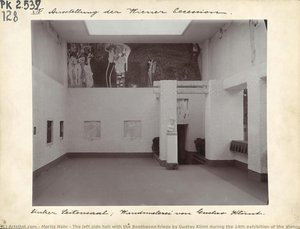
Artist Biography
Early Life and Education
Koloman Moser, born on March 30, 1868, in Vienna, Austria-Hungary (now part of Croatia), was a pivotal figure in the Austrian art scene, particularly renowned for his contributions to graphic art and as a founding member of the Vienna Secession movement. His artistic journey began with formal studies at the Wiener Akademie and the Kunstgewerbeschule, where he later became an instructor from 1899 onwards. This academic foundation proved crucial in shaping his versatile career across various mediums. Moser’s family background influenced his early exposure to art and design, fostering a keen eye for detail and aesthetics that would define his artistic style.Artistic Contributions: A Multifaceted Career
- Graphic Art: Moser's impact on graphic art is undeniable. He designed postage stamps, magazine vignettes, and other printed materials with distinctive geometric patterns and stylized imagery. His designs were characterized by their clarity, elegance, and innovative use of typography.
- Fashion and Applied Arts: Beyond graphic design, Moser’s talent extended to fashion, stained glass windows, porcelains, ceramics, blown glass, tableware, silver, and jewelry. This demonstrates his commitment to integrating art into everyday life.
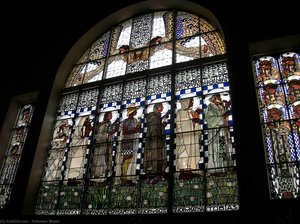
- Architecture: His architectural designs, most notably the apse mosaic and glass windows for the Kirche am Steinhof in Vienna (1904), showcase his ability to blend artistic vision with functional design. These works are considered masterpieces of Art Nouveau architecture.
The Wiener Werkstätte and Collaborative Spirit
In 1903, Moser co-founded the Wiener Werkstätte (Vienna Workshop) alongside Josef Hoffmann. This collaborative workshop aimed to create aesthetically pleasing household goods by uniting artists and craftsmen. The Wiener Werkstätte championed a philosophy of “Gesamtkunstwerk” – total work of art – where every aspect of an object, from its design to its production, was carefully considered. Moser’s involvement in the Wiener Werkstätte solidified his commitment to functional beauty and elevated the status of applied arts.Influences, Development, and Legacy
Moser's artistic development was influenced by several key movements, including Art Nouveau, Symbolism, and the Vienna Secession. He drew inspiration from Japanese woodblock prints, which informed his use of flat planes of color and simplified forms. His style evolved over time, becoming increasingly abstract and geometric while retaining a sense of elegance and refinement. Moser’s legacy is cemented by his designs being immortalized on the Austrian 100 Euro Steinhof Church commemorative coin (2005), recognizing his enduring influence on art and design. He died in Vienna in 1918, leaving behind a significant body of work that continues to inspire artists and designers today. His contributions helped shape the course of modern art and design, emphasizing the importance of integrating beauty into everyday objects and spaces.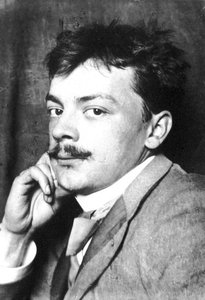
Koloman Moser
1868 - 1918 , Croatia
Quick Facts
- Artistic Movement Or Style: Vienna Secession
- Artists Or Movements Influenced By This Artist: ['Wiener Werkstätte']
- Date Of Birth: March 30, 1868
- Date Of Death: 1918
- Full Name: Koloman Moser
- Nationality: Austrian
- Notable Artworks:
- Decorating of the facade
- Dancer
- Three crouching women
- The Frog King
- Clash of the Titans
- The Three Graces
- The light
- Place Of Birth: Vienna, Croatia
Related Articles

Watercolor Wonders: 10 Masterpieces That Redefined Art History | ArtsDot
Journey through 10 legendary watercolor masterpieces by Sargent, Turner & Homer! Explore iconic landscapes, portraits & floral art that redefined history. Find museum-quality reproductions and curated decor ideas at ArtsDot.com.

Ephemeral Visions: Exploring the Artistic Legacy & Contemporary Practice of Watercolor Painting
Explore the captivating world of watercolor painting! Discover its rich history, essential techniques, influential artists & collecting tips. A comprehensive guide for art enthusiasts from ArtsDot.
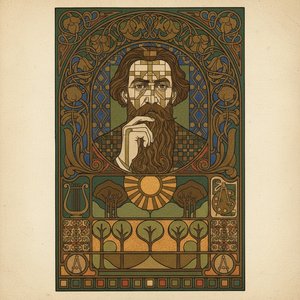
Koloman Moser: A Synthesis of Art Nouveau, Secessionism & the Gesamtkunstwerk Ideal
Explore the life & work of Koloman Moser, a pivotal figure in the Vienna Secession & Wiener Werkstätte. Discover his stunning graphic design, architecture, and applied arts – a true pioneer of Viennese Art Nouveau. Learn more at ArtsDot.
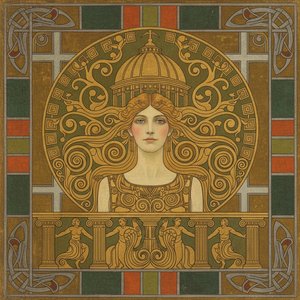
The Vienna Secession: A Rebellion of Form & Spirit in Fin-de-Siècle Art
Discover the revolutionary Vienna Secession art movement! Explore Klimt, Olbrich & more. Learn about its history, characteristics & lasting influence on modern art. High-quality reproductions available.

Ephemeral Visions: Exploring the History & Emotional Resonance of Watercolor Painting
Explore the captivating history of watercolor painting, from ancient techniques to modern masters like Kandinsky & Blake. Discover essential artists, collecting tips & the emotional power of this luminous medium. Expert insights for art enthusiasts.
![Decorative Fabric [“Bird Bülow”]](/media/artworks/images/thumbnails/6c/e3/6ce3bf69327143bdb6a7dc1054ddd8c6.jpg)