 Preview
 Send
Send Share
Share
 Details

 Download
 Similars
 X-Ray
X-Ray Diaporama
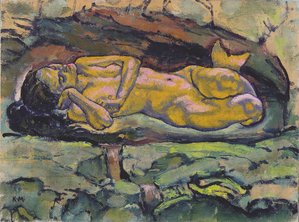
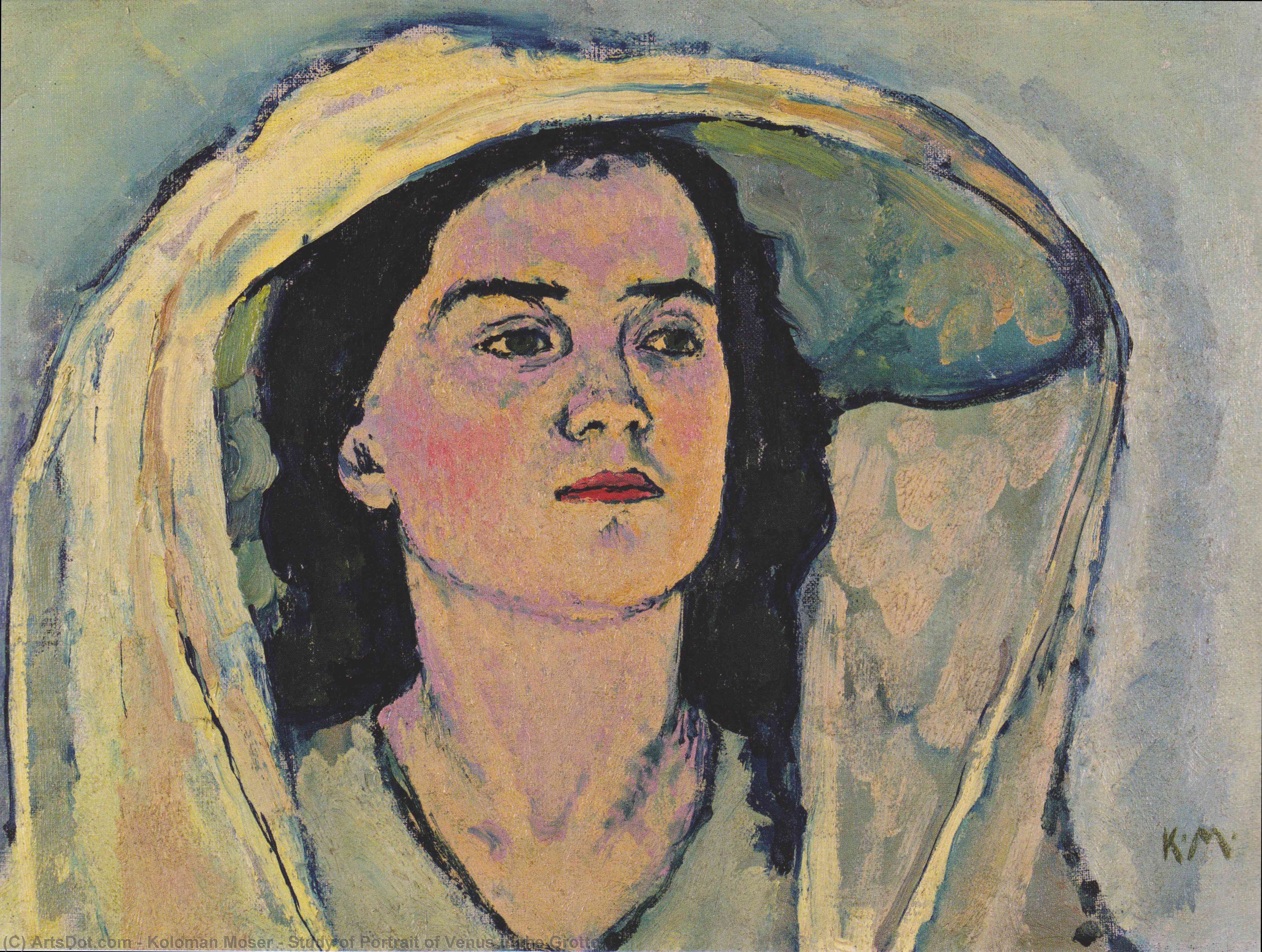
Study of Portrait of Venus in the Grotto
 Vienna Secession
 1914
1914- Modern
 46.0 x 59.0 cm
 Read More
Hand Made Oil Reproduction
Hand-painted oil on canvas in your size and frame, made to order by our artists. ( Buy Print Buy Image)




P118B $10

P118H $10

P118W $10

P438Z $10

P508JH $12

P508YH $12

P805H $10

P805Z $10

P919BZ $10

P919G $10

P919XJ $10

P959ZH $10

P968JZ $12

W106C $8

W218G $10

W218JH $8

W218Y $10

W307PJ $10

W316G $10

W316PJ $8

W316Y $10

W398PJ $8

W4111J $10

W500HY $15

W500JH $15

W692G $12

W849H $8

W940BG $15

W953PJ $8




Pick from our preset sizes that match the artwork's original proportions.

You may enter your own dimensions to fit a specific frame or space. If your selected size does not match the original image's proportions, we will either crop the artwork or extend the painting with additional hand-painted elements. A digital mockup will be sent for your approval before production begins.
Please note that the on-screen preview does not reflect the actual cropping or extension. Only the mockup will accurately show the final composition.
While custom sizes are available, we recommend selecting a dimension from the predefined list to preserve the original proportions.
After order, ArtsDot.com team will email client for instructions and provide a mockup preview
Worldwide Delivery () in 3/4 weeks instead of standard 5 weeks. (16 August). No compromise on quality.

Free Worldwide Express Shipping

High-Quality Linen Canvas

Full Shipping Insurance

Customs Tax Refund Guarantee

True Color Matching Guarantee

60-Day Return Policy (Defects Only)

100% Money-Back Guarantee

Bulk Discount Offer
 Glass option is only available in size under 110 CM

Study of Portrait of Venus in the Grotto
Reproduction Medium
Reproduction Size
-


Total Price
$ 263
Artwork Description
A Moment Frozen in Time: The Allure of Moser’s Vision
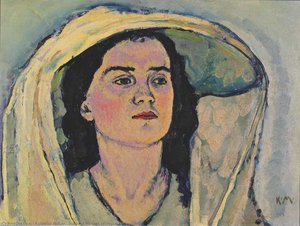
In the delicate brushstrokes of Study of Portrait of Venus in the Grotto, we encounter a profound moment of quiet observation captured by the master of the Vienna Secession, Koloman Moser. Created in 1914, this evocative work transcends a mere portrait, offering instead a window into a fleeting afternoon of elegance and introspection. The central figure, a woman shielded by a pristine white umbrella, commands the viewer's attention with a gaze that is both direct and enigmatic. Her complexion, rendered with soft, luminous pink tones, suggests a vitality that contrasts beautifully with the more muted, atmospheric presence of the figures flanking her. This composition does not merely depict a scene; it invites the observer to step into a shared moment of stillness, making it an ideal centerpiece for those who appreciate art that breathes life and conversation into a room.
The technique employed in this study reflects Moser’s unparalleled ability to blend the precision of graphic design with the soulful fluidity of fine art. There is a rhythmic quality to the way light interacts with the textures of the woman's attire and the delicate canopy of her umbrella. The artist utilizes a sophisticated palette that balances warmth and coolness, creating a sense of depth that draws the eye inward. For the discerning collector or interior designer, this piece offers a masterclass in tonal harmony. The subtle interplay of light and shadow provides a structural elegance that complements both classical and contemporary interiors, lending an air of sophisticated historical depth to any curated space.
Symbolism and the Spirit of the Secession
Beyond its aesthetic beauty, the painting serves as a poignant reflection of the era's shifting artistic consciousness. As a founding member of the Vienna Secession, Moser was instrumental in breaking away from academic rigidity to embrace a more organic, stylized form of expression. In this work, the "Venus" of the title suggests a mythological undertone, elevating a contemporary social scene to something timeless and archetypal. The umbrella acts as more than a mere accessory; it serves as a symbolic barrier, a halo of light that separates the subject from the periphery, emphasizing her singular importance within the frame. This tension between visibility and concealment creates an emotional resonance that lingers long after one has looked away.
Integrating such a piece into a home or gallery is an act of embracing history. The Study of Portrait of Venus in the Grotto carries with it the intellectual weight of early 20th-century modernism, yet its soft, painterly execution ensures it remains accessible and deeply emotive. It is a work that celebrates the beauty of the human presence and the quiet dignity found in moments of repose. Whether displayed as a focal point in a sunlit salon or as a subtle accent in a private study, this reproduction promises to evoke a sense of wonder, reminding all who behold it of the enduring power of the artist's gaze.
Related Artworks

Artist Biography
Early Life and Education
Koloman Moser, born on March 30, 1868, in Vienna, Austria-Hungary (now part of Croatia), was a pivotal figure in the Austrian art scene, particularly renowned for his contributions to graphic art and as a founding member of the Vienna Secession movement. His artistic journey began with formal studies at the Wiener Akademie and the Kunstgewerbeschule, where he later became an instructor from 1899 onwards. This academic foundation proved crucial in shaping his versatile career across various mediums. Moser’s family background influenced his early exposure to art and design, fostering a keen eye for detail and aesthetics that would define his artistic style.Artistic Contributions: A Multifaceted Career
- Graphic Art: Moser's impact on graphic art is undeniable. He designed postage stamps, magazine vignettes, and other printed materials with distinctive geometric patterns and stylized imagery. His designs were characterized by their clarity, elegance, and innovative use of typography.
- Fashion and Applied Arts: Beyond graphic design, Moser’s talent extended to fashion, stained glass windows, porcelains, ceramics, blown glass, tableware, silver, and jewelry. This demonstrates his commitment to integrating art into everyday life.
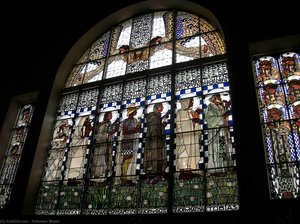
- Architecture: His architectural designs, most notably the apse mosaic and glass windows for the Kirche am Steinhof in Vienna (1904), showcase his ability to blend artistic vision with functional design. These works are considered masterpieces of Art Nouveau architecture.
The Wiener Werkstätte and Collaborative Spirit
In 1903, Moser co-founded the Wiener Werkstätte (Vienna Workshop) alongside Josef Hoffmann. This collaborative workshop aimed to create aesthetically pleasing household goods by uniting artists and craftsmen. The Wiener Werkstätte championed a philosophy of “Gesamtkunstwerk” – total work of art – where every aspect of an object, from its design to its production, was carefully considered. Moser’s involvement in the Wiener Werkstätte solidified his commitment to functional beauty and elevated the status of applied arts.Influences, Development, and Legacy
Moser's artistic development was influenced by several key movements, including Art Nouveau, Symbolism, and the Vienna Secession. He drew inspiration from Japanese woodblock prints, which informed his use of flat planes of color and simplified forms. His style evolved over time, becoming increasingly abstract and geometric while retaining a sense of elegance and refinement. Moser’s legacy is cemented by his designs being immortalized on the Austrian 100 Euro Steinhof Church commemorative coin (2005), recognizing his enduring influence on art and design. He died in Vienna in 1918, leaving behind a significant body of work that continues to inspire artists and designers today. His contributions helped shape the course of modern art and design, emphasizing the importance of integrating beauty into everyday objects and spaces.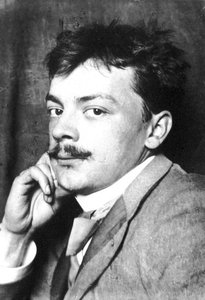
Koloman Moser
1868 - 1918 , Croatia
Quick Facts
- Artistic Movement Or Style: Vienna Secession
- Artists Or Movements Influenced By This Artist: ['Wiener Werkstätte']
- Date Of Birth: March 30, 1868
- Date Of Death: 1918
- Full Name: Koloman Moser
- Nationality: Austrian
- Notable Artworks:
- Decorating of the facade
- Dancer
- Three crouching women
- The Frog King
- Clash of the Titans
- The Three Graces
- The light
- Place Of Birth: Vienna, Croatia
Related Articles

White on Canvas: 10 Masterpieces & Timeless Elegance for Your Home Decor
Explore 10 iconic white paintings by Monet, Whistler & Rothko! Discover the stories behind these serene masterpieces and their impact on art history. Find museum-quality reproductions for your home decor at .
The Vienna Secession: A Rebellion of Form & Spirit in Fin-de-Siècle Art
Discover the revolutionary Vienna Secession art movement! Explore Klimt, Olbrich & more. Learn about its history, characteristics & lasting influence on modern art. High-quality reproductions available.

The Subtleties of White: Exploring Absence, Light & Symbolism in Art History
Explore the profound symbolism & history of white in art! From ancient purity to modern abstraction, discover how artists have used absence & light. Expert insights from ArtsDot.

25 Klimt Masterpieces: A Journey Through Iconic Art & Decor
Delve into the world of Gustav Klimt with our top 25 masterpieces! Explore his iconic paintings – 'The Kiss,' 'Portrait of Adele,' and more. Discover museum-quality reproductions & curated decor ideas. Explore the full collection online at ArtsDot.com.
Koloman Moser: A Synthesis of Art Nouveau, Secessionism & the Gesamtkunstwerk Ideal
Explore the life & work of Koloman Moser, a pivotal figure in the Vienna Secession & Wiener Werkstätte. Discover his stunning graphic design, architecture, and applied arts – a true pioneer of Viennese Art Nouveau. Learn more at ArtsDot.
![Decorative Fabric [“Bird Bülow”]](/media/artworks/images/thumbnails/6c/e3/6ce3bf69327143bdb6a7dc1054ddd8c6.jpg)