 Preview
 Send
Send Share
Share
 Details

 Download
 Similars
 X-Ray
X-Ray Diaporama
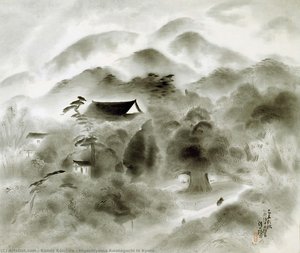
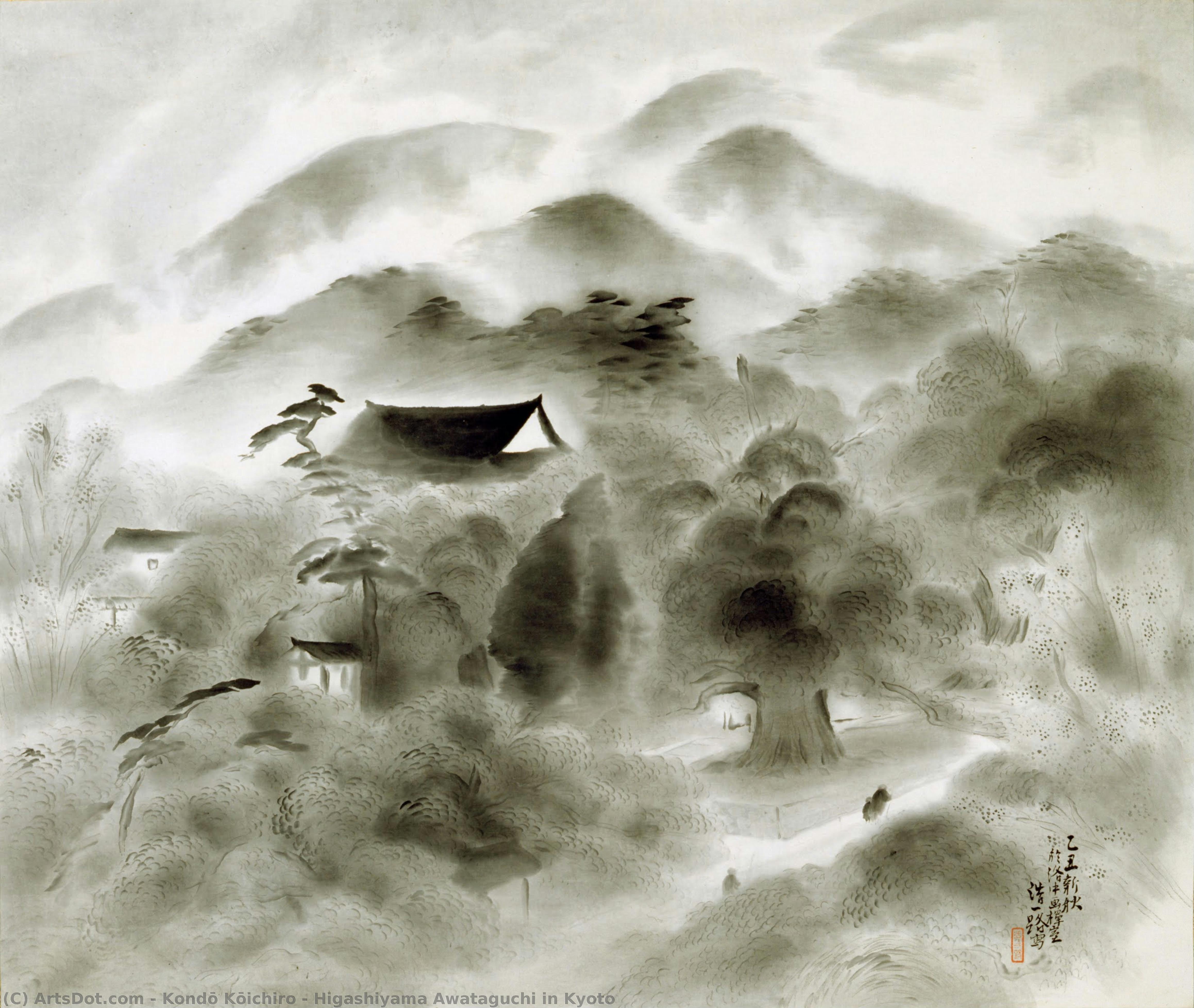
Higashiyama Awataguchi in Kyoto

 Read More
Giclée / Art Print
Museum-quality giclée or canvas print with fast production and flexible finish options. ( Buy Hand Made Painting Buy Image)




































Pick from our preset sizes that match the artwork's original proportions.

You may enter your own dimensions to fit a specific frame or space. If your selected size does not match the original image's proportions, we will either crop the artwork or extend the image with a mirrored or solid-fill edge. A digital mockup will be sent for your approval before production begins.
Please note that the on-screen preview does not reflect the actual cropping or extension. Only the mockup will accurately show the final composition.
While custom sizes are available, we recommend selecting a dimension from the predefined list to preserve the original proportions.
Worldwide Delivery () in 2 weeks instead of standard 4/5 weeks. (26 August)

Free Worldwide Express Shipping

High-Quality Linen Canvas

Full Shipping Insurance

Customs Tax Refund Guarantee

True Color Matching Guarantee

60-Day Return Policy (Defects Only)

100% Money-Back Guarantee

Bulk Discount Offer
 Glass option is only available in size under 110 CM

Higashiyama Awataguchi in Kyoto
Giclée / Art Print
Reproduction Size
-


Total Price
$ 63
Related Artworks





Artist Biography
Early Life and Artistic Foundations
Kondō Kōichiro, born in Yamanashi Prefecture, Japan, in 1883, emerged as a pivotal figure bridging the traditions of Japanese ink painting with the burgeoning influence of Western artistic styles. His formative years coincided with a period of rapid modernization within Japan, a time when the nation actively sought to integrate aspects of Western culture while simultaneously preserving its unique heritage. This dynamic tension profoundly shaped Kondō’s artistic trajectory. He enrolled at the prestigious Tokyo Fine Arts School, where he initially embraced Western-style painting techniques – a common path for aspiring artists seeking broader recognition and technical skill during that era.
However, Kondō's journey wasn’t simply one of adoption; it was a process of critical engagement. After graduating from the school, he accepted a teaching position there, which allowed him to not only refine his own skills but also to impart knowledge to a new generation of artists. It was during this period that he began to question the limitations of purely Western approaches and sought ways to infuse them with the expressive power and philosophical depth inherent in traditional Japanese ink painting – *sumi-e*. This wasn’t merely about combining styles; it was about forging a new visual language, one capable of capturing both the external world and the internal spirit.
Pushing Boundaries: Innovation in Ink Painting
Kondō Kōichiro quickly distinguished himself as an innovator within the realm of ink painting. While *sumi-e* had long been revered for its minimalist elegance and emphasis on brushwork, Kondō dared to push beyond these established conventions. He experimented with new techniques, exploring a wider range of tonal values and textures than traditionally employed. His work often incorporated elements of abstraction, hinting at forms rather than depicting them with precise realism. This willingness to challenge the status quo wasn’t simply about stylistic experimentation; it was rooted in a deeper desire to explore the expressive potential of ink as a medium.
He sought to convey not just what he *saw*, but also what he *felt* – the emotional resonance of a landscape, the subtle nuances of human experience. This approach aligned with broader trends in modern Japanese art, where artists were increasingly interested in subjective expression and psychological depth. Kondō’s paintings often evoke a sense of atmosphere and mood, inviting viewers to contemplate the underlying essence of the subject matter rather than focusing on superficial details.
Art Criticism and Intellectual Engagement
Kondō Kōichiro was not solely defined by his artistic practice; he was also a keen observer and insightful critic of the art world. In 1935, he published an article on André Malraux in *Kanrin*, a prominent Japanese literary journal. This demonstrates his engagement with international artistic currents and his ability to articulate complex ideas about art and its role in society.
His writing reveals a sophisticated understanding of Malraux’s theories regarding the power of art as a means of confronting existential questions, and it suggests that Kondō himself shared similar concerns. This intellectual curiosity extended beyond Western artists; he was deeply knowledgeable about Japanese art history and philosophy, drawing inspiration from both traditional sources and contemporary movements. He believed that true artistic innovation required not only technical skill but also a profound understanding of the cultural context in which art is created.
Legacy and Historical Significance
Although perhaps less widely recognized internationally than some of his contemporaries, Kondō Kōichiro occupies an important place within the history of modern Japanese art. His pioneering work helped to pave the way for subsequent generations of artists who sought to blend Eastern and Western influences in their own unique ways. He demonstrated that it was possible to embrace new techniques without sacrificing the essential qualities of Japanese artistic tradition.
His paintings, such as Higashiyama Awataguchi in Kyoto, exemplify his ability to capture both the physical beauty of a landscape and its underlying spiritual significance. The work is characterized by delicate brushwork, subtle tonal variations, and a sense of atmospheric depth – qualities that are deeply rooted in Japanese aesthetic principles. Kondō’s legacy extends beyond his individual artworks; it lies in his willingness to challenge conventions, explore new possibilities, and articulate a compelling vision for the future of Japanese art.
- Blending Western techniques with traditional ink painting
- Innovative use of tonal values and textures in sumi-e
- Insightful art criticism, including an article on André Malraux
- Pioneering work that influenced subsequent generations of Japanese artists
Kondō Kōichiro passed away in 1962, leaving behind a body of work that continues to inspire and challenge viewers today. His art serves as a testament to the power of cross-cultural dialogue and the enduring relevance of artistic innovation.
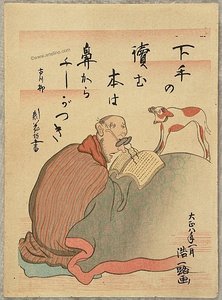
kondō kōichiro
1883 - 1962 , Japan
Quick Facts
- Artistic Movement Or Style: Western & Ink Painting
- Date Of Birth: 1883
- Date Of Death: 1962
- Full Name: Kondō Kōichiro
- Nationality: Japanese
- Notable Artworks: ['Higashiyama Awataguchi']
- Place Of Birth: Yamanashi, Japan