

 Preview
 Send
Send Share
Share
 Details

 Download
 Similars
 X-Ray
X-Ray Diaporama
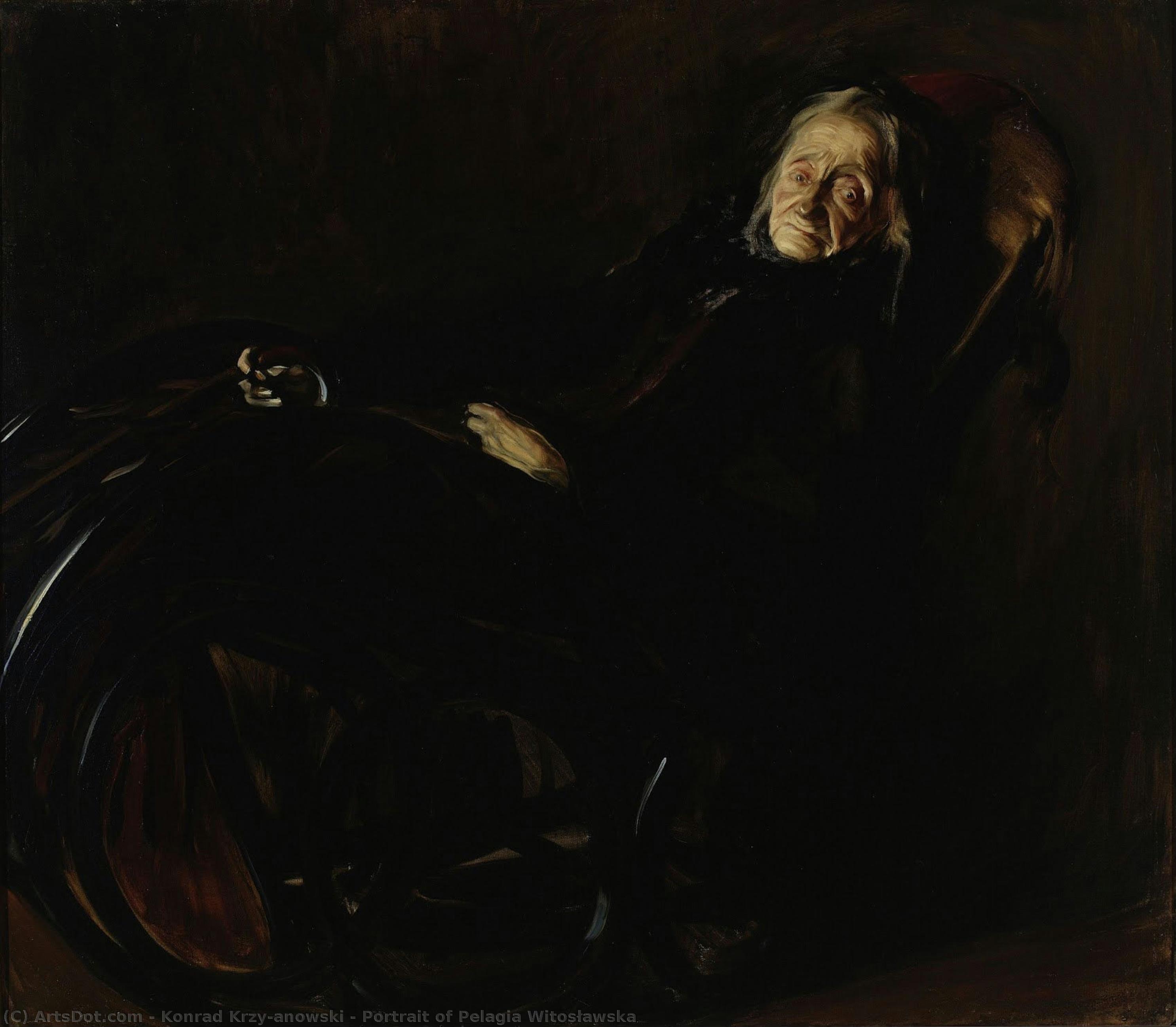
Portrait of Pelagia Witosławska
 Oil On Canvas
- WallArt
- Expressionist Realism
 125.0 x 112.0 cm
 Warsaw National Museum
 Read More
Purchase a high-resolution, enhanced digital image, far superior to the online preview.
Each file is meticulously prepared by our in-house specialists using advanced tools and expert manual retouching. We ensure every image has exceptional clarity, precise color accuracy, and fine detail.
The final file is delivered via email within 72 hours, optimized for immediate use in professional, editorial, and print environments. This is the same quality trusted by top-tier design studios, publishers, and galleries.
Digital Image
Download a high-resolution file for personal display, printing, and creative projects. ( Buy Print Buy Hand Made Painting)
Included in Every Digital Image Order
Expert Digital Delivery, Guaranteed
When you choose ArtsDot.com, you're not just getting an image - you're receiving a professionally enhanced digital artwork, crafted with precision and backed by a satisfaction guarantee. Here's everything that comes with your order, automatically:

Fast Email Delivery
Your high-resolution digital image file will be emailed to you within 72 hours of ordering - ready for immediate use.

AI-Enhanced Digital File
Your artwork is professionally optimized using advanced AI tools and manual editing, ensuring maximum detail, clarity, and color accuracy.

Free Lifetime Re-Delivery
Accidentally deleted or lost your file? No worries - we'll resend it to you anytime, free of charge.

No Import Fees - Ever
Enjoy your artwork instantly with zero customs, duties, or delivery fees - digital downloads are always tax-free.

Color Accuracy Guarantee
We ensure your digital image reflects the original colors as closely as possible using professional tools and color management.

60-Day Satisfaction Guarantee
If you're not satisfied with your digital image, we'll revise it or refund 100% within 60 days - no questions asked.

100% Money-Back Guarantee
Not satisfied? Get a full refund within 60 days of receiving your digital file - no questions asked.

Bulk Order Discounts
Buy 3 images, save 10% - Buy 5, save 15% - Buy 10+, save 20%. Great for creative projects, galleries, and agencies.
Portrait of Pelagia Witosławska - A Study in Psychological Depth
This arresting portrait by Konrad Krzyżanowski transcends mere visual representation; it’s an exploration of vulnerability, fear, and the profound impact of aging on the human spirit. Painted in 1912, “Portrait of Pelagia Witosławska” stands as a cornerstone of Polish Expressionism, capturing not just the physical appearance of its subject but delving into her inner turmoil with remarkable sensitivity. Krzyżanowski’s masterful technique—characterized by hurried brushstrokes producing sweeping streaks of greasy paint—was employed to convey an overwhelming sense of dread and despair. The artist's deliberate use of chiaroscuro – dramatic contrasts between light and dark – amplifies the painting’s emotional resonance, highlighting Pelagia’s face and hand as beacons of illumination against a backdrop of impenetrable darkness.- Composition: Krzyżanowski centers his gaze on Pelagia's head and left hand, positioned prominently within the frame. Two chairs flank her, subtly reinforcing the feeling of isolation and confinement—a visual metaphor for the subject’s predicament.
- Color Palette: The subdued color scheme—dominated by murky blacks, browns, and ochre—contributes significantly to the painting's melancholic atmosphere. These muted tones mirror the bleakness of Pelagia’s existence and underscore Krzyżanowski’s artistic intention.
- Technique: Krzyżanowski achieved textural depth through rapid brushstrokes and layering of paint, creating a surface that pulsates with emotion. The loose lines convey movement and dynamism, mirroring the subject's internal struggle.
Historical Context & Artistic Influences
Painted during the burgeoning Expressionist movement in Munich, Krzyżanowski’s work reflects the broader artistic preoccupation with psychological realism—a reaction against Impressionism’s focus on capturing fleeting moments of beauty. The painting draws inspiration from Symbolist aesthetics, particularly its exploration of emotional intensity and symbolic representation. Krzyżanowski's stylistic choices align closely with those championed by artists like Edvard Munch and Ernst Ludwig Kirchner, who similarly sought to express profound feelings through distorted forms and unsettling color palettes.Symbolism & Emotional Impact
The portrait’s symbolism extends far beyond its depiction of an elderly woman; it embodies the universal terror associated with old age, illness, and mortality. Krzyżanowski's unflinching portrayal captures Pelagia’s gaze—a stare fraught with fear and despair—and her grimacing mouth, conveying a visceral understanding of human suffering. The artist skillfully utilizes chiaroscuro to emphasize the subject’s vulnerability, creating an image that simultaneously evokes empathy and unease. It serves as a poignant reminder of our shared mortality and prompts contemplation on the complexities of human experience.A Masterpiece of Psychological Portraiture
“Portrait of Pelagia Witosławska” remains a testament to Krzyżanowski’s artistic genius—a captivating blend of meticulous observation and profound emotional insight. Its enduring power lies in its ability to communicate unspoken anxieties and fears, cementing its place as an iconic work within the canon of Expressionist art. The painting's textural surface and dramatic lighting further enhance its visual impact, inviting viewers to engage with its narrative on a deeply personal level.Related Artworks



Artist Biography
Konrad Krzyżanowski: A Pioneer of Polish Expressionism
Konrad Krzyżanowski (1872-1922) stands as a pivotal, yet often overlooked, figure in the early development of Polish Expressionism. Born in Kremenchuk, Ukraine – a region steeped in artistic and cultural exchange – his journey to becoming a celebrated painter was marked by both brilliance and hardship. His formative years in Kyiv instilled within him a deep appreciation for art, leading him to pursue formal training at the Kyiv Drawing School under the tutelage of Mykola Murashko, a respected figure in Ukrainian art. This initial foundation proved crucial as he later enrolled at the Imperial Academy of Arts in Saint Petersburg, an institution renowned for its rigorous curriculum and influential alumni. However, his time there was tragically cut short; a clash with the academy’s conservative teaching methods resulted in his expulsion, forcing him to seek new horizons. This pivotal moment propelled Krzyżanowski towards Munich in 1897, where he immersed himself in the vibrant artistic scene of the burgeoning German Expressionist movement. Under the guidance of Simon Hollósy, a prominent figure known for his bold color palettes and psychological explorations, he honed his skills and began to develop his distinctive style. It was in Munich that Krzyżanowski truly embraced the tenets of Expressionism – prioritizing emotional intensity and subjective experience over strict adherence to representational accuracy. Three years later, he settled in Warsaw, establishing a painting school alongside Kazimierz Stabrowski, a collaboration that would significantly shape the artistic landscape of Poland. This period wasn’t merely about instruction; it was a deliberate effort to cultivate a new generation of artists attuned to the anxieties and complexities of the modern world.Artistic Style and Influences
Krzyżanowski's artistic style is immediately recognizable for its intense, psychologically charged portraits. He possessed an extraordinary ability to capture not just physical likeness but also the inner turmoil and emotional state of his subjects. His brushwork was characterized by a dynamic energy – bold strokes, fragmented forms, and a deliberate manipulation of color that conveyed a sense of urgency and unrest. While undeniably influenced by Expressionism’s emphasis on distortion and subjective experience, Krzyżanowski's work also drew inspiration from Post-Impressionism, particularly the works of Van Gogh and Gauguin, who similarly sought to imbue their paintings with emotional resonance. He skillfully blended these influences, creating a uniquely Polish interpretation of the movement. His portraits weren’t simply representations; they were windows into the souls of his sitters, revealing hidden anxieties, unspoken desires, and moments of profound vulnerability.Notable Works and Students
Among Krzyżanowski's most celebrated works is “Portrait of Pelagia Witosławska,” a powerful depiction that exemplifies his signature style – a masterful blend of psychological depth and dramatic intensity. His influence extended far beyond his own creations, as he nurtured the talents of several promising young artists who went on to become significant figures in Polish art. Tadeusz Pruszkowski, Ludwik Konarzewski, and Krystyna Wróblewska were among his most notable students, each carrying forward elements of Krzyżanowski’s expressive approach into their own distinct artistic voices. His dedication to fostering talent is a testament to his belief in the transformative power of art education.Legacy and Historical Significance
Konrad Krzyżanowski's life was tragically cut short by illness in Warsaw in 1922, but his legacy continues to resonate within the Polish artistic community. He played a crucial role in introducing Expressionism to Poland, paving the way for future generations of artists to explore new modes of expression. His work is now housed in museums across Ukraine and Poland, including the Kharkiv Museum of Art, ensuring that his contributions to art history are recognized and appreciated. More than just a painter, Krzyżanowski was a visionary who challenged conventional artistic norms and pushed the boundaries of emotional representation. He remains an important figure for understanding the evolution of Polish modernism and the enduring power of psychological portraiture.Further Resources
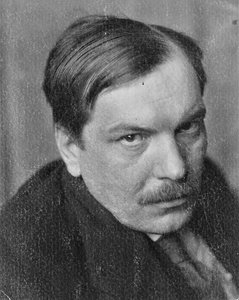
Konrad Krzyżanowski
1872 - 1922 , Ukraine
Quick Facts
- Artistic Movement Or Style: Expressionism, Portraiture
- Artists Or Movements Influenced By This Artist: ['Post-Impressionism']
- Artists Who Influenced This Artist:
- Mykola Murashko
- Simon Hollósy
- Date Of Birth: 1872-02-15
- Date Of Death: 1922-05-25
- Full Name: Konrad Krzyżanowski
- Nationality: Polish
- Notable Artworks: ['Portrait of Pelagia Witosławska']
- Place Of Birth: Kremenchuk, Ukraine

