 Preview
 Send
Send Share
Share
 Details

 Download
 Similars
 X-Ray
X-Ray Diaporama
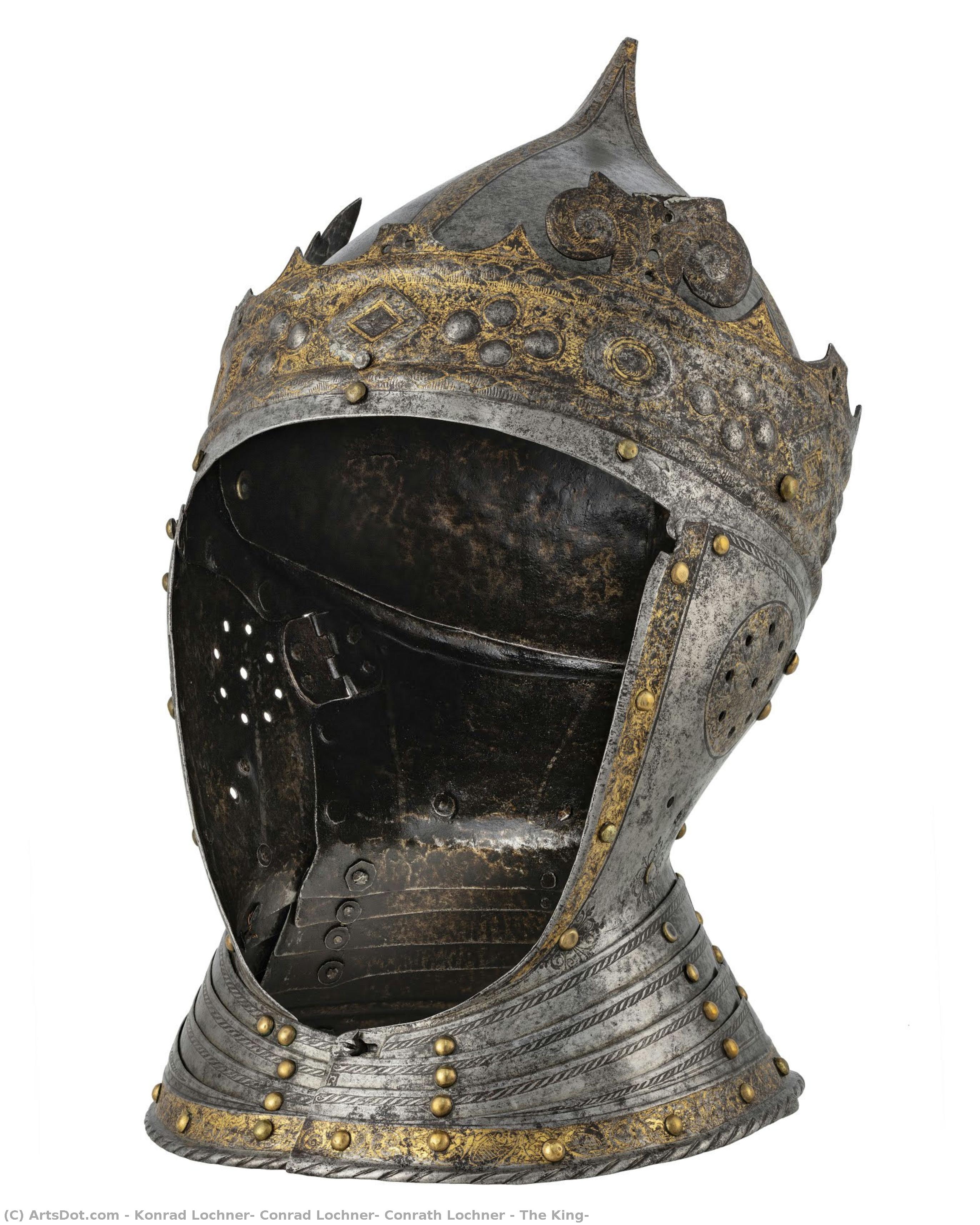
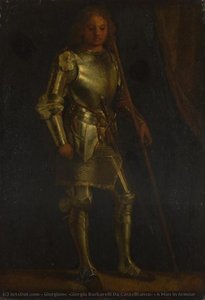
The King

 Read More
Hand Made Oil Reproduction
Hand-painted oil on canvas in your size and frame, made to order by our artists. ( Buy Print Buy Image)




































Pick from our preset sizes that match the artwork's original proportions.

You may enter your own dimensions to fit a specific frame or space. If your selected size does not match the original image's proportions, we will either crop the artwork or extend the painting with additional hand-painted elements. A digital mockup will be sent for your approval before production begins.
Please note that the on-screen preview does not reflect the actual cropping or extension. Only the mockup will accurately show the final composition.
While custom sizes are available, we recommend selecting a dimension from the predefined list to preserve the original proportions.
After order, ArtsDot.com team will email client for instructions and provide a mockup preview
Worldwide Delivery () in 3/4 weeks instead of standard 5 weeks. (24 August). No compromise on quality.

Free Worldwide Express Shipping

High-Quality Linen Canvas

Full Shipping Insurance

Customs Tax Refund Guarantee

True Color Matching Guarantee

60-Day Return Policy (Defects Only)

100% Money-Back Guarantee

Bulk Discount Offer
 Glass option is only available in size under 110 CM

The King
Reproduction Medium
Reproduction Size
-


Total Price
$ 263
Related Artworks




Artist Biography
Kunz Lochner: The Master Armorer of Nuremberg’s Renaissance
Kunz Lochner (1510-1567) stands as a titan amongst the craftsmen of his era, an undisputed master armourer whose workshops produced some of the most breathtaking examples of Renaissance artistry and engineering. Born in Nuremberg, Germany—a city renowned for its burgeoning artistic patronage—Lochner’s legacy extends far beyond mere metalwork; it embodies the spirit of innovation and grandeur that characterized the Holy Roman Empire during its golden age. His father, also a skilled armourer, instilled in him a profound understanding of metallurgy and craftsmanship, shaping Lochner into an artist driven by both technical precision and aesthetic vision.- Early Life & Training: Lochner’s formative years were spent honing his skills alongside his brothers, Heinrich and Hans, all dedicated to the art of armour making. This familial tradition ensured that Lochner received a comprehensive education in blacksmithing techniques and the intricacies of shaping metal into functional and decorative forms.
- The Imperial Patronage: Lochner’s career ascended dramatically when he secured commissions from Emperor Ferdinand I and subsequently Maximilian II, marking him as one of the most sought-after artisans of his time. These royal patrons recognized Lochner's exceptional talent and entrusted him with crafting armour for military campaigns and ceremonial occasions—a testament to his reputation for excellence.
A Legacy Forged in Steel: Lochner’s Artistic Style & Technique
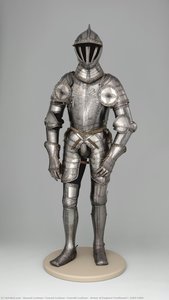
Lochner’s workshop produced armor that transcended mere protection; it was sculpture incarnate. He employed techniques honed over generations of armourers, utilizing cruciform hammering and chasing to achieve unparalleled levels of detail and surface texture. His designs incorporated flowing lines and elegant curves—a departure from the more rigid forms favored by earlier armourers—reflecting the humanist ideals prevalent in Renaissance art. Lochner’s meticulous attention to ornamentation included embossing, engraving, and inlaying precious metals like gold and silver, transforming armor into wearable masterpieces.- Notable Commissions: Among Lochner's most celebrated achievements were commissions for Ferdinand I and Maximilian II, resulting in iconic pieces that exemplify the grandeur of the Habsburg court. The “Armor of Emperor Ferdinand I” remains a stunning demonstration of Lochner’s mastery—a testament to his ability to blend practicality with artistic brilliance.
- Materials & Methods: Lochner skillfully utilized iron ore and coal, transforming raw materials into durable plates adorned with intricate designs. His blacksmithing prowess allowed him to forge components with remarkable strength and precision, while his silversmithing skills added shimmering accents of gold and silver—enhancing the visual impact of each creation.
Preserved Glory: Lochner’s Armor in Museums Worldwide
The enduring beauty and craftsmanship of Lochner's armor continue to inspire awe today. Specimens are housed in prestigious institutions across Europe, including the Royal Armoury in Stockholm, Dresden State Art Collections, the Army Museum in Paris, and The Metropolitan Museum of Art in New York City. These museums offer visitors a rare opportunity to examine firsthand the extraordinary artistry of Lochner—a symbol of Nuremberg’s artistic heritage and a cornerstone of Renaissance armour production.- Museum Collections: Examining Lochner's armor within these collections allows scholars to appreciate the meticulous detail and innovative techniques employed by this master craftsman. The preservation of these pieces ensures that Lochner’s legacy will endure for generations to come—a reminder of Nuremberg’s contribution to European art history.
Historical Significance & Enduring Influence
Kunz Lochner's work represents more than just exceptional craftsmanship; it embodies the cultural dynamism of the Renaissance. His armor served as a visual embodiment of imperial power and prestige, reflecting the artistic sensibilities of his time. Lochner’s influence extended beyond his immediate commissions, shaping armour production standards for decades to come—establishing him as one of the most influential figures in the history of European metalwork.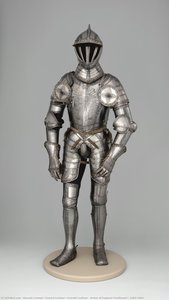
konrad lochner, conrad lochner, conrath lochner
1510 - 1567 , Germany
Quick Facts
- Artistic Movement Or Style: Renaissance Armor
- Artists Or Movements Influenced By This Artist: ['']
- Artists Who Influenced This Artist: ['']
- Date Of Birth: 1510 Nuremberg Germany
- Date Of Death: 1567
- Full Name: Kunz Lochner
- Nationality: German
- Notable Artworks:
- Armor of Emperor Ferdinand I
- The King
- Place Of Birth: Nuremberg Germany