 Preview
 Send
Send Share
Share
 Details

 Download
 Similars
 X-Ray
X-Ray Diaporama
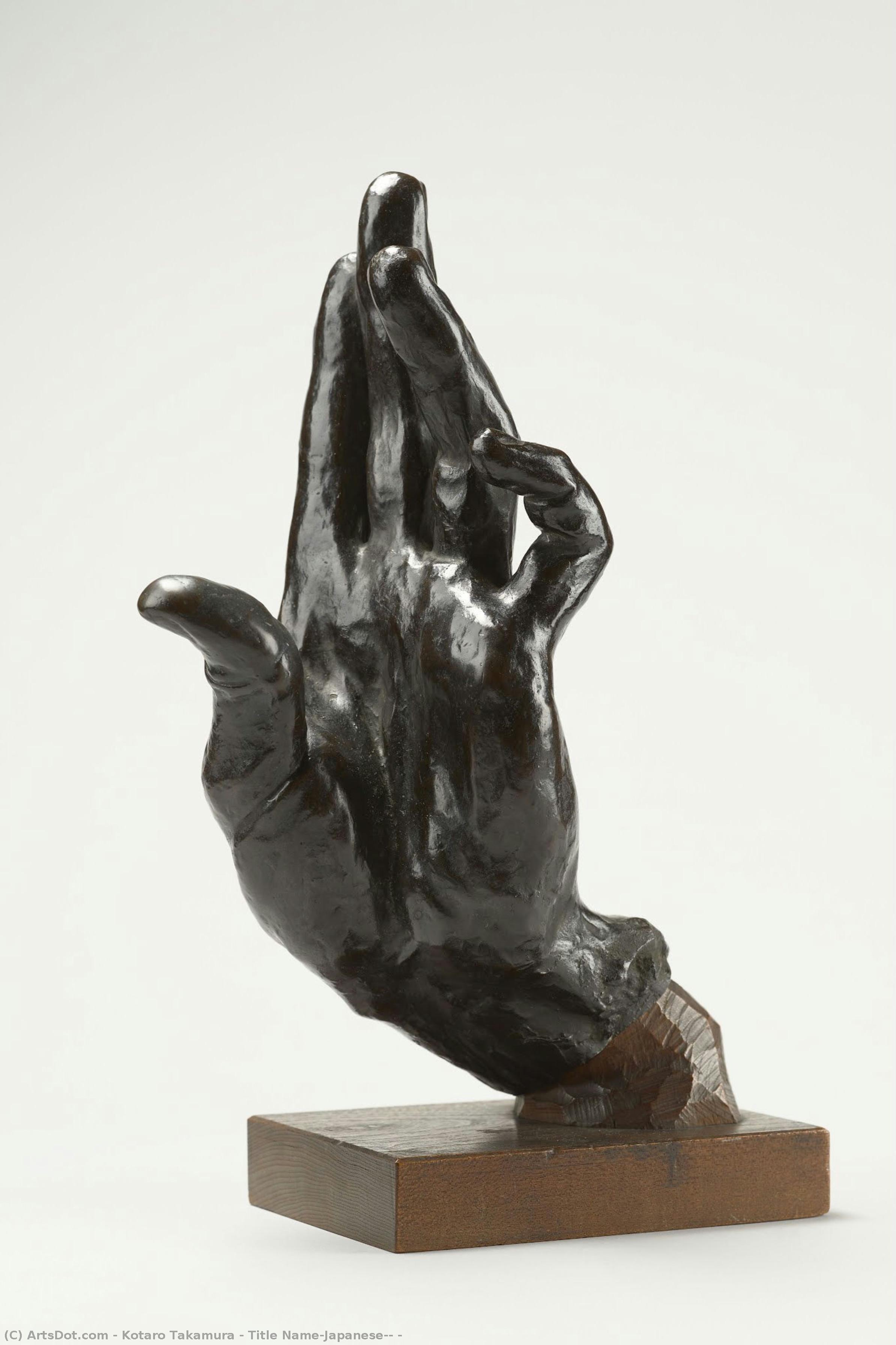
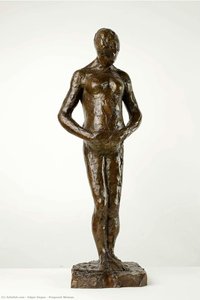
Title Name(Japanese): 手


 Read More
Hand Made Oil Reproduction
Hand-painted oil on canvas in your size and frame, made to order by our artists. ( Buy Print Buy Image)




P118B $10

P118H $10

P118W $10

P438Z $10

P508JH $12

P508YH $12

P805H $10

P805Z $10

P919BZ $10

P919G $10

P919XJ $10

P959ZH $10

P968JZ $12

W106C $8

W218G $10

W218JH $8

W218Y $10

W307PJ $10

W316G $10

W316PJ $8

W316Y $10

W398PJ $8

W4111J $10

W500HY $15

W500JH $15

W692G $12

W849H $8

W940BG $15

W953PJ $8




Pick from our preset sizes that match the artwork's original proportions.

You may enter your own dimensions to fit a specific frame or space. If your selected size does not match the original image's proportions, we will either crop the artwork or extend the painting with additional hand-painted elements. A digital mockup will be sent for your approval before production begins.
Please note that the on-screen preview does not reflect the actual cropping or extension. Only the mockup will accurately show the final composition.
While custom sizes are available, we recommend selecting a dimension from the predefined list to preserve the original proportions.
After order, ArtsDot.com team will email client for instructions and provide a mockup preview
Worldwide Delivery () in 3/4 weeks instead of standard 5 weeks. (21 August). No compromise on quality.

Free Worldwide Express Shipping

High-Quality Linen Canvas

Full Shipping Insurance

Customs Tax Refund Guarantee

True Color Matching Guarantee

60-Day Return Policy (Defects Only)

100% Money-Back Guarantee

Bulk Discount Offer
 Glass option is only available in size under 110 CM

Title Name(Japanese): 手
Reproduction Medium
Reproduction Size
-


Total Price
$ 263
Related Artworks



Artist Biography
A Pioneer of Modern Japanese Expression: The Life and Art of Kotaro Takamura
Kotaro Takamura, born in Tokyo in 1883, emerged as a pivotal figure in the transformation of Japanese art during the late Taisho and early Showa periods. As the eldest son of the celebrated Buddhist sculptor Takamura Kōun, he inherited an artistic lineage that both inspired and challenged him. His journey was one of profound exploration—a quest to reconcile traditional Japanese aesthetics with the burgeoning currents of Western modernism, ultimately forging a uniquely personal style in both sculpture and poetry. From his early studies at the Tokyo School of Fine Arts, where he immersed himself in sculpture and oil painting, Takamura demonstrated an eagerness to absorb new techniques and perspectives. This thirst for knowledge led him on a formative sojourn abroad, encompassing New York, London, and Paris—cities that served as crucibles for artistic innovation.The Influence of the West and the Shirakabaha Movement
Takamura’s time in New York proved particularly impactful, where he studied under Gutzon Borglum, the sculptor renowned for his monumental work on Mount Rushmore. However, it was Paris that truly ignited his artistic revolution. There, he encountered the works of Auguste Rodin, whose naturalistic approach and emotional intensity profoundly shaped Takamura’s own sculptural vision. He became captivated by Rodin's ability to convey raw human emotion through form and texture, a quality he sought to emulate in his own creations. Upon returning to Japan in 1909, Takamura found himself at the forefront of the Shirakabaha movement—a collective of artists and intellectuals dedicated to liberating Japanese art from its rigid adherence to tradition. This group championed Western influences, advocating for artistic freedom and self-expression as a means of forging a new national identity. Takamura’s essay “The Green Sun” became a manifesto for this burgeoning aesthetic, calling for absolute artistic independence.Sculptural Innovation and Poetic Voice
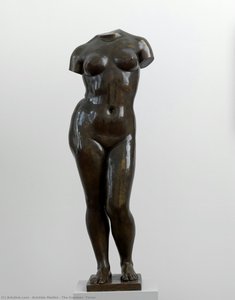
Takamura's sculptures stand as testaments to his mastery of form and his profound understanding of the human condition. He blended Western techniques with uniquely Japanese sensibilities, creating works that were both powerful and deeply personal. His early pieces often reflected a struggle against convention, a desire to break free from the constraints of academic training. As he matured, his sculptures became increasingly expressive, imbued with a sense of emotional depth and psychological complexity. However, Takamura was not solely a sculptor; he possessed an equally compelling poetic voice. He began writing poetry in his youth, exploring themes of love, loss, and the search for meaning. His most celebrated collection, Chiekoshō (智恵子抄), published in 1941—translated as “Chieko’s Sky” or “The Chieko Poems”—is a poignant tribute to his wife, Chieko Takamura, an oil painter and early member of the Japanese feminist movement.Chiekoshō: A Legacy of Love and Loss
Chiekoshō is widely considered Takamura’s masterpiece—a collection of poems that transcends personal grief to explore universal themes of love, loss, and the fragility of life. The poems chronicle their relationship from its idyllic beginnings through Chieko's tragic descent into schizophrenia and her untimely death in 1938. Takamura’s direct, vernacular language and free verse—a radical departure from traditional Japanese poetic forms—convey a raw emotional honesty that resonated deeply with readers. The collection is not merely a lament for his lost love but also a celebration of Chieko's spirit and her unwavering commitment to artistic independence. It stands as a powerful testament to the transformative power of art in the face of adversity.Historical Significance and Enduring Influence
Kotaro Takamura’s impact on modern Japanese art is undeniable. He helped establish Western-style sculpture within Japan, while his innovative poetry broke new ground in terms of form and content. His fusion of Eastern and Western aesthetics created a uniquely Japanese artistic language that continues to inspire generations of artists. Despite facing personal tragedies—including the destruction of his Tokyo studio during World War II—Takamura remained committed to his craft until his death in 1956. He received the prestigious Yomiuri Prize in 1951, solidifying his position as one of Japan’s most important artistic figures. His legacy lies not only in his remarkable body of work but also in his unwavering dedication to artistic self-expression and his profound exploration of the human spirit.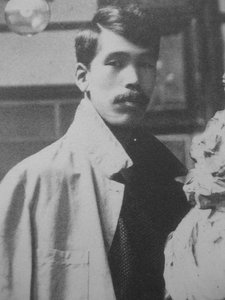
kotaro takamura
1883 - 1956 , Japan
Quick Facts
- Artistic Movement Or Style: Shirakabaha, Modernism
- Artists Or Movements Influenced By This Artist: ['Japanese Modern Art']
- Artists Who Influenced This Artist:
- Auguste Rodin
- Gutzon Borglum
- Date Of Birth: March 13, 1883
- Date Of Death: April 2, 1956
- Full Name: Kotaro Takamura
- Nationality: Japanese
- Notable Artworks: ["Chiekoshō (Chieko's Sky)"]
- Place Of Birth: Tokyo, Japan
Related Articles

Bronze Age to Modern Masters: 10 Sculptures That Redefined Art | ArtsDot
Journey through art history with 10 legendary bronze sculptures – from Michelangelo's David to Rodin’s Thinker. Explore the stories, techniques & timeless beauty of these masterpieces. Find museum-quality reproductions & elevate your home decor on ArtsDot.com.

Bronze Sculptures That Defined Art History | ArtsDot
Journey through art history with our Top 10 bronze sculptures! Explore masterpieces by Rodin, Michelangelo & more. Discover stories behind iconic statues and find museum-quality reproductions for your home decor at ArtsDot.com.

The Enduring Legacy of Bronze: A Historical & Artistic Exploration for the Collector
Explore the rich history & enduring appeal of bronze sculpture with expert insights for collectors at ArtsDot. Learn about casting techniques, iconic artists, collecting tips & contemporary interpretations.
The Enduring Legacy of Bronze: History, Technique & Artistic Expression for the Collector
Explore the rich history & enduring appeal of bronze sculpture with expert insights for collectors at ArtsDot. Learn about casting techniques, iconic artists, and collecting tips.
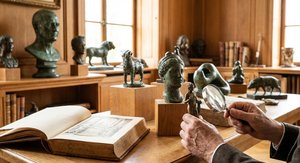
The Enduring Legacy of Bronze Sculpture: A Collector's Guide to Form & Cultural Significance
Explore the rich history & enduring appeal of bronze sculpture with expert insights for collectors at ArtsDot. Learn about casting techniques, iconic artists, and collecting tips to build a discerning art collection.