 Send
Send Share
Share
 Details

 Download
 Similars
 Diaporama
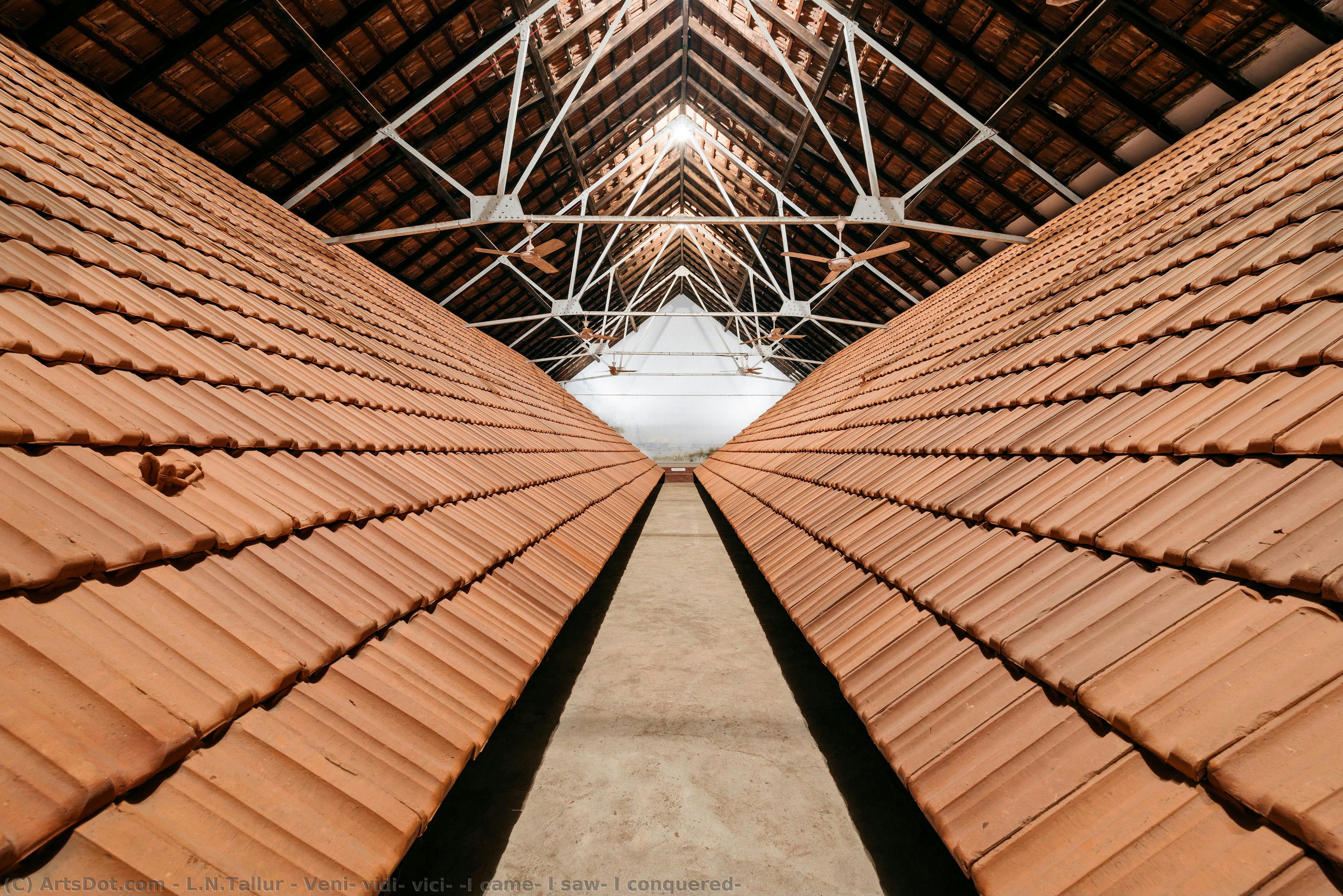
Veni, vidi, vici; (I came, I saw, I conquered)
 Terracotta
- Contemporary Realism
 2013
2013- Contemporary
 500.0 x 800.0 cm
 Kochi-Muziris Biennale
 Read More
Giclée / Art Print
Museum-quality giclée or canvas print with fast production and flexible finish options. ( Buy Hand Made Painting Buy Image)




































Pick from our preset sizes that match the artwork's original proportions.

You may enter your own dimensions to fit a specific frame or space. If your selected size does not match the original image's proportions, we will either crop the artwork or extend the image with a mirrored or solid-fill edge. A digital mockup will be sent for your approval before production begins.
Please note that the on-screen preview does not reflect the actual cropping or extension. Only the mockup will accurately show the final composition.
While custom sizes are available, we recommend selecting a dimension from the predefined list to preserve the original proportions.
Worldwide Delivery () in 2 weeks instead of standard 4/5 weeks. (27 August)

Free Worldwide Express Shipping

High-Quality Linen Canvas

Full Shipping Insurance

Customs Tax Refund Guarantee

True Color Matching Guarantee

60-Day Return Policy (Defects Only)

100% Money-Back Guarantee

Bulk Discount Offer
 Glass option is only available in size under 110 CM

Veni, vidi, vici; (I came, I saw, I conquered)
Giclée / Art Print
Reproduction Size
-


Total Price
$ 63
Collectible Description
A Monumental Encounter with Form and Texture
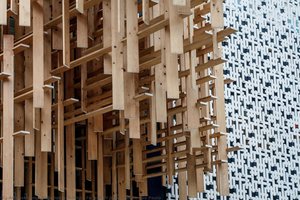
In the grand theater of contemporary sculpture, few works command the space with as much architectural gravity as L.N. Tallur’s masterpiece, Veni, vidi, vici; (I came, I saw, I conquered). This monumental creation, spanning an awe-inspiring 500 x 800 cm, is not merely an object to be viewed but an environment to be inhabited. At first glance, the viewer is met with a breathtaking labyrinth of arches and vaulted ceilings, a structural feat that seems to bridge the gap between ancient ruins and futuristic design. The work invites a profound sense of discovery, echoing its Latin title by leading the observer through a rhythmic progression of shadows and light, much like a journey through a forgotten civilization rediscovered in the modern age.
The soul of this piece lies in its tactile brilliance and the meticulous application of medium. Utilizing the earthy, grounded essence of terracotta tiles, Tallur orchestrates an intricate pattern that celebrates the beauty of repetition and structural complexity. Each tile is placed with a precision that speaks to the artist's mastery over both organic material and geometric discipline. The interplay of these tiles creates a visually striking texture that shifts as one moves around the work, offering a dynamic experience where the boundaries between sculpture and architecture begin to blur. For the discerning collector or interior designer, this piece offers an unparalleled opportunity to introduce a sense of structural depth and historical weight into a sophisticated space.
The Intersection of Heritage and Global Vision
Beyond its physical presence, Veni, vidi, vici serves as a profound dialogue between Indian heritage and global contemporary aesthetics. Tallur, an artist celebrated for his ability to blend traditional craftsmanship with modern conceptualism, uses the medium of terracotta—a material deeply rooted in the history of Indian art—to explore themes of conquest, perception, and permanence. The "conquering" suggested by the title may not refer to military might, but rather to the triumph of human creativity over raw matter, and the way an artistic vision can overcome the limitations of a single medium to create something universal.
The emotional impact of the work is one of quiet reverence. There is a meditative quality found in the repetitive vaults, a rhythmic stability that provides a sense of peace amidst the complexity. For those seeking to curate an environment of intellectual depth and aesthetic grandeur, a high-quality reproduction of this work serves as a powerful focal point. It brings with it the spirit of exploration and the prestige of a piece that has been recognized by prestigious honors such as the Škoda Prize. Whether placed in a grand gallery, a luxury residence, or a curated corporate lobby, this artwork acts as a silent storyteller, evoking the timeless allure of architectural wonder and the enduring power of the human hand.
Related Artworks


Artist Biography
Mickalene Thomas: A Kaleidoscope of Identity and Art History
Mickalene Thomas, born in Camden, New Jersey on January 28, 1971, is a contemporary American visual artist whose vibrant and layered works have captivated the art world. Her practice is deeply rooted in exploring themes of identity, femininity, race, sexuality, and the complex interplay between personal experience and broader cultural narratives. Thomas’s distinctive style—characterized by bold colors, rhinestones, acrylic paint, and enamel—draws inspiration from a rich tapestry of sources, including popular art history, collage techniques, and her own lived experiences. From an early age, she was exposed to art through visits to the Newark Museum and the Henry Street Settlement, fostering a lifelong appreciation for visual expression. This foundation, combined with a strong family connection to the arts—her mother, Sandra “Mama Bush,” was a model in the 1970s—laid the groundwork for her unique artistic vision.Early Influences and Artistic Development
Thomas’s artistic journey began during her time at Pratt Institute and Yale School of Art, where she honed her skills and experimented with various techniques. Crucially, she found inspiration in the DIY art scene of the 1980s and 90s, a period marked by experimentation and a rejection of traditional hierarchies within the art world. This spirit of self-expression profoundly shaped her approach to creating large-scale collages that often incorporate elements of pop culture, fashion, and historical imagery. Her work frequently references iconic figures from art history—such as Impressionist painters like Monet and Renoir, Cubists like Picasso and Braque, and the Harlem Renaissance—reimagining them through a distinctly contemporary lens. The influence of Chris Ofili’s vibrant use of color and collage techniques is particularly evident in her early pieces. Furthermore, Thomas's personal life, including her complex relationship with her mother, has served as a significant source of inspiration, informing the emotional depth and layered narratives within her art.Technique and Style: A Layered Approach
Thomas’s distinctive style is immediately recognizable for its opulent use of rhinestones, which she meticulously applies to create shimmering surfaces that evoke glamour and luxury. She often employs a collage technique, combining painted elements with photographic images and found objects—creating complex compositions that demand close attention. The layering of these diverse materials isn't merely decorative; it’s a deliberate strategy for conveying multiple perspectives and challenging traditional notions of representation. Her use of acrylic and enamel paints allows her to achieve bold colors and smooth finishes, while the incorporation of rhinestones adds a tactile dimension to her work, inviting viewers to engage with the surface on a physical level. Thomas's process is intensely labor-intensive, reflecting the care and attention she dedicates to each piece—a testament to her commitment to creating works that are both visually stunning and conceptually rich.Themes of Identity and Representation
At the heart of Thomas’s work lies a profound exploration of identity – particularly the complexities of being Black, female, and navigating societal expectations. Her portraits frequently depict women—often self-portraits or representations of figures from her personal life—celebrating their beauty, strength, and resilience. She challenges conventional notions of representation by employing vibrant colors, bold patterns, and a distinctly glamorous aesthetic, subverting stereotypical images of Black women in art history. Thomas’s work also engages with issues of race, sexuality, and gender, prompting viewers to consider the ways in which these identities are constructed and experienced within broader cultural contexts. Her collages often incorporate elements of pop culture—such as magazine covers and advertisements—to critique consumerism and explore the pervasive influence of media on our perceptions of beauty and identity.Historical Significance and Legacy
Mickalene Thomas’s work has garnered significant critical acclaim and recognition, solidifying her position as a leading contemporary artist. Her pieces have been exhibited in major museums and galleries around the world, including the Studio Museum in Harlem, the Whitney Museum of American Art, and the Guggenheim Museum. Thomas's innovative approach to collage, her vibrant use of color, and her engagement with complex social issues have made her a significant voice within contemporary art. She continues to push boundaries and challenge conventions, inspiring new generations of artists to explore their own identities and perspectives through visual expression. Her work serves as a powerful reminder of the importance of diverse representation in the art world and beyond, contributing significantly to ongoing conversations about race, gender, and beauty.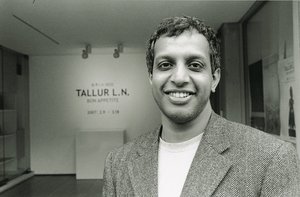
l.n.tallur
1971 - , India
Quick Facts
- Artistic Movement Or Style: Collage, Painting
- Artists Or Movements Influenced By This Artist: ['Harlem Renaissance']
- Artists Who Influenced This Artist:
- Chris Ofili
- Jacob Lawrence
- Date Of Birth: January 28, 1971
- Full Name: Mickalene Thomas
- Nationality: American
- Notable Artworks:
- Happy Birthday to a Beautiful Woman
- Stiff Box 12
- Place Of Birth: Camden, New Jersey, USA
Related Articles
Beyond Imitation: The Strategic Role of Fine Art Reproductions in Contemporary Gallery Practices
Explore the strategic role of fine art reproductions in today's galleries. Discover how they cultivate collectors, enhance education & expand access to art. Expert insights for discerning buyers and professionals.
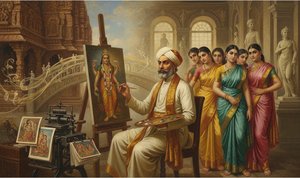
Raja Ravi Varma: Bridging Tradition & Modernity in 19th-Century Indian Art
Explore the life & art of Raja Ravi Varma, a pioneer who fused European techniques with Indian iconography. Discover his iconic paintings, lasting legacy, and influence on modern Indian art at ArtsDot.
Beyond Imitation: The Cultural Resonance of Fine Art Reproduction & Discerning Collectors
Explore the cultural significance of fine art reproduction & its appeal to discerning collectors. Discover how reproductions enhance aesthetics, build collections, and signal status. Expert insights & museum-quality artistry.

The Enduring Legacy of Bespoke Art: Commissioned Reproductions as Expressions of Prestige Gifting for High-Net-Worth Individuals
Discover bespoke art reproductions crafted with museum-quality precision for discerning collectors & high-net-worth individuals. Elevate your space or find the perfect prestige gift. Expert curation & personalized service at ArtsDot.
Reproducing Artistry: A Guide to Oil, Canvas & Paper Reproduction Mediums
Explore the world of art reproduction! Learn about oil, canvas & paper options with our expert guide. Discover museum-quality reproductions for your home or collection.