 Preview
 Send
Send Share
Share
 Details

 Download
 Similars
 X-Ray
X-Ray Diaporama
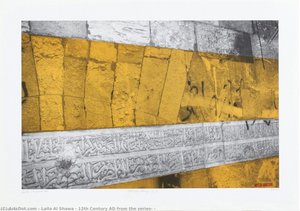
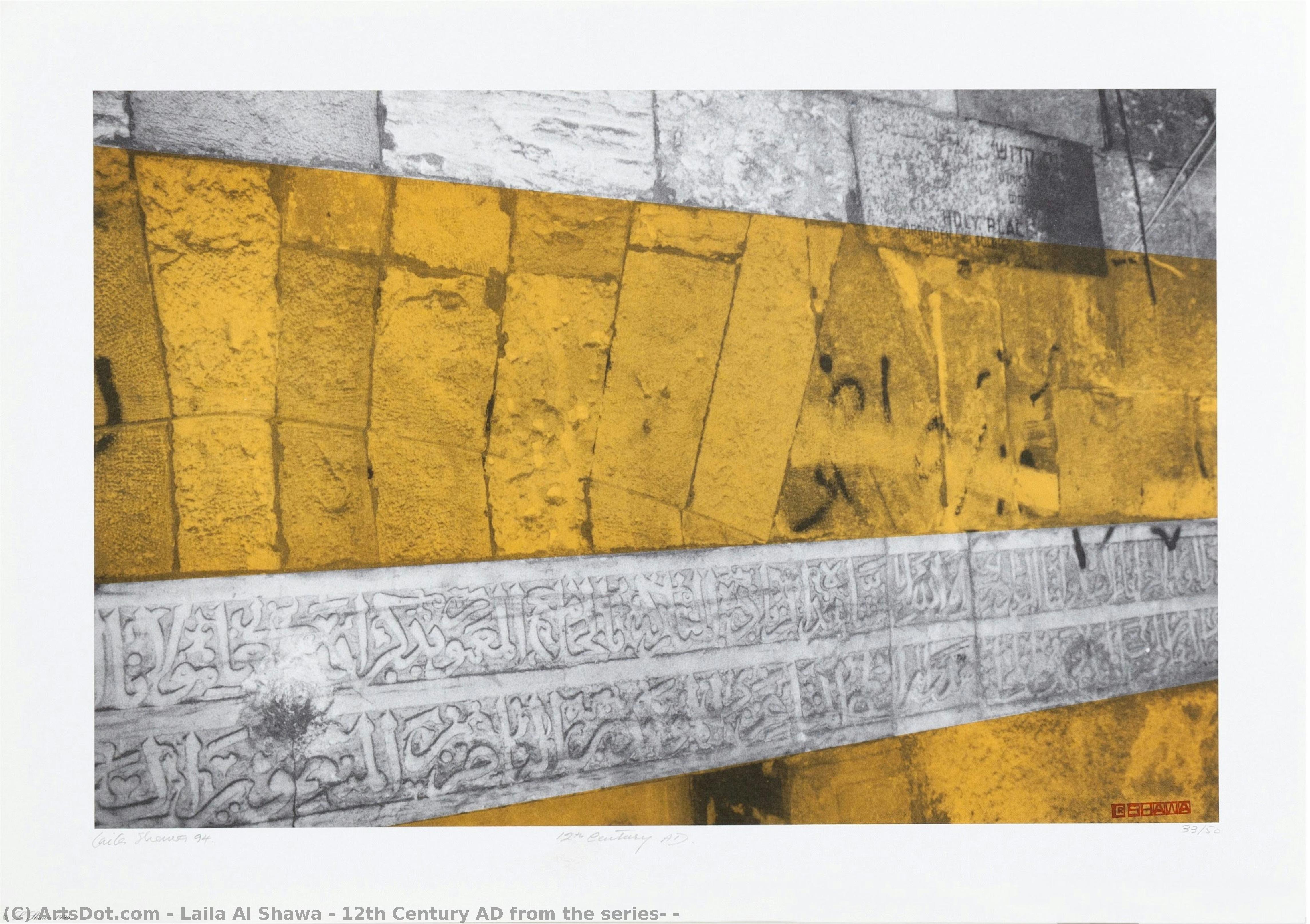
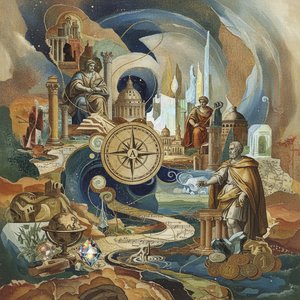
12th Century AD from the series,
 Silkscreen
- Contemporary Art
 1994
1994- Contemporary
 48.0 x 70.0 cm
 Contemporary Art Platform
 Read More
Giclée / Art Print
Museum-quality giclée or canvas print with fast production and flexible finish options. ( Buy Hand Made Painting Buy Image)




P118B $10

P118H $10

P118W $10

P438Z $10

P508JH $12

P508YH $12

P805H $10

P805Z $10

P919BZ $10

P919G $10

P919XJ $10

P959ZH $10

P968JZ $12

W106C $8

W218G $10

W218JH $8

W218Y $10

W307PJ $10

W316G $10

W316PJ $8

W316Y $10

W398PJ $8

W4111J $10

W500HY $15

W500JH $15

W692G $12

W849H $8

W940BG $15

W953PJ $8




Pick from our preset sizes that match the artwork's original proportions.

You may enter your own dimensions to fit a specific frame or space. If your selected size does not match the original image's proportions, we will either crop the artwork or extend the image with a mirrored or solid-fill edge. A digital mockup will be sent for your approval before production begins.
Please note that the on-screen preview does not reflect the actual cropping or extension. Only the mockup will accurately show the final composition.
While custom sizes are available, we recommend selecting a dimension from the predefined list to preserve the original proportions.
Worldwide Delivery () in 2 weeks instead of standard 4/5 weeks. (23 August)

Free Worldwide Express Shipping

High-Quality Linen Canvas

Full Shipping Insurance

Customs Tax Refund Guarantee

True Color Matching Guarantee

60-Day Return Policy (Defects Only)

100% Money-Back Guarantee

Bulk Discount Offer
 Glass option is only available in size under 110 CM

12th Century AD from the series,
Giclée / Art Print
Reproduction Size
-


Total Price
$ 63
Collectible Description
A Whisper from the Past: The Textural Legacy of Laila Al Shawa
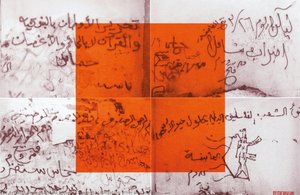
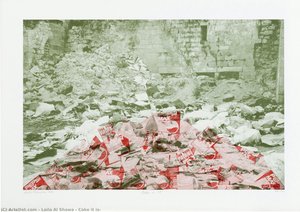
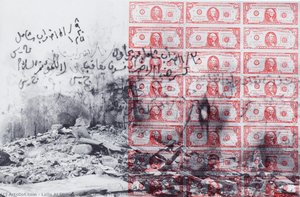
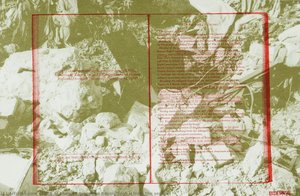
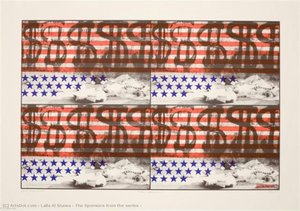
In the evocative piece 12th Century AD, the late Palestinian master Laila Al Shawa invites us into a profound dialogue between the permanence of stone and the fleeting nature of human expression. This work, part of a larger series, functions as a visual meditation on time itself. At first glance, the viewer is confronted by a rugged, weathered surface—a wall that feels as though it has endured centuries of sun, wind, and conflict. The artist utilizes a striking monochromatic foundation to establish a sense of antiquity, where the interplay of light and shadow breathes life into the cracks and crevices of the stone or brickwork. This textured landscape serves not merely as a backdrop but as a silent witness to the passage of eras.
The true soul of the composition lies in the delicate, rhythmic dance of Arabic script etched across this ancient surface. While the photograph captures the piece in a stark black and white, the underlying essence of Al Shawa’s technique suggests a vibrant tension between the monochromatic masonry and the intentionality of the writing. The calligraphy acts as a layer of human consciousness superimposed upon the inanimate earth. There is a haunting beauty in how the script clings to the uneven topography of the wall, suggesting that even when civilizations fade, their voices, their prayers, and their histories remain inscribed in the very fabric of their environment.
Technique and the Art of Visual Narrative
Laila Al Shawa was renowned for her ability to merge contemporary political urgency with traditional artistic mediums. In 12th Century AD, we see a masterful application of texture that borders on the sculptural. Her approach often involved complex layering, where the grit of the medium mirrors the grit of the subject matter. The precision of the script against the coarse, detailed patterns of the wall demonstrates a sophisticated control over contrast. This juxtaposition creates a sensory experience for the viewer; one can almost feel the roughness of the stone beneath their fingertips while tracing the fluid, elegant curves of the ancient characters.
For the discerning collector or interior designer, this piece offers a unique opportunity to introduce a sense of historical weight and cultural depth into a contemporary space. The artwork does not merely decorate a room; it anchors it. Its presence evokes a contemplative atmosphere, making it an ideal centerpiece for galleries, libraries, or sophisticated residential studies where themes of heritage and resilience are celebrated. As a high-quality reproduction, the intricate details of the masonry and the delicate nuances of the calligraphy are preserved, allowing the emotional gravity of Al Shawa’s vision to resonate within any modern architectural setting.
Symbolism and Emotional Resonance
Beyond its aesthetic allure, 12th Century AD carries a heavy symbolic burden. The choice of an ancient wall as a canvas speaks to the concept of memory—how we build upon the ruins of the past and how our identities are inextricably linked to the landscapes we inhabit. The Arabic script serves as a bridge between the contemporary struggle for identity and a glorious, storied history. It is a testament to endurance; despite the weathering of time and the scars of history, the written word remains legible, a persistent heartbeat within the stone.
To gaze upon this work is to experience a profound sense of nostalgia and reverence. It stirs an emotional response that is both melancholic and empowering. There is a quiet strength in the way the artwork presents its subject, reminding us that beauty often resides in the weathered, the broken, and the ancient. For those seeking art that transcends mere decoration to offer a window into the human spirit, Al Shawa’s work provides an unparalleled journey through the layers of time and culture.
Related Artworks
Artist Biography
early life and artistic beginnings
laila al shawa, a prominent palestinian visual artist, was born in 1940 in gaza city. her father, rashad al-shawa, an activist and former mayor of gaza city, instilled in her a strong sense of political awareness from a young age. this foundation would later influence her artistic style, which often reflected the politics of her country and the injustices she witnessed.artistic style and techniques
al shawa's artwork, encompassing paintings, sculptures, and installations, frequently incorporated photographs as the base for silkscreen printing. this unique approach allowed her to convey the complexities of her experiences and the plight of her people. her use of bold colors and evocative imagery created a visual narrative that resonated with audiences worldwide.- untitled (1970), a collection of photographs, showcases al shawa's early experimentation with silkscreen printing.
- a journey through the intifada (1985), a series of paintings, captures the essence of her people's struggle for freedom and justice.
international recognition and exhibitions
al shawa's work has been internationally exhibited and is displayed in many public and private collections, including the british museum. her contributions to the arabic revolutionary contemporary art scene have solidified her position as one of the most prolific artists of her time. notable exhibitions:**- "a journey through art history with ArtsDot’s extensive collection"
- laila al shawa's artworks at ArtsDot.com
legacy and impact
through her art, laila al shawa has left an indelible mark on the world. her passing in 2022 has not diminished the significance of her work, which continues to inspire new generations of artists and activists alike. explore more of laila al shawa's artwork and its significance:**- the museum private collection nimes, france
- discover the stories behind her art at ArtsDot.com
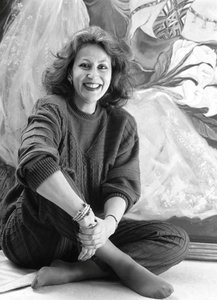
laila al shawa
1940 - 2022 , Palestine
Quick Facts
- Artistic Movement Or Style: Expressionism, Cubism, Surrealism
- Artists Or Movements Influenced By This Artist: ['Bauhaus']
- Artists Who Influenced This Artist: ['Wassily Kandinsky']
- Date Of Birth: 1879-12-18
- Date Of Death: 1940-06-29
- Full Name: Paul Klee
- Nationality: Swiss, German
- Notable Artworks:
- Ships in the Dark
- Autumn
- Klee Notebooks
- Place Of Birth: Bern, Switzerland
Related Articles
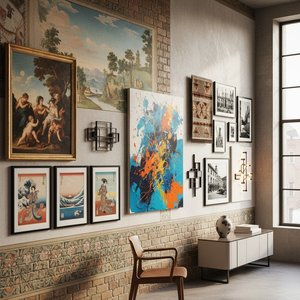
Transforming Spaces: A Comprehensive Exploration of Wall Decor Through Art History & Contemporary Practice
Explore the art of transforming spaces with our comprehensive guide to wall decor. From historical movements to contemporary trends, discover how to curate impactful interiors and commission bespoke artwork for a truly personalized aesthetic.
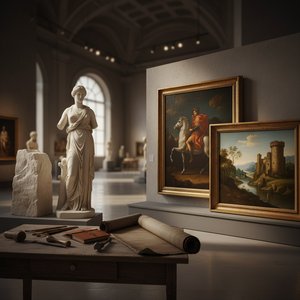
Stone & Canvas: 10 Masterpieces of Timeless Art |
Explore 10 iconic paintings dominated by 'stone' tones – from Caravaggio’s drama to Rembrandt’s depth. Discover art history, techniques & find museum-quality reproductions for your home at .
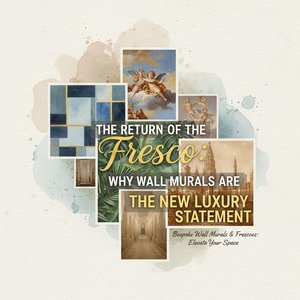
The Return of the Fresco: Why Wall Murals Are the New Luxury Statement
Elevate your space with bespoke wall murals & frescoes. Explore the resurgence of this luxury art form. Expert design guidance & seamless installation – .
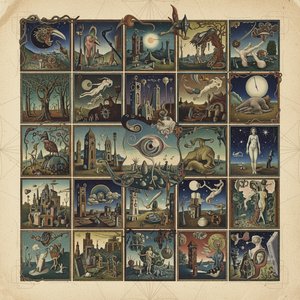
Max Ernst's Masterpieces: 25 Surreal Visions for Art Lovers & Home Decor
Journey into the surreal world of Max Ernst! Explore 25 iconic paintings, from Dada to abstract expressionism. Discover the stories behind his masterpieces & find museum-quality art reproductions for your home decor at ArtsDot.com.
The Magic of Collage: How to Layer Texture and Story into Your Home Decor
Elevate your interiors with the magic of collage. Discover expert tips on layering texture, 3D elements, and personal narratives through mixed media art to create a soulful, sophisticated home decor experience.