

 Preview
 Send
Send Share
Share
 Details

 Download
 Similars
 X-Ray
X-Ray Diaporama
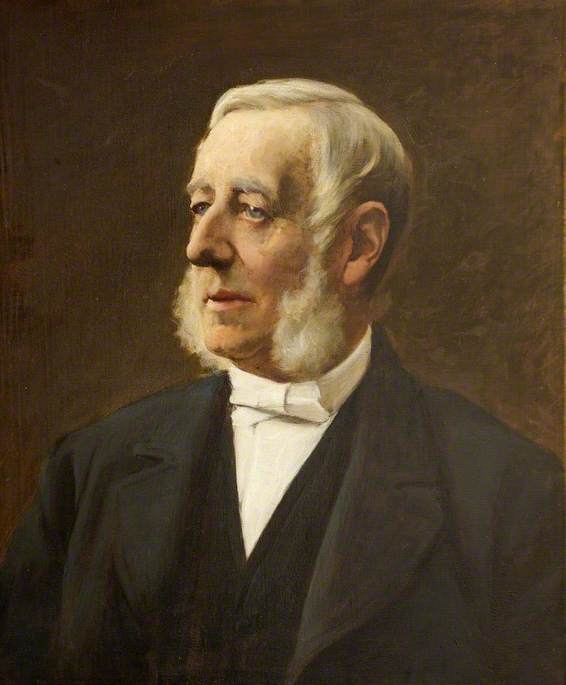
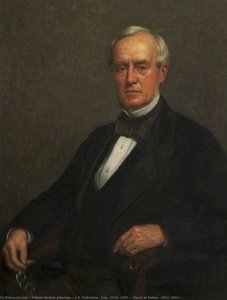
Reverend E. F. Witts (1813–1886), Rector of Upper Slaughter (1884–1886)


 Read More
Purchase a high-resolution, enhanced digital image, far superior to the online preview.
Each file is meticulously prepared by our in-house specialists using advanced tools and expert manual retouching. We ensure every image has exceptional clarity, precise color accuracy, and fine detail.
The final file is delivered via email within 72 hours, optimized for immediate use in professional, editorial, and print environments. This is the same quality trusted by top-tier design studios, publishers, and galleries.
Digital Image
Download a high-resolution file for personal display, printing, and creative projects. ( Buy Print Buy Hand Made Painting)
Included in Every Digital Image Order
Expert Digital Delivery, Guaranteed
When you choose ArtsDot.com, you're not just getting an image - you're receiving a professionally enhanced digital artwork, crafted with precision and backed by a satisfaction guarantee. Here's everything that comes with your order, automatically:

Fast Email Delivery
Your high-resolution digital image file will be emailed to you within 72 hours of ordering - ready for immediate use.

AI-Enhanced Digital File
Your artwork is professionally optimized using advanced AI tools and manual editing, ensuring maximum detail, clarity, and color accuracy.

Free Lifetime Re-Delivery
Accidentally deleted or lost your file? No worries - we'll resend it to you anytime, free of charge.

No Import Fees - Ever
Enjoy your artwork instantly with zero customs, duties, or delivery fees - digital downloads are always tax-free.

Color Accuracy Guarantee
We ensure your digital image reflects the original colors as closely as possible using professional tools and color management.

60-Day Satisfaction Guarantee
If you're not satisfied with your digital image, we'll revise it or refund 100% within 60 days - no questions asked.

100% Money-Back Guarantee
Not satisfied? Get a full refund within 60 days of receiving your digital file - no questions asked.

Bulk Order Discounts
Buy 3 images, save 10% - Buy 5, save 15% - Buy 10+, save 20%. Great for creative projects, galleries, and agencies.
Collectible Description
Historical Context and Significance
The Captain Christie Crawfurd English Civil War Collection is a testament to the dedication of Captain Cristie Crawfurd, who had a profound interest in the English Civil War. He acquired most of the paintings in the 1930s, and his collection includes portraits of prominent figures from the Civil War era, as well as later Victorian portraits. The collection is housed in St Edward's Hall, a Victorian building that also serves as the public library.Artistic Analysis
The painting depicts Reverend E. F. Witts with a stern expression, wearing a suit and tie, and sporting a white collar and black bow tie. The image is rendered in black and white, giving it an old-fashioned appearance. The focus on the subject's facial features and attire highlights his professional demeanor and the importance of his role as rector.Artist Background
Lance Calkin was a prolific artist known for his portraits of notable figures. His work can be found in various museums, including Nottingham Castle Museum And Art Gallery and Birmingham Museums And Art Gallery. For example, his painting Alderman John Barber, JP, Sheriff of Nottingham (1846), Mayor of Nottingham (1867–1869) is a notable piece that showcases his skill in capturing the essence of his subjects.Conclusion
The painting Reverend E. F. Witts (1813–1886), Rector of Upper Slaughter (1884–1886) by Lance Calkin is a significant piece that not only reflects the artistic skill of its creator but also provides insight into the life and times of Reverend E. F. Witts. For those interested in art history and the English Civil War era, this painting is a valuable addition to any collection.- Reverend E. F. Witts (1813–1886), Rector of Upper Slaughter (1884–1886) by Lance Calkin
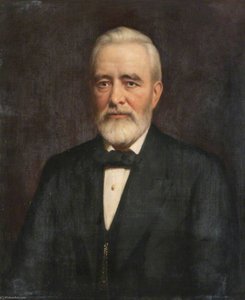
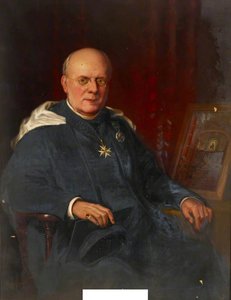
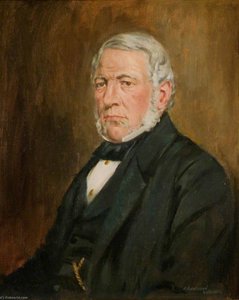
- Alderman John Barber, JP, Sheriff of Nottingham (1846), Mayor of Nottingham (1867–1869) by Lance Calkin
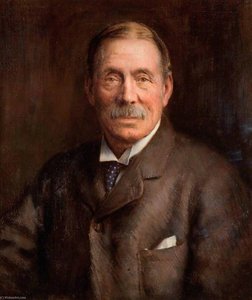
- Hibbert Oates by Lance Calkin
- John Feeney by Lance Calkin
Related Artworks
Artist Biography
The Quiet Dignity of a Victorian Master
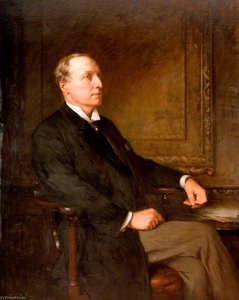
In the golden, twilight era of the nineteenth century, few artists captured the somber elegance and social gravity of British life as intimately as Lance Calkin. Born in London in 1859, Calkin was a product of both musical heritage and rigorous academic discipline. As the son of a musician, he likely developed an early sensitivity to rhythm and harmony—qualities that would later manifest in the balanced compositions and tonal precision of his oil paintings. His formal journey through the prestigious Slade School of Fine Art and the Royal Academy Schools provided him with a formidable foundation in classical principles, instilling a lifelong devotion to anatomical accuracy and the subtle interplay of light and shadow.
By 1895, Calkin had firmly established his professional presence by joining the Royal Institute of Painters in Oil Colours. This period marked his emergence as a significant voice within the British art community, a time when portraiture served not merely as a record of likeness but as a profound statement of character and social standing. His work was never characterized by the loud or the flamboyant; instead, he mastered the art of the understated. Through a meticulous application of paint, Calk in sought to reveal the inner essence of his subjects, using minute shifts in expression and posture to convey a sense of moral seriousness and quiet dignity that resonated with the Victorian ideals of his era.
A Legacy Captured in Oil and Ink
The breadth of Calkin’s oeuvre is a testament to his versatility as a chronicler of his time. While he is most celebrated for his portraits, his repertoire extends into historical scenes and poignant social commentaries that capture the tension of a changing world. His ability to navigate between the formal rigidity of high-society portraiture and the raw emotion of historical events allowed him to document the Victorian zeitgeist with unparalleled depth.
Among his most notable contributions to the art historical record are works that highlight his technical mastery and thematic range:
- The Portrait of Arthur Wellesley Peel, First Viscount Peel: A definitive example of Calkin’s ability to utilize tonal gradation to bestow a sense of nobility and permanence upon his subjects.
- Reverend E. F. Witts (1884–1886): In this depiction of the Rector of Upper Slaughter, Calkin demonstrates a profound capacity for spiritual solemnity, using light to evoke a sense of divine grace.
- John Feeney: A 1906 masterpiece that showcases his skill in capturing the weight of industrial-era prominence through realistic textures and a commanding presence.
- The Patchwork Quilt (1887): An exploration of domesticity and texture that reveals his ability to find beauty in the intricate details of everyday life.
- Boer War: Wounded Soldiers Awaiting Medical Help: A departure from formal portraiture, this watercolor demonstrates his capacity for empathy and his ability to document the harrowing realities of conflict with a delicate yet powerful hand.
Historical Significance and Enduring Influence
Lance Calkin’s significance lies in his role as a visual historian. He did not merely paint faces; he painted the soul of an empire at its peak and during its transition into modernity. His work serves as a bridge between the rigid traditions of the Royal Academy and the burgeoning realism that would come to define much of late nineteenth-century art. By eschewing dramatic artifice in favor of truthful representation, he provided a window into the psychological landscape of the Victorian gentleman, the clergyman, and the common soldier alike.
Though his career spanned the turn of the century, the enduring power of his paintings lies in their timelessness. The meticulous detail with which he rendered fabric, skin, and light ensures that his subjects remain vibrant and present to the modern viewer. Today, as we look back upon the works of Calkin, we find more than just historical artifacts; we find a profound meditation on human dignity, captured through the steady, masterful hand of an artist who understood that the greatest truths are often found in the quietest moments.
lance calkin
1859 - 1936
Quick Facts
- Artistic Movement Or Style: Victorian Portraiture
- Artists Or Movements Influenced By This Artist: ['Arthur Wellesley Peel']
- Artists Who Influenced This Artist: ['Henry Sigismund Uhlrich']
- Date Of Birth: 1859
- Date Of Death: 1936
- Full Name: Lance Calkin
- Nationality: British
- Notable Artworks: ['John Feeney']
- Place Of Birth: London, England

