

 Preview
 Send
Send Share
Share
 Details

 Download
 Similars
 X-Ray
X-Ray Diaporama
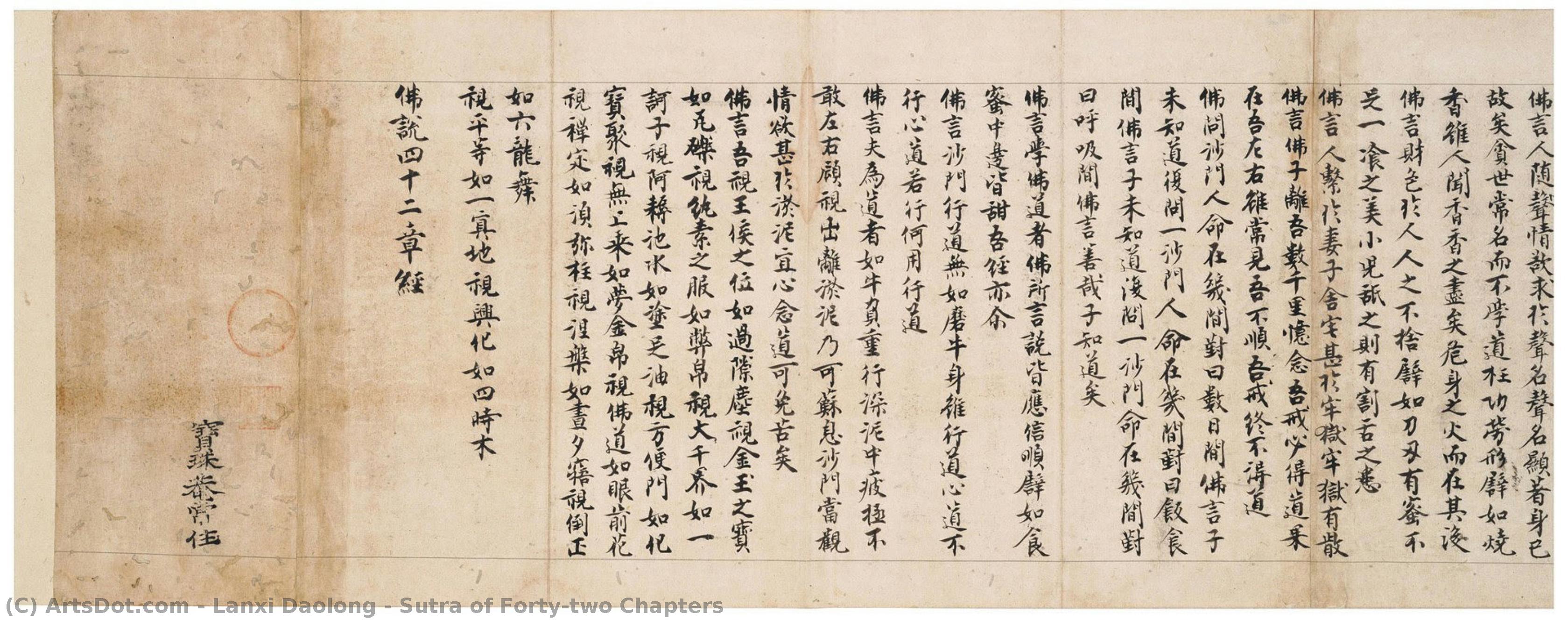
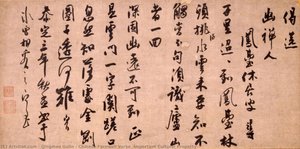
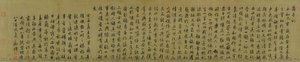
Sutra of Forty-two Chapters

 Read More
Purchase a high-resolution, enhanced digital image, far superior to the online preview.
Each file is meticulously prepared by our in-house specialists using advanced tools and expert manual retouching. We ensure every image has exceptional clarity, precise color accuracy, and fine detail.
The final file is delivered via email within 72 hours, optimized for immediate use in professional, editorial, and print environments. This is the same quality trusted by top-tier design studios, publishers, and galleries.
Digital Image
Download a high-resolution file for personal display, printing, and creative projects. ( Buy Print Buy Hand Made Painting)
Included in Every Digital Image Order
Expert Digital Delivery, Guaranteed
When you choose ArtsDot.com, you're not just getting an image - you're receiving a professionally enhanced digital artwork, crafted with precision and backed by a satisfaction guarantee. Here's everything that comes with your order, automatically:

Fast Email Delivery
Your high-resolution digital image file will be emailed to you within 72 hours of ordering - ready for immediate use.

AI-Enhanced Digital File
Your artwork is professionally optimized using advanced AI tools and manual editing, ensuring maximum detail, clarity, and color accuracy.

Free Lifetime Re-Delivery
Accidentally deleted or lost your file? No worries - we'll resend it to you anytime, free of charge.

No Import Fees - Ever
Enjoy your artwork instantly with zero customs, duties, or delivery fees - digital downloads are always tax-free.

Color Accuracy Guarantee
We ensure your digital image reflects the original colors as closely as possible using professional tools and color management.

60-Day Satisfaction Guarantee
If you're not satisfied with your digital image, we'll revise it or refund 100% within 60 days - no questions asked.

100% Money-Back Guarantee
Not satisfied? Get a full refund within 60 days of receiving your digital file - no questions asked.

Bulk Order Discounts
Buy 3 images, save 10% - Buy 5, save 15% - Buy 10+, save 20%. Great for creative projects, galleries, and agencies.
Collectible Description
Related Artworks
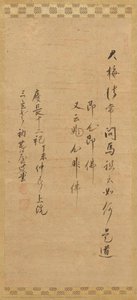
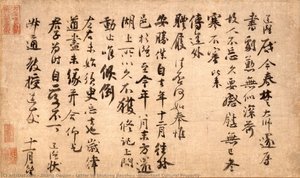
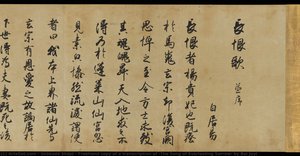
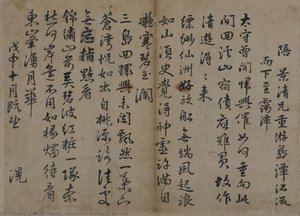
Artist Biography
The Journey of Lanxi Daolong: Bridging Cultures Through Zen
Lanxi Daolong, a name resonating with the quiet power of enlightenment, stands as a pivotal figure in the transmission of Chan (Zen) Buddhism from China to Japan. Born Ran Xī in 1213 in the verdant province of Sichuan during the Southern Song dynasty, his life was not one of worldly ambition but an unfolding quest for spiritual understanding. From a young age, he demonstrated a profound inclination towards monastic life, entering Daci Temple at the tender age of thirteen. This marked the beginning of a rigorous journey through the intricacies of Chan practice, guided by esteemed masters like Wuzhun Shifan and Chijue Daochong. He wasn’t merely absorbing doctrine; he was immersing himself in a tradition demanding direct experience, a path that would ultimately lead him across the seas to shape the religious landscape of Japan.
The 13th century was a period of dynamic cultural exchange between China and Japan, particularly during the Kamakura shogunate. Japan, seeking spiritual grounding amidst political upheaval, eagerly received Buddhist teachings from the mainland. It was in this context that Lanxi Daolong answered the call to travel eastward in 1246, embarking on a voyage with his disciples and sacred images intended to inspire faith. His arrival in Hakata, Kyushu, quickly drew attention, and he soon found himself invited by Hōjō Tokiyori, the powerful regent of Japan, to establish a Zen presence within the nation’s borders. This invitation wasn't simply about religious patronage; it reflected a genuine desire for the discipline and philosophical depth that Chan Buddhism offered.
Founding Kenchō-ji: A Bastion of Rinzai Zen
Lanxi Daolong’s most enduring legacy lies in the founding of Kenchō-ji temple in Kamakura in 1253. This wasn't merely the construction of a building; it was the creation of a spiritual center, the first official Rinzai Zen monastery in Japan. He meticulously implemented strict monastic codes – the *qinggui* – emphasizing rigorous meditation practice and direct transmission of enlightenment. Kenchō-ji became a crucible for training a new generation of monks, instilling within them the core tenets of Rinzai Zen: sudden awakening, koan study, and an unwavering focus on present moment awareness. The temple’s architecture itself reflected this ethos – simple, austere, designed to minimize distraction and facilitate inner contemplation.
However, his influence didn't stop there. In 1265, he undertook the reformation of Kennin-ji in Kyoto, transforming it from a hybrid Tendai-Zen institution into a pure Zen temple. This undertaking wasn’t without its challenges; false accusations of espionage during a period of heightened sensitivity towards Mongol expansion led to a temporary exile. Yet, his resilience and unwavering commitment to Zen ultimately prevailed, allowing him to return to Kenchō-ji and continue guiding his disciples until his death in 1278.
Calligraphy as Spiritual Practice
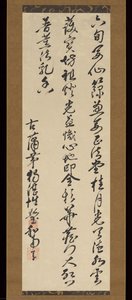
Beyond his role as an abbot and reformer, Lanxi Daolong was a celebrated calligrapher. His works weren’t simply aesthetically pleasing; they were considered embodiments of Zen principles. His most famous contribution in this realm is the *Rule of Zen* (法语规则), a set of guidelines for monastic conduct and spiritual practice expressed through elegant brushstrokes. The calligraphy itself became a meditative act, each character imbued with intention and reflecting his deep understanding of Chan philosophy. It wasn’t about replicating forms but expressing the essence of enlightenment through artistic expression.
The reverence for Lanxi Daolong extended beyond his lifetime. Emperor Go-Uda bestowed upon him the posthumous name Dajue Zenji (Great Enlightenment Zen Master), solidifying his place as a foundational figure in Japanese Rinzai Zen. The Daikaku lineage, stemming from his teachings, continues to thrive today, demonstrating the enduring impact of his vision.
A Lasting Legacy: Sino-Japanese Cultural Exchange
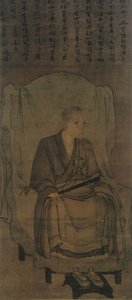
Lanxi Daolong’s significance transcends religious boundaries. He was a vital conduit in the flourishing of Sino-Japanese cultural exchange during the 13th century. His journey wasn't just about introducing Zen Buddhism; it was about fostering mutual understanding and enriching both cultures through shared spiritual insights. The seated statue of Lanxi Daolong at Kenchō-ji, designated an Important Cultural Property, serves as a tangible reminder of his presence and influence. His teachings, calligraphy, and the very existence of Kenchō-ji continue to inspire generations of Zen practitioners and scholars alike.
Major Achievements:
- Founded Kenchō-ji, the first Rinzai Zen monastery in Japan.
- Reformed Kennin-ji temple into a pure Zen institution.
- Authored *Zazenron* (Treatise on Sitting Meditation), a key text for Zen practice.
- Created influential calligraphy, including the *Rule of Zen*.
- Established the Daikaku lineage within Japanese Rinzai Zen.
Lanxi Daolong’s life embodies the power of cross-cultural dialogue and the enduring quest for enlightenment. His story is a testament to the transformative potential of Zen Buddhism and its ability to bridge divides, inspire contemplation, and shape the spiritual landscape of nations.
lanxi daolong
1213 - 1278 , China
Quick Facts
- Artistic Movement Or Style: Zen Buddhism, Calligraphy
- Artists Or Movements Influenced By This Artist:
- Rinzai Zen
- Sino-Japanese culture
- Artists Who Influenced This Artist:
- Wuzhun Shifan
- Chijue Daochong
- Date Of Birth: 1213
- Date Of Death: 1278
- Full Name: Lanxi Daolong
- Nationality: Chinese
- Notable Artworks:
- Zazenron
- Rule of Zen
- Place Of Birth: Lanxi, China

