

 Preview
 Send
Send Share
Share
 Details

 Download
 Similars
 X-Ray
X-Ray Diaporama
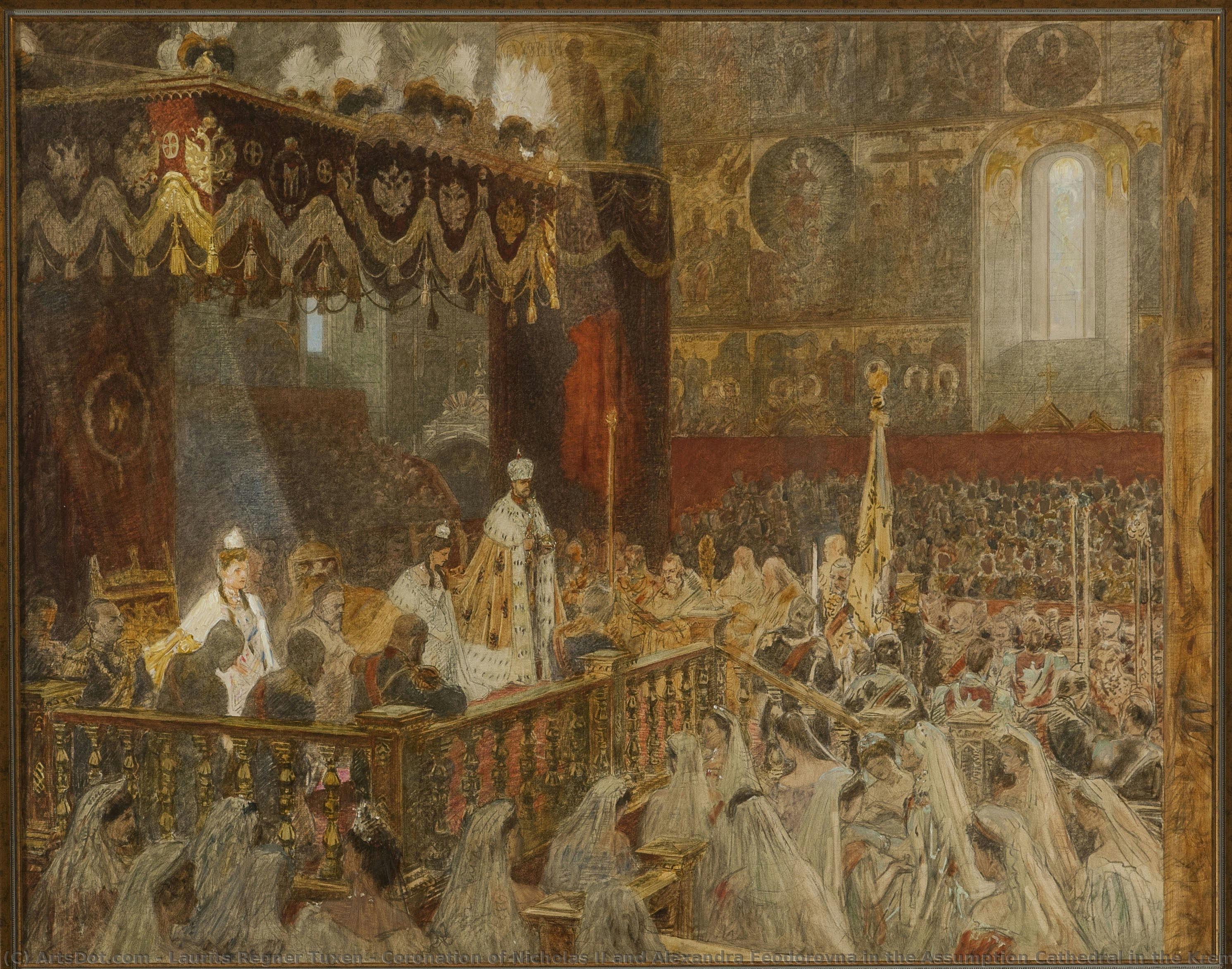
Coronation of Nicholas II and Alexandra Feodorovna in the Assumption Cathedral in the Kremlin on 14 (26) May 1896.


 Read More
Purchase a high-resolution, enhanced digital image, far superior to the online preview.
Each file is meticulously prepared by our in-house specialists using advanced tools and expert manual retouching. We ensure every image has exceptional clarity, precise color accuracy, and fine detail.
The final file is delivered via email within 72 hours, optimized for immediate use in professional, editorial, and print environments. This is the same quality trusted by top-tier design studios, publishers, and galleries.
Digital Image
Download a high-resolution file for personal display, printing, and creative projects. ( Buy Print Buy Hand Made Painting)
Included in Every Digital Image Order
Expert Digital Delivery, Guaranteed
When you choose ArtsDot.com, you're not just getting an image - you're receiving a professionally enhanced digital artwork, crafted with precision and backed by a satisfaction guarantee. Here's everything that comes with your order, automatically:

Fast Email Delivery
Your high-resolution digital image file will be emailed to you within 72 hours of ordering - ready for immediate use.

AI-Enhanced Digital File
Your artwork is professionally optimized using advanced AI tools and manual editing, ensuring maximum detail, clarity, and color accuracy.

Free Lifetime Re-Delivery
Accidentally deleted or lost your file? No worries - we'll resend it to you anytime, free of charge.

No Import Fees - Ever
Enjoy your artwork instantly with zero customs, duties, or delivery fees - digital downloads are always tax-free.

Color Accuracy Guarantee
We ensure your digital image reflects the original colors as closely as possible using professional tools and color management.

60-Day Satisfaction Guarantee
If you're not satisfied with your digital image, we'll revise it or refund 100% within 60 days - no questions asked.

100% Money-Back Guarantee
Not satisfied? Get a full refund within 60 days of receiving your digital file - no questions asked.

Bulk Order Discounts
Buy 3 images, save 10% - Buy 5, save 15% - Buy 10+, save 20%. Great for creative projects, galleries, and agencies.
A Grand Spectacle of Imperial Russia: The Coronation of Nicholas II
Laurits Regner Tuxen’s monumental oil painting, “Coronation of Nicholas II and Alexandra Feodorovna in the Assumption Cathedral in the Kremlin on 14 (26) May 1896,” offers a breathtaking glimpse into a pivotal moment in Russian history – the formal coronation of its young Tsar and Tsarina. Executed with meticulous detail and imbued with a palpable sense of ceremony, this artwork transcends mere documentation; it’s a powerful tableau capturing the grandeur, solemnity, and burgeoning optimism associated with the Romanov dynasty at the close of the 19th century.
- Subject Matter: The scene unfolds within the iconic Assumption Cathedral in the Kremlin, the heart of Russian power. Tuxen masterfully depicts the key figures – Nicholas II, resplendent in his imperial regalia, and Alexandra Feodorovna, radiating grace and devotion – as they are formally crowned. Surrounding them is a carefully orchestrated gathering of dignitaries, clergy, and attendees, each contributing to the overwhelming sense of occasion.
- Style & Technique: Tuxen’s style is firmly rooted in the academic tradition, heavily influenced by French Neoclassicism. His brushwork is precise and controlled, creating a remarkably realistic depiction of textures – from the velvet robes and jeweled crowns to the intricate stonework of the cathedral itself. The use of light and shadow is particularly effective, highlighting key figures and adding depth to the composition.
Historical Context & Imperial Symbolism
Painted in 1896, this artwork immediately speaks to the anxieties and aspirations surrounding the reign of Nicholas II. The coronation itself was a carefully staged event designed to solidify the Tsar’s authority and project an image of stability after a period of political unrest. The Assumption Cathedral, with its rich history dating back to the 15th century, served as a potent symbol of Russian Orthodoxy and imperial power. Tuxen's choice to depict this specific moment underscores the importance placed on tradition and religious faith within the Romanov regime.
- Symbolism: The scepter held by Nicholas II represents his divine right to rule, while Alexandra’s presence embodies her role as a pious and devoted wife. The architecture of the cathedral itself – with its soaring arches and intricate mosaics – symbolizes the enduring strength and spiritual foundation of Russia.
- The Skagen Connection: Interestingly, Tuxen's artistic journey included periods spent in Skagen, Denmark, a location known for its dramatic light and atmospheric conditions. While this particular work is firmly rooted in academic style, the influence of his time at Skagen can be detected in his careful observation of light and shadow, contributing to the painting’s overall realism.
Emotional Impact & Artistic Legacy
“Coronation of Nicholas II” is more than just a historical record; it's an emotionally resonant portrayal of power, faith, and ceremony. Tuxen skillfully captures the solemnity of the occasion, inviting the viewer to share in the grandeur of the spectacle. The painting’s scale – likely substantial given its subject matter – further enhances this immersive experience. Laurits Regner Tuxen’s work remains a significant example of 19th-century Russian art, demonstrating his mastery of portraiture and historical narrative.
- Intended Audience: Originally commissioned to commemorate the event, the painting would have been intended for display within the Imperial collections, serving as a visual testament to the Romanov dynasty’s legitimacy.
- Reproduction Value: ArtsDot offers a meticulously crafted hand-painted reproduction of this iconic artwork, allowing you to bring its grandeur and historical significance into your own space. The detail and color accuracy of our reproductions ensure that you experience the full impact of Tuxen's masterpiece.
Related Artworks


Artist Biography
Laurits Regner Tuxen: A Life in Portraiture and Light
Early Life and Education
- Born on December 9, 1853, in Copenhagen, Denmark, Laurits Regner Tuxen came from a family with strong ties to the Danish navy. His father, Nicolai Elias Tuxen, was a naval officer and director of the Danish naval shipyard.
- His sister, Nicoline Tuxen, was also an artist specializing in still life and flower painting.
- From 1868 to 1872, Tuxen studied at the Royal Danish Academy of Art alongside Peder Severin Krøyer, a fellow artist who would become closely associated with the Skagen Painters.
- He further honed his skills in Paris under the tutelage of Léon Bonnat from 1875 to 1876 and again from 1877 to 1878.
Association with Skagen and Early Career
- Tuxen first visited Skagen in 1870, a coastal town in Denmark that became a haven for artists seeking to capture the unique light and atmosphere of the region. He returned several times throughout his career.
- During the 1880s and 1890s, Tuxen’s talent gained recognition among European royalty, leading to commissions for portraits of Christian IX of Denmark and Queen Victoria, amongst others.
Artistic Style and Notable Works
- Tuxen's artistic style is characterized by his ability to create lively and well-characterized portraits, capturing the personality and essence of his subjects.
- His self-portrait, housed in the Uffizi Gallery in Florence, is a testament to his skill as a portraitist.
- He also created compelling group portraits, such as one depicting P.S. Krøyer and Michael Ancher, both prominent figures within the Skagen community.
- His landscapes, particularly those of Skagen, are notable for their vibrant use of color and light, reflecting the influence of his surroundings.
- A significant work is his depiction of the Coronation of Nicholas II and Alexandra Feodorovna, showcasing his ability to capture grand historical events.
Leadership and Influence
- In 1882, Tuxen played a pivotal role in establishing Kunstnernes Frie Studieskoler (The Free Artists’ Study School) in Copenhagen. He served as its first director, offering an alternative to the traditional education provided by the Royal Danish Academy of Fine Arts.
- This school fostered a more independent and experimental approach to art making.
Later Life and Legacy
- Tuxen continued to paint throughout his life, exploring both portraiture and landscape painting. He purchased a stately summer residence in Skagen, further solidifying his connection to the region.
- He died on November 21, 1927, in Copenhagen, leaving behind a rich artistic legacy.
- His works are held in prestigious collections such as the Hermitage in St. Petersburg, the Royal Collection of England, the Ny Carlsberg Glyptotek and Statens Museum for Kunst in Copenhagen, and Skagens Museum.
- A major exhibition dedicated to his work, “Farver, friluft og fyrster” (Colour, Countryside and Crown), was held at Skagens Museum in 2014, reaffirming his importance within Danish art history.
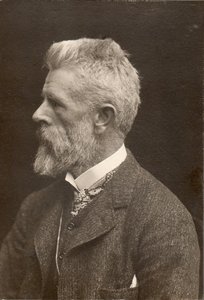
laurits regner tuxen
1853 - 1927 , Denmark
Quick Facts
- Birth Date: 1853-12-09
- Birth Place: Copenhagen, Denmark
- Death Date: 1927-11-21
- Influenced By: Léon Bonnat, Peder Severin Krøyer
- Movement: Skagen Painters, Figure painting
- Name: Laurits Regner Tuxen
- Nationality: Danish
- Notable Works: Coronation of Nicholas II and Alexandra Feodorovna, Self-Portrait (Uffizi)

