

 Preview
 Send
Send Share
Share
 Details

 Download
 Similars
 X-Ray
X-Ray Diaporama
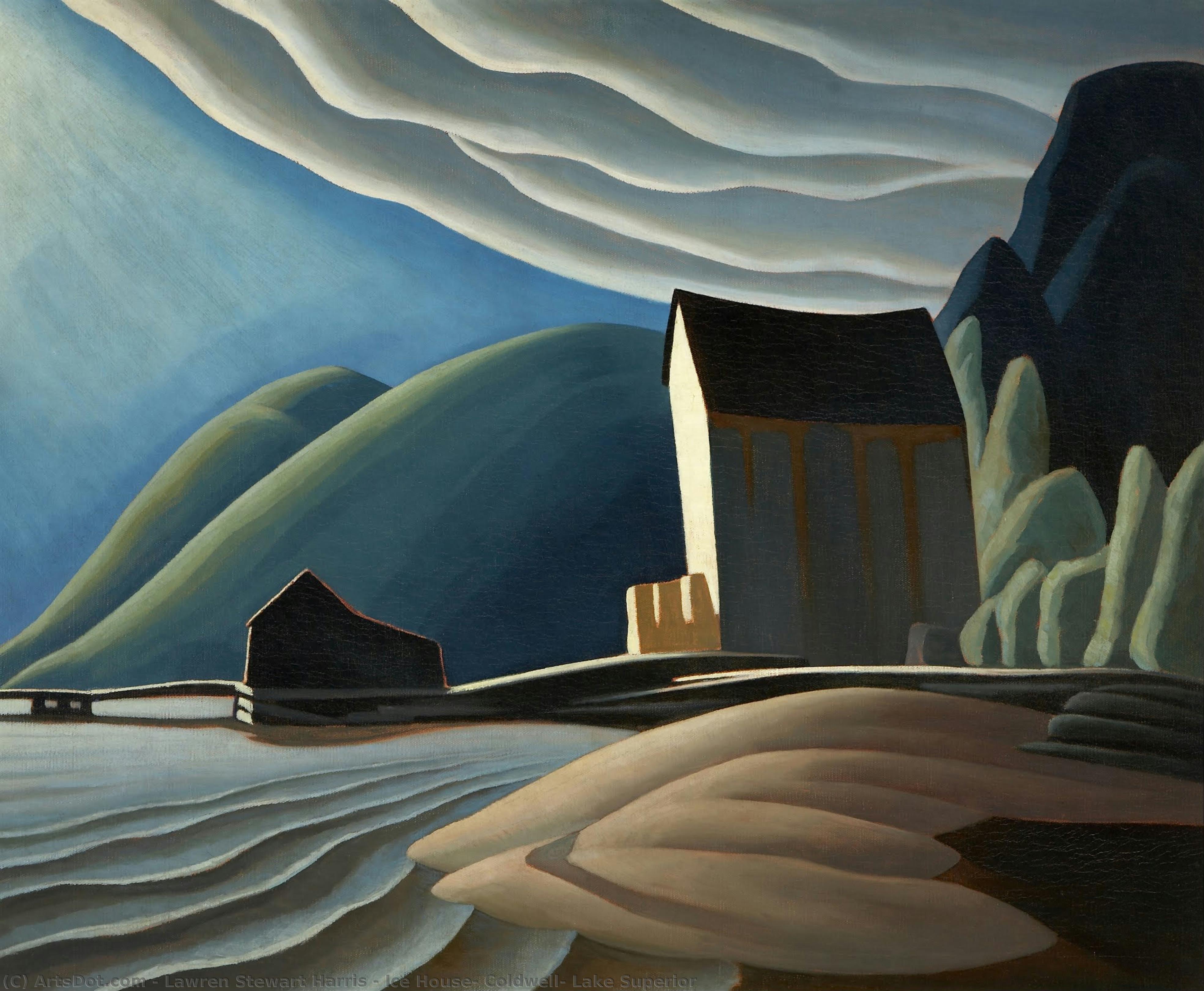
Ice House, Coldwell, Lake Superior


 Read More
Purchase a high-resolution, enhanced digital image, far superior to the online preview.
Each file is meticulously prepared by our in-house specialists using advanced tools and expert manual retouching. We ensure every image has exceptional clarity, precise color accuracy, and fine detail.
The final file is delivered via email within 72 hours, optimized for immediate use in professional, editorial, and print environments. This is the same quality trusted by top-tier design studios, publishers, and galleries.
Digital Image
Download a high-resolution file for personal display, printing, and creative projects. ( Buy Print Buy Hand Made Painting)
Included in Every Digital Image Order
Expert Digital Delivery, Guaranteed
When you choose ArtsDot.com, you're not just getting an image - you're receiving a professionally enhanced digital artwork, crafted with precision and backed by a satisfaction guarantee. Here's everything that comes with your order, automatically:

Fast Email Delivery
Your high-resolution digital image file will be emailed to you within 72 hours of ordering - ready for immediate use.

AI-Enhanced Digital File
Your artwork is professionally optimized using advanced AI tools and manual editing, ensuring maximum detail, clarity, and color accuracy.

Free Lifetime Re-Delivery
Accidentally deleted or lost your file? No worries - we'll resend it to you anytime, free of charge.

No Import Fees - Ever
Enjoy your artwork instantly with zero customs, duties, or delivery fees - digital downloads are always tax-free.

Color Accuracy Guarantee
We ensure your digital image reflects the original colors as closely as possible using professional tools and color management.

60-Day Satisfaction Guarantee
If you're not satisfied with your digital image, we'll revise it or refund 100% within 60 days - no questions asked.

100% Money-Back Guarantee
Not satisfied? Get a full refund within 60 days of receiving your digital file - no questions asked.

Bulk Order Discounts
Buy 3 images, save 10% - Buy 5, save 15% - Buy 10+, save 20%. Great for creative projects, galleries, and agencies.
Collectible Description
A Vision of Canadian Minimalism
In the quietude of 1923, Lawren Stewart Harris captured a moment of profound stillness that would forever alter the trajectory of Canadian art. Ice House, Coldwell, Lake Superior is far more than a mere landscape; it is a spiritual manifesto rendered in oil. At its heart, the painting presents a solitary structure nestled against the rugged, glacial shoreline of Lake Superior, where the icy expanse of the water meets the stoic presence of towering pines and ancient rocks. Harris does not simply depict a scene from the Ontario wilderness; he distills the very essence of the North, stripping away the unnecessary to reveal a landscape that feels both primordial and deeply meditative. For the discerning collector, this work offers a window into a period where art transitioned from the decorative flourishes of European Impressionism toward a rugged, uniquely Canadian idiom defined by stark simplicity and contemplative observation.
The composition is a masterclass in the power of the sublime. Harris utilizes the vastness of Lake Superior to evoke that overwhelming sense of awe—the feeling of standing before an infinite, untamed force. The icy expanse dominates the frame, acting as a mirror to the sky and grounding the viewer in a world where nature is the ultimate protagonist. There is a rhythmic balance between the solid, textured permanence of the rocks and the ethereal, shifting atmosphere of the clouds above. This interplay creates a sense of depth that draws the eye inward, inviting the observer to lose themselves in the quiet drama of the boreal forest. It is an ideal piece for those seeking to introduce a sense of calm, strength, and intellectual depth into a sophisticated interior space.
Technique and the Soul of Color
To understand the emotional resonance of this masterpiece, one must look closely at Harris’s meticulous application of technique. Drawing inspiration from tonal painting, Harris moved away from vibrant, clashing hues in favor of a restrained and sophisticated palette. He employs muted blues, slate greys, and earthy browns to build an atmosphere that feels heavy with moisture and cold. This deliberate limitation of color serves a higher purpose: it directs the viewer's attention to the subtle variations in tone that define the landscape's form. Through these gradations, the artist creates a palpable sense of light and shadow, making the frozen surfaces of the ice house and the rugged bark of the pines feel almost touchable.
The texture of the work adds a layer of physical presence that is essential to its impact. Harris utilized thick, deliberate brushstrokes to ground the viewer’s gaze, providing a sense of weight to the geological elements of the scene. This tactile quality prevents the minimalism from feeling hollow; instead, it feels substantial and enduring. For interior designers, this painting provides a magnificent focal point that balances modern minimalist aesthetics with a rich, historical texture. It possesses the rare ability to anchor a room, providing a sophisticated backdrop that complements both contemporary architectural lines and more traditional, classic decor.
A Legacy of Identity and Spirit
Historically, Ice House, Coldwell, Lake Superior represents a pivotal moment in the formation of the Group of Seven. Harris, along with his contemporaries, sought to break free from the colonial shadows of Europe to find a visual language that spoke to the Canadian soul. The choice of Coldwell as a subject was not accidental; the landscape itself is imbued with symbolic significance, representing the vastness of the wilderness and an enduring connection to the land's ancient history. By focusing on the "purity" of the scene, Harris achieved a form of modernism that felt deeply rooted in the earth.
Owning a high-quality reproduction of this work allows one to bring this piece of Canadian heritage into the home. It is an investment in atmosphere—a way to invite the quiet majesty of the Great Lakes into a living space. Whether placed in a sunlit gallery or a moody, darkened study, the painting continues to perform its original task: to act as a meditation on the beauty of the natural world and the enduring strength of the spirit. It remains an evocative choice for anyone looking to decorate with intention, seeking art that offers not just visual pleasure, but a profound sense of peace and permanence.
Related Artworks
Artist Biography
A Pioneer of the Canadian Spirit: The Life and Art of Lawren Stewart Harris
Lawren Stewart Harris, born in Brantford, Ontario, in 1885, wasn’t merely a painter; he was an architect of Canadian identity. Emerging from a privileged background – his family's wealth stemming from the Massey-Harris agricultural machinery empire – Harris possessed the financial freedom to dedicate himself wholly to artistic exploration. This independence allowed him to forge a path distinct from European traditions, becoming a pivotal figure in defining a uniquely Canadian aesthetic. From an early age, he demonstrated a keen interest in art, pursuing formal training first in Berlin and then returning to Canada with a broadened perspective, yet one that would soon be redirected towards capturing the essence of his homeland.
Harris’s artistic journey truly ignited with his involvement in the formation of the Group of Seven. This collective of artists – including J.E.H. MacDonald, Franklin Carmichael, and A.Y. Jackson – shared a revolutionary vision: to move beyond imitation of European styles and depict the raw, untamed beauty of the Canadian landscape with bold originality. Harris wasn’t simply a member; he was a catalyst, providing both financial support and intellectual leadership that propelled the group forward. He believed in a spiritual connection to the land, viewing the vast forests, rugged mountains, and icy northern expanses as subjects worthy of profound artistic reverence.
The Evolution of Style: From Impressionism to Abstraction
Harris’s style underwent a remarkable transformation throughout his career. Initially influenced by Impressionism and Post-Impressionism acquired during his European studies, his early works displayed a vibrant palette and a focus on capturing light and atmosphere. However, this approach soon gave way to something far more distinctive. Inspired by the stark beauty of Algoma and later, the dramatic landscapes of Lake Superior and the Arctic, Harris began to simplify his compositions, reducing forms to their essential geometric shapes and employing a restrained color scheme. This wasn’t merely an aesthetic choice; it was a deliberate attempt to convey the spiritual power and enduring quality of the Canadian wilderness.
The 1920s marked a period of radical experimentation for Harris. He increasingly moved towards abstraction, stripping away representational details in favor of conveying emotional and symbolic meaning through color, line, and form. Notably, he even ceased signing and dating his works, believing that the art should stand on its own merit, unburdened by the artist’s identity or historical context. This bold move underscored his commitment to a purely visual experience, inviting viewers to engage with the paintings on a deeper, more intuitive level. Later in life, Harris embraced complete abstraction, co-founding the Transcendental Painting Group in New Mexico and exploring non-objective art that sought to express universal spiritual truths.
Legacy and Impact: A Lasting Impression
Lawren Harris’s contributions to Canadian art are immeasurable. As a founding member of the Group of Seven, he played an instrumental role in establishing Canada's first internationally recognized modern art movement. His paintings not only captured the physical beauty of the landscape but also evoked a sense of national pride and identity. He helped Canadians see their own country with new eyes, recognizing its unique character and spiritual significance.
Beyond his artistic achievements, Harris was a dedicated advocate for Canadian culture. He actively promoted the work of other artists and championed the importance of art education. His influence extended beyond painting, inspiring generations of artists to explore their own creative visions and embrace the challenges of forging a distinctly Canadian voice in the global art world.
In 1969, Harris was rightfully honored as a Companion of the Order of Canada, recognizing his lifetime dedication to artistic excellence and his profound impact on the nation’s cultural landscape. His works continue to be exhibited in major museums across Canada and internationally, ensuring that his legacy endures for generations to come. To experience the power of Lawren Harris is to connect with the very soul of Canada – a land of vastness, beauty, and enduring spirit.
- Notable Works: “Above Lake Superior” (1922), “Algoma Country,” “Houses, Chestnut Street”, "Northern Lake", "Mountains, Moraine Lake".
- Further Exploration: Discover more about Lawren Harris on Wikipedia and explore the collection at The McMichael Canadian Art Collection.
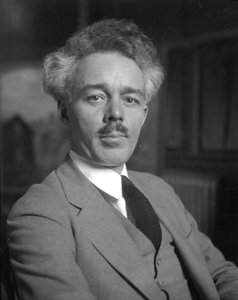
Lawren Stewart Harris
1885 - 1970 , Canada
Quick Facts
- Artistic Movement Or Style: Group of Seven, Minimalism
- Artists Or Movements Influenced By This Artist: ['Canadian Modern Art']
- Date Of Birth: October 23, 1885
- Date Of Death: January 29, 1970
- Full Name: Lawren Stewart Harris
- Nationality: Canadian
- Notable Artworks:
- Above Lake Superior
- Algoma Country
- Houses, Chestnut Street
- Northern Lake
- Place Of Birth: Brantford, Canada

