 Preview
 Send
Send Share
Share
 Details

 Download
 Similars
 X-Ray
X-Ray Diaporama
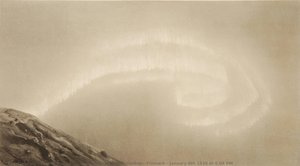
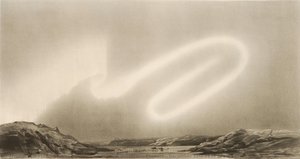
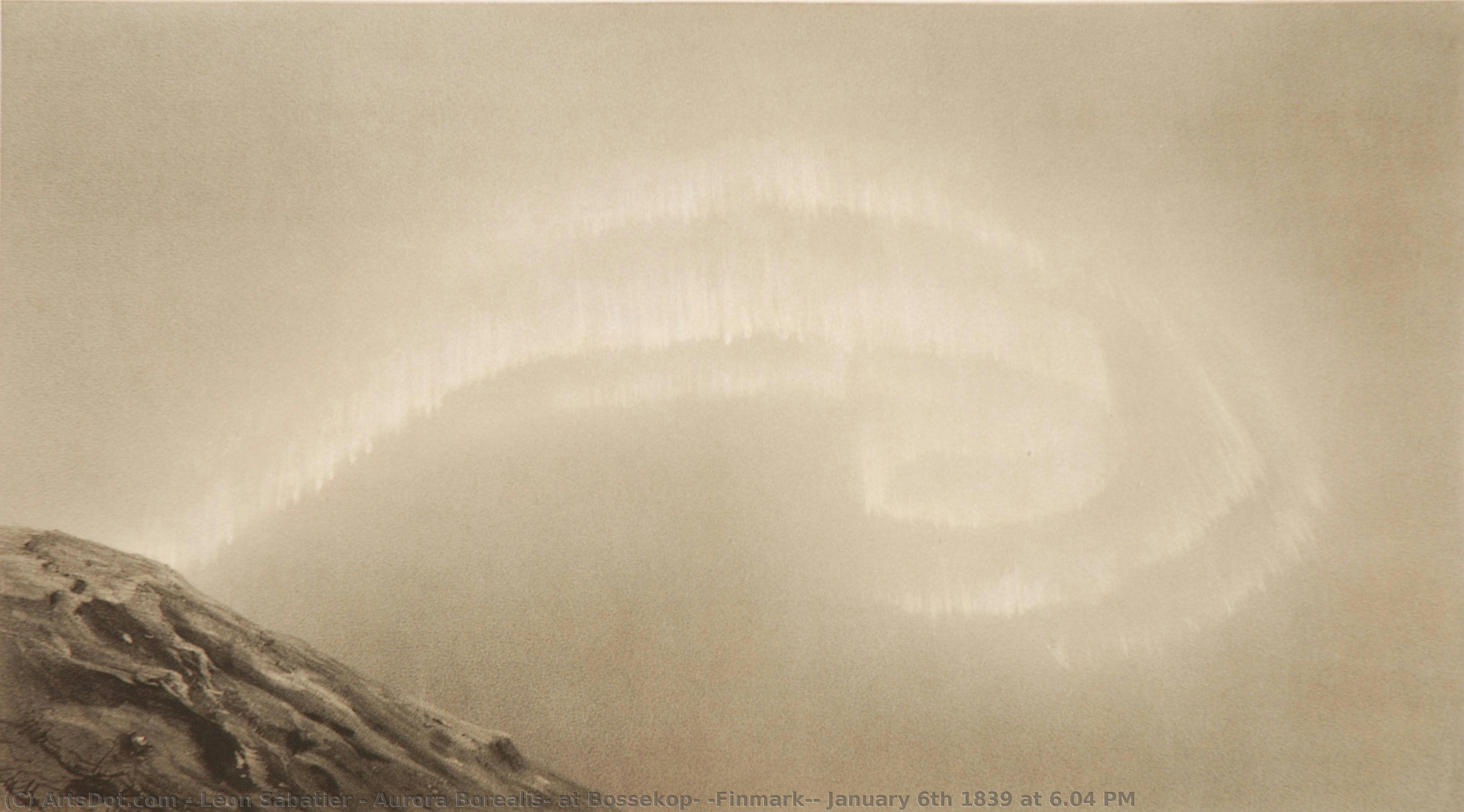
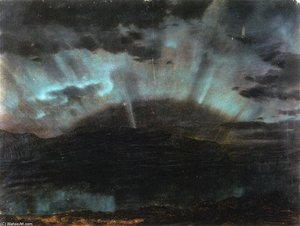
Aurora Borealis, at Bossekop, (Finmark), January 6th 1839 at 6.04 PM
 Documentary Photography
 23.0 x 42.0 cm
 Nordnorsk Kunstmuseum
 Read More
Giclée / Art Print
Museum-quality giclée or canvas print with fast production and flexible finish options. ( Buy Hand Made Painting Buy Image)




































Pick from our preset sizes that match the artwork's original proportions.

You may enter your own dimensions to fit a specific frame or space. If your selected size does not match the original image's proportions, we will either crop the artwork or extend the image with a mirrored or solid-fill edge. A digital mockup will be sent for your approval before production begins.
Please note that the on-screen preview does not reflect the actual cropping or extension. Only the mockup will accurately show the final composition.
While custom sizes are available, we recommend selecting a dimension from the predefined list to preserve the original proportions.
Worldwide Delivery () in 2 weeks instead of standard 4/5 weeks. (23 August)

Free Worldwide Express Shipping

High-Quality Linen Canvas

Full Shipping Insurance

Customs Tax Refund Guarantee

True Color Matching Guarantee

60-Day Return Policy (Defects Only)

100% Money-Back Guarantee

Bulk Discount Offer
 Glass option is only available in size under 110 CM

Aurora Borealis, at Bossekop, (Finmark), January 6th 1839 at 6.04 PM
Giclée / Art Print
Reproduction Size
-


Total Price
$ 63
Collectible Description
Related Artworks
Artist Biography
Grant Wood: A Portrait of Rural America
Grant Wood, born on February 13, 1891, in Anamosa, Iowa—a small town steeped in the traditions of the Midwest—was more than just an artist; he was a chronicler of his region’s soul. His life unfolded against the backdrop of a rapidly changing America, and his art became a powerful distillation of rural values, quiet dignity, and a yearning for a simpler past. His early years were marked by hardship following his father's death in 1901, forcing his family to relocate to Cedar Rapids, a shift that undoubtedly shaped his perspective on the fragility of life and the importance of community. This move instilled within him a deep appreciation for the resilience of those who remained rooted in their land. Wood’s artistic journey began with a summer term at the Minneapolis School of Design, Handicraft, and Normal Art, where he was profoundly influenced by Ernest A. Batchelder's advocacy for the arts and crafts movement and its emphasis on handcrafted beauty. This early exposure to traditional techniques would later inform his distinctive style. Further study in life drawing at the University of Iowa and at the School of Design solidified his foundational skills, preparing him for a career dedicated to capturing the essence of American rural life.- Early Influences: Batchelder’s Arts & Crafts movement, traditional techniques, and a deep connection to the Midwest landscape were pivotal in shaping Wood's artistic vision.
- Formal Training: His studies at Minneapolis and Iowa provided him with essential skills in drawing and design.
The Regionalist Movement and "American Gothic"
Wood’s work is inextricably linked to the rise of the Regionalist movement in American art during the 1930s. Rejecting the cosmopolitanism of European modernism, Regionalists sought to depict the authentic experiences and landscapes of their own regions—in Wood's case, the heartland of America. He aimed to portray a dignified and honest representation of rural life, free from romanticized notions or sentimental embellishments. This approach was directly influenced by the works of Paul Gauguin, whose exploration of primitive cultures and rejection of academic conventions resonated deeply with Wood’s desire for artistic independence. However, unlike Gauguin's exotic voyages, Wood remained firmly rooted in his own region, meticulously observing and documenting its people, customs, and landscapes. The culmination of this dedication arrived in 1930 with the creation of *American Gothic*, arguably the most iconic image of American rural life. Initially intended as a satirical commentary on the perceived narrow-mindedness of rural communities, the painting quickly transcended its initial intent to become a symbol of American values—strength, resilience, and a quiet stoicism in the face of adversity.- Regionalism: Wood’s work is central to this movement's focus on authentic regional representation.
- Gauguin’s Influence: Gauguin’s rejection of academic art provided a crucial precedent for Wood’s artistic independence.
- American Gothic: This painting became an enduring symbol of American values and rural life, initially intended as satire.
Key Works and Artistic Style
Wood's oeuvre extends far beyond *American Gothic*, encompassing a diverse range of subjects and styles. His paintings often feature meticulously rendered figures—farmers, homemakers, and ordinary people—set against the backdrop of vast, open landscapes. He employed a precise, almost photographic realism, capturing not just the outward appearance but also the underlying dignity and character of his subjects. The use of muted colors and subtle tonal variations created a sense of quiet contemplation and understated beauty. Notable works include *Shrine Quartet* (1939), a powerful depiction of a rural family gathered for Sunday service; *July Fifteenth* (1938), which captures the solemnity of a harvest celebration; and *Tree Planting* (1937), illustrating the communal effort of planting trees—a symbolic gesture of hope and renewal. Throughout his career, Wood consistently demonstrated an unwavering commitment to portraying the complexities and virtues of rural America with remarkable honesty and sensitivity.- Precise Realism: Wood’s paintings are characterized by meticulous detail and a photographic quality.
- Muted Colors: He favored subtle tonal variations and a restrained palette, creating an atmosphere of quiet contemplation.
- Notable Works: *Shrine Quartet*, *July Fifteenth*, and *Tree Planting* exemplify his distinctive style and thematic concerns.
Legacy and Historical Significance
Grant Wood’s work continues to resonate deeply with audiences today, not simply as representations of a bygone era but as reflections on the enduring values of American rural life. His art offers a poignant reminder of the importance of community, tradition, and connection to the land—themes that remain remarkably relevant in an increasingly urbanized world. Wood’s influence extends beyond his own artistic output; he played a significant role in shaping the Regionalist movement and inspiring generations of artists to explore their own regional identities. His legacy is secured not only through his iconic paintings but also through the scholarly attention he has received—evident in biographies, exhibitions, and critical analyses that illuminate the complexities of his life and work. Grant Wood’s art stands as a testament to the power of observation, honesty, and a deep appreciation for the beauty and resilience of the American heartland.- Enduring Relevance: His themes—community, tradition, and connection to the land—remain vital today.
- Regionalist Influence: He played a key role in shaping this influential movement.
- Scholarly Recognition: Extensive research and critical analysis have solidified his place in art history.
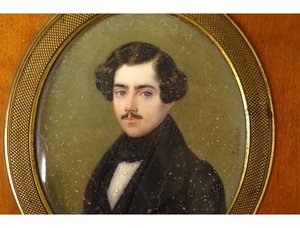
léon sabatier
1891 - 1965 , France
Quick Facts
- Artistic Movement Or Style: Regionalism
- Artists Or Movements Influenced By This Artist: ['American Gothic']
- Artists Who Influenced This Artist: ['Paul Gauguin']
- Date Of Birth: February 13, 1891
- Date Of Death: 1965
- Full Name: Grant Wood
- Nationality: American
- Notable Artworks:
- Shrine Quartet
- July Fifteenth
- Tree Planting
- Place Of Birth: Anamosa, Iowa, USA
Related Articles

Pictorialism: A Search for Artistic Photography's Soul – Aesthetics, Techniques & Legacy
Explore the captivating world of Pictorialism – a pivotal movement that transformed photography into fine art. Discover key artists like Stieglitz & Käsebier, techniques, and collecting tips from experts.

Giclée Prints: Archival Quality & Aesthetic Nuances for the Discerning Collector
Explore the world of giclée prints with ArtsDot. Learn about archival quality, aesthetic nuances & investment potential. Expert guidance for discerning art collectors seeking museum-quality reproductions and lasting value.

Monochrome Visions: Exploring the Aesthetic & Historical Significance of Black & White Photography
Explore the rich history & artistic power of black and white photography. From early techniques to iconic masters like Ansel Adams, discover why monochrome continues to captivate art lovers today. Expert insights for collectors.

Echoes of Time: Exploring the Enduring Appeal & Historical Context of Vintage Art Prints
Explore the captivating world of vintage art prints! Discover their history, collecting tips & enduring appeal. Expert insights on chromolithography and building a legacy collection with ArtsDot.

Beyond the Lens: Photography's Enduring Influence on Modern & Contemporary Art
Explore photography's pivotal role in shaping modern & contemporary art. Discover key movements, influential artists like Stieglitz, and expert collecting advice from ArtsDot.