 Preview
 Send
Send Share
Share
 Details

 Download
 Similars
 X-Ray
X-Ray Diaporama
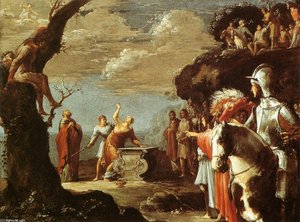
The Trials of Job
 Acrylic On Canvas
- WallArt
- 17th-Century Dutch Baroque
 1630
1630 400.0 x 310.0 cm
 Courtauld Gallery
 Read More
Giclée / Art Print
Museum-quality giclée or canvas print with fast production and flexible finish options. ( Buy Hand Made Painting Buy Image)




P118B $10

P118H $10

P118W $10

P438Z $10

P508JH $12

P508YH $12

P805H $10

P805Z $10

P919BZ $10

P919G $10

P919XJ $10

P959ZH $10

P968JZ $12

W106C $8

W218G $10

W218JH $8

W218Y $10

W307PJ $10

W316G $10

W316PJ $8

W316Y $10

W398PJ $8

W4111J $10

W500HY $15

W500JH $15

W692G $12

W849H $8

W940BG $15

W953PJ $8




Pick from our preset sizes that match the artwork's original proportions.

You may enter your own dimensions to fit a specific frame or space. If your selected size does not match the original image's proportions, we will either crop the artwork or extend the image with a mirrored or solid-fill edge. A digital mockup will be sent for your approval before production begins.
Please note that the on-screen preview does not reflect the actual cropping or extension. Only the mockup will accurately show the final composition.
While custom sizes are available, we recommend selecting a dimension from the predefined list to preserve the original proportions.
Worldwide Delivery () in 2 weeks instead of standard 4/5 weeks. (23 August)

Free Worldwide Express Shipping

High-Quality Linen Canvas

Full Shipping Insurance

Customs Tax Refund Guarantee

True Color Matching Guarantee

60-Day Return Policy (Defects Only)

100% Money-Back Guarantee

Bulk Discount Offer
 Glass option is only available in size under 110 CM

The Trials of Job
Giclée / Art Print
Reproduction Size
-


Total Price
$ 63
Collectible Description
A Testament to Faith: Unveiling Leonaert Bramer’s “The Trials of Job”
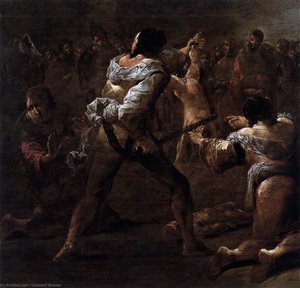
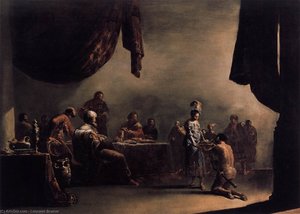
Leonaert Bramer's "The Trials of Job," painted in 1630, isn’t merely a depiction of the biblical narrative; it’s a profound meditation on suffering, faith, and the enigmatic nature of divine justice. This dramatic scene, rendered in the rich, dark palette characteristic of Bramer’s signature style – often dubbed “Leonardo della Notte” for his mastery of nocturnal illumination – immediately draws the viewer into a world steeped in atmosphere and psychological intensity. The painting captures a pivotal moment within the Book of Job, where the righteous man is subjected to unimaginable trials by God through Satan's machinations. It’s a scene brimming with unspoken anguish, yet also hinting at an underlying resilience.
At the heart of the composition stands Job himself, a figure of imposing stature and stark vulnerability. He kneels amidst a desolate landscape, his hands clasped in supplication as he holds aloft a massive stone – a symbol not just of physical burden but of the crushing weight of unanswered questions and profound despair. The two figures flanking him—a man on the left, seemingly offering silent support, and another further back on the right—suggest a community grappling with Job’s plight, yet unable to provide solace or understanding. Bramer masterfully uses chiaroscuro – the dramatic contrast between light and shadow – to heighten the emotional impact, focusing attention on Job's face, etched with sorrow and determination. The limited color palette, dominated by deep blues, browns, and blacks, contributes to a sense of foreboding and isolation, mirroring Job’s internal state.
The Masterstroke of the Night: Bramer’s Unique Artistic Vision
Bramer's artistic approach distinguished him significantly within the Dutch Golden Age. Unlike many of his contemporaries who favored bright daylight scenes or idealized portraits, he specialized in nocturnal landscapes and dramatic interiors, often infused with exotic details gleaned from his extensive travels throughout Italy and beyond. “The Trials of Job” exemplifies this distinctive style perfectly. The meticulously rendered textures – the rough stone, the worn clothing, the weathered landscape – speak to a deep understanding of material reality. Furthermore, Bramer’s use of perspective creates an illusionistic depth, drawing the viewer into the scene as if they are witnessing this agonizing moment firsthand. His technique involved layering thin glazes of oil paint, building up color and detail gradually, resulting in a luminous quality that is particularly evident in the depiction of light reflecting off the stone.
The painting’s historical context is crucial to understanding its significance. Created during the early 17th century, it reflects the intellectual currents of the time – a period marked by intense theological debate and a growing interest in human psychology. The Book of Job itself had been a subject of philosophical inquiry for centuries, prompting questions about the relationship between faith and reason, suffering and justice. Bramer’s interpretation aligns with this broader intellectual landscape, presenting Job not as a passive victim but as an active participant in his own ordeal, wrestling with his faith amidst unimaginable adversity.
Symbolism and Interpretation: Layers of Meaning
Beyond the literal depiction of the biblical story, “The Trials of Job” is rich in symbolic meaning. The stone represents not only Job’s physical burden but also the weight of unanswered questions and the challenge to reconcile faith with suffering. Job's posture—kneeling, hands raised—suggests a plea for understanding, a desperate attempt to connect with a seemingly silent God. The desolate landscape symbolizes the spiritual wasteland into which Job has been thrust, while the figures flanking him represent the limitations of human comfort and support in the face of such profound suffering.
The painting’s enduring power lies in its ability to evoke empathy and contemplation. It doesn't offer easy answers or simplistic resolutions; instead, it invites viewers to grapple with the complexities of faith, justice, and the human condition. Bramer’s masterful use of light, shadow, and composition creates a scene that is both visually arresting and emotionally resonant – a timeless testament to the enduring struggle between hope and despair.
A Timeless Masterpiece: Reproduction and Legacy
Reproductions of “The Trials of Job” offer a remarkable opportunity to experience Bramer’s artistic genius firsthand. Whether displayed in a grand salon or a smaller study, this painting commands attention with its dramatic intensity and profound emotional depth. Consider commissioning a hand-painted reproduction – a faithful recreation that captures the nuances of Bramer's original technique and palette. This ensures an authentic piece of art history, bringing the power and beauty of “The Trials of Job” into your home or office, serving as a constant reminder of the complexities of faith and the enduring strength of the human spirit.
Related Artworks
Artist Biography
A Life Illuminated: The World of Leonaert Bramer
Leonaert Bramer, a name resonating with the echoes of 17th-century Delft, was more than just a painter; he was an adventurer, innovator, and a pivotal figure in the Dutch Golden Age. Born in 1596, his life unfolded as a compelling narrative woven with extensive travel, artistic experimentation, and deep engagement within the vibrant cultural tapestry of his time. Bramer’s legacy isn't simply defined by the canvases he filled but by the unique perspective he brought to them – a penchant for dramatic nocturnal scenes infused with exotic details that set him apart from many of his contemporaries. He wasn’t merely depicting reality; he was crafting worlds steeped in atmosphere and intrigue, earning him the evocative moniker “Leonardo della Notte” or "Leonardo of the Night" during his sojourn in Italy.From Delft to Rome: A Journey of Artistic Formation
Bramer's artistic journey began with a bold departure from his native Delft at the tender age of eighteen, embarking on a grand tour that would shape his aesthetic sensibilities. This wasn’t a leisurely exploration but an immersive apprenticeship in the heart of European art centers. Passing through cities like Atrecht, Amiens, and Paris, he eventually arrived in Rome in 1616, a crucible for artistic ambition. There, he joined the ranks of the *Bentvueghels*, a society of Northern artists who adopted satirical nicknames and engaged in lively intellectual discourse. Bramer became known as “Nestelghat” (Fidget), hinting at a restless energy that permeated both his life and art. His time in Italy wasn’t without its clashes; accounts detail a physical altercation with the renowned Claude Lorraine, demonstrating a passionate spirit unafraid of confrontation. However, it was within this dynamic environment that Bramer honed his skills, mastering fresco painting – a technique relatively uncommon in Northern Europe – while absorbing the influence of masters like Adam Elsheimer and Agostino Tassi. He traveled extensively throughout Italy, visiting Mantua and Venice, each location adding another layer to his developing style.Return to Delft: Patronage, Innovation, and Artistic Versatility
Returning to Delft in 1628, Bramer seamlessly integrated into the local art scene, joining the Guild of Saint Luke in 1629. He quickly garnered patronage from prominent figures, including members of the House of Orange and influential local officials, securing a stable foundation for his artistic endeavors. But Bramer was no one-dimensional artist; he embraced diverse creative pursuits beyond painting. He designed intricate patterns for tapestry firms, creating works that adorned homes across the Netherlands. Furthermore, he undertook ambitious mural projects, employing illusionistic techniques to transform interior spaces into immersive environments. Sadly, many of these frescos were lost over time due to the harsh Dutch climate, but their existence testifies to Bramer’s remarkable versatility and willingness to push artistic boundaries. His unique style, characterized by a nervous energy and masterful depiction of light reflection, consistently favored Italianate themes over the more conventional Dutch landscapes or still lifes, marking him as an individualist within his milieu.A Mentor's Touch: Bramer’s Influence and Lasting Legacy
Bramer’s influence extended beyond his own artistic output. He is believed to have played a crucial role in the early career of Johannes Vermeer, defending the young artist when his future mother-in-law attempted to prevent his marriage. This act suggests a close relationship, leading many scholars to speculate that Bramer may have served as Vermeer’s teacher – though concrete evidence remains elusive. His intellectual curiosity was further demonstrated through the creation of the “Album Bramer” (1642-1654), a collection of drawings offering invaluable insights into the art collections and artistic practices prevalent in Delft during his time. Leonaert Bramer passed away in Delft before February 10, 1674, leaving behind a body of work that continues to captivate and intrigue. While his fame waned for a period after his death, recent scholarship has sparked renewed interest in his life and art, solidifying his position as an important – and often overlooked – figure in Dutch artistic history. He remains a testament to the power of individual vision and the enduring allure of a life lived in pursuit of artistic excellence.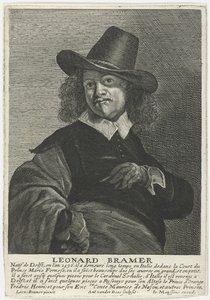
Leonaert Bramer
1596 - 1674 , Netherlands
Quick Facts
- Artistic Movement Or Style: Baroque
- Artists Or Movements Influenced By This Artist: ['Johannes Vermeer']
- Artists Who Influenced This Artist:
- Adam Elsheimer
- Agostino Tassi
- Date Of Birth: 1596
- Date Of Death: 1674
- Full Name: Leonaert Bramer
- Nationality: Dutch
- Notable Artworks:
- St Peter’s Denial
- Pashur Smiting Jeremiah
- The Judgment of Solomon
- Place Of Birth: Delft, Netherlands
Related Articles

Golden Age Reflections: Dutch Baroque Painting & Cultural Innovation
Explore the Dutch Golden Age of painting! Discover key artists like Vermeer & ter Borch, their innovative techniques, and the rich cultural context behind these Baroque masterpieces. Learn about collecting & appreciating this iconic art period.

Dutch Baroque Masters: 10 Paintings That Shaped an Era | ArtsDot
Journey through the Golden Age with our guide to the Top 10 Dutch Baroque masterpieces! Explore iconic paintings by Rembrandt, Vermeer & Frans Hals. Find museum-quality art reproductions and elevate your home decor at ArtsDot.com.

Dutch Masters: 10 Golden Age Paintings That Still Inspire |
Journey into the Dutch Golden Age! Explore 10 iconic paintings by Rembrandt, Vermeer & Hals. Discover the stories behind these Baroque masterpieces and find museum-quality art reproductions to elevate your home decor on .

Illuminating Innovation: Exploring the Dutch Golden Age of Painting
Explore the Dutch Golden Age of painting with ArtsDot. Discover Rembrandt, Vermeer & other Masters. Learn about key characteristics, iconic artworks, and lasting influence. Expert insights for collectors & enthusiasts.

Illuminating Realism: Exploring the Dutch Golden Age of Painting (1600-1700)
Explore the Dutch Golden Age of painting (1600-1700) with ArtsDot. Discover Rembrandt, Vermeer & other masters. Learn about techniques, history & find museum-quality reproductions.