 Preview
 Send
Send Share
Share
 Details

 Download
 Similars
 X-Ray
X-Ray Diaporama
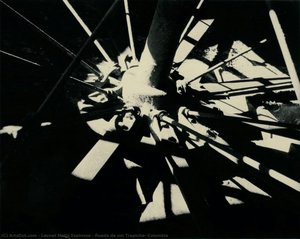
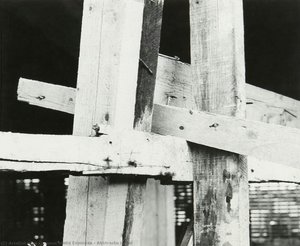
Rueda de um Trapiche, Colombia


 Read More
Hand Made Oil Reproduction
Hand-painted oil on canvas in your size and frame, made to order by our artists. ( Buy Print Buy Image)




P118B $10

P118H $10

P118W $10

P438Z $10

P508JH $12

P508YH $12

P805H $10

P805Z $10

P919BZ $10

P919G $10

P919XJ $10

P959ZH $10

P968JZ $12

W106C $8

W218G $10

W218JH $8

W218Y $10

W307PJ $10

W316G $10

W316PJ $8

W316Y $10

W398PJ $8

W4111J $10

W500HY $15

W500JH $15

W692G $12

W849H $8

W940BG $15

W953PJ $8




Pick from our preset sizes that match the artwork's original proportions.

You may enter your own dimensions to fit a specific frame or space. If your selected size does not match the original image's proportions, we will either crop the artwork or extend the painting with additional hand-painted elements. A digital mockup will be sent for your approval before production begins.
Please note that the on-screen preview does not reflect the actual cropping or extension. Only the mockup will accurately show the final composition.
While custom sizes are available, we recommend selecting a dimension from the predefined list to preserve the original proportions.
After order, ArtsDot.com team will email client for instructions and provide a mockup preview
Worldwide Delivery () in 3/4 weeks instead of standard 5 weeks. (23 August). No compromise on quality.

Free Worldwide Express Shipping

High-Quality Linen Canvas

Full Shipping Insurance

Customs Tax Refund Guarantee

True Color Matching Guarantee

60-Day Return Policy (Defects Only)

100% Money-Back Guarantee

Bulk Discount Offer
 Glass option is only available in size under 110 CM

Rueda de um Trapiche, Colombia
Reproduction Medium
Reproduction Size
-


Total Price
$ 363
Artwork Description
Rueda de um Trapiche, Colombia – Leonet Matiz Espinoza
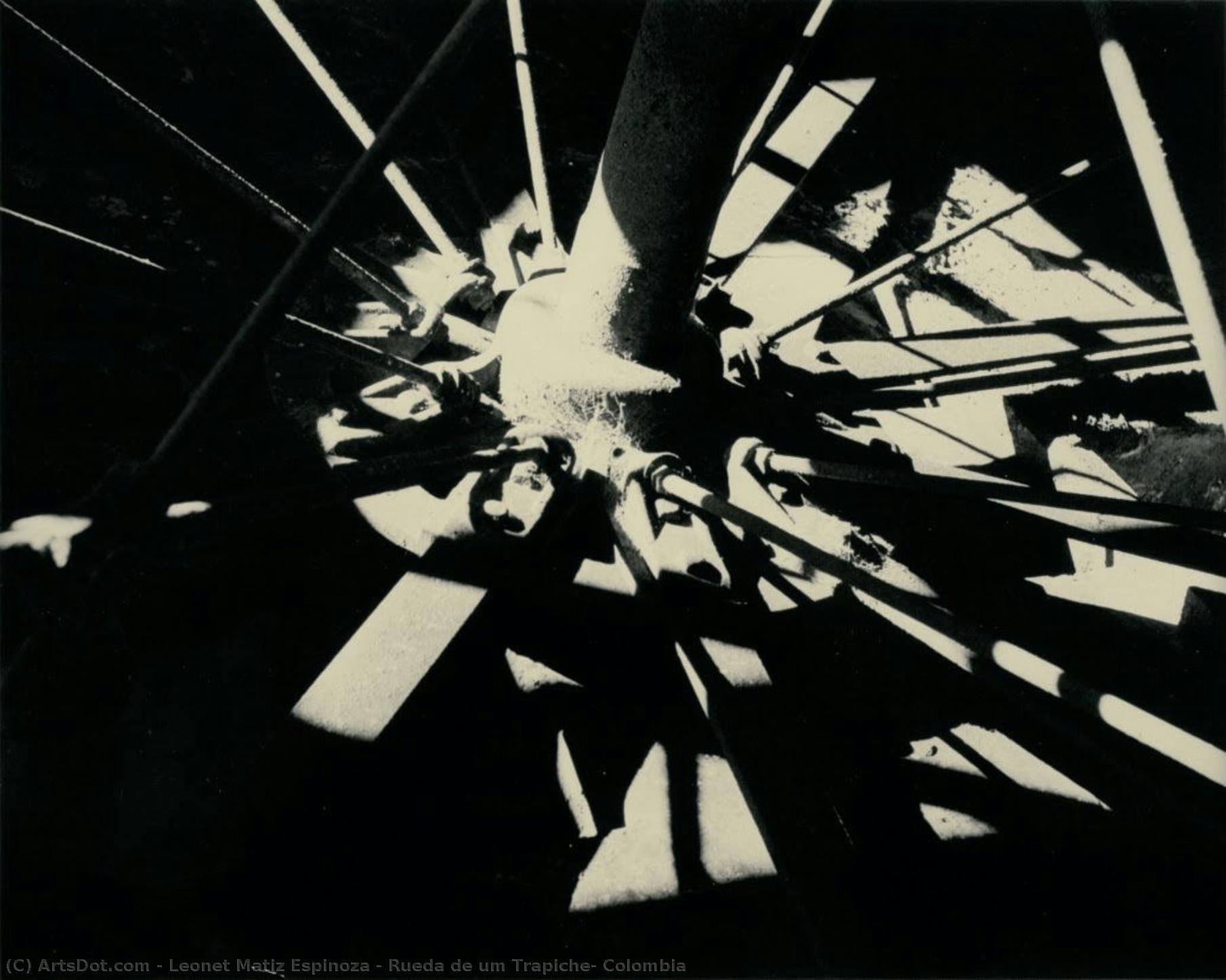
Leonet Matiz Espinoza’s “Rueda de um Trapiche,” created in 1979, stands as a testament to the artist's masterful exploration of abstraction and Latin American visual culture. Captured in striking black and white photography, this artwork delves into the essence of rural Colombian life—specifically, the rhythmic operation of a sugarcane mill (“trapiche”). More than just a depiction of an industrial process, Matiz’s piece is a complex interplay of geometric forms, textural nuances, and symbolic resonance that invites contemplation.Composition & Technique: Radial Dynamism
The photograph reveals a composition centered around a dominant circular wheel—a visual motif immediately suggestive of movement and cyclical processes. Lines radiating outwards from this central element create a dynamic pattern, mirroring the spinning motion of the mill itself. These lines aren’t merely decorative; they delineate structural elements and figures surrounding the wheel, establishing an asymmetrical balance that contributes to the overall energy of the image. Matiz skillfully employs geometric shapes—primarily triangles and rectangles—to define these forms, reinforcing their stability while simultaneously conveying a sense of fragmentation and visual excitement. The artist's technique is characterized by meticulous attention to detail, evident in the subtle variations of tone and texture achieved through brushstrokes that capture the materiality of the original painting – likely oil on canvas.Style & Historical Context: Abstract Expressionism Rooted in Observation
“Rueda de um Trapiche” firmly aligns with Matiz’s signature style—abstract expressionism—a movement renowned for prioritizing spontaneous gesture and emotional intensity over representational accuracy. Unlike traditional landscapes or portraits, this artwork eschews literal depiction, opting instead to distill the subject matter into its fundamental visual components. The monochromatic palette – shades of gray – amplifies these elements, emphasizing form and texture while stripping away distracting color hues. This stylistic choice speaks to a broader artistic tradition rooted in Latin American modernism, reflecting a desire to convey not just what is seen but also how it feels—a preoccupation with capturing the spirit of place and human experience.Symbolic Resonance: Labor, Rhythm & Time
Beyond its formal qualities, “Rueda de um Trapiche” carries significant symbolic weight. The wheel itself represents labor, industry, and the relentless cycle of agricultural activity – core themes in Colombian culture and history. Its radiating lines symbolize rhythm and movement, mirroring the repetitive actions involved in sugarcane milling. Simultaneously, the photograph’s stark black and white aesthetic evokes a timelessness, suggesting that the depicted scene transcends specific temporal boundaries. It invites viewers to consider not only the immediate visual impact but also the deeper cultural narratives embedded within the artwork.Concluding Impression: A Legacy of Quiet Intensity
Ultimately, Leonet Matiz Espinoza's “Rueda de um Trapiche” is a remarkable achievement—a deceptively simple image that encapsulates profound artistic and intellectual concerns. Its enduring appeal lies in its ability to convey both visual dynamism and emotional depth, cementing Matiz’s place as one of Colombia’s most influential artists of the 20th century. The photograph serves as an exceptional representation of his distinctive vision, inviting appreciation for its meticulous craftsmanship and evocative symbolism.Related Artworks






Artist Biography
A Visionary Lens: The Life and Legacy of Leonet Matiz Espinoza
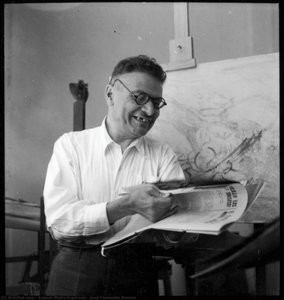
Leonet Matiz Espinoza was far more than a mere observer behind a lens; he was a profound storyteller whose life unfolded as a vibrant tapestry of Latin American history. Born on April 1, 1917, in the sun-drenched village of Aracataca, Colombia—the same cradle of literary legend Gabriel García Márquez—Matiz carried within him an innate sense of wonder and a restless spirit. His early years were defined by movement and discovery, as he traveled extensively through Central America and Mexico, honing his craft as a caricaturist and illustrator. This itinerant existence allowed him to absorb the raw textures of human character and social reality, forming the foundation of an artistic voice that would eventually resonate far beyond the borders of his homeland. As his career matured, Matiz transitioned from the quick, expressive strokes of caricature to the profound, silent narratives of photography. His eye was uniquely attuned to the interplay of light and shadow, a skill that allowed him to capture the very soul of his subjects. During his transformative decade in Mexico, he became deeply embedded in the heart of the artistic avant-garde. He moved within circles of giants, collaborating on film projects with masters like Manuel Alvarez Bravo and Gabriel Figueroa, and documenting the monumental efforts of muralists such as David Alfaro Siqueiros. His work during this era was not merely documentary; it was an exploration of identity, capturing the strength and vulnerability of a continent in flux.The Architect of Iconic Moments
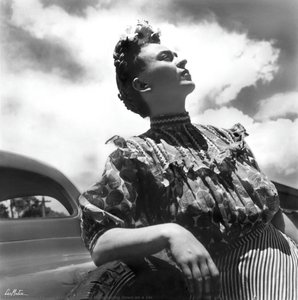
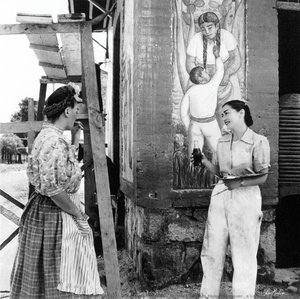
The true magic of Matiz’s oeuvre lies in his ability to freeze time, turning fleeting glances into eternal icons. He possessed a rare, humanistic touch that made him a preferred chronicler for the most legendary figures of the twentieth century. His portraits of Frida Kahlo and Diego Rivera remain among his most cherished contributions to art history. Through his camera, we see Kahlo not just as a symbol of Mexican resilience, but in candid, intimate moments—gazing at the sky or sharing space with her students—revealing the profound humanity beneath the icon. His ability to navigate the delicate balance between the monumental and the personal allowed him to document the essence of Mexican Muralism and the spirit of the era with unparalleled grace. Beyond the portraits of legends, Matiz’s photographic journey took him to the global stage. In 1948, his move to New York City brought him into the orbit of prestigious institutions like Life magazine and the United Nations. Here, his work took on a more urgent, journalistic weight as he documented the intense conflicts of the Middle East. This period of his life was marked by a profound confrontation with human suffering and political upheaval, experiences that added layers of depth and gravity to his visual language. Whether capturing the architectural geometry of a Venezuelan hallway or the dramatic lighting of a mid-century portrait, his work always sought to find the infinite within the finite.A Lasting Impression on Colombian and Global Art
Matiz’s significance extends well beyond his photographic mastery; he was a pivotal architect of the Colombian art scene. In 1951, he established a gallery in Bogotá that would serve as a sanctuary for emerging talent. Most notably, it was within his gallery that the first exhibition of Fernando Botero took place, a moment that forever altered the trajectory of Colombian contemporary art. By providing a platform for local artists, Matiz acted as a bridge between the regional and the global, championing the importance of Latin American contributions to the international artistic landscape. His legacy is characterized by a multifaceted brilliance that refused to be confined to a single medium. As a painter, publisher, and gallery owner, he cultivated a bohemian atmosphere that nourished generations of creators. Even as his personal style—marked by his flamboyant mustache and colorful attire—became a recognizable part of his persona, his true impact remained in the quiet power of his images. Today, we remember Leonet Matiz Espinoza not just as a photographer of famous faces, but as a visionary who used light to illuminate the complex, beautiful, and often turbulent history of the Americas.- Early Life: Born in Aracataca, Colombia, 1917.
- Key Subjects: Frida Kahlo, Diego Rivera, and the masters of Mexican Muralism.
- Major Contributions: Hosted the first exhibition of Fernando Botero; worked for Life magazine.
- Artistic Range: Photography, caricature, painting, and newspaper publishing.
- Historical Impact: Documented social change and the evolution of Latin American identity.

leonet matiz espinoza
1917 - 1998 , Colombia
Quick Facts
- Artistic Movement Or Style: Photography & Caricature
- Artists Or Movements Influenced By This Artist: ['Mexican Cinema']
- Artists Who Influenced This Artist:
- Gustave Doré
- George Grozt
- David Alfaro Siqueiros
- Date Of Birth: April 1, 1917
- Date Of Death: October 24, 1998
- Full Name: Leonet Matiz Espinoza
- Nationality: Colombian
- Notable Artworks: ['The Poligon']
- Place Of Birth: Aracataca, Colombia
Related Articles

Aaron Siskind: Deconstructing Reality – A Photographic Exploration of Texture, Form & the Abstract Landscape
Explore the transformative journey of Aaron Siskind, from social realism to pioneering abstract photography. Discover his iconic series & lasting influence on modern art. A guide for collectors.

Abstract Expressionism's 10 Defining Masterpieces |
Explore 10 defining Abstract Expressionism masterpieces by Pollock, Rothko & de Kooning. Discover the stories behind these iconic paintings and find museum-quality art reproductions to elevate your home decor on .

Romantic Landscapes: 10 Masterpieces for Your Home | ArtsDot
Journey through 10 Romantic landscape masterpieces by Friedrich, Turner & Cole. Explore emotional art, sublime nature scenes & iconic 19th-century paintings. Find museum-quality reproductions for your home at ArtsDot.com – discover the full collection online!

Kandinsky's Masterpieces: 25 Paintings That Define Abstract Art | ArtsDot
Journey through Wassily Kandinsky's 25 most iconic abstract paintings. Explore his revolutionary use of color, form & spiritual expressionism. Find museum-quality Kandinsky reproductions and elevate your home decor with ArtsDot.com. Discover all masterpieces on ArtsDot.com!

Geometric Abstraction's 10 Defining Masterpieces | Art for Your Home - ArtsDot
Explore 10 defining masterpieces of Geometric Abstraction! Discover Kandinsky, Mondrian & Malevich’s iconic works. Find museum-quality art reproductions and curated decor ideas to elevate your home at ArtsDot.com.