 Preview
 Send
Send Share
Share
 Details

 Download
 Similars
 X-Ray
X-Ray Diaporama
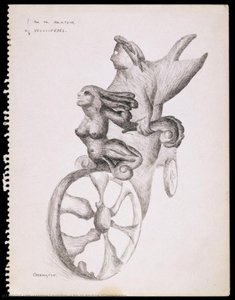
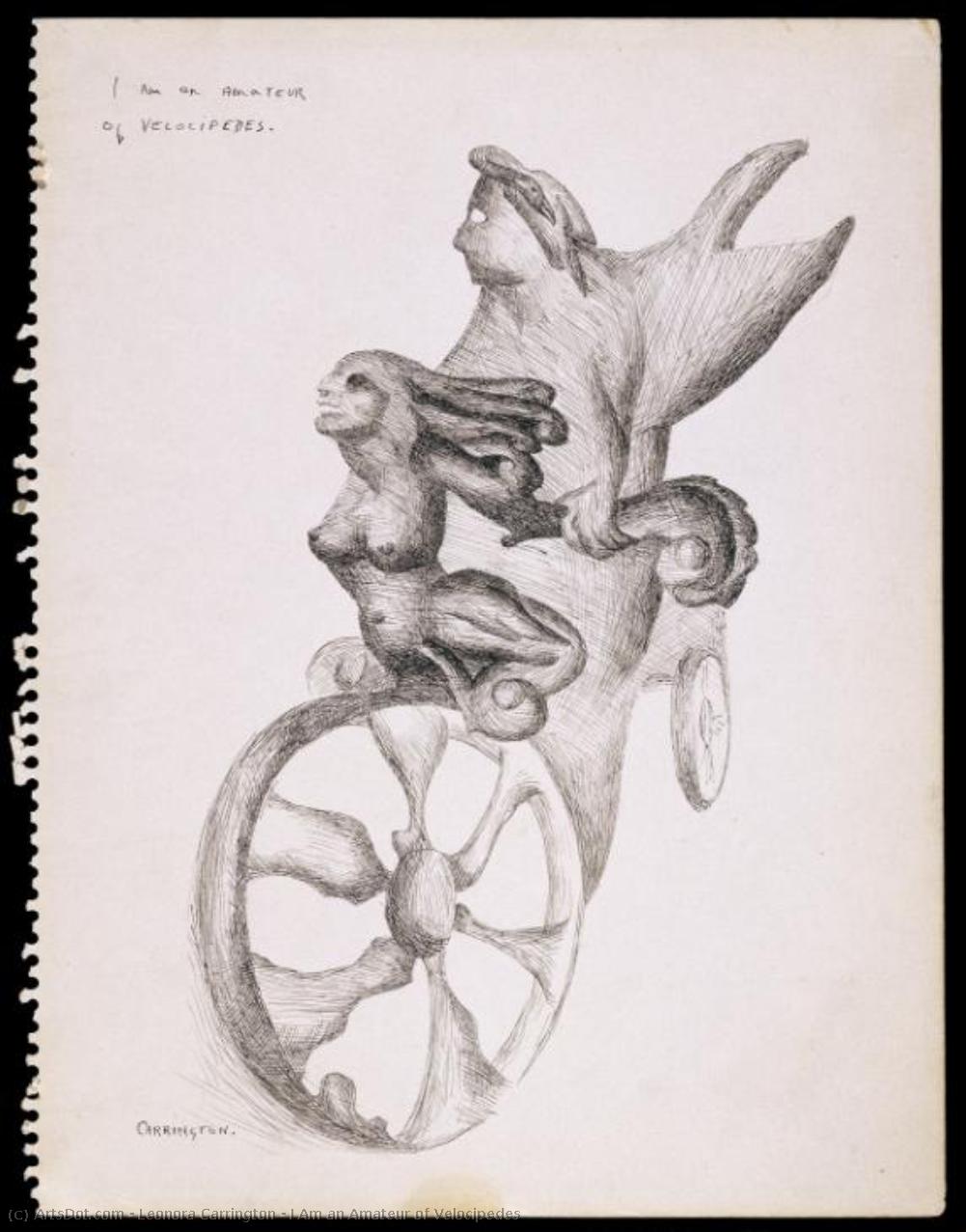
I Am an Amateur of Velocipedes


 Read More
Giclée / Art Print
Museum-quality giclée or canvas print with fast production and flexible finish options. ( Buy Hand Made Painting Buy Image)




P118B $10

P118H $10

P118W $10

P438Z $10

P508JH $12

P508YH $12

P805H $10

P805Z $10

P919BZ $10

P919G $10

P919XJ $10

P959ZH $10

P968JZ $12

W106C $8

W218G $10

W218JH $8

W218Y $10

W307PJ $10

W316G $10

W316PJ $8

W316Y $10

W398PJ $8

W4111J $10

W500HY $15

W500JH $15

W692G $12

W849H $8

W940BG $15

W953PJ $8




Pick from our preset sizes that match the artwork's original proportions.

You may enter your own dimensions to fit a specific frame or space. If your selected size does not match the original image's proportions, we will either crop the artwork or extend the image with a mirrored or solid-fill edge. A digital mockup will be sent for your approval before production begins.
Please note that the on-screen preview does not reflect the actual cropping or extension. Only the mockup will accurately show the final composition.
While custom sizes are available, we recommend selecting a dimension from the predefined list to preserve the original proportions.
Worldwide Delivery () in 2 weeks instead of standard 4/5 weeks. (26 August)

Free Worldwide Express Shipping

High-Quality Linen Canvas

Full Shipping Insurance

Customs Tax Refund Guarantee

True Color Matching Guarantee

60-Day Return Policy (Defects Only)

100% Money-Back Guarantee

Bulk Discount Offer
 Glass option is only available in size under 110 CM

I Am an Amateur of Velocipedes
Giclée / Art Print
Reproduction Size
-


Total Price
$ 63
Collectible Description
I Am an Amateur of Velocipedes: A Surrealist Dreamscape by Leonora Carrington
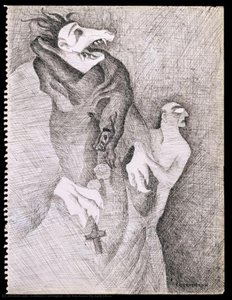
Leonora Carrington’s “I Am an Amateur of Velocipedes,” created in 1941, stands as a testament to the enduring power of Surrealism—a movement that sought to liberate art from rational constraints and tap into the subconscious realm. This graphite drawing on paper isn't merely a depiction of a bicycle; it’s a meticulously crafted symbol laden with layers of meaning, reflecting Carrington’s fascination with mythology, dreams, and the transformative potential of imagination.Composition and Technique: Embracing Asymmetry and Texture
The artwork immediately captivates with its central focus on a figure—a stylized humanoid form—riding what appears to be a bicycle constructed from organic and mechanical elements. Unlike traditional perspective, Carrington deliberately eschews realism, opting for an asymmetrical composition that enhances the dreamlike atmosphere. Lines dominate the image, executed with masterful hatching and cross-hatching techniques – a hallmark of Carrington’s style – building up tonal values and creating palpable texture on the paper surface. These deliberate lines convey not just form but also emotion, mirroring the artist's own inner turmoil and yearning for escape from societal expectations.Symbolism: Fusion of Nature and Machine
The bicycle itself is rife with symbolic significance. Representing both movement and control—themes central to Surrealist thought—it simultaneously embodies the natural world (the frame resembling a skeletal animal) and technological advancement. The figure’s posture leans precariously, suggesting vulnerability yet also hinting at an assertion of will against forces beyond comprehension. This juxtaposition underscores Carrington's exploration of duality – the interplay between instinct and intellect, freedom and constraint – mirroring the broader anxieties of the era following World War II.Historical Context: Surrealism's Quest for Liberation
Carrington’s work emerged during the height of Surrealist fervor—a reaction against the perceived limitations of Western art and philosophy after the devastation of the First World War. Artists like André Breton championed a radical departure from logic, embracing automatism (chance operations) and delving into psychoanalytic theories pioneered by Sigmund Freud to unlock hidden desires and unconscious impulses. “I Am an Amateur of Velocipedes” embodies this spirit of rebellion, rejecting conventional artistic conventions in favor of subjective experience and imaginative vision.Emotional Impact: A Vision of Transformation
Ultimately, Carrington’s drawing transcends mere visual representation; it evokes a profound emotional response. The unsettling blend of organic and mechanical forms—the merging figure and bicycle—suggests themes of metamorphosis and the blurring of boundaries between reality and fantasy. It invites contemplation on the human condition, prompting viewers to confront anxieties about control, identity, and the elusive nature of consciousness. “I Am an Amateur of Velocipedes” remains a hauntingly beautiful reminder that art can illuminate the darkest recesses of the mind and offer glimpses into realms beyond rational understanding—a truly remarkable achievement of Surrealist artistry.Related Artworks
Artist Biography
A Realm Beyond the Veil: The Life and Art of Leonora Carrington
Born Mary Leonora Carrington in 1917 amidst the verdant landscapes of Clayton Woods, Lancashire, England, the artist who would become a pivotal figure in Surrealism was, from her earliest years, an individual set apart. Her upbringing within a wealthy textile manufacturing family provided material comfort but little solace for a spirit that chafed against societal expectations and yearned for realms beyond the tangible. Expulsions from two schools – including New Hall School in Chelmsford – signaled a rebellious streak, a refusal to be molded by conventional norms. This early defiance ultimately led her to Florence, Italy, where she briefly attended Mrs. Penrose's Academy of Art, yet it was an encounter at age ten with Surrealist art in a Paris gallery that truly ignited the flame within her imagination. The seed was planted; a lifelong fascination with the subconscious, mythology, and the power of dreams had begun to blossom. Though met with familial resistance, Carrington’s mother provided crucial encouragement, recognizing and nurturing her daughter's artistic inclinations.Forging a Surrealist Identity: From London to Mexico
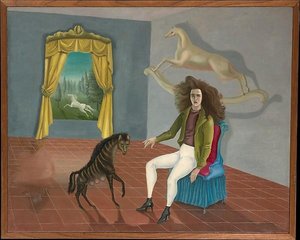
Carrington’s formal art education continued in London at the Chelsea School of Art (1935) followed by studies at the Ozenfant Academy, where she honed her technical skills. However, it was her fateful meeting with Max Ernst in 1937 that irrevocably altered the course of her artistic journey. Their passionate and intellectually stimulating relationship led them to Saint Martin d'Ardèche, France, a period of intense collaboration and experimentation. It was during this time that Carrington began to develop her distinctive style, exemplified by works like The Inn of the Dawn Horse (c. 1939). This self-portrait is not merely a depiction of physical likeness but a symbolic exploration of identity, blending human and animal forms within a dreamlike setting—a hallmark of her emerging aesthetic. The outbreak of World War II shattered this idyllic existence. Ernst’s departure for America and Carrington's subsequent mental breakdown in Spain plunged her into a period of profound suffering and institutionalization. From the depths of this experience emerged Down Below (1944), a semi-autobiographical novel that stands as a powerful testament to the horrors of psychosis and the failings of psychiatric treatment, solidifying her place within Surrealist literature. A pivotal move followed: in the 1940s, Carrington sought refuge and reinvention in Mexico City, where she would reside for the remainder of her life.Myth, Magic, and Feminine Power: The Core of Her Vision
Leonora Carrington’s art is a captivating tapestry woven with threads of mythology, folklore, alchemy, Kabbalah, and deeply personal symbolism. Animals—often possessing human-like qualities or existing as hybrid creatures—feature prominently in her paintings, serving not merely as subjects but as representations of psychological states, archetypal figures, and the untamed forces of nature. While she resisted explicit categorization as a “feminist artist,” Carrington’s work consistently challenges traditional gender roles and explores female agency within fantastical narratives. Her dreamlike landscapes are populated by enigmatic figures and strange creatures, evoking an atmosphere of mystery and inviting viewers to delve into the depths of their own subconscious. Her unique style is characterized by meticulous detail combined with imaginative subject matter, vibrant colors, and intricate patterns that create visually arresting compositions. Arca de Noé (1967), a vibrant depiction of Noah’s Ark teeming with fantastical creatures, exemplifies her exploration of creation and renewal. The Return of Boadicea (1969) showcases her celestial imagery and mythical storytelling. Even haunting works like Do You Know My Aunt Eliza? (c. 1947), a pencil drawing exploring mortality, are imbued with a unique blend of vulnerability and strength.A Lasting Legacy: Beyond Surrealism
In Mexico City, Carrington found not only artistic freedom but also intellectual kinship. Her close friendship and collaborative spirit with fellow Surrealist Remedios Varo fostered an exchange of ideas centered on alchemy, Mayan mysticism, and esoteric knowledge. She continued to paint prolifically throughout her life, creating a vast body of work that delved into themes of transformation, the subconscious, and the enduring power of myth. Beyond her artistic pursuits, Carrington was actively involved in social justice movements, becoming a founding member of the women’s liberation movement in Mexico during the 1970s. Her commitment to challenging societal norms extended beyond her art, reflecting a deep-seated belief in equality and empowerment. Leonora Carrington passed away in 2011, leaving behind a legacy that continues to inspire artists and audiences worldwide. She is now rightfully recognized as one of the most important Surrealist artists of the 20th century—a visionary whose work transcends categorization, inviting us to explore the hidden realms within ourselves and the world around us. Her paintings, novels, and unwavering spirit remain a testament to the power of imagination, rebellion, and the enduring search for meaning beyond the veil of reality.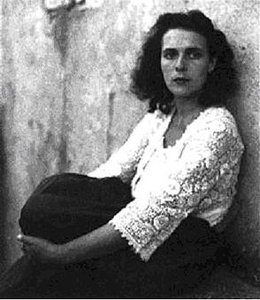
Leonora Carrington
1917 - 2011 , United Kingdom
Quick Facts
- Artistic Movement Or Style: Surrealism
- Artists Or Movements Influenced By This Artist: Surrealist movement
- Artists Who Influenced This Artist:
- Max Ernst
- Paul Éluard
- Date Of Birth: April 6, 1917
- Date Of Death: May 25, 2011
- Full Name: Leonora Carrington
- Nationality: British-Mexican
- Notable Artworks:
- The Inn of the Dawn Horse
- Arca de Noé
- Return of Boadicea
- Do You Know Aunt Eliza?
- Portrait of Dr. Morales
- Place Of Birth: Clayton Woods, UK
Related Articles
Surrealism's Visionaries: 10 Masterpieces for Your Home | ArtsDot
Journey into the dreamlike world of Surrealism! Explore 10 masterpieces by Dali, Magritte & Miró that redefined art. Discover their stories & find museum-quality reproductions to elevate your home decor on ArtsDot.com.
Surrealist Painting Masterpieces: 10 Artworks That Redefined Reality | ArtsDot
Journey into the dreamlike world of Surrealism! Explore 10 masterpieces by Dali, Magritte & Miró that redefined art. Discover their stories & find museum-quality reproductions to elevate your home decor on ArtsDot.com.
The Nuances of Graphite: Exploring Emotional Depth & Technical Mastery in Pencil Drawing
Explore the captivating world of graphite drawing! Discover its rich history, master essential techniques like chiaroscuro, and learn how artists evoke emotion through this timeless medium. Expert insights for art enthusiasts.
The Alchemy of Graphite: An Expert Guide to Mastering Detail and Depth in Pencil Sketching
Unlock the secrets of graphite sketching with our expert guide for art students. Learn to master pencil grades, create realistic depth, and capture intricate textures through professional techniques designed to elevate your observational drawing skills.
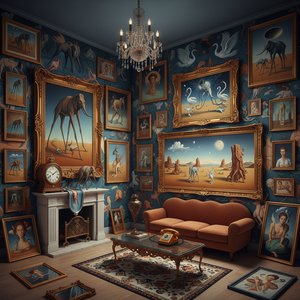
Salvador Dalí's Masterpieces: 25 Surrealist Visions for Your Home | ArtsDot
Journey into the surreal world of Salvador Dalí! Explore 25 iconic paintings—from 'The Persistence of Memory' to his boldest creations. Discover the stories behind these masterpieces & find museum-quality art reproductions for your home at ArtsDot.com.