The Soul of the Line: Understanding Graphite's Unique Versatility
 The Nuances of Graphite: Exploring Emotional Depth & Technical Mastery in Pencil Drawing
A History Rooted in Earth: The Origins & Evolution of Graphite Wikipedia: Colored pencil A colored pencil (American English), coloured pencil (Commonwealth English), colour pencil (Indian English), map pencil, pencil crayon, or coloured/colouring lea...
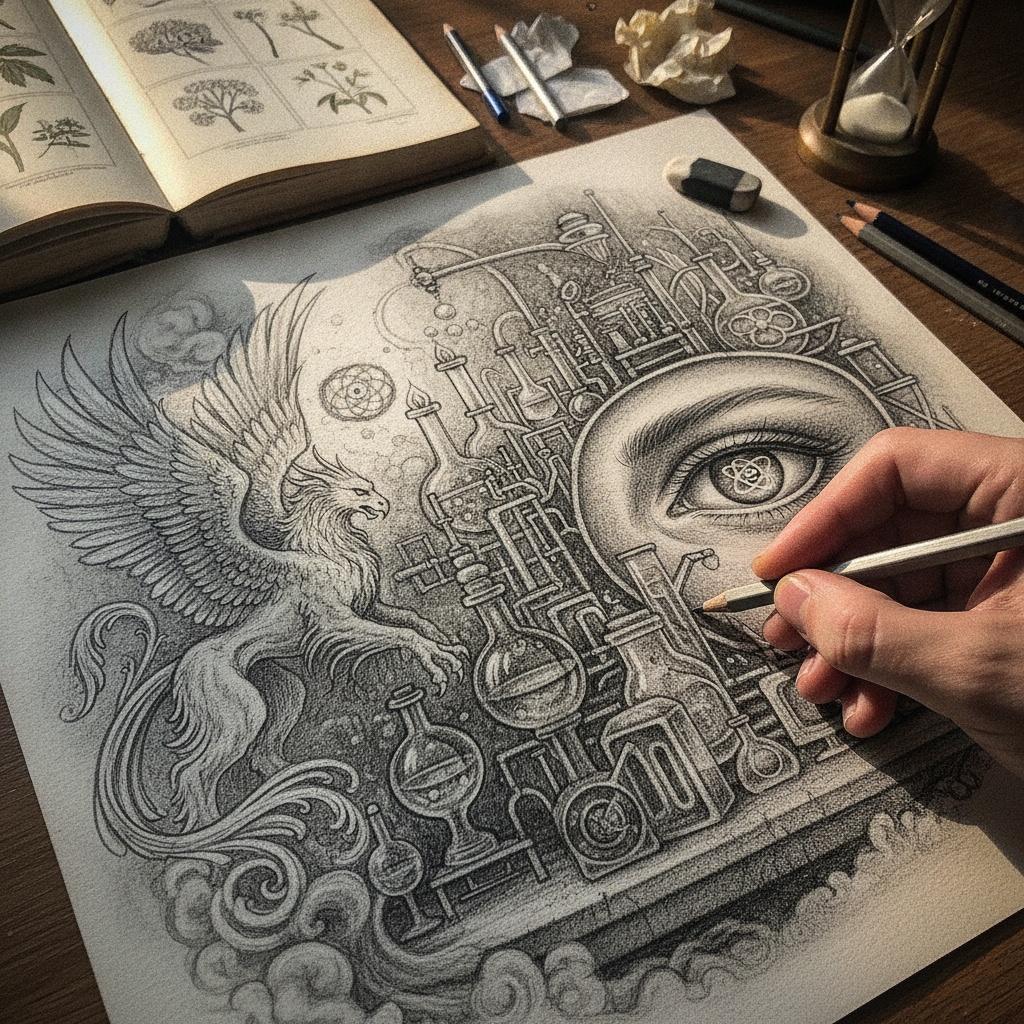
To hold a piece of graphite is to grasp a fragment of the earth’s ancient history, a concentrated essence of carbon that possesses the unique ability to bridge the gap between a mere mark and a profound statement. Unlike the heavy, dramatic presence of charcoal or the permanent authority of ink, graphite offers a subtle, silvery spectrum that invites the artist into a delicate dance of light and shadow. This medium is far more than a simple tool for notation; it is an exercise in alchemy, where the pressure of a hand against paper transforms raw mineral into a window of perception. There is a quiet magic found in its capacity for nuance, allowing for a seamless transition between the seen and the unseen.
The history of this medium is as humble as its beginnings, rooted in the earth itself. Long before it became the darling of fine art academies, graphite was utilized for much more practical purposes, such as marking sheep on English farms. Yet, as artists recognized its ability to create subtle gradations of tone—qualities that set it apart from the unforgiving precision of silverpoint—it evolved into a medium of infinite patience. When we work with graphite, we are not merely applying pigment; we are manipulating light itself, using the silvery sheen of carbon to capture the ephemeral qualities of atmosphere and the softest gradations of skin, stone, or silk.
The Artist's Toolkit: Navigating Grades from 9H to 9B
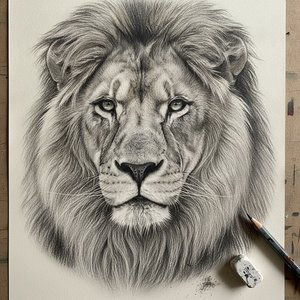 Mastering Graphite Pencil: The Ultimate Expert Guide to Achieving Depth, Texture, and Hyper-Realistic Detail
The Foundation of Precision: Selecting Your Graphite Grades and Essential Tools Every great masterpiece begins not with a stroke, but with a deliberate choice. For the aspiring artist, understanding the alchemy of graphite is the first step toward tr...
Every great masterpiece begins not with a stroke, but with a deliberate choice of instruments. For the aspiring art student, understanding the alchemy of graphite grades is the first step toward true technical mastery. One must view pencils not as interchangeable sticks, but as specialized tools designed for specific roles within a composition. The spectrum of graphite is vast, ranging from the ethereal lightness of the 9H pencil to the profound, velvety darkness of the 9B. These grades are defined by their ratio of graphite to clay; the harder the grade, the more clay is present, resulting in a lighter, sharper line that is ideal for initial layouts and fine architectural details.
As you progress into the heart of your drawing, the softer grades become your primary allies. The B-series pencils—moving from HB toward 9B—offer a richness that allows for deep, atmospheric shadows and bold, expressive marks. Navigating this spectrum requires an intimate knowledge of how each grade interacts with the tooth of your paper. While a hard pencil might whisper across the grain with clinical precision, a soft pencil can anchor a composition with weight and gravity, providing the necessary contrast to prevent a drawing from appearing flat or washed out. Mastering this toolkit is about learning to balance the delicate whispers of light with the commanding shadows of form.
Mastering Light and Shadow: Techniques for Creating Dimensional Depth
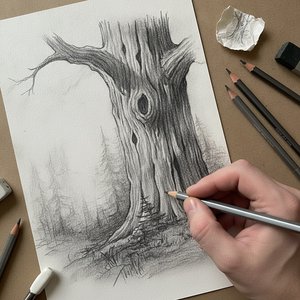 The Power of Graphite: Mastering Depth, Texture, and Detail in the Art of Pencil Drawing
The Alchemy of Carbon: Understanding Graphite's Versatility To hold a piece of graphite is to hold a fragment of the earth’s ancient history, a concentrated essence of carbon that possesses the unique ability to bridge the gap between a mere mark and...
The transition from a two-dimensional sketch to a three-dimensional illusion requires more than just technical skill; it demands an intimate understanding of how light interacts with volume. In the realm of graphite, depth is achieved through the masterful application of value scales and the careful orchestration of edges. To create true form, one must move beyond the simple outline, employing techniques such as hatching, cross-hasting, and smooth blending to suggest the curvature of a subject. It is in the subtle transitions between light and dark that the illusion of life is born.
Achieving this dimensionality involves a disciplined approach to value. By layering graphite, an artist can build up layers of tone, creating a sense of density and weight. The use of highlights—often achieved by leaving the paper untouched or using a kneaded eraser to lift pigment—is just as critical as the shadows themselves. This interplay, often referred to as chiaroscuro, allows the artist to direct the viewer's eye and create a focal point that feels physically present within the space. Through the careful management of these tonal shifts, a flat sheet of paper can begin to breathe with the weight of real, tangible objects.
Capturing Texture and Detail: From Soft Skin to Rugged Landscapes
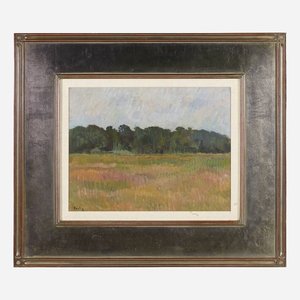 Karl Buergerniss
Karl Buergerniss (1875-1951): A Master of Graphite Detail Karl Buergerniss, also known as Carl Buergerniss, was a German artist born in Berlin in 1875 and died in 1951. While biographical details about his life remain scarce, his artistic legacy is f...
One of the most rewarding challenges in pencil drawing is the ability to render a diverse array of textures with remarkable precision. Graphite excels in this regard, offering a level of detail that few other mediums can replicate. The artist must learn to differentiate between the smooth, translucent quality of human skin and the rugged, abrasive surface of weathered stone or tree bark. This requires a keen observational eye and a varied application of pressure and technique. For soft surfaces, light, circular strokes and careful blending can mimic the smoothness of silk or the softness of a petal.
Conversely, capturing the grit of a landscape or the intricate patterns of fabric requires a more assertive hand. Using sharp, hard pencils to define minute cracks in stone or the fine veins in a leaf adds a layer of hyper-realistic detail that elevates a drawing from a mere representation to an evocative exploration of form. The goal is not just to draw what you see, but to translate the tactile reality of the subject onto the page. When done successfully, the viewer should almost be able to feel the textures through the visual medium, experiencing the physical essence of the subject matter.
Finding Your Flow: Developing an Observational Eye and Personal Style
 Royal Drawing School
The Soul of the Line: Discovering the Royal Drawing School In the heart of Shoreditch, where the industrial grit of London meets a burgeoning contemporary spirit, lies a sanctuary dedicated to the most fundamental of artistic acts: the act of seeing....
Ultimately, the mastery of graphite is a journey toward finding one's own artistic voice. While technical proficiency in shading and texture is essential, the true soul of a drawing lies in the artist's ability to interpret the world through their unique lens. This begins with the fundamental act of seeing—learning to observe not just the object, but the way light dances upon it, the way shadows pool in its crevices, and the way its form interacts with the surrounding space. Developing an observational eye is a lifelong practice of mindfulness and presence.
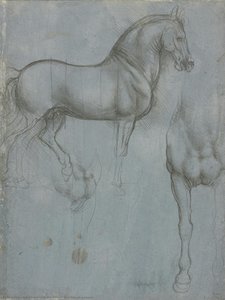
As you refine your technique, you will begin to notice how your personal preferences shape your work. Some artists may gravitate toward the raw, energetic energy of loose, expressive sketches, reminiscent of the dynamic studies found in historical archives. Others may find beauty in the meticulous, quiet contemplation of highly detailed realism. There is no single correct way to use the pencil; there is only the pursuit of authenticity. By embracing both the technical rigors of the medium and the intuitive impulses of your creativity, you can transform simple graphite marks into profound expressions of the human condition.
At ArtsDot.com, we celebrate this journey of artistic discovery. Whether you are an art student honing your skills or a collector seeking the emotive power of a master's touch, our platform connects you to the very best of fine art. From breathtaking hand-painted oil reproductions to custom commissions that turn your personal memories into museum-quality masterpieces, we are dedicated to making the beauty of art accessible to everyone, everywhere.