

 Preview
 Send
Send Share
Share
 Details

 Download
 Similars
 X-Ray
X-Ray Diaporama
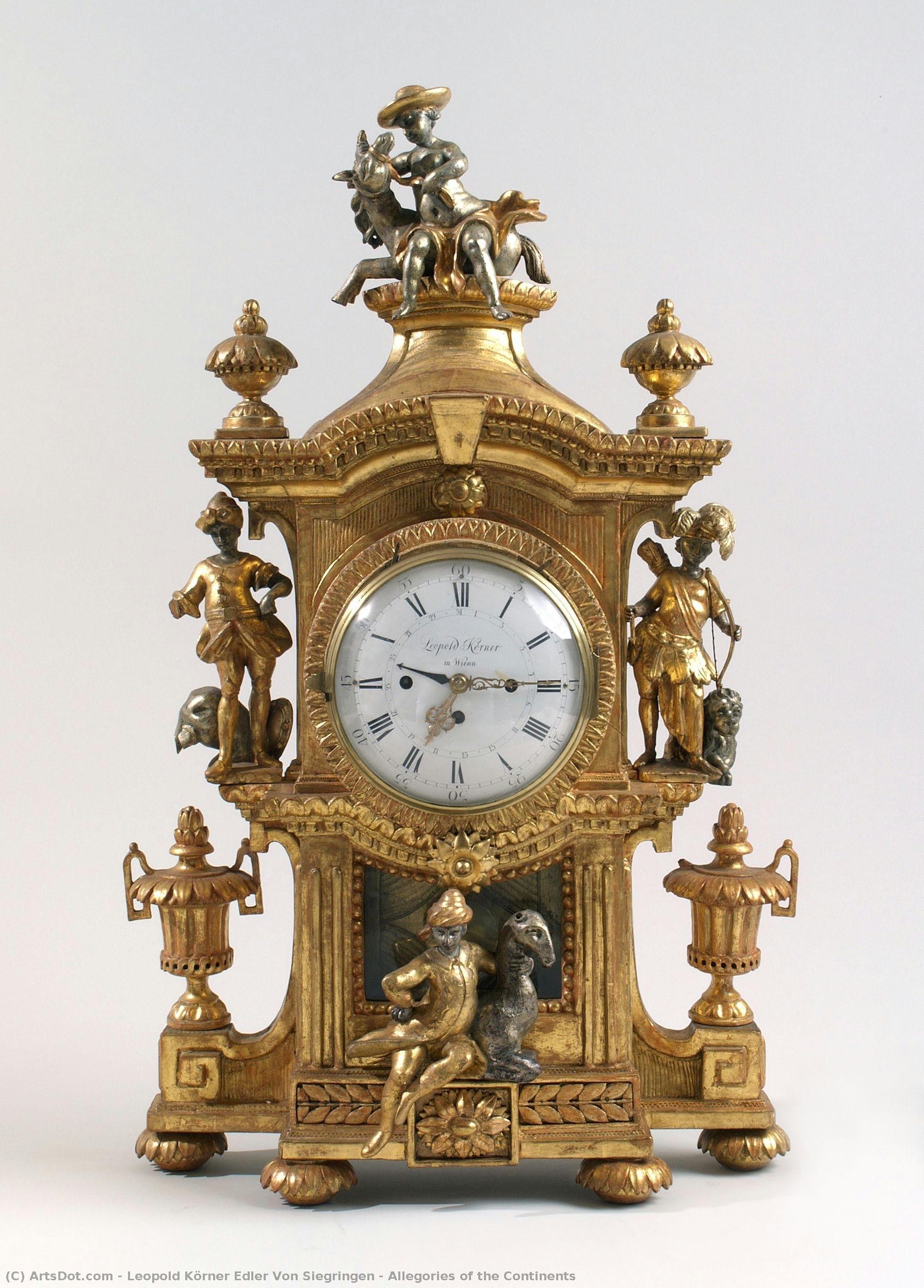
Allegories of the Continents
 1800
1800 82.0 x 52.0 cm
 The Museum of Arts and Crafts
 Read More
Purchase a high-resolution, enhanced digital image, far superior to the online preview.
Each file is meticulously prepared by our in-house specialists using advanced tools and expert manual retouching. We ensure every image has exceptional clarity, precise color accuracy, and fine detail.
The final file is delivered via email within 72 hours, optimized for immediate use in professional, editorial, and print environments. This is the same quality trusted by top-tier design studios, publishers, and galleries.
Digital Image
Download a high-resolution file for personal display, printing, and creative projects. ( Buy Print Buy Hand Made Painting)
Included in Every Digital Image Order
Expert Digital Delivery, Guaranteed
When you choose ArtsDot.com, you're not just getting an image - you're receiving a professionally enhanced digital artwork, crafted with precision and backed by a satisfaction guarantee. Here's everything that comes with your order, automatically:

Fast Email Delivery
Your high-resolution digital image file will be emailed to you within 72 hours of ordering - ready for immediate use.

AI-Enhanced Digital File
Your artwork is professionally optimized using advanced AI tools and manual editing, ensuring maximum detail, clarity, and color accuracy.

Free Lifetime Re-Delivery
Accidentally deleted or lost your file? No worries - we'll resend it to you anytime, free of charge.

No Import Fees - Ever
Enjoy your artwork instantly with zero customs, duties, or delivery fees - digital downloads are always tax-free.

Color Accuracy Guarantee
We ensure your digital image reflects the original colors as closely as possible using professional tools and color management.

60-Day Satisfaction Guarantee
If you're not satisfied with your digital image, we'll revise it or refund 100% within 60 days - no questions asked.

100% Money-Back Guarantee
Not satisfied? Get a full refund within 60 days of receiving your digital file - no questions asked.

Bulk Order Discounts
Buy 3 images, save 10% - Buy 5, save 15% - Buy 10+, save 20%. Great for creative projects, galleries, and agencies.
Related Artworks



Artist Biography
Wallace Morgan: The Dean of American Illustrators
Born in New York City in 1873, but raised amidst the artistic atmosphere of Albany, New York—where his father instilled a love for art—Wallace Morgan’s journey to becoming one of America's most celebrated illustrators was remarkably unconventional. Rather than pursuing a traditional academic path, he initially sought employment as a sketch artist for the New York Sun, a role that unexpectedly blossomed into a lifelong career. This early experience honed his remarkable skill in rapidly rendering diverse subjects with precision and speed – a crucial ability developed through countless sketches produced to meet the demanding deadlines of print media. Morgan’s talent wasn't merely technical; he possessed an innate understanding of visual storytelling, translating complex scenes and narratives into compelling images for a broad audience.
His career trajectory shifted dramatically during World War I. Recognizing the need for official artwork documenting the war effort, Morgan was selected as one of the commissioned war artists by the U.S. Army Signal Corps. This pivotal moment marked a significant shift in his artistic focus, leading him to France where he spent a year meticulously capturing the realities of the conflict. Attached to the Marine Brigade, he documented battles at Chateau-Thierry and Belleau Wood, offering poignant glimpses into the lives of American soldiers. Morgan’s wartime illustrations weren't simply depictions of combat; they conveyed the human cost of war with sensitivity and realism, earning him considerable respect within the artistic community.
A Career Beyond the Battlefield
Returning to civilian life after the war, Wallace Morgan didn’t abandon his illustration work. Instead, he established a thriving studio in New York City, continuing to contribute to a diverse range of publications – from the popular magazines Collier's, Cosmopolitan, and The New Yorker, to the esteemed Saturday Evening Post. His versatility was legendary; he seamlessly transitioned between landscapes, portraits, and scenes of everyday life, consistently delivering high-quality work that captivated readers. Morgan’s illustrations were characterized by their clarity, detail, and a subtle sense of humor – qualities that contributed significantly to his enduring popularity.
Throughout his career, Morgan was widely recognized as one of the foremost illustrators in America. He earned the title “the dean of American Illustrators,” a testament to his influence on generations of artists. His election to the National Academy of Design and the Society of Illustrators’ Hall of Fame further solidified his legacy as a master of his craft.
Influences and Artistic Style
While Morgan's work is often categorized within the realm of American illustration, it was undeniably shaped by European artistic traditions. His early training at the National Academy of Design provided him with a solid foundation in academic techniques, but his time studying in Munich, Germany—a pivotal experience facilitated by his connection to Frederic Clay Bartlett and Robert Allerton—exposed him to the innovative approaches of Impressionism and Post-Impressionism. Artists like Vincent van Gogh and Paul Gauguin exerted a subtle yet significant influence on Morgan’s style, evident in his use of color, brushwork, and expressive rendering of light and shadow.
Morgan's illustrations were distinguished by their meticulous attention to detail, combined with a remarkable ability to capture the essence of his subjects. He employed a technique known as “ready-to-print” illustration—a process developed through years of practice that allowed him to create highly detailed images quickly and efficiently. This method prioritized capturing the essential elements of a scene while minimizing preliminary sketches, resulting in illustrations that were both technically proficient and visually engaging.
A Collector and Patron
Beyond his prolific artistic output, Wallace Morgan was also an avid art collector, amassing a significant collection of French Post-Impressionist and modernist paintings. His passion for collecting fueled his desire to promote the work of contemporary artists, and he actively supported emerging talents through exhibitions and commissions. His personal collection became a valuable resource for other artists and collectors, contributing significantly to the development of the American art market. Morgan’s legacy extends beyond his illustrations; he was a dedicated advocate for the arts, playing a vital role in fostering appreciation and understanding of modern art within the United States.
leopold körner edler von siegringen
1873 - 1957 , Croatia
Quick Facts
- Artistic Movement Or Style: Illustrator
- Artists Who Influenced This Artist: ['None],\n "Artists or movements influenced by this artist": [Pre-Raphaelite']
- Date Of Birth: 1873
- Date Of Death: 1957
- Full Name: Wallace Morgan
- Nationality: American
- Notable Artworks:
- Official war art
- Magazine illustrations
- Place Of Birth: New York City, USA

