 Preview
 Send
Send Share
Share
 Details

 Download
 Similars
 X-Ray
X-Ray Diaporama
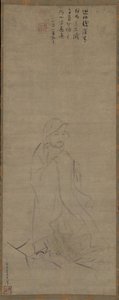
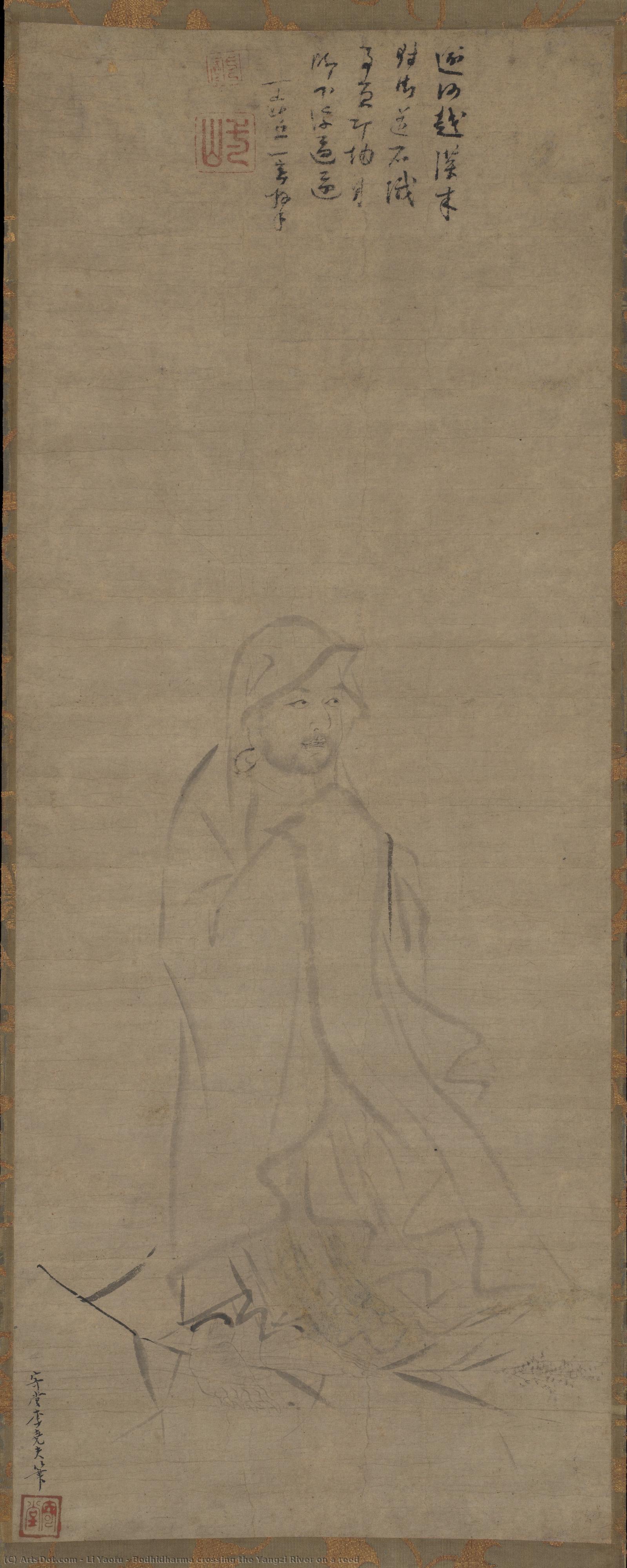
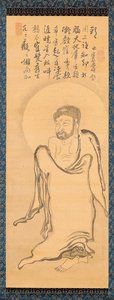
Bodhidharma crossing the Yangzi River on a reed
 Chinese Ink Painting
 1317
1317 86.0 x 34.0 cm
 Read More
Hand Made Oil Reproduction
Hand-painted oil on canvas in your size and frame, made to order by our artists. ( Buy Print Buy Image)




































Pick from our preset sizes that match the artwork's original proportions.

You may enter your own dimensions to fit a specific frame or space. If your selected size does not match the original image's proportions, we will either crop the artwork or extend the painting with additional hand-painted elements. A digital mockup will be sent for your approval before production begins.
Please note that the on-screen preview does not reflect the actual cropping or extension. Only the mockup will accurately show the final composition.
While custom sizes are available, we recommend selecting a dimension from the predefined list to preserve the original proportions.
After order, ArtsDot.com team will email client for instructions and provide a mockup preview
Worldwide Delivery () in 3/4 weeks instead of standard 5 weeks. (23 August). No compromise on quality.

Free Worldwide Express Shipping

High-Quality Linen Canvas

Full Shipping Insurance

Customs Tax Refund Guarantee

True Color Matching Guarantee

60-Day Return Policy (Defects Only)

100% Money-Back Guarantee

Bulk Discount Offer
 Glass option is only available in size under 110 CM

Bodhidharma crossing the Yangzi River on a reed
Reproduction Medium
Reproduction Size
-


Total Price
$ 263
Artwork Description
Related Artworks
Artist Biography
Li Yaofu: A Pioneer of Chan Painting
Li Yaofu (c. 1247–1317), a figure shrouded in relative obscurity compared to his contemporaries, stands as one of the most important artists working during the Yuan Dynasty—a period marked by cultural dynamism and artistic innovation following Mongol rule over China. Despite limited biographical details surviving from Chinese records, Li Yaofu’s legacy rests firmly on his singular contribution to Chan Buddhist painting, a genre that sought to embody the essence of Zen philosophy through visual representation. His work exemplifies a distinctive approach to brushwork and composition, distinguishing him from other artists of his time and securing his place as a pivotal voice in Chinese art history.- Early Life & Training: Precise information about Li Yaofu’s birthdate and formative years remains elusive. However, scholarly consensus suggests he was born in Taipei, Taiwan—a region experiencing significant cultural revival during the Ming Dynasty (1368–1644). His artistic training likely occurred within established monastic circles, where Chan Buddhist principles profoundly influenced aesthetic sensibilities.
- Style & Technique: Li Yaofu’s artistic style is characterized by a remarkable freedom of brushwork—a departure from the rigid conventions favored by many artists of his era. He eschewed the “white drawing” technique (baimiao), championed by Li Gonglin, opting instead for a more fluid and expressive approach that combined fine lines with graduated ink-wash strokes. This method allowed him to capture subtle nuances of light and shadow, conveying spiritual contemplation with remarkable sensitivity.
- Notable Works: His most celebrated painting is “Bodhidharma crossing the Yangzi River on a Reed” (1317), housed in The Metropolitan Museum of Art’s collection. This monumental scroll depicts Bodhidharma—the revered Indian monk credited with establishing Chan Buddhism in China—as he traverses the Yangtze River on a reed stalk, symbolizing his arduous journey toward enlightenment. The painting's serene composition and masterful rendering of texture capture the profound stillness associated with Zen meditation.
- Influence & Legacy: Li Yaofu’s artistic innovations profoundly impacted subsequent generations of Chan painters. His emphasis on capturing spiritual essence rather than literal depiction established a precedent for artists seeking to express Buddhist ideals through visual art. He is considered one of the foremost practitioners of Chan painting, and his work continues to inspire admiration for its beauty and intellectual depth.
The Significance of “Bodhidharma Crossing the Yangzi River on a Reed”
“Bodhidharma crossing the Yangzi River on a reed” transcends mere visual representation; it embodies core tenets of Chan Buddhism—specifically, emptiness (sunyata) and perseverance. The painting’s central figure, Bodhidharma, is depicted in profile, conveying an aura of solemn contemplation as he approaches the riverbank. The reed stalk itself serves as a powerful symbol of resilience and steadfastness—representing Bodhidharma's unwavering determination to overcome obstacles on his path toward enlightenment. The artist skillfully employs ink wash technique to achieve remarkable textural depth, mirroring the contemplative state of mind. Subtle gradations of ink create an illusion of shimmering light, capturing the ethereal quality associated with Buddhist iconography. Furthermore, the composition’s simplicity—characterized by a restrained palette and balanced arrangement—reflects Zen's emphasis on minimalism and direct perception. The inscription accompanying the painting underscores this spiritual dimension, referencing the Buddha’s famous declaration that he “doesn’t know,” encapsulating the core concept of Chan Buddhism: acknowledging ignorance as the gateway to wisdom.Connections to Other Artists & Movements
Li Yaofu's artistic vision aligns closely with broader trends in Yuan Dynasty art—particularly the influence of Indian Buddhist aesthetics. He stands apart from contemporaries who adhered to more conventional stylistic conventions, prioritizing expressive brushwork and conveying spiritual contemplation above all else. His work foreshadowed developments in later Ming Dynasty painting, where artists sought to emulate Chan’s aesthetic principles.Further Exploration
To delve deeper into Li Yaofu's artistic legacy, consider examining related artworks from the Yuan Dynasty—particularly those exploring themes of pilgrimage and enlightenment. The Dillon Fund Gift at The Metropolitan Museum of Art offers valuable insights into this period’s artistic landscape. Additionally, researching Peter Graham Li’s contemporary approach to oil painting can illuminate contrasting stylistic perspectives within Chinese art history. Finally, visiting Oxfordshire - Buckinghamshire Light Infantry Museum provides a fascinating glimpse into military art—a genre that shares certain aesthetic sensibilities with Chan Buddhist painting.
li yaofu
Taiwan
Quick Facts
- Artistic Movement Or Style: Ink Wash Painting
- Full Name: Li Yaofu
- Nationality: Chinese
- Notable Artworks: ['Bodhidharma crossing the Yangzi River on a reed']
- Place Of Birth: Taipei, Taiwan
Related Articles
Ephemeral Expressions: Exploring the Nuances of Ink on Paper Through History & Contemporary Art
Explore the captivating world of ink wash painting – from its ancient origins to contemporary masters. Discover techniques, symbolism & conservation insights with ArtsDot.com.
Xie Zhiliu: A Legacy of Ink Wash Painting & Modern Chinese Literati Tradition
Explore the legacy of Xie Zhiliu, a master of Chinese ink wash painting & prominent figure in modern art. Discover his techniques, influences, and contributions to literati tradition. A guide for discerning collectors.
Pu Xinyu's 'Puru': A Legacy of Literati Painting & Emotional Resonance
Explore the captivating world of Pu Xinyu (Puru), the last great literati painter. Discover his imperial heritage, masterful ink wash techniques & enduring legacy – a valuable addition to any discerning art collection.
Ephemeral Lines: Exploring Emotional Resonance in Ink Sketching Traditions
Explore the profound art of ink sketching! Discover techniques to express emotion, master line work, and cultivate artistic sensitivity. Learn from historical masters & unlock your creative potential.
Peter Graham Li: Capturing Light & Narrative in Contemporary Oil Painting
Discover the captivating oil paintings of Peter Graham Li – a contemporary artist celebrated for his masterful use of light, color, and impasto technique. Explore investment potential & curated selections at ArtsDot.