 Preview
 Send
Send Share
Share
 Details

 Download
 Similars
 X-Ray
X-Ray Diaporama
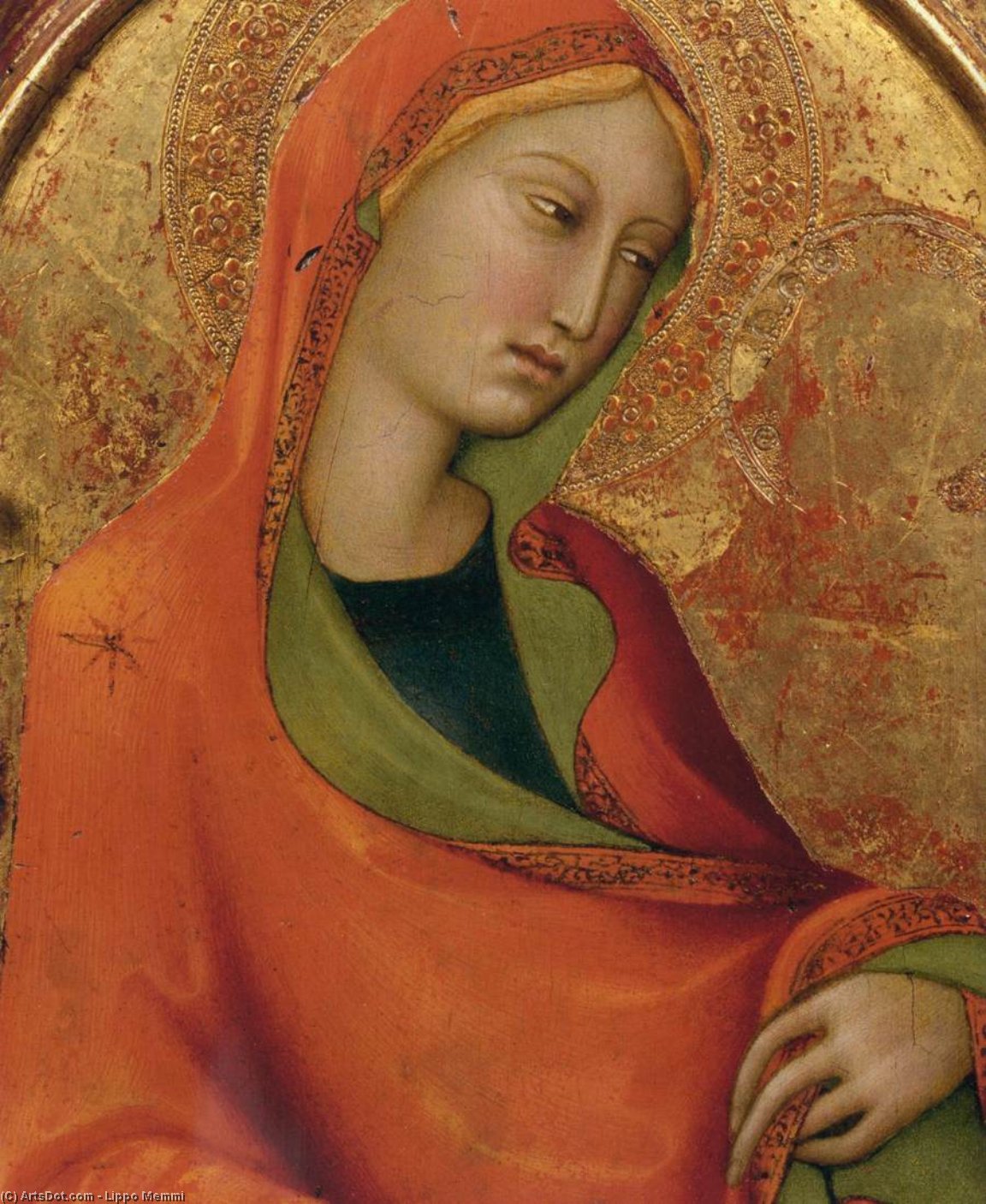
St Mary Magdalen (detail)


 Read More
Hand Made Oil Reproduction
Hand-painted oil on canvas in your size and frame, made to order by our artists. ( Buy Print Buy Image)




P118B $10

P118H $10

P118W $10

P438Z $10

P508JH $12

P508YH $12

P805H $10

P805Z $10

P919BZ $10

P919G $10

P919XJ $10

P959ZH $10

P968JZ $12

W106C $8

W218G $10

W218JH $8

W218Y $10

W307PJ $10

W316G $10

W316PJ $8

W316Y $10

W398PJ $8

W4111J $10

W500HY $15

W500JH $15

W692G $12

W849H $8

W940BG $15

W953PJ $8




Pick from our preset sizes that match the artwork's original proportions.

You may enter your own dimensions to fit a specific frame or space. If your selected size does not match the original image's proportions, we will either crop the artwork or extend the painting with additional hand-painted elements. A digital mockup will be sent for your approval before production begins.
Please note that the on-screen preview does not reflect the actual cropping or extension. Only the mockup will accurately show the final composition.
While custom sizes are available, we recommend selecting a dimension from the predefined list to preserve the original proportions.
After order, ArtsDot.com team will email client for instructions and provide a mockup preview
Worldwide Delivery () in 3/4 weeks instead of standard 5 weeks. (17 August). No compromise on quality.

Free Worldwide Express Shipping

High-Quality Linen Canvas

Full Shipping Insurance

Customs Tax Refund Guarantee

True Color Matching Guarantee

60-Day Return Policy (Defects Only)

100% Money-Back Guarantee

Bulk Discount Offer
 Glass option is only available in size under 110 CM

St Mary Magdalen (detail)
Reproduction Medium
Reproduction Size
-


Total Price
$ 263
Artwork Description
A Vision of Devotion: The Ethereal Presence of St. Mary Magdalen
In the quiet, luminous depths of Lippo Memmi’s St. Mary Magdalen, we encounter more than a mere portrait; we witness a profound moment of spiritual transcendence captured in the delicate language of the Sienese School. Created around 1325, this detail of the saint offers an intimate glimpse into the soul of a woman whose life was defined by transformation and unwavering faith. The composition centers on her face, upturned in a gesture of celestial longing, as if she is catching the very first light of divine revelation. Her eyes, directed toward an unseen heaven, invite the viewer to share in her contemplative ecstasy, bridging the gap between the earthly realm and the divine.
The artistry of Lippo Memmi shines through in the masterful use of texture and light, characteristic of the transition from Byzantine rigidity to the flowing elegance of the International Gothic style. The saint is draped in a vibrant red veil, a color that serves as a powerful symbol of both her earthly passion and her profound devotion to Christ. This rich pigment is contrasted beautifully against a background of shimmering gold leafing, which does not merely serve as decoration but acts as a window into a sacred, timeless space. The way the light interacts with the gilded surface creates an aura of holiness, making the figure appear to glow from within, a technique that continues to captivate collectors and art enthusiasts alike.
A Masterpiece of Sienese Grace and Historical Elegance
To understand this work is to understand the golden age of Siena. Lippo Memmi, working under the influence of his mentor Simone Martini, brought a unique sense of grace and lyrical line to his subjects. In this depiction of Mary Magdalene, we see the hallmark of Sienese mastery: the ability to marry intricate, fine detail with an overwhelming emotional resonance. The delicate rendering of her features—the soft curve of her brow and the subtle tension in her expression—demonstrates a level of technical sophistication that was revolutionary for the early 14th century. Every brushstroke serves the narrative of sanctity, turning a religious icon into a living, breathing presence.
For the discerning collector or interior designer, a reproduction of this masterpiece offers an unparalleled opportunity to introduce a sense of historical weight and spiritual serenity into a space. The painting’s rich palette of crimson and gold, paired with its profound emotional depth, makes it a commanding focal point for any curated collection. Whether placed in a quiet study to inspire reflection or as a centerpiece in a grand hall to evoke the grandeur of the Middle Ages, this work transcends mere decoration. It is an invitation to experience the enduring power of devotion and the timeless beauty of the Italian Gothic tradition.
Related Artworks









Artist Biography
A Sienese Master of Grace and Devotion
Lippo Memmi, born around 1291 in the heart of Siena, Italy, stands as a pivotal figure in the transition from the Byzantine-rooted traditions of medieval painting towards the burgeoning elegance of the International Gothic style. Though often discussed in relation to his celebrated brother-in-law and mentor, Simone Martini, recent scholarship increasingly recognizes Memmi’s distinct artistic voice and significant contributions to 14th-century Sienese art. His early life was steeped in artistry; as the son of Memmo di Filippuccio, a painter himself, Lippo likely received his initial training within his father's workshop, gaining foundational skills that would later be refined under Martini’s guidance. This familial and professional connection proved crucial, shaping not only his technique but also his artistic sensibility. The close relationship fostered a collaborative spirit evident in some of their most renowned works, yet Memmi ultimately forged a path marked by a unique blend of inherited tradition and personal innovation.Embracing the International Gothic
Memmi’s art is deeply embedded within the aesthetic principles of the International Gothic style that flourished across Europe during his lifetime. This movement prioritized elegance, refined detail, and a decorative approach to painting—a departure from the more austere styles of earlier periods. However, Memmi didn't simply adopt these new trends; he synthesized them with the enduring influence of Byzantine art, which remained strong in Siena. His figures often retain a certain formality and frontality reminiscent of Byzantine icons, yet they are imbued with a newfound grace and emotional depth. A hallmark of his technique is the meticulous rendering of fabrics, adorned with intricate patterns, and the distinctive use of stamped tin halos embellished with radiating gold leaf—details that showcase both technical skill and an appreciation for luxurious ornamentation. He was also a master miniaturist, employing sgraffito techniques to achieve delicate effects in his smaller works, demonstrating a remarkable attention to detail and a refined artistic sensibility.Collaborations and Commissions
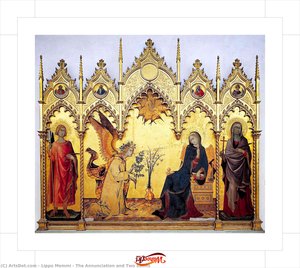
Throughout his career, Memmi undertook numerous significant commissions that attest to his growing reputation. Perhaps the most celebrated of these is the Annunciation with St. Margaret and St. Ansanus (1333), created in collaboration with Simone Martini for the Uffizi Gallery. This masterpiece exemplifies the International Gothic style, showcasing their combined mastery of line, composition, and color. Beyond this collaborative effort, Memmi received independent commissions that allowed him to further develop his individual style. The Virgin of Mercy, also known as the “Madonna dei Raccomandati,” commissioned for Orvieto Cathedral, demonstrates his ability to create deeply devotional images resonating with contemporary audiences. La Madonna della Febbre, a particularly revered icon, received a papal coronation in 1631 and is now enshrined within Saint Peter’s Basilica in Rome—a testament to its enduring spiritual significance and miraculous reputation. Furthermore, the frescoes attributed to him (formerly credited to Barna) in the Collegiate Church of San Gimignano represent a substantial body of work revealing his narrative skills and artistic vision.From Avignon to Lasting Legacy
Memmi’s career took an intriguing turn when he followed Simone Martini to the Papal court in Avignon during the mid-14th century. This period exposed him to new patrons, artistic influences, and a broader European context. While in Avignon, he continued to refine his style and expand his repertoire. Upon returning to Siena, he remained active until his death in 1356, continuing to produce works that reflected both the traditions of Sienese painting and the innovations of the International Gothic movement. Over time, Memmi’s style evolved, becoming characterized by softer qualities and a tranquil spirit compared to earlier Duecento masters. He is now recognized as the foremost follower of Simone Martini, playing a crucial role in shaping Sienese art during a period of significant artistic change. His contribution to the development and dissemination of the International Gothic style remains undeniable, and his influence extended to subsequent generations of artists, particularly those working in Siena after the devastation of the Black Death. Recent scholarship has moved beyond viewing him solely as Martini’s follower, celebrating his unique contributions and solidifying his place as a significant artist in his own right.A Reassessment of Artistic Merit
For many years, Lippo Memmi was overshadowed by the brilliance of Simone Martini. However, contemporary art historians are increasingly recognizing the subtlety and sophistication of his work. His paintings possess a quiet dignity and emotional resonance that sets them apart. The delicate modeling of faces, the graceful drapery, and the luminous use of color all contribute to an atmosphere of serene beauty. Memmi’s ability to blend Byzantine formality with Gothic elegance created a distinctive style that influenced artists for decades after his death. His legacy is not merely one of imitation or continuation but of thoughtful adaptation and artistic innovation—a testament to his skill, vision, and enduring contribution to the rich tapestry of Italian art history.
Lippo Memmi
1291 - 1356 , Italy
Quick Facts
- Artistic Movement Or Style: International Gothic
- Artists Or Movements Influenced By This Artist: ['Sienese artists']
- Artists Who Influenced This Artist: ['Simone Martini']
- Date Of Birth: c. 1291
- Date Of Death: 1356
- Full Name: Lippo Memmi
- Nationality: Italian
- Notable Artworks:
- Annunciation with St. Margaret...
- Virgin of Mercy
- La Madonna della Febbre
- Place Of Birth: Siena, Italy
Related Articles

Golden Masterpieces: 10 Paintings That Define Art History | ArtsDot
Explore 10 breathtaking paintings where gold leaf shines! From Klimt to Byzantine icons, discover art history’s most gilded masterpieces. Find museum-quality reproductions & elevate your home decor with ArtsDot. Explore the full collection online.

The Allure of Gold in Art History: Symbolism, Technique & Cultural Significance
Explore the rich history of gold in art! Discover symbolism, techniques & cultural significance from ancient civilizations to Klimt's masterpieces. Expert insights for collectors at ArtsDot.

Golden Glow: How to Use Metallic Gold Artworks to Elevate Your Home Decor with Timeless Luxury
Discover how to elevate your home with the timeless elegance of metallic gold artworks. From sculptural metal pieces to gilded oil paintings, learn expert interior design tips for integrating luxurious gold accents into your space with sophistication and grace.

Crimson Threads of Narrative: Exploring Symbolism & Representation in Artworks Featuring the Red Dress
Explore the rich symbolism of the red dress in art history! From ancient power displays to iconic portraits like Cézanne’s 'Madame Cezanne', discover the cultural and artistic significance behind this captivating color. Expert analysis & insights.

Fra Angelico's Masterpieces: 25 Renaissance Paintings for Your Home | ArtsDot
Explore 25 breathtaking masterpieces by Fra Angelico, a Renaissance master. Discover the stories behind his iconic frescoes, Annunciations & religious art. Find museum-quality reproductions and elevate your home decor with ArtsDot.com.