Showing 5 artworks with Il Sodoma (Giovanni Antonio Bazzi) and with Oil On Canvas
-
Il Sodoma (Giovanni Antonio Bazzi)
-
Oil On Canvas
Not available for this selection
- Espresso
- Phthalo Green
- Celadon
- Driftwood
- Renaissance Art
- Il Sodoma
- Mannerism
- Fresco
- Classical Art
- Galleria Nazionale D'Arte Antica
- Mythology
- Italian Painting
- Oil On Canvas
- Siena Painting
- Soft Lighting
- Mannerist Painting
- St George Dragon
- Bronze Sculpture
- Now In The Museo Nazionale Di Capodimonte
- Fresco Painting
- Dramatic Composition
- Siena School
- Giovanni Antonio Bazzi
- Baroque Subject Matter
- Dramatic Wall Decor
- 16Th Century
- 16Th Century Art
- 1510
- Cherub
- The Flagellation Of Christ (Caravaggio)
- Roman History
- Alexander The Great
- Vibrant Colors
- Flagellation Christ
- Il Sodoma (Giovanni Antonio Bazzi)
- Baroque Influence
- Cupid
- Renaissance Drama
- Sculpture
- Baroque Painting
- Fresco Cycles
- Palazzo Chigi
- Siena Renaissance
- Naples. It Is Dated To 1607
- 36 X 70 Cm
- Sabine Women Rape
- Historical Figure Art
- Lucretia Death Art
- Pastoral
- Violence Art Print
- Earth Tones
- Serene
- Love
- Landscape Painting
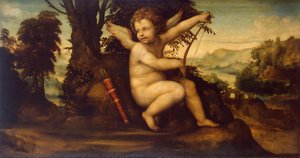
Experience 'Cupid in a Landscape' by Il Sodoma (1510). A stunning Renaissance masterpiece depicting Cupid amidst a serene Italian vista, now at The Hermitage Museum.
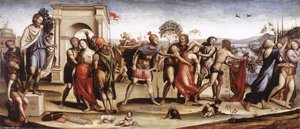
Giovanni Antonio Bazzi (Il Sodoma) created a series of nine bronze casts based on antique marble busts depicting Roman emperors, philosophers, and women. This particular piece portrays St George battling the dragon in front of a castle setting, reflecting Sienese artistic traditions blended with Florentine influences.
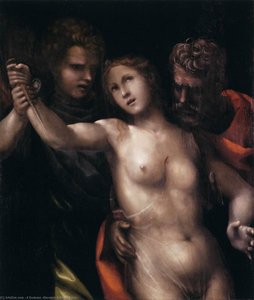
Experience the dramatic tension of The Death of Lucretia by Il Sodoma, a powerful Mannerist scene from 1513; bring this masterpiece home today.
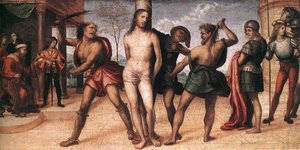
Bridging Renaissance Grace and Mannerist Drama Giovanni Antonio Bazzi, Giovanni Antonio Bazzi il sodoma (giovanni antonio bazzi) Giovanni Antonio Bazzi 1510 36 x 70 cm The Flagellation of Christ is a painting by the Italian Baroque painter Caravaggio, now in the Museo Nazionale di Capodimonte, Naples. It is dated to 1607, and may have been reworked by the artist in 1610. It is not to be co