 Preview
 Send
Send Share
Share
 Details

 Download
 Similars
 X-Ray
X-Ray Diaporama
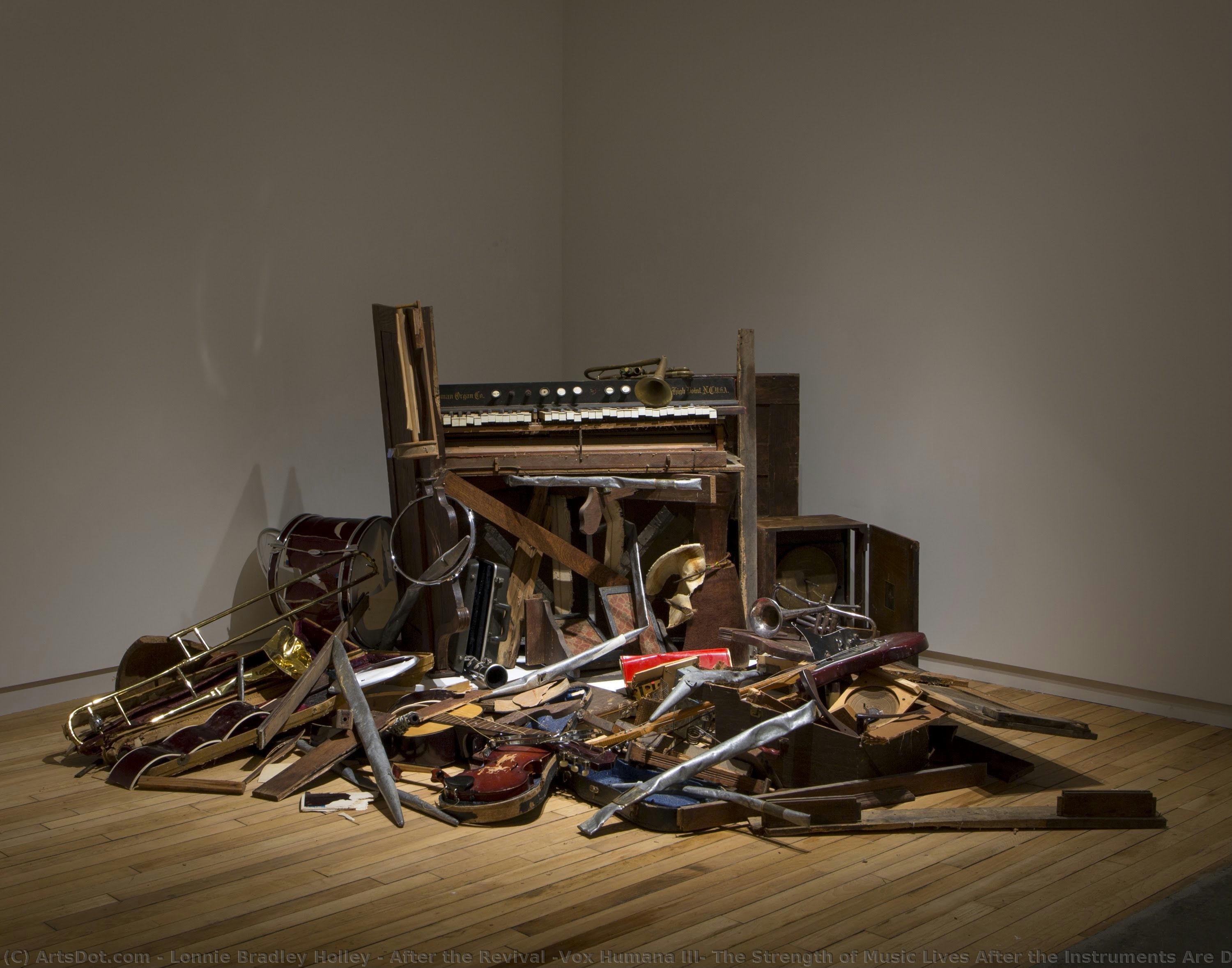
After the Revival (Vox Humana III: The Strength of Music Lives After the Instruments Are Destroyed)


 Read More
Hand Made Oil Reproduction
Hand-painted oil on canvas in your size and frame, made to order by our artists. ( Buy Print Buy Image)




P118B $10

P118H $10

P118W $10

P438Z $10

P508JH $12

P508YH $12

P805H $10

P805Z $10

P919BZ $10

P919G $10

P919XJ $10

P959ZH $10

P968JZ $12

W106C $8

W218G $10

W218JH $8

W218Y $10

W307PJ $10

W316G $10

W316PJ $8

W316Y $10

W398PJ $8

W4111J $10

W500HY $15

W500JH $15

W692G $12

W849H $8

W940BG $15

W953PJ $8




Pick from our preset sizes that match the artwork's original proportions.

You may enter your own dimensions to fit a specific frame or space. If your selected size does not match the original image's proportions, we will either crop the artwork or extend the painting with additional hand-painted elements. A digital mockup will be sent for your approval before production begins.
Please note that the on-screen preview does not reflect the actual cropping or extension. Only the mockup will accurately show the final composition.
While custom sizes are available, we recommend selecting a dimension from the predefined list to preserve the original proportions.
After order, ArtsDot.com team will email client for instructions and provide a mockup preview
Worldwide Delivery () in 3/4 weeks instead of standard 5 weeks. (6 September). No compromise on quality.

Free Worldwide Express Shipping

High-Quality Linen Canvas

Full Shipping Insurance

Customs Tax Refund Guarantee

True Color Matching Guarantee

100-Day Return Policy (Defects Only)

100% Money-Back Guarantee

Bulk Discount Offer
 Glass option is only available in size under 110 CM

After the Revival (Vox Humana III: The Strength of Music Lives After the Instruments Are Destroyed)
Reproduction Medium
Reproduction Size
-


Total Price
$ 263
After the Revival (Vox Humana III: The Strength of Music Lives After ...
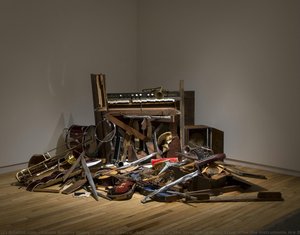
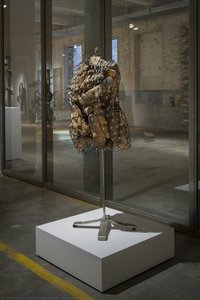
The painting “After the Revival,” by Lonnie Holley, isn’t merely an image; it's a visceral declaration of artistic perseverance against overwhelming odds. Created in 2017, this assemblage sculpture captures Holley’s signature style—a masterful blending of found materials transformed into emotionally resonant narratives—and speaks directly to the enduring spirit of creativity itself. The central figure is undeniably a piano, its weathered surface bearing witness to decades of performance and now scattered amongst debris: fragments of guitars, violins, bottles, and cups. This deliberate juxtaposition isn’t accidental; it embodies Holley's biographical journey – from humble beginnings picking up trash in Birmingham, Alabama, to achieving international acclaim as a musician and sculptor.- Style & Technique: Holley’s technique is characterized by meticulous layering of textures and colors achieved through gluing together salvaged objects—discarded instruments, scrap metal, wood scraps—creating a richly textured surface that invites tactile exploration. The muted palette reflects the artist's own experiences of hardship and resilience, yet punctuated by bursts of vibrant hues that symbolize hope and renewal.
- Historical Context: Holley’s work draws heavily from the legacy of the Jim Crow South, where Black artists faced systemic discrimination and limited opportunities. “After the Revival” serves as a powerful reminder of the importance of artistic expression as a form of resistance and self-affirmation—a defiant assertion of identity in the face of oppression.
Symbolism & Narrative Resonance
The piano itself functions as a potent symbol – representing not just musical performance but also memory, history, and the passage of time. Its scattered instruments represent shattered dreams and aspirations, yet simultaneously symbolize the ongoing pursuit of artistic fulfillment. The bottles and cups—objects of everyday life—suggest vulnerability and fragility, mirroring Holley’s own struggles throughout his formative years. However, the overall composition exudes a sense of triumph; the piano remains intact amidst the chaos, signifying that despite setbacks, creativity persists.Emotional Impact & Artistic Legacy
“After the Revival” transcends mere visual representation; it evokes profound emotional responses—a feeling of melancholy mingled with optimism, reflecting Holley’s personal history and artistic vision. It compels viewers to contemplate themes of loss, perseverance, and transformation – prompting reflection on how art can illuminate the human condition. Lonnie Holley's contribution to assemblage sculpture is undeniable, establishing him as a pioneer in utilizing unconventional materials to convey complex narratives and elicit emotional engagement. His work continues to inspire artists globally, demonstrating that beauty and meaning can emerge from unexpected sources—a testament to the transformative power of creativity itself.Interior Design Considerations
For collectors and interior designers, Holley’s sculpture offers a striking centerpiece for spaces seeking warmth, texture, and intellectual depth. Its evocative imagery speaks to themes of heritage and resilience—perfectly complementing collections focused on American art history or celebrating the enduring spirit of artistic innovation. Consider pairing it with complementary colors—such as earthy tones—to enhance its visual impact and create an atmosphere that fosters contemplation and inspiration.Related Artworks



Artist Biography
A Life Forged in Found Materials
Lonnie Holley, born February 10, 1950, in Birmingham, Alabama, is more than an artist; he’s a testament to the resilience of the human spirit and the transformative power of creativity. His journey, deeply rooted in the complexities of the Jim Crow South, has blossomed into a globally recognized artistic practice encompassing assemblage sculpture, immersive environments, and profoundly moving music. Holley's story isn’t one of formal training or privileged access; it’s a narrative sculpted by hardship, loss, and an unwavering commitment to self-expression. His early life was characterized by instability – a childhood spent navigating foster homes, working odd jobs from a young age—picking up trash, washing dishes, cooking—and finding temporary shelter in unconventional places like a whiskey house and the state fairgrounds. These experiences weren’t merely biographical details; they became the very bedrock of his artistic vision, imbuing his work with an authenticity that resonates deeply with viewers.The Genesis of Creation: From Grief to Art
A pivotal moment arrived in 1979 when Holley began carving tombstones for his sister’s children who tragically perished in a fire. This act of mourning, born from profound grief, unexpectedly unlocked his artistic path. While searching for suitable materials, he discovered discarded sandstone-like remnants from a local foundry—a byproduct of Birmingham's industrial heartland. He attributes this discovery to something akin to divine intervention, a guiding hand leading him toward a new form of expression. This wasn’t simply finding a medium; it was encountering a voice waiting to be unleashed. The act of shaping these stones into memorials became a catalyst for broader artistic exploration, transforming found objects into powerful expressions of remembrance and loss. He didn't approach the sandstone with preconceived notions but allowed the material itself to dictate the form, an improvisational process that would become a hallmark of his style. This intuitive connection to materials—responding directly to their texture, shape, and inherent history—defines Holley’s unique artistic language.Assemblage and Improvisation: A Unique Artistic Voice
Lonnie Holley's art is fundamentally rooted in assemblage – the art of constructing sculptures from disparate found objects. Metal scraps, weathered wood fragments, discarded stones, everyday detritus—these are not merely materials to Holley; they are vessels carrying stories, memories, and echoes of past lives. His process isn’t about imposing a vision onto these objects but rather allowing them to reveal their potential through intuitive arrangement and connection. He doesn't pre-plan his creations; instead, he responds directly to the materials at hand, letting them guide the form and meaning of his work. This improvisational approach extends beyond sculpture into his musical endeavors as well. His works frequently address themes of spirituality, social justice, personal history, and the beauty found in unexpected places. They reflect on the complexities of human experience, the search for meaning in a fragmented world, and the enduring power of memory. While initially focused on sandstone carvings, Holley’s practice expanded to encompass an ever-widening range of materials, demonstrating his adaptability and resourcefulness as an artist.Recognition and Legacy: A Rising Star
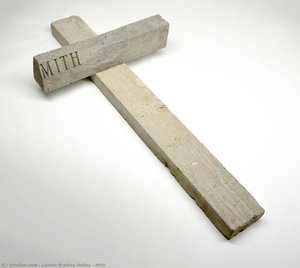
Over the years, Lonnie Holley's work has garnered significant recognition, finding its way into prestigious museum collections worldwide. His art has been exhibited at institutions including the Birmingham Museum of Art, The Halsey Institute of Contemporary Art, The Metropolitan Museum of Art, and the National Gallery of Art, among many others. He is represented by the Souls Grown Deep Foundation, an organization dedicated to supporting and promoting the work of African American artists from the South. Beyond his visual art, Holley embarked on a musical career in 2012, releasing critically acclaimed albums like "Just Before Music," “MITH”, and “National Freedom”. His music blends spoken word, improvisation, and blues influences, creating a sonic landscape as unique and compelling as his sculptures. He has collaborated with artists such as Matthew E. White, further expanding his creative reach. Holley’s story exemplifies the power of self-taught artistry, demonstrating how creativity can flourish outside traditional academic settings. His work provides a poignant commentary on social issues and the experiences of marginalized communities in the American South. He is associated with the Birmingham-Bessemer School of Art, alongside Thornton Dial, Ronald Lockett, and Joe Minter, highlighting a shared aesthetic and thematic focus within the region's artistic landscape. Lonnie Holley’s legacy isn’t just about the art he creates; it’s about the inspiration he provides—a beacon for those who find their voice through unconventional methods and perspectives.Influences and Artistic Kinship
While fiercely independent in his artistic vision, Holley exists within a rich lineage of self-taught Southern artists. His work echoes the spirit of folk art traditions, particularly the African American vernacular tradition of transforming discarded materials into objects of beauty and significance. The influence of spirituality is palpable throughout his oeuvre, reflecting a deep connection to ancestral beliefs and a search for meaning beyond the material world. He shares affinities with artists like Thornton Dial, whose assemblages also grapple with themes of race, history, and social injustice. The Birmingham-Bessemer School of Art, to which Holley is often linked, represents a unique artistic ecosystem—a community of self-taught creators who found strength in shared experiences and a commitment to authentic expression. His work resonates with the improvisational spirit of jazz music, particularly the free jazz movement, where spontaneity and emotional intensity are paramount. Ultimately, Lonnie Holley’s art is a testament to the enduring power of human creativity—a force that can transform pain into beauty, loss into remembrance, and discarded objects into profound statements about the world we inhabit.
Lonnie Holley
1950 - , United States of America
Quick Facts
- Artistic Movement Or Style: Assemblage, Outsider art
- Date Of Birth: February 10, 1950
- Full Name: Lonnie Bradley Holley
- Nationality: American
- Notable Artworks:
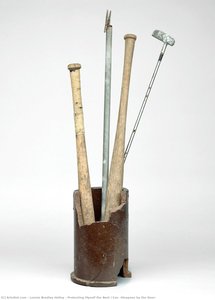
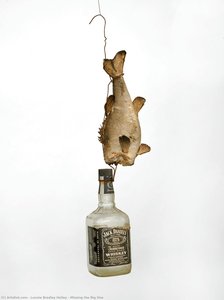
- Protecting Myself...
- Mith
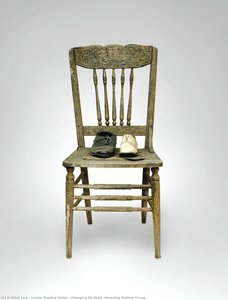
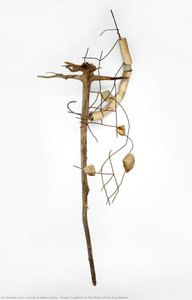
- Changing My Walk...
- Place Of Birth: Birmingham, USA
Related Articles

Bronze Sculptures That Defined Art History | ArtsDot
Journey through art history with our Top 10 bronze sculptures! Explore masterpieces by Rodin, Michelangelo & more. Discover stories behind iconic statues and find museum-quality reproductions for your home decor at ArtsDot.com.

The Enduring Form: Exploring Themes & Techniques in Sculpture Across Historical Periods
Explore the rich history of sculpture from ancient masterpieces to contemporary innovations. Discover key techniques, influential artists & investment potential for discerning art collectors.
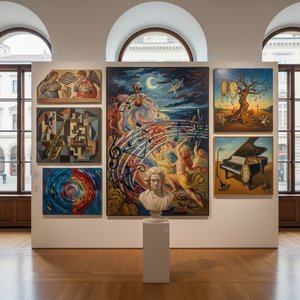
Harmonies on Canvas: Exploring the Visual Representation of Music in Art History
Explore the fascinating history of music's visual representation in art! From ancient symbolism to modern abstraction, discover how artists have captured sound and emotion on canvas. Expert insights & stunning examples.

Bronze Age to Modern Masters: 10 Sculptures That Redefined Art | ArtsDot
Journey through art history with 10 legendary bronze sculptures – from Michelangelo's David to Rodin’s Thinker. Explore the stories, techniques & timeless beauty of these masterpieces. Find museum-quality reproductions & elevate your home decor on ArtsDot.com.

The Enduring Form: Sculpture Across History, Technique & Emotional Resonance
Explore the rich history of sculpture with ArtsDot. Discover key techniques, influential artists & investment potential for discerning collectors. Expert insights into valuing and collecting timeless masterpieces.